Bootstrap
J.R. Miller

How good I am! What fine things I have done!

Micah 5:7
J.R. Miller • March, 1 2010 • Audio
0 Comments
Choice Puritan Devotional!

The sermon "How good I am! What fine things I have done!" by J. R. Miller emphasizes the Reformed doctrine of self-denial and the nature of true Christian service. Miller draws comparisons between the quiet, unnoticed work of dew and the way Christians should serve God and others: in humility and without seeking recognition. He references Micah 5:7, illustrating how godly lives can influence the world quietly, aligning his arguments with Jesus’ teaching in Matthew 6:1-4 regarding the secrecy of righteous acts. The practical significance of this sermon lies in its call for believers to prioritize the glory of God over personal accolades, encouraging a life of self-forgetfulness in service to others, which ultimately glorifies God and produces spiritual fruit.

Key Quotes

“Is there not in this simile a suggestion as to the way we should seek to do good in this world?”

“Our Lord's teaching on the subject is very plain. He says, Be careful not to do your acts of righteousness before men, to be seen by them.”

“Are we willing to be, as the Jew, to steal abroad in the darkness, carrying blessings to men's doors, blessings that shall enrich the lives of others and do them good, and then steal away again?”

“If you go about doing good in simple ways, in gentle kindness, not thinking of reward, not dreaming of praise, not hoping for any return, you are enshrining your name where it will have immortal honor.”

What does the Bible say about doing good works in secret?

The Bible teaches that we should perform acts of righteousness quietly, without seeking recognition from others.

Scripture instructs us to be discreet in our good deeds, as emphasized in Matthew 6:1-4. The Lord warns against performing acts of righteousness in order to be seen by men, as doing so results in receiving the praise we seek from others instead of the eternal reward from our Father in heaven. This call to humility and self-forgetfulness echoes throughout the New Testament, urging believers to focus on the impact of their actions on others rather than on personal acclaim.

The metaphor of dew, as portrayed by J. R. Miller, reflects this principle beautifully. Just as dew falls silently during the night to nourish and beautify the earth without notice, Christians are called to influence the world through love and good works without seeking human recognition. Our motivation should be to bless others, akin to the selfless nature of the dew, which serves its purpose hidden from sight, allowing God's glory to shine through our actions. The challenge lies in pursuing holiness and kindness without the desire for acknowledgment, a hallmark of true Christ-like living.

Matthew 6:1-4

How do we know performing acts of righteousness in secret is important?

Performing acts of righteousness in secret is important because it reflects true humility and the desire to glorify God rather than oneself.

The significance of performing acts of righteousness in secret is rooted in the biblical teaching of seeking to please God above all else. In Matthew 6:1-4, Jesus articulates that our good works should be done so that our Father sees them in secret. This concept underscores the importance of a heart posture that values divine approval over human praise. When we seek recognition for our good deeds, we are led to focus more on ourselves rather than on the needs of others.

The metaphor of the dew serves as a reminder to Christians of the beauty of servanthood. Just as dew refreshes the earth quietly and unassumingly, believers are called to enact love and kindness in a way that resonates with those around them while remaining anonymous. This self-forgetfulness in service fosters true spiritual growth and deepens our relationship with Christ, as we learn to find joy and fulfillment in the transformation of others' lives, rather than in our own accolades. Therefore, the practice of humility in service is foundational for those who wish to follow Christ wholeheartedly.

Matthew 6:1-4

Why is humility important for Christians?

Humility is vital for Christians as it allows them to serve others selflessly and reflect Christ's character in their lives.

Humility plays a critical role in the Christian life because it aligns our hearts with the teachings of Jesus, who exemplified ultimate humility in His servitude. In Micah 5:7, believers are compared to dew, which serves without seeking recognition. This imagery illustrates that true service flows from a heart that prioritizes the well-being of others over personal acclaim. A humble heart recognizes its own insufficiency and relies on God's grace, leading to genuine acts of love and kindness in the life of a Christian.

Moreover, humility fosters a community marked by support and edification rather than competition and pride. When Christians choose to live selflessly, focused on nurturing the spiritual growth of others, they fulfill the calling of Christ to love one another. The paradox of humility is that in losing ourselves for the sake of others, we find true fulfillment and purpose in God's kingdom. Therefore, humility in service not only deepens our faith but also expands our capacity for genuine love and connection with fellow believers and the world.

Micah 5:7

Sermon Transcript

Auto-generated transcript • May contain errors

100%
How good I am! What fine things
I have done! By J. R. Miller. They will be
like Jews sent by the Lord. Micah 5 7 The lives of godly
people are sometimes compared to the Jew. One point of likeness
is the quiet way in which the Jew performs its ministry. It
falls silently and imperceptibly. It makes no noise. No one hears
it dropping. It chooses its time in the night,
when men are sleeping, when none can see its beautiful work. It
covers the leaves with clusters of pearls. It steals into the
bosoms of the flowers, and leaves new cupfuls of sweetness there. It pours itself down among the
roots of the grasses and tender herbs and plants. It loses itself
altogether, and yet it is not lost. For in the morning there
is fresh life everywhere, and new beauty. The fields are greener,
the gardens are more fragrant, and all nature is clothed in
fresh luxuriance. Is there not in this simile a
suggestion as to the way we should seek to do good in this world?
Should we not wish to have our influence felt while no one thinks
of us, rather than we should be seen and heard and praised? Should we not be willing to lose
ourselves in the service of self-forgetful love, as the dew loses itself
in the bosom of the rose, caring only that other lives shall be
sweeter, happier, and holier, and not that honour shall come
to us? We are too anxious, some of us,
that our names should be written in large letters on the things
we do. even on what we do for our Master,
and are not willing to sink ourselves out of sight, and let Him alone
have the praise. Our Lord's teaching on the subject
is very plain. He says, Be careful not to do
your acts of righteousness before men, to be seen by them. If you
do, you will have no reward from your Father in heaven. So when
you give to the needy, do not announce it with trumpets, as
the hypocrites do in the synagogues and on the streets, to be honored
by men. I tell you the truth, they have
received their reward in full. That is, they have that which
they seek, the applause of men. But when you give to the needy,
do not let your left hand know what your right hand is doing,
so that your giving may be in secret. Then your Father who
sees what is done in secret will reward you. The meaning would
seem to be that we are not to wish people to know of our good
deeds, our charities, our self-denials, that we should not seek publicity
when we give money or do good works, indeed, that we are not
even to tell ourselves what we have done, that we are not to
think about our own good deeds, so as to become conscious of
them, not to put them down in our diaries, and go about complimenting
ourselves, throwing bouquets at ourselves, and whispering,
how good I am, what fine things I have done. This is an insightful
test of our lives. Are we willing to be, as the
Jew, to steal abroad in the darkness, carrying blessings to men's doors,
blessings that shall enrich the lives of others and do them good,
and then steal away again, before those we have helped or blessed
awaken to know what hand it was that brought the gift? Are we
willing to work for others, without gratitude, without recognition,
without human praise, without requital? Are we content to have
our lives poured out like the dew, to bless the world and make
it more fruitful, and yet remain hidden away ourselves? Is it
enough for us to see the fruits of our toil and sacrifice in
others' spiritual growth and deeper happiness, yet never hear
our name spoken in praise or honor, perhaps even hearing others
praised for things we have done? If you go about doing good in
simple ways, in gentle kindness, not thinking of reward, not dreaming
of praise, not hoping for any return, you are enshrining your
name where it will have immortal honor. Our lesson teaches us
that this is the way we are to live if we are followers of Christ.
J.R. Miller
About J.R. Miller
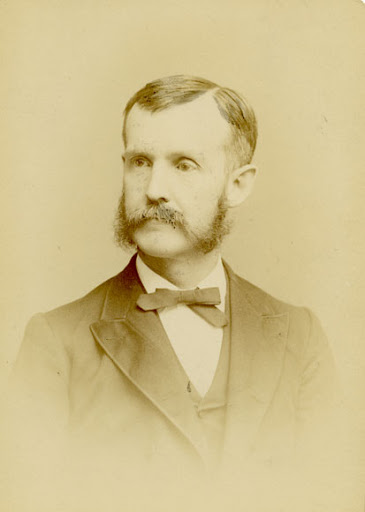
James Russell Miller (20 March 1840 — 2 July 1912) was a popular Christian author, Editorial Superintendent of the Presbyterian Board of Publication, and pastor of several churches in Pennsylvania and Illinois.
Broadcaster:

Comments

0 / 2000 characters
Comments are moderated before appearing.

Be the first to comment!

Joshua

Joshua

Shall we play a game? Ask me about articles, sermons, or theology from our library. I can also help you navigate the site.

0:00 0:00