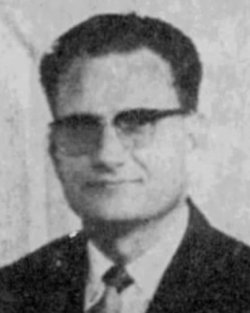
The sermon by Wilbur Elias Best centers on the theological doctrine of the vicarious atonement of Christ as depicted in Isaiah 52:13-15 and Isaiah 53. Best emphasizes that Isaiah 53 articulates the significance of God's Servant, the Lord Jesus Christ, whose sacrificial work both fulfills God's plan and assures salvation. Key points made include Christ's exaltation following his suffering, the necessity of Israel's penitential confession of sin, and the connection of various Old Testament prophecies to the New Testament Christology. Best underscores that the terms of sacrifice, propitiation, reconciliation, and redemption encapsulate the comprehensive nature of Christ's work, affirming that His atonement is definitive and leaves no penal liability for believers' sins, reinforcing essential Reformed doctrines such as the sovereignty of God in salvation and the completeness of Christ's sacrifice. The practical significance highlights the believer's assurance in Christ's finished work, which liberates them from the guilt of sin and provides a foundation for their faith.
Key Quotes
“Is there anything more important than the person and work of Jesus Christ? No, there isn't anything more important than the person and work of our Savior.”
“The work of Jesus Christ on the cross extends no further than the grace of God the Father. In other words, the grace of God the Father extends to the same point that the redemptive work of Jesus Christ extends no farther.”
“In his sufferings, He was supremely active. He was not passive in his death. This obedience goes from incarnation to the vicarious death on the cross of Jesus Christ.”
“Satisfaction was in Jesus Christ and in Him alone. That's why we have been perfected forever by the finished work of Jesus Christ.”
The sacrifice of Jesus, as highlighted in Isaiah 53, is central to God's redemptive plan and illustrates how He bore the sins of many.
In Isaiah 53, the Bible describes the sacrificial work of Jesus Christ as profound and necessary for redemption. It states that He was wounded for our transgressions and bruised for our iniquities (Isaiah 53:5). This demonstrates that Christ's death is not merely symbolic but serves as an expiation that removes guilt through His suffering. The phrase 'He shall prosper' indicates that Christ's sacrifice would achieve its intended purpose, effectively reconciling humanity to God through His obedience unto death.
Isaiah 53:5, Isaiah 52:13-15
The resurrection signifies Jesus' victory over sin and death, affirming the completeness of His redemptive work.
The resurrection of Jesus is crucial in Reformed theology because it demonstrates His power over sin and death, affirming that He has completed His redemptive work. As stated in Isaiah 52:13, 'Behold, my servant shall prosper,' it indicates that His sacrifice was effective and successful. The resurrection assures believers that their sins are indeed forgiven and that they have been reconciled to God through Christ's victory. This event is the foundation upon which the hope of eternal life rests for all who are in Christ.
Isaiah 52:13, Philippians 2:8-9
The doctrines of grace are evidenced by Scripture, illustrating God's sovereignty and the efficacy of Christ's work on behalf of the elect.
The doctrines of grace, encapsulated in the teachings of Scripture, showcase God's absolute sovereignty in salvation. Passages like Isaiah 53 confirm that Jesus' atonement was purposeful, not conditional, as it was directed toward those whom the Father has chosen. Additionally, understanding His work as being fully sufficient assures believers that their redemption is complete and not contingent upon their own efforts or merits. This aligns with Romans 8:30, which emphasizes that those whom God predestines, He also calls, justifies, and glorifies, effectively validating the truth of grace alone.
Isaiah 53, Romans 8:30
Propitiation is crucial as it refers to Christ's act of covering sin and satisfying God's wrath, enabling reconciliation.
Understanding propitiation is vital because it captures the essence of Christ's work in dealing with sin. In Isaiah 53, we see that Jesus bore the sins of many, which relates to the concept of propitiation—where He covered sin and appeased God's righteous anger. This distinction is important; the Old Testament sacrifices only provided a temporary covering for sin, while Christ's sacrifice permanently removed the barrier between God and humanity. Through His death, He reveals God's provision to restore us to favor, stressing that reconciliation is initiated by God through Christ’s act of propitiation.
Isaiah 53:5, John 1:29
Christ’s obedience, culminating in His sacrificial death, fulfills the Law and provides complete satisfaction for sin.
The significance of obedience in Christ's sacrifice cannot be overstated. Jesus' active obedience to the Law throughout His life and His passive obedience in suffering culminate in a single, definitive act of sacrifice on the cross. As Isaiah states, 'He humbled himself and became obedient unto death' (Philippians 2:8), which showcases the importance of His obedience in fulfilling the requirements of God's holiness. This obedience is necessary because it satisfies the demands of the Law, resulting in justification for those who believe, confirming that Christ’s sacrifice is sufficient for all of our sins—past, present, and future.
Isaiah 53, Philippians 2:8

Comments
Your comment has been submitted and is awaiting moderation. Once approved, it will appear on this page.
Be the first to comment!