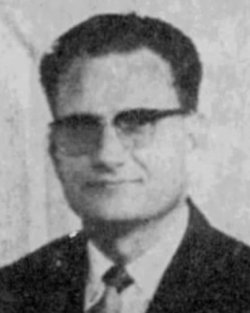
In Wilbur Elias Best's sermon "Christ Made Sin, Part 2," he emphasizes the doctrine of Christ's substitutionary atonement as articulated in 2 Corinthians 5:21. Best argues that Christ was appointed to bear the sin of the elect, who were legally reconciled to God through His death. He carefully distinguishes between objective reconciliation—accomplished at Calvary—and subjective reconciliation, which occurs through the Holy Spirit in regeneration. The preacher supports his points with various Scripture references, particularly highlighting the idea that God, as the offended party, initiated reconciliation, thus emphasizing divine sovereignty. The practical significance of this sermon lies in its assurance that, for those in Christ, sin has been fully judged and righteousness imputed, providing a foundation for the believer's hope and witnessing mission.
“Christ was made sin... The Father appointed His Son to execute His decree.”
“Reconciliation began with the offended rather than the offender.”
“God was in Christ doing the legal work. The Holy Spirit is in the heart doing the practical work.”
“The just for the unjust... in order that he might bring us to God.”
The Bible teaches that God reconciles the elect to Himself through Jesus Christ, as stated in 2 Corinthians 5:18-19.
2 Corinthians 5:18-19
Justification is crucial because it assures Christians that their sins are not imputed to them but forgiven through Christ’s righteousness.
2 Corinthians 5:21
The atonement of Jesus is effective for the elect, indicated by Scripture and the distinct doctrine of particular redemption.
Romans 5:10, 2 Corinthians 5:21
Auto-generated transcript • May contain errors

Comments
Your comment has been submitted and is awaiting moderation. Once approved, it will appear on this page.
Be the first to comment!