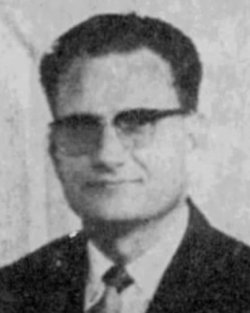
In his sermon on Psalm 90, Wilbur Elias Best addresses the theological significance of prayer, highlighting its three essential components: thanksgiving, praise, and supplication. He underscores how prayer should not simply be an act of requesting divine favors but rather a holistic approach that acknowledges God's sovereignty and eternal nature, as seen in the opening verses of the Psalm. Best references several Scriptures, including Romans 12:2 and 1 John 5:14, to illustrate that true prayer aligns with God's will, emphasizing that genuine supplication flows from a heart of gratitude and reverence. The practical significance of this sermon lies in its call for believers to adopt a biblical perspective on prayer, recognizing it as a means of communion with God rather than a transactional relationship, thereby enhancing the spiritual life and discipline of the church.
“Thanksgiving, praise, and then petition... that should always be the order in the life of a Christian.”
“True prayer, you and I know, is restricted to the will of God.”
“The average person thinks that he can make God subservient to his desires, but we are to be subservient to His will.”
“A person is not born again by prayer. Prayer is the fruit of having been born again.”
True prayer includes thanksgiving, praise, and supplication, as reflected in Moses' prayer in Psalm 90.
Psalm 90:1-2, Psalm 90:13
We may not always know God's will, but true prayer must be aligned with it for our prayers to be heard.
1 John 5:14, Romans 12:2
Thanksgiving is essential in prayer as it acknowledges God's blessings and cultivates a heart of gratitude.
Psalm 90:1
Prayer demonstrates our dependence on God's sovereignty and acknowledges His ultimate authority over our lives.
Auto-generated transcript • May contain errors

Comments
Your comment has been submitted and is awaiting moderation. Once approved, it will appear on this page.
Be the first to comment!