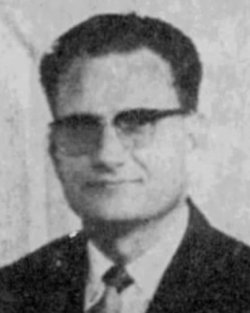
In the sermon titled "The Invisible God," Wilbur Elias Best addresses the doctrine of God's invisibility and how Christ serves as the perfect revelation of the Father. One of the primary arguments presented is the affirmation that no human or creature can fully see God in His essence due to His holiness and transcendence. This is supported by Scripture references such as John 1:18, which states that no one has seen God, and 1 Timothy 6:16, which emphasizes God's dwelling in unapproachable light. Best elaborates on the distinction between natural, intellectual, and spiritual perceptions of God, emphasizing that even the prophets, regarded as "seers," never witnessed God's full glory. The practical significance of this doctrine emphasizes the need for faith in Christ, through whom the invisible God is revealed, and critiques the idolization of images which attempt to represent God, pointing believers toward recognizing Jesus Christ as the true manifestation of God's character and love.
“No man has seen God except God.”
“If you could see God, He would cease to be God.”
“The invisible God is made visible to the eye of faith in the Son of God who became the Son of Man.”
“Divine love, which is shed abroad in the heart by the Holy Spirit in regeneration, does not need God's visible presence to be a fountain of joy to the eye of faith.”
The Bible states that no man has seen God at any time (John 1:18), emphasizing His invisible and transcendent nature.
John 1:18, John 4:24, 1 Timothy 6:16
Jesus reveals God because He is the only begotten God, who is in the bosom of the Father (John 1:18).
John 1:18, Matthew 11:27
Understanding God's invisibility highlights His transcendent nature and sets Him apart from all created things.
1 Timothy 1:17, John 4:24
God's invisibility is linked to His omnipresence; being spirit, He is present everywhere yet remains unseen.
Psalm 139:7-10
Auto-generated transcript • May contain errors

Comments
Your comment has been submitted and is awaiting moderation. Once approved, it will appear on this page.
Be the first to comment!