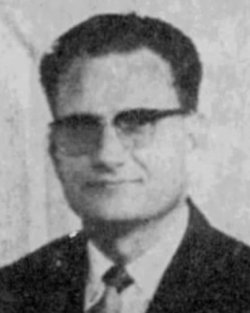
#51 Reconciliation begins with the Offended, not with the Offender
Romans 5:6-11
The sermon "Reconciliation begins with the Offended, not with the Offender" by Wilbur Elias Best primarily addresses the doctrine of reconciliation from a Reformed perspective, emphasizing that reconciliation is fundamentally an objective act initiated by God, not a subjective effort on the part of the sinner. Best argues that reconciliation occurs due to Christ’s propitiatory sacrifice, removing God's holy displeasure and enabling Him to look favorably upon His elect. He supports this argument using Romans 5:6-11, particularly focusing on the divine actions in reconciliation that occur while individuals are still in enmity against God. The practical significance of this message is profound, demonstrating that reconciliation is a completed work of grace solely due to Christ's atoning sacrifice, meaning that believers should direct their gratitude to God for restoring their relationship with Him rather than viewing it as a result of human effort.
“Reconciliation begins with the offended and not the offender. To misunderstand that, beloved, is to misunderstand the doctrine of reconciliation.”
“Both justification and reconciliation are effected by God and not by us.”
“Propitiation does not constrain God to love sinners. Rather, it is the provision of God's eternal and unchangeable love.”
“Reconciliation does not refer to the putting away of the subjective enmity in the heart of a person said to be reconciled, but to the alienation on the part of the person to whom we are said to be reconciled.”
The Bible teaches that reconciliation with God is accomplished through Christ's death, making it possible for God to look upon sinful men with favor.
Romans 5:6-11
Reconciliation is affirmed in Scripture as a finished work accomplished by Jesus Christ's death and is an objective fact.
Romans 5:9-10
Reconciliation is crucial because it symbolizes God's restoration of favor toward sinners through Christ, leading to peace with Him.
Romans 5:10
Auto-generated transcript • May contain errors

Comments
Your comment has been submitted and is awaiting moderation. Once approved, it will appear on this page.
Be the first to comment!