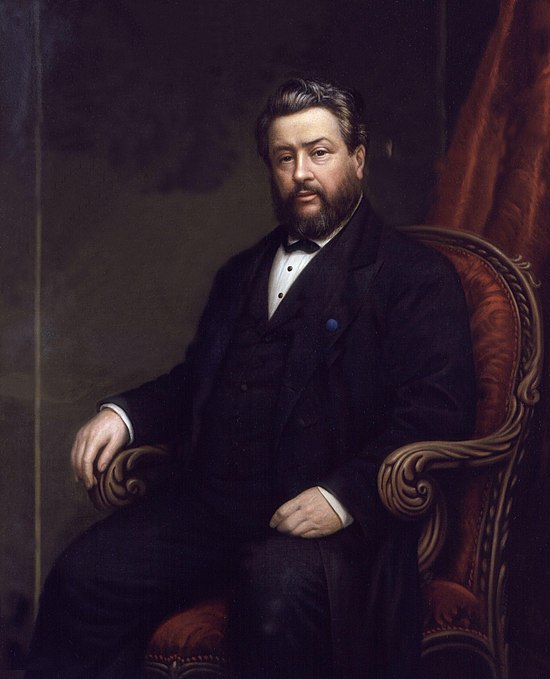
Charles Spurgeon addresses the doctrine of divine comfort in affliction, arguing that believers possess a distinctive consolation unavailable to the unregenerate because their comfort derives from God's Word rather than worldly sources. The sermon's central thesis rests on Psalm 119:50—"This is my comfort in my affliction, for thy words have quickened me"—establishing that Christian solace is both external (the promises of Scripture) and internal (the quickening work of the Holy Spirit applying those promises to the soul). Spurgeon emphasizes that affliction is universal across all humanity; neither goodness nor greatness exempts anyone from trial, and God typically does not prevent suffering but rather sustains believers through it, as exemplified by the three Hebrew children in the fiery furnace. The preacher systematically distinguishes the Christian's experience from that of the ungodly, who seek comfort through temporal remedies (drunkenness, material wealth, human sympathy) that inevitably fail under severe trial. He demonstrates how God's Word quickens the soul—reviving it from spiritual death, invigorating it toward obedience, and strengthening it through repeated applications of promise—particularly during specific trials including deferred hope, scorn and ridicule, exposure to wickedness, pilgrimage uncertainty, and spiritual darkness. This doctrine carries profound practical significance: believers should keep Scripture readily accessible, learn to identify promises suited to their particular afflictions, pray earnestly over the Word for its quickening power, and understand that trials themselves become instruments of spiritual refinement when met with faith in God's promises.
“This is my comfort in my affliction, for thy word hath quickened me.” The comfort, then, is partly outward, coming from God's word, but it is mainly and pre-eminently inward, for it is God's word experienced as to its quickening power within the soul.
“All cisterns dry up, only the fountain remains. Next time you are troubled, reach down to the Bible. Say to thy soul, soul, sit thou still and hear what God the Lord will speak, for he will speak peace unto his people.”
“The Lord comforts his servants by quickening them. This is my comfort in my affliction, for thy word hath quickened me... God does not give comfort when we ask for by a distinct act. But He quickens us and so we obtain comfort.”
“Better be God's dog than the devil's darling. Child of God, comfort yourselves with this. If God has not given me a soft bed, nor left me a whole skin, yet who has quickened me by his word? and this is a choice favour.”
The Bible teaches that God's Word offers comfort in affliction, as seen in Psalm 119:50.
Psalm 119:50
God's promises are affirmed through Scripture and experienced by believers in their daily lives.
Psalm 119:50
Reliance on God's Word is crucial as it provides genuine comfort and spiritual life during trials.
Psalm 119:50
Christians learn that suffering can lead to spiritual growth and deeper reliance on God.
Psalm 119:50
Auto-generated transcript • May contain errors
Comments
Your comment has been submitted and is awaiting moderation. Once approved, it will appear on this page.
Be the first to comment!