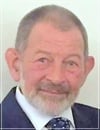
In his sermon titled "What God the Father Has Done for My Soul," Daniel Parks explores the foundational Reformed doctrine of divine election and predestination as demonstrated in Psalm 66:16. He articulates that God the Father’s activity in the salvation of the believer was initiated before the foundation of the world, emphasizing that our salvation is entirely God's work, with no contribution from humanity. Parks discusses several key Scriptures, including Ephesians 1:4, Romans 8:29-30, and 1 Peter 1:2, showcasing God's foreknowledge, love, purpose, and election in relation to His people. The significance of this doctrine lies in its assurance of God's sovereign grace, reassuring believers of their status as elect, predestined children of God, and securing eternal safety and inheritance through Christ.
“I will declare what God has done for my soul... Specifically, I will declare what God the Father has done for my soul.”
“God the Father did His work in the salvation of the souls of His people in old eternity.”
“If you are in Christ, be assured of this, God loves you. Since God's love to me is eternal, there has never been and never will be a moment, not a nanosecond, when God hated me.”
“What has God the Father done for my soul? He foreknew me, loved me, purposed my salvation, chose me to salvation, predestined me to be His adopted child, to be Christlike and to be called and justified and glorified.”
The Bible teaches that God predestines those whom He foreknows for salvation, as expressed in Romans 8:29.
Romans 8:29, Ephesians 1:4-5, 2 Thessalonians 2:13
God's love is foundational for a believer's identity and assurance of salvation.
Jeremiah 31:3, John 17:24
We know God foreknows us because scripture states that He has an intimate relationship with His chosen people.
Romans 8:29, 1 Peter 1:2
Predestination is comforting because it shows that salvation is entirely God's work and not based on human effort.
Ephesians 1:4, Romans 8:28
Auto-generated transcript • May contain errors

Comments
Your comment has been submitted and is awaiting moderation. Once approved, it will appear on this page.
Be the first to comment!