Bootstrap
Jesse Gistand

Friday Night Bible Study - Acts 1:23

Acts 1:23
Jesse Gistand September, 6 2013 Audio
0 Comments
Jesse Gistand
Jesse Gistand September, 6 2013

Sermon Transcript

Auto-generated transcript • May contain errors

100%
In Acts chapter 1, we left off
with the apostle Peter standing up and speaking to the crowd
with regards to Judas Iscariot, as you know. And Peter felt compelled
to, and I think in part, he was led by the Spirit of God to,
as well, explain why it was necessary for Judas' position to be filled. And we talked about that at length
last week. One of two things that I noted
was that Peter was not requesting that a person like Judas Iscariot
would replace Judas and thus become for the band of the Apostles
a potential plague, a potential trouble, a potential problem,
but rather have his office filled, have his office filled. That
is the lot that Judas had with the other 11. making them the
12, the 12. That was a common phrase in the
Gospels. It's a common phrase in the Book
of Acts. They were called the 12. And
Peter was compelled to make sure the number of the 12 maintained. And we talked about the reason
for that, and that is because the number 12 in the Scriptures
signifies spiritual government, spiritual government, spiritual
authority. At the point in which Peter is
talking here in Acts chapter 1, as the text tells us, he stood
up and began to explain, over in verses 15 and following, at
the point in which Peter is speaking in Acts chapter 1, Peter, ladies
and gentlemen, is very much aware of a promise that our Lord Jesus
Christ had made to the disciples in the book of Luke. And that
promise was that they would rule over the 12 tribes of Israel.
that they would rule over the 12 tribes of Israel. This is
Luke 22 verse 29 and 30. And I want you to see that for
a moment. I want you to know what compelled Peter to say what
he said as they sought for another apostle to join them in the ministry. Luke chapter 22 verse 29 and
30. Are you there? Listen to what the Lord says. And actually we can start at
verse 25 because the context is that there was strife among
the disciples about who should be the greatest He said unto
them the king of the Gentiles the kings of the Gentiles exercised
lordship over them And they that exercise authority upon them
are called benefactors, but you shall not be sold But he that
is greatest among you let him be as your younger and he that
is chief as he that doth serve For whether is greater he that
sitteth at meat or he that serveth is not he that sitteth at meat,
but I am among you as one that serves. What is Christ teaching?
That the disciples were to model Jesus Christ in their leadership
and not model the secular world system. That their understanding
of leadership must come from their three and a half year experience
of ministry with the Lord Jesus Christ since, as we have been
stating for several weeks, The book of Acts is merely a transition
from the person of Christ to the body of Christ, right? The
book of Acts is merely a transition from the practice of Christ to
the church. And so the disciples don't have
a right. They don't have the prerogative
of borrowing leadership models from Peter Drucker or any of
the other models in the business world who are successful at business. and incorporating business models
in the church as you have today, where pastors are moguls, they
are giants, they are preeminent, they rule like the pagan kings
and people grubble at their feet and they won't even bend over
to tie their shoes in many cases. They have servants and They're
just despicable in their self-aggrandized state. And the furthest thing
they are from the Lord Jesus Christ. And the apostles were
told by our master here in our text, you are to serve. And then he said in verse 28
something interesting. You are they which have continued
with me in my temptations. That's a statement of fact that
our master made concerning these 12 apostles. And ladies and gentlemen,
what this means is, God is about to reward these men with having
been called into the ministry with his darling son, Jesus Christ,
with the task of being the foundation of the New Testament church,
because they were found to have endured three years of ministry
with the man whom the world will first hate and kill before they
receive. What our Lord is saying to these
11, because Judas Iscariot will not be there, is that when I
look at all the people who started off with me in ministry, and
the folks who will be there at the end, you 11 men have endured
all the trials that I've gone through, all the temptations,
all the harassment, all of the malignment, all of the accusations,
All of the assaults that came against me you guys have endured
and you are here this day And I am going to reward you reward
you for your enduring these temptations with me With ruling over the
twelve tribes look at what he says in verse 29 And I appoint
unto you a kingdom as my father hath appointed unto me. See this
is what Peter is thinking The master is going to appoint unto
us a kingdom And here's what it says, that you may eat and
drink at my father's table in my kingdom, watch this, and sit
on thrones judging what? The 12 tribes of Israel. Peter
hears this and it echoes in his mind in Acts chapter one, as
they are in prayer waiting for the promise of the spirit. They
intuitively are keenly concerned with, as you know, the coming
of the kingdom. They also are by virtue of birth
and pedigree predisposed to believe that 12 men will rule over the
12 tribes of Israel on some type of majestic throne of government. And Peter is, as it were, working
that issue out in Acts chapter one, because we've got one brother
missing, don't we? We've got to fill that 12th seat,
don't we? So Peter is campaigning. to fill that 12th seat. And as
he rationalizes the prophetic scripture in Psalm 69, as you
and I looked at last week, and Psalm 108, that specifically
speaks to the judgment of God upon the apostate, and he saw
how it applied to Judas Iscariot, and we dealt with that last week,
didn't we? how Psalm 69 and Psalm 108 specifically condemns Judas
Iscariot, curses him, him and his family. Peter uses that text
to launch into the exploration of choosing another disciple,
an apostle. And I closed out last week by
saying, it's easy for us to start in the spirit and end in the
flesh. It's easy if we're not careful
that we can have a legitimate premise upon which we would engage
in a matter, have a right premise. We may even also, ladies and
gentlemen, have a right motive, but have a flawed method. And
the flawed method can cancel out both the right motive and
the right premise. Of course, I'm making an assertion,
am I not? And that assertion is this, that
the lot casting that the disciples engaged in to choose between
two men, Acts chapter one, verse 23, and they appointed to Joseph
called Barsibas, who was surnamed Justice and Matthias. And they
prayed and said, Lord, thou Lord, which knowest the hearts of all
men, show whether of these two you have chosen. Did not tell
you last week that that's a problem? Then I'll share with you that
this is really not a choice that the Lord is making. For the disciples,
the apostles basically gave the Lord the two persons they deemed
They determined, they assume, they resolve, we're the most
qualified to join them in the band. And our Lord now, that
is the Lord God Almighty, is bound by their two choices. You
know what we call that? Politics. Isn't that the way
our government works? By the time they tell us to pull
our money out, all we've got is two people to vote for. Neither
one of them we really like, but we are wrapped up in what we
call the dialectical process now. And we operate out of what
is called the lesser of two evils, which is nothing more than a
compromise. Because the only other option you have is not
to join in the facade of politics, since we know they know what
they're going to get out of these two men after they tell you lies
about promising you stuff that they were never going to do in
the first place. So I assert to you on three premises as we
get ready to open up chapter two, that what's taking place
in verses 23 through 26 is a misstep that the premise was right. There
must be 12. The motive is right. They must
be qualified in the sense of having all of the apostolic,
um, Qualifications that the Apostles have already asserted having
been with the Lord Jesus Christ at length having also Experienced
his crucifixion death barrel and resurrection so that they
can legitimately say they have seen the risen Lord That's all
good with the exception of they fell prey to a method that actually
Has no New Testament authority Are we in the Old Testament at
this point or are we in the New? We are in the New Testament,
right? So you know there are things in the Old Testament that
are done away with, right? Like, do you know that in the
Old Testament that the priest would use the Urim and the Thummim
to actually seek counsel from God? It was a special set of
stones on the breastplate of which they would pray or go through
some type of mystic communion with God and they would look
to see if these stones would illuminate. and get their answer
from God. We are speculating, of course,
when we go into that at length. But that was a form of personal
revelation that Aaron or Eleazar or some of the other high priests
would get from God when there was no prophetic word, when there
was no clear providential evidence, when the scriptures were not
clear as to what they would do. They would pray and seek the
Urim and the Thummim, which was light and perfection. In other
cases, you find all through the Old Testament where the church
would use the casting of lots in order to determine what God's
will is, right? Problem with that is, pagans
do the same thing. In other words, the casting of
lot was not an exclusively Jewish practice or a God-ordained practice. The pagans did it as well. God is in control of all affairs,
is he not? And this is why some of our brothers
go ahead on and gamble. So now watch this now. You know, the lot is cast into
the lap, as the proverb says, but the whole disposing thereof
is what? Of the Lord. So they go ahead on and pull
that slot machine and just trust that whatever comes out, the
Lord didn't bless them, right? But the logic is flawed. The
logic is flawed on many levels. In regards to what Peter did,
I wanna hurry up and sum this up so we can launch into chapter
two. Peter assumed that it was okay for the apostles to exercise
the prerogative of choice for Christ's next apostle. That assumption
was dangerously wrong because the first set of apostles were
not chosen by mere men. They were chosen by God. And
the first set of apostles were not chosen by lot. They were
called personally by Christ. It would defy logic for us to
argue that when Christ was here and he had the capacity to choose
his own men, that therefore because he's going back to glory he doesn't
have the same capacity or prerogative or power to choose his own man
and thus maintain a continuity of the choice of apostles coming
directly from Jesus himself? It would defy logic for us to
say, no, we need another means, we need another method. And it
would also, in my opinion, be a regression of understanding
old to new paradigms for us to go back to the Old Testament
lot. A very crude way of determining the will of God. So here's what
you don't see. You don't see the lot in the
Gospels. Christ never used the lot. He
didn't use the lot when he chose the twelve. He didn't use the
lot when he chose the 70. I mean, that's 82. He didn't
choose the lot when he called men and women to himself. Do
you know how our master called men and women to himself? By
the Spirit of God. It was by the Spirit of God. What I said to you in the opening
of our study was that Jesus did everything by the Spirit. He was conceived by the Spirit.
He was protected in his youth by the Spirit. The obscurity
of his childhood and adolescence was a consequence of the Spirit
protecting him until he was old enough to do ministry. And when
he was old enough to do ministry, he didn't do ministry until he
was anointed with the Spirit. Now, if we're gonna follow Christ's
pattern of doing anything, how is it that we're gonna launch
out into ministry by choosing launch, which is an Old Testament
pattern, only pointing to a more vigorous presence of God in the
helping of God's people to do what God has called us to do.
You mean that we couldn't have prayed as apostles to the Lord
Jesus Christ who's going back to heaven? We saw him go and
say, Lord Jesus, choose among us or whomever you will. Because
if you realize, even the disciples had to come to quickly understand
that their little band of believers weren't the only folks that were
believing the gospel when Jesus was there. You remember they'd
say, hey, Lord, these fellows over here are casting out devils,
but they aren't joining us. And our master said, leave them
alone. They're with us. They're just not with you. That's
good stuff, isn't it? See, we will usurp the authority
over Christ if he lets us. And then Peter showing up would
have been a big dog if in fact God would have endorsed and ordained
Matthias or Bessarabus, the other guy, to be one of the apostles. Peter would have sure enough
been a preeminent apostle like unto which the Catholic Church
is now a lord in Peter, having the keys of the kingdom and as
it were of the basilica in Rome and people have to kiss his feet
and his ring and his sainthood status to get to God. I'm so
glad that the Lord didn't say a thing to Peter or the other
11, and that what happened with Matthias and Barthibas, whose
surname is Justice, is that they went off the pages of Scripture
in utter and total silence to never be heard from again. in
absolute obscurity. I'm so glad God was gracious
enough not to spank Peter for what I consider a presumptuous
move because it tells me that God would be just as patient
with me when I start off in the spirit and end up in the flesh.
When I operate out of carnal methods rather than spiritual
methods, I'm thankful that he didn't do that to Peter. He left
him alone. And he raised up one out of due
season in his own time and called him the way he called the other
eleven So that the apostle paul was an authentic apostle called
not by man, but by god Are you guys understanding what i'm saying?
So let me say this then in my argument first the old testament
law ended when christ came God's son is here now They don't need
those crude methods of determining the will of god Everybody was
to listen to him. This is my beloved son at the
baptism. Hear ye him Secondly the Lord
Jesus called his disciples himself and in the New Testament, which
is where we are in the book of Acts The Lord is still calling
people. He could easily call his own
the lot disappeared Good riddance to the lot Let's move forward
Chapter 2 verses 1 through 5 is what I'm going to read and we're
going to get back, go back and unpack the text. We are in the
second chapter. I entitled this chapter Pentecost
Fulfilled. Pentecost Fulfilled. And when
the day of Pentecost was fully come, that's the reason why I
said, when the day of Pentecost had come to full maturity, when
it had come into the totality of its Old Testament celebratory
mode, which was taking place at Jerusalem at this time, as
a consequence of the 50 days from Passover, they were all
with one accord in one place. Who are they? The apostles and
the men and women who were with them, the disciples, the 120
in the upper room. And suddenly there came a sound
from heaven as of a rushing mighty wind, and it filled all the house
where they were sitting. And there appeared unto them
cloven tongues like as a fire, and it sat upon each of them
and they were all filled with the Holy Ghost and began to speak
with other tongues as the Spirit gave them utterance and there
were dwelling at Jerusalem Devout Jews out of every nation under
heaven now when this was noised abroad the multitude came together
and were confounded Because that every man had heard them speak
in his own language and they were all amazed and marveled
saying one to another Behold are not all these which speak?
Galileans and here's my last verse and how here we every man
in our own tongue where in we were born Thus is the reading
of God's Word Now, why do I call this Pentecost fulfilled? It's
because we are transitioning now from the old to the new.
And God did some very marked things in this point of transition
in that when Christ died, Christ died on Passover. It was Passover
day. The Passover lamb was being offered
up. Christ is our Passover lamb. Is that true? That's 1 Corinthians
chapter 5. So God took the Old Testament
type of the Passover lamb, brought it in historic time to a point
in time where he brought his own darling son who was called
the Lamb of God and fulfilled that old Passover type in Jesus. Though all the Old Testament
types and shadows point to their reality in Christ. So it is not
surprising to us that Christ would have been crucified in
April on Passover day. Remarkably then, 50 days later,
which we call Pentecost, and you can find this in Leviticus
chapter 23, you can go there in your own time. In Leviticus
23, where the priests are given their, their feasts, three major
feasts throughout the year, seven major feasts as a total. Israel
was a trifecta of three things, an agricultural system, they
were a religious system, and they were a civil system. And
all three, the religious, agricultural, and civil systems operated in
a simultaneous yearly structure. The children of Israel would
come up to the feast of Passover. They would actually come up also
to the feast of in-gathering or Pentecost, which is where
we are. And then they would have what is called the feast of harvest. In the Bible, the feast of harvest
is a type of the end times. In the end of the harvest, the
angels will come and reap, separate the chaff from the wheat, separate
the wicked from the righteous. You guys got that? The harvest
is the end of the world. Well, Pentecost, Really what
we would call a first fruit of the harvest a first fruit of
the Harvest and in fact in Leviticus 23 the high priest was to take The second week of Passover The
first fruits what were called wave loaves or sheaves and offered
them up to the Lord in Thanksgiving for the harvest that was to come
And then on Pentecost, 50 days later, he was to take the sheaves
and turn them into two loaves of bread. And these two loaves
of bread would be offered up to God, wave loaves. Like when
you wave your hands, a visible recognition that Praise God from
whom all blessings flow. He has given us a harvest. We
will eat this year So we have taken the first fruits the sheaves
and we have turned them into bread So that we can celebrate
the goodness of God and giving us a harvest you guys got that
so first fruits are anticipatory of a full harvest first fruits
We will get back to that in a minute, but that is the concept of Pentecost. Now going back to verse one and
two on the Pentecost day where the first fruits are taking place
in terms of the Jewish celebration in Jerusalem, something is happening. In Jerusalem, we don't know if
it's the temple or a house near Jerusalem, but we read over in
verse two, and suddenly there came a sound from heaven as of
a rushing mighty wind, and it filled the house where they were
sitting. Verse two gives us a sound. That's the first point in our
PowerPoint, a sound, if you pull that up. Verse two tells us there
was a sound, a sound, see point A? It was a sound of wind. Now
I want you to get this now. It was not the presence of physical
wind. It was just the sound of wind.
I know sometimes in movies what you will see when they try to
reduplicate the axe account is the wind blowing and leaves everywhere
and swirling all around the house and swirling in the house. It
was not a literal wind. It was the sound of wind. You
guys got that it is very important for you to get the sound of wind
The emphasis that I want to make is this the sound is the symbol
of his presence The sound is the symbol of his presence the
sound is not the symbol of the presence of the physical wind
it's the symbol of the presence of the Spirit of God. Now, the
Spirit of God never operates in conflation or in congruence
with the physical wind. When the wind blows through your
hair as you're driving down the road, walking down the street,
traversing through the mountains, or living in some windy area,
don't say, ah, Spirit of God, you feel so good. That would
be paganism to the highest degree. Do you understand that paganism?
The spirit of God himself cannot be empirically observed with
the physical eye or the physical senses. That which is spirit
is spirit and that which is flesh is flesh. Let's not mix up categories. Are you hearing me? This is the
difference between a pagan sense of who God is and a Christian
sense. The first sound is the sound
of wind because it represents the Spirit. And this is what
Jesus meant in John chapter 3 verse 8. You can go there and look
at it. If you can switch to PowerPoint,
you can do that. But if you can't, don't worry
about it. In John 3, here's what our master said, speaking to
Nicodemus about the new birth. And you and I have developed
that at length over the last several weeks. Here's what he says over
in verse 7 and 8. Marvel not that I say unto you
that you must be what? Born again, born from above,
born a second time, born anew. The wind bloweth where it what? Our wheels. What wind are we
talking about here, ladies and gentlemen? The physical wind. He's getting ready to use the
analogy of the physical wind to teach us something about God's
spirit. Sound exegesis is critical here.
Don't get lost. The wind blows where it wills. And you hear the what? That's the point. You hear the
sound. You hear the sound thereof. But you cannot tell from whence
it comes or whence it goes. So is everyone that is what?
Born of the Spirit. The little clause, so go back
to Acts chapter 1, is a parallel clause. We talked about that.
Parallel clause says, as the physical wind is, so is the spirit. As this physical wind blows hither
and thither, you have no control over it, and your own mind is
chaotic. We're going to see the parallels with regards to how
the men respond. You have no control over it.
So the Spirit of God is not something you can bottle. It's not something
you can package. It's not something you can control.
It's not something you can sell. It's not something that we're
going to learn that you can teach. He's sovereign. But he is represented
in the scriptures old and new as the wind. The opening of scripture
in the book of Genesis chapter two and the Spirit of God brooded
upon the face of the waters. Ruach is the Hebrew word for
wind, for wind. That's why Jesus is using the
term. Remember when God told Ezekiel in Ezekiel 37 concerning
the dead bones were in the valley. He says, Ezekiel, cry out to
the four winds that they may breathe upon these slain, that
these slain may what? Live. We knew that he was calling
on the Spirit of God. But God uses the wind as a metaphor,
an analogy of the Spirit of God. So y'all got that, right? We've
got our category clear. Good. So all you have is a sound.
Next, you have a sight. Next, you have a sight. Verse
2, verse 3. And there appeared unto them
cloven tongues like as a fire, and it sat upon each of them.
Got it? So now watch. You hear a sound.
You don't see anything. You don't feel anything. You
hear a sound. That alarms you. It brings your
attention and arrests you that something is happening. And then
all of a sudden you see the appearance of divided tongues individually
separated upon the heads of every one of the people in the room.
So two senses are being exercised here. The hearing and the seeing. You guys got that? The hearing
and the seeing is being exercised in this phenomenal event of which
I must say to you, will not happen again. This is a one-time event. The third thing they experience
is an internal sense. For the text tells us in verse
3, as a consequence of the Tongues like as a fire sitting upon each
of them. They were all filled with the
Holy Ghost got that Filled with the Holy Ghost and began to speak
with other tongues as the Spirit gave them utterance watch this
they heard something They saw something and then they experienced
something They heard something outwardly. They saw something
outwardly. And then they experienced something.
There was an internal experience that corresponded with the analogy
of both the wind and the fire, of which we can easily affirm
by Scripture is a symbol of the Spirit. For the fire, as we've
already learned, represents God in His purest sense. Our God
is a what? Consuming fire. And Luke's gospel,
chapter 3, Verse 16 Matthew's gospel chapter 3 John the Baptist
said I baptize you with water, but there's one coming Whose
shoe latches I am not worthy to untie He will baptize you
with the Holy Ghost and with what fire and that what he said
It's a remarkable passage of scripture with dual meanings
their implications that are worthy of our note and the disciples
who are all Jewish would have fully understood that what they
were experiencing was a three-dimensional dynamic, the hearing, the seeing,
and the internal experience. the presence of the Spirit of
God. They would have known that. They would have been smart enough
to be able to tie all the passages together and know that they are
experiencing the promise that the Father had sent to them by
Jesus Christ. Are you guys following me so
far? The Spirit of God is dynamically present in the life of these
disciples. Now I have in point number three
a sense and the way that I bracket it and I describe it is as a
prophetic impulse because If we were to spend the next 20
minutes or so talking about what happened, you would have to agree
that the 120 in the upper room were casually engaged in dialogue,
conversation, perhaps prayer, whatever the usual practices
were that we said were taking place over this 40 day period.
But something radically changed at this moment. which compelled
every one of them in the room into a unanimous practice, a
vocal practice, an exhibition, an external, an existential manifestation
of the Spirit's presence in their life, of which they had never
ever experienced before. Luke calls it being filled with
the Spirit. Are you hearing me? Filled with
the Spirit. And they're being filled with
the Spirit, what's manifested in their own person by the capacity
to prophesy. They're being filled with the
Spirit of God, what's manifested in their own person by their
capacity to prophesy. I want to make sure you keep
this on the ground level because this model here is going to be
critical to understanding the nature and purpose for the coming
of the Spirit of God, for the ministry of the church, and for
the pattern that will run all the way through the book of Acts.
On a very practical level, ladies and gentlemen, all you are experiencing
is the Spirit of God invading the hearts of His elect, His
people, and qualifying them to preach the gospel. And he is
moving so effusely in every one of them that they are all at
the same time opening their mouth and preaching Jesus Christ. Every one of them are presently
prophesying, proclaiming the word. And in fact, the way that
it's uttered, the way that the language in its Greek construction
is, And they were filled with the Holy Ghost and they began
speaking with other tongues as the Spirit was giving them unction
or utterance or power or capacity or urging. Luke describes it
well. He says what they did was a direct
consequence of the infusion of the Spirit of God. He was working
in every one of them to proclaim the Gospel. in such a powerful
way, I want you to hear this now, that that became the noise
that was noised abroad, that drew the people. What they were
doing as 120 people in the upper room was proclaiming the gospel
by the Spirit of God. Luke will tell us later on as
the men who are coming to see this marvel declare how here
we them declaring the wonderful works of God in our own language. Well, whenever you talk about
the wonderful works of God, listen, you are talking about the work
of redemption. the work of salvation, the work of atonement. You're
talking about the works of Christ. You're talking about the grace
of God being proclaimed in both the Old Testament and the New
Testament. You're doing it in the context of scripture, memory,
scripture, quotation, scripture, exposition. They are proclaiming
the gospel. The term is prophesied, prophesied. They are prophesied and they're
doing it under the unction of the spirit. Numbers chapter 11,
Gives us an account of this kind of event in verses 25 and 29
of numbers 11 Do you remember this was a very bad day for Moses?
he had a bunch of bad days, but this was one of the day when
the folks was clowning again and They were begging for food
and Complaining to Moses and Aaron and God told Moses and
Aaron that that he could easily provide food for them, but he
was going to show them a notable miracle to let them know how
important it was for them to understand that man does not
live by bread alone, but by every word that proceeds out of the
mouth of God. That is what we should be hungering for. And
what he did was, he calls several men in the camp to prophesy. Now notice what it says. This
is Numbers chapter 11, verse 25. Numbers 11, 25. This was an unusual event in
the wilderness, but it anticipated the outpouring of the Spirit
of God in the days of the apostles. Here's what Moses' sentiment
was, too, on this when it was done. Number chapter 11 verse 20. Let
me start back at verse 24. And Moses went out and told the
people the words of the Lord and gathered the 70 men of the
elders of the people and sent them round about the tabernacle.
Does this not correspond with our master sending out 70? Of
which he said also, do not go to the Gentiles simply to the
lost sheep of Israel. This is also what ticked off
the rulers because Jesus was acting like a brand new Moses.
establishing a new kingdom with a new authority. He was fulfilling
that which Moses by type was doing here. 70 elders of the
people. This is where you get your Sanhedrin,
by the way. Verse 25. And the Lord came down in a cloud,
spake unto him, and took up the spirit that was upon Moses, and
gave it unto the 70 elders. And it came to pass that when
the spirit rested upon them, they what? And did not stop. This was an unusual dynamic of
an effusion of the Spirit of God that drove them to prophesy
continually without ceasing. They are under full control and
unction of the Spirit of God. And what I am submitting to you
is that on Pentecost Day, the people in the upper room are
prophesying with the same spirit and the same drive and the same
persistence so that it becomes noised abroad. Can you just imagine? in the groups of men and women,
proclaiming the Word of God, prophesying, proclaiming Scripture,
exalting Christ, exalting the Father, exalting the works of
God, declaring Jesus as Lord, speaking to His redemption, speaking
to His atonement, eloquently, consistently, unendingly. Wouldn't that be a marvel? Stay
with me for a moment. I want you to get this... I want
this to come home. See, you and I have probably
experienced somebody under unction. If you have been blessed to be
under sound teaching or sound preaching or God-appointed preaching,
you and I have experienced somebody under unction probably, at best,
an hour. And you and I may have experienced
someone under unction in the sense of them articulating biblical
truth explicitly, declaring the prophecy of Scripture, explaining
the Scriptures in a very Scripture-oriented sense, technically prophesying
the Word of God. under unction, where he is very
clearly under the control of the Spirit of God. And you are
marveling and rejoicing and are overwhelmed with a sense of the
presence of God's Spirit and the clarity that's being brought
in the prophecy, the energy and the illumination and the mind
being enlightened. But you have never heard a person
preach or prophesy like that for hours. Are you hearing? The length of
time itself is remarkable of both Numbers 11 as well as Acts
chapter 2, of which made this event so unique. For the people,
both men and women, were under unction of the Spirit of God
in those accounts and they were continually prophesying and did
not cease. You guys see that in the text?
Now watch what happens. Show you how this became a...
This was so unusual. that even the rulers in Moses
day came to Moses and said, man, do you see what's going on? Because
it's unusual. To speak for God by God's unction
is a very unusual thing. It's not an everyday occurs like
you and I might talk scripture. It doesn't mean we're filled
with the Holy Ghost. It doesn't mean we are operating out of
unction. We may be children of God and we certainly are born
again, but it does not mean that we are operating out of a present
dynamic and guidance of the Spirit of God when we open our mouth.
I trust that those of you who are truly believers have had
a little bit of the blessed experience of witnessing to someone and
the Spirit of God come upon you in such a way that He brings
absolute clarity to your mind and articulation to your lips
and control over your being in such a way that you are able
to notice in yourself The brilliant clarity and force of reason and
recollection of biblical truth that's coming out of your being
as you share with them and how that they are apprehended, not
because of your person or because of your skill or your appeal,
but because you know this at this moment is a God thing. You know it. You know that you
have their attention. You know you have the kind of
unusual focus that only God can give you. Most of us are scatterbrained
folks. I am. That God would give the
kind of clarity and penetrating thought to his truth that when
you're sharing it with somebody, they are gripped by it. And you
know when it's over with too. And you are operating out of
the natural dimension of which There's nothing supernatural
about that. So it's we're told in verse 26
is I want to go through verse most of statement and vote verse
29 and then go back to our text, but there remain two men in the
camp. The name of the one was L dad and the name of the other
me dad and the spirit rested upon them and they were of them
that were written but went not unto the tabernacle and they
prophesied in the camp. And there ran a young man and told Moses
and said, el dad and me dad do prophesy in the camp. And Joshua,
the son of none, the servant of Moses, one of his young men
answered and said, my Lord Moses forbid them. And Moses said unto
them, envious thou for my sake, would God, here it is, that all
the Lord's people were prophets and that the Lord would put his
spirit upon them. What a promise. Would God that
all the Lord's people were prophets. and that he would put his spirit
upon them. What is Moses doing? He's anticipating
the day in which the prophecy of Joel, which is being fulfilled
here, would take place. Correct? Go back to our text. Let's work through this just
a little bit more. This will move us into our next point.
Before we do, I want to just go back to my PowerPoint. I want
to just make a sort of a notice on this. We have the sound of
the wind. the sight of fiery individual
tongues upon their head, the sense of the prophetic impulse.
And I am sharing with you and affirming with you that this
is a powerful effusion that's driving the men and women to
prophesy freely and continually unfettered. And what this appears
to be to me is three things, a threefold experience, a revelation,
an illumination, and an inspiration. A revelation, what do I mean
by that? The technical term for revelation for us on a theological
level is whenever God manifests himself to us in a way by which
he identifies himself. For us, revelation is when God
reveals himself to us. Like for us, the Bible is God's
special revelation. It is His unique vehicle and
depository of truth by which we know God. That special revelation
must be coupled by the work of the Spirit of God in illumination. In other words, the depository
of truth which we call the Bible is God's self-revelation, but
it means nothing until the Spirit of God gives illumination to
the text. For instance, what's taking place
in Bible study tonight, I hope, is that the Spirit of God is
giving illumination to the text using the vehicle of teaching
while we are looking into the revelation called Scripture.
I trust that the Scriptures are opening up to you as we are reading
them tonight. If they are, illumination is
taking place. The third step would be that
you and I would as a consequence of a sound work of illumination
in the context of God's revelation It would inspire us to prophesy
That you and I as a byproduct of having scripture open to us
by the Spirit of God Would result in you and I being able to open
our mouth and declare the wonderful works of God Let me say that
once again. I know it's Friday night in this
late God reveals himself through his word, he illuminates his
truth by his spirit, and then he inspires us by that same spirit
to open our mouths and prophesy. Proclaim his word. Declare his
truth. Exalt him. Explain his word. Declare the gospel. Proclaim
Jesus Christ to the nations. You are no, you are no more equipped
to proclaim the word of God than when the word of God is soundly
taught to you and the spirit of God couples that teaching
with his presence and the unction for you to open your mouth and
talk. When the spirit of God doesn't do that, you and I have
experienced the teaching of the word of God and maybe our minds
are able to grasp those truths, but without the spirit's inspiration,
we don't open our mouth and say anything. Am I telling the truth? It's kind of a wild thing. I'm
talking about this is true for preachers and pastors. I want
y'all to know that. A pastor, a preacher will tell
you without the unction, he really don't want to say anything about
God because it doesn't have any merit to simply speak about God
from the flesh doesn't have any merit for us. We would much rather
speak under unction, because we know when God takes his own
word, he's able to illuminate other people's minds by it. You
guys got that? And this is the unique experience
that we're having here in our council. It's a revelation, John
7, 37. Jesus cried out in that day, if any man thirst, let him
come unto me. For as it is written, out of
his belly shall flow rivers of living water. And he was talking
about the spirit that had not yet been given. Here the spirit
has been given. And can you sense the river rising
up in these people? Can you sense the river? By the
time we're finished with the study next week, you will understand
what I mean by the river, that it rose up. And it made its way
through Jerusalem, and Judea, and Samaria, and the other most
parts of the world. And that river has made it to California
in the year 2002. 13 and some of us are still drinking
from that river swimming in that river wallowing in that river
rejoicing in that river the Overflow of the Spirit of God in the life
of the church as a consequence of Christ's mediatorial work
from heaven sending him down That's revelation illumination
is sound teaching and preaching that takes place in our churches
by which we come to understand and know God better and Inspiration
is when the Spirit of God, who is our ultimate and quintessential
teacher, takes that word, takes the gospel, and makes such an
impact in our life that we are now starting to also practice
what Jesus did. To be gospelers. That's the way
it should work, right? So then we'll move on to point
number two. I got one more, I got a few more minutes with this.
Point number two, our second outline. We are dealing with
a one-time baptism. I just wanted to cover this because
I want to get into point number three as well. A one-time baptism. The symbol of the wind and the
symbol of the tongues of fire will never be reproduced again.
You guys understand that, right? It won't happen again. We're
not looking for external manifestations of the Spirit. When we talk about
the one-time baptism, I want you to mark this. You don't see
in the book of Acts where a group of people receive the baptism
of the Holy Spirit like we do here in our account with the
disciples in Acts 1 and in Acts 2. And then we see it also in
Acts chapter 8 with the Samaritans, right? Then we see it again in
Acts chapter 9 and 10 with the Gentiles that Peter ministered
to, correct? And then we see it again in Acts
19 with the group of disciples in the days when they were under
John the Baptist's ministry, the Ephesian disciples. Those
were the four accounts that we have in the New Testament where
the Spirit of God manifested himself in what we would call
the outpouring or the baptism of the Holy Ghost. What you must
mark is that when once that baptism took place, there was no second
baptism. You and I are baptized once into
the body of Christ by the Spirit of God. And in the early church,
those baptisms took place one time progressively in the different
groups. You didn't find it happening
every day where the Spirit comes as a wind tongue sitting on people
head and they go off. So we are not correct in asking
for baptism of the Holy Ghost over and over and over. Am I
making some sense? No, we are not right. Either
we have it or we don't. And if we do have the presence
of the Spirit of God, here is the continual revelation of His
presence in our life. He is working internally to illuminate
His truth and he's working by way of inspiration to communicate
that truth through his people. How do I know that the spirit
of God is present? By the internal dynamic of his
work in the life of normal men and women, empowering them to
communicate biblical truth to God's glory and the salvation
of sinners and the edification of the saints. How do I know
the spirit of God is present? He gives me the capacity to prophesy
to the edification of the church and the salvation of sinners.
You guys follow that? We'll deal with the tongues thing
in a minute. And we'll deal with it over next week too, because
we won't be able to unpack it fully at this time. It has its
own relevance. We'll be able to untie some of
those knots. But fundamentally what's taking place in Acts 2
is prophecy. Prophecy. Under the rubric or
the gift of tongues for a purpose. I'm simply sharing with you that
when we look for bodies of believers anywhere in the world, what we
want is not some type of existential manifestation of a sign, a sound,
a wind, a tongue. If they are believers, what I
want to know is do they have the Spirit of God and is it manifested
in sound teaching that results in us being able to communicate
biblical truth authentically to the edification of the saints
and the salvation of sinners. You are my witnesses. You shall be endued with power
from on high, and you shall testify of me. This is how you know true
Christianity. Ladies and gentlemen, please
understand, true Christianity is not about clowning. It's not
about an exhibitionism of some type of mystic experience. is to qualify ordinary men and
women who don't have the capacity in themselves to communicate
biblical truth, declaring the glory of God in the person of
Christ to men and women, and it impacts their life. That's
how you know you have the Spirit of God. No other way. No other way. So in every case,
we won't go there, but in every case where you see The initial
outpouring of the Spirit, it resulted in them speaking in
a tongue. In some places, it's inferred. Acts chapter 8 is inferred with
the Sumerians. Simon of Sorce, I believe that's who it was.
He wanted to purchase the Holy Ghost with money because he saw
that by the laying on of hands, they received the Holy Ghost.
He saw something visibly. One could argue that what he
saw, if we maintain the principle of what we call continuity of
manifestation, that what he saw was them articulating the gospel
in an unknown or a foreign tongue. We'll talk about what that means.
Little bit tonight but more fully next week in that pattern would
have been consistent with Acts chapter 9 and 10 where as Peter
is preaching the word Acts 10 while he was preaching the word
the Spirit of God fell upon them that heard the word and they
began to speak with tongues and Prophesy so speaking with tongues
is tied to what prophecy. That's what they were doing.
That's what they were doing A lot of things to be said about the
sovereign nature of the Spirit of God. In doing that, I just
wanted to help you grasp that what's taking place here in Acts
chapter 2 is really amounting to a witness that is going to
spread abroad to a bunch of people all at one time with the objective
of God fulfilling several prophetic passages of Scripture in the
Old Testament. Let's look at verse 5 now. Let's
look at verse 5. And there were dwelling at Jerusalem
devout Jews out of every nation under heaven. Now when this was
noised abroad, my assumption that what was noised abroad was
not the sound of the wind. For the sound of the wind filled
the house where they were staying. It wasn't outside, around the
whole of the Jerusalem area. It filled the house. You guys
see that? That's what the text says. And suddenly there came
a sound from heaven as it was a rushing mighty wind and it
what? Filled all the house where they were sitting. So it was
a local sound that did not exceed the parameters of the building.
It blessed those that were inside because they are being rewarded
for having waited as God said, wait. It wasn't a sound heard all the
way down the road over at the temple during the Pentecost feast
and everybody. You hear that sound? No, this
was a special sound designated for the people whom Christ has
said, wait, the sound that drew these 15 nations to where they
were, the sound that drew them, ladies and gentlemen, Was the
gospel being proclaimed in the mouth of all the people in the
room? I'll affirm this next week. It
was preaching that drew them. It was preaching that drew them. It was preaching that caused
them to say, what is that sound? Preaching that drew them. It's very important for you to
know that. It was preaching. So point number three in our
outline, drawn by the sound. They were drawn by inspiration,
not manifestation. That's my point. Drawn by inspiration,
not manifestation. The sound filled the house, the
fire was upon them, but the spirit was within. Point number four. This will get us into it. So
now the process is getting ready to be explained. The process. Because What's about to take
place again is nothing more than an extension of the ministry
of Jesus Christ over his three and a half year period. This
process that we are about to undergo now of the drawing of
these individuals to the 120 is no different than what Jesus
did the moment he left the wilderness. and began to preach the kingdom
of God is what? At hand. Men and women began
to follow Him. They began to come. They began
to hear. They began to examine. They began
to marvel. They began to wonder. They were
amazed. Now watch the language here.
I'll just touch on it and close. I want to touch on it and close,
then we'll come back. Listen to what it says over in verse
6. Now, when this was noised abroad, the multitude came together
and were confounded. Do you see that? I want to deal
with that a little later on because that every man heard them speak
in his own language. That's an exegetical. We call
that a clarification of the previous statement. What was the previous
statement? They were confounded. Verse seven, and they were all
amazed and they marveled. What did the prophesying of these
120 in the upper room do? It caused the men to first be
confounded. Then they were amazed. And then they marveled. Ladies and gentlemen, all these
terms describe the impact that our Lord Jesus Christ made throughout
His whole ministry everywhere He went. Everywhere Christ went
in His preaching and in His teaching and in His healing, guess what
He did? He confounded them. He caused them to be amazed,
to marvel. They constantly said, what kind
of doctrine is this? And we were astonished at His
words and what authority this man had to speak to the demons
and they immediately leave. Submit to you that what's taking
place here is nothing but a transition from Jesus Christ to the church
With the same power that was upon Christ No different and
the impact is the same First day sent out on the job and you're
causing people to respond to you the way they did to Christ
That's good stuff, isn't it? He said, marvel not, greater
works than these shall you do because I go to my father. And
I'll take the time down the line to actually deal with that. Stay
with the process explained. I'll take the time next week
to deal with that because it's really interesting what these
men are going through. They are jacked up in their head.
They are really messed up in their head because they're trying
to reason some things through that makes no sense. but it has
nothing to do with their inability to understand the prophecy. The prophecy is clear, but they're
raising questions. Why is this happening? Which will open the door for
Peter to preach the gospel. Now backing up to our outline
under the prophecy explained point a They began to speak. You see that in your outline?
So what we call the infinite verb form are imperfect. That
means that under inspiration of the spirit of God, they opened
their mouth and they began to utter and they continued uttering.
They continued speaking. It didn't stop. They began to
speak. It's an imperfect verb form. It was by unction, but
not by human training. It was by unction and not by
human training. What am I saying? I am saying
that when we actually receive a gift from God of such a nature
designed for the purpose of manifesting His glory in the person of Christ,
that the Spirit of God doesn't give you a gift and then tell
somebody to teach you how to use it. They spoke as they were moved
by the Spirit. The Spirit gave them, what's
the term? utterance utterance You know
what the word literally means The spirit gave them a voice
to communicate The word is used in chapter 2 Acts 2 verse 14
where the Apostle Paul is speaking. Look at verse 14 Peter, you know
that brother ready, isn't he? You know you make enough mistakes
against the Lord and he teach you what he wants you to do at
some point You're gonna get busy about doing it, right? It is
brother. He ain't gonna miss the point at this point. Listen
to what he says in verse 14 But Peter standing up with the 11
now once you watch this next statement this next little clause
Lifted up his what that's the term for a spirit giving utterance
Lifting up the voice So now watch this Peter stood up, everybody's
making all these statements of which we're gonna unpack next
week. And Peter says, brethren, men, women, brethren, thus saith
the Lord. You know what he's doing? He's
preaching. He's prophesying. He's taking
the forefront. And he's not speaking quietly.
He's not speaking under his breath. He's not speaking in unison of
tone with everybody else. He's speaking forth. And that's
what it means to preach. To preach. To speak forth. What was happening with the 120
was that they were emboldened because they were illumined and
they were Inspired and they were qualified to open their mouth
and speak boldly That's what it means to proclaim the word
in the Old Testament day. It was prophesied in the New
Testament day It means to what preach When I preach I preach
boldly and clearly that's what Peter's doing. That's what they
were doing. I They were doing it under the unction of the Spirit
of God. You guys got that? Which means,
again, I don't want to go into it, it means that there was an
agency employed in the life of a people who of their own selves
did not have the ability to do what they did nor cause the effect
that they did. They didn't have the ability
to speak forth the words of truth the way they did. nor cause the
effect that they did until they received the Spirit of God. And he's moving them to do this.
He gave them utterance. That's chapter 2 verse 14. The other thing I want you to
mark in there is point number B in your outline. It's other
tongues that they were speaking. Look at verse 4. Do you see verse
4? And they were all filled with the Holy Ghost and began to speak
with what? Other tongues. In your outline
it's the Greek word heteros. Heteros. Very significant term
there. Heteros. Like we use the term
for heterosexual, right? Versus homosexual, right? Homo means same. Heteros means
what? Other. Other. Heteros. Other. And the term is describing
the fact that these disciples here are of a unique ethnic group
Whose native language they were not speaking. They were speaking
the language of another group Are you hearing me? These were
all galileans But they were speaking in 15 different dialects How here we every man in our
own tongue verse 8 see that phrase our own tongue Literally idiots
Idiot ease from which we get the term idiot. We use it in
a negative way, but the word idiot simply means your own your
own The next word is dialectos from which we get dialect, one's
own dialect. How here we every man in our
own dialect. Who are these people? Well, they
were all the way from Eastern Persia to the Western side of
Rome and the Southern side of Egypt. Persia is way up in the
East by Babylon. This is the East. Then the West
is the Roman side, way over there by Italy, Rome, Sicily. This
is where Corinth and Athens and all that is. And then going all
the way down to Egypt, Ethiopia, Libya, and all these areas. This
is the Middle East. And Israel's smack dab in the middle, like
today, right? So you got the West Roman Empire encompassing
the Roman area. Then you have the eastern area
of the Persian, Babylonian, Medians. That's all there. Then you have
the southern area moving towards Africa, right? Y'all see that?
Ladies, you guys ought to automatically be launched back to Genesis chapter
9, where Noah's three sons, Japheth, Shem, and Ham, were prophesied
to be part of this great event, whereby Messiah would rise up
and bring them together under the gospel. Remember, Japheth's
tent shall be enlarged, and Shem and Ham will dwell in it. This
is what's taking place here. These folks are being gathered
together from these three regions of the sons of Noah To the centrality
of Christ in Jerusalem Which will unpack next week? Essentially
what you and I are seeing taking place and it's we have this over
in oh, it's not there That's in my other point. Essentially
what we have taking place in Acts chapter 2 is an anti Babylonian
formulation of the church of the living God. Remember what
happened in Genesis chapter 10 and 11? They tried to build a
tower to Babel. God scattered them to the four
winds. And I told you who it was that got scattered? Shem,
Japheth, and Ham. He scattered them because they
failed to do it God's way. So he had to scatter them. He
scattered them because it would be a paradigm or a model of what
it's like to be lost even though we're God's elect this world
scattered to the four winds until he calls us by the gospel you
and are the children of God scattered abroad the gospel calls calls
us the gospel sound calls us from every nation kindred tribe
and tongue and it brings us back together under the unifying work
of the Spirit of God in in the person of Jesus Christ as one
body are you hearing what I'm saying this is what's beginning
to take place in Acts chapter 2 it's a powerful powerful powerful
revelation of the work of Jesus Christ in growing drawing his
sheep to himself in fact This is really the fulfillment of
John chapter 12 verse 31 If I be lifted up I will draw all men
unto me Did you guys hear that? So now not only do we have the
other tongues languages of men heteros the other word is glossios
in languages of but they are operating by a spiritual impulse
guided prophetically and impassioned. Point number D almost done. And
the effect was fourfold. Now I'm going to unpack this
next week because I want to just take time and play with the Greek
language behind it. If you don't mind, they were
drawn, they were confounded, they marbled and they were amazed.
Now the language of those terms is just rich. Because even though
you and I can't quite pull it out of the text, those folks
who came to hear what those 120 people were saying, heard them
speak absolutely crystal clear in their own language. And between
what they heard, what they saw and who said it, It completely
frazzled every synapse in their brain. They were completely dismantled. In fact, what they were doing
was trying to process something that made no rational sense and
it caused them to actually be stirred up with an urgency to
want to know what is this about? Guys got that? What is this about? Powerful. We'll deal with that. Textually, what's taking place
is that they're being called. They're being humbled. They're
being made to be astounded. And they're being stirred or
compelled to inquire. Verse eight says, how here we
every man in our own tongue wherein we are born. We're born. Do you
see that? How here we these things. And again in verse 12, this is
where we'll stop. And they were all amazed and were in doubt. King James is using a bad word
here. Or at least today it is. One of the things I have to say
to the saints frequently is our King James Bible is 400 years
old. a little longer. And so some words that we use
in our present vernacular, the way they used it back then, they
used it differently. And I suppose the better translation is perplexed.
That's the way some of your newer translations have it. And they
were perplexed. They were perplexed. And what that was, was they could
not rationally receive what was taking place. It produced several
questions. You got that? So I'm done right
here. Down right here. We're going
to take this up next time. Let me remind you, though, as we
close out on this point, they were not perplexed. Because something
was taking place so transcendent that they couldn't even identify
with what was being said, I need you to know that. They weren't
so far outside of the realm of what was taking place that there
was no edification to their soul. They heard what they heard rightly. They couldn't get with how they
heard it or who they heard it from. That's what we're going
to work with next week. Ladies and gentlemen, because
that has everything to do with you and me. You know, God is
doing something good in your life when he calls his you to
cause other people to say you, you, that sister, you mean that
brother? I can't believe it. All right, let's pray. Father,
thank you for this time. Thank you for your word. Thank
you for the saints that are out tonight. Give us traveling mercies
as we go our way, and may we gradually and incrementally continue
to learn about the glory of God and all the great things he has
done and is yet doing in this world as he bears record to his
own work of redemption for the salvation of men and women across
this planet. We ask for safe travelings in
Jesus' name. Amen. God bless you guys.
Jesse Gistand
About Jesse Gistand
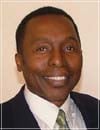
Jesse Gistand has been pastor of Grace Bible Church of Hayward for 17yrs. He is a conference speaker, lectures, and has a local radio ministry. He is dedicated to the gospel of God's Sovereign Grace, and the salvation of chosen sinners through the ministry of gospel preaching. "Christ is All." Their website may be viewed at http://www.grace-bible.com.
Broadcaster:

Comments

0 / 2000 characters
Comments are moderated before appearing.

Be the first to comment!

Joshua

Joshua

Shall we play a game? Ask me about articles, sermons, or theology from our library. I can also help you navigate the site.