Bootstrap
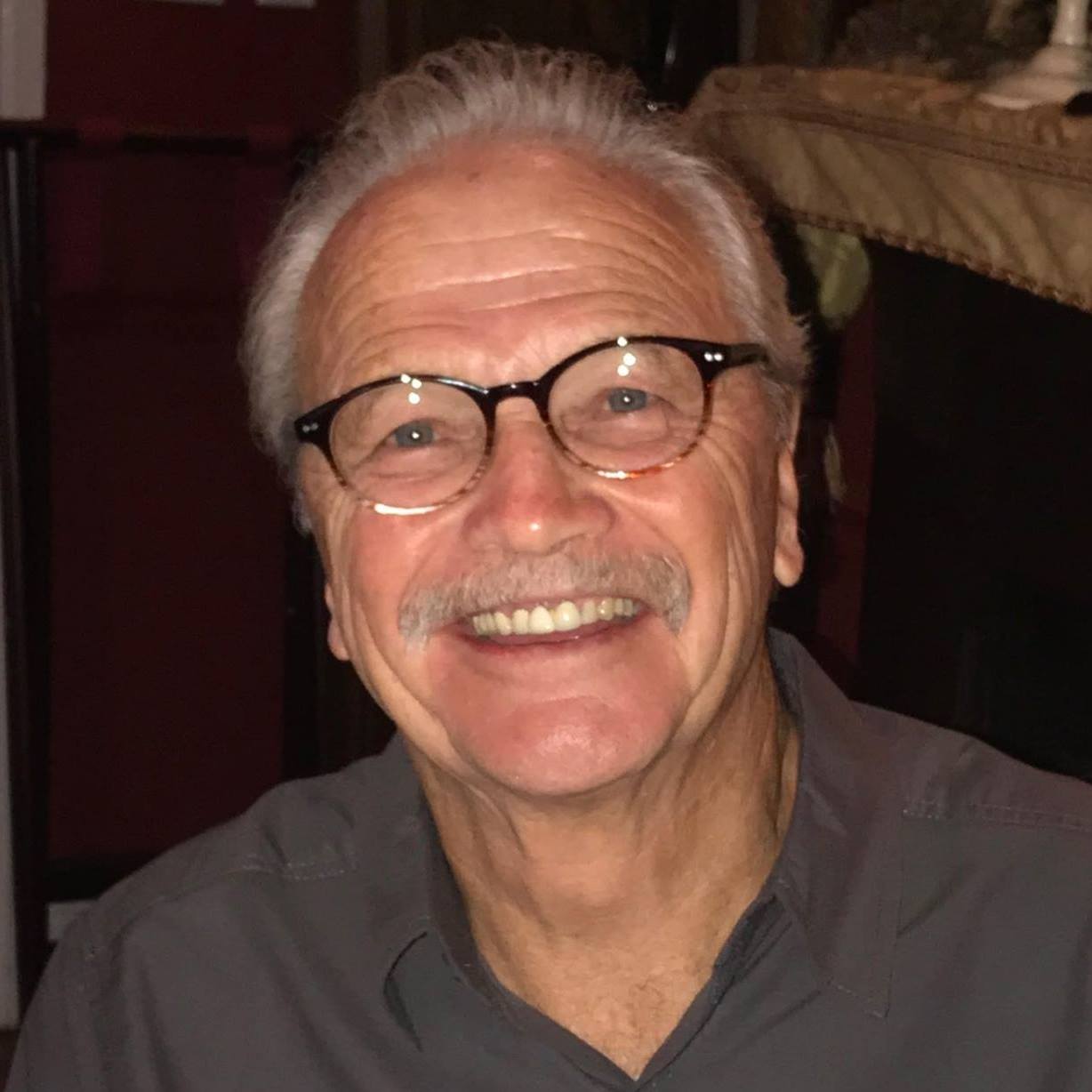
Donnie Bell

How Do We Get To God?

1 Peter 3:18
Donnie Bell December, 9 2007 Audio
0 Comments

Sermon Transcript

Auto-generated transcript • May contain errors

100%
I want to ask the question today and answer it from the Scriptures
if I can. How does a sinner get to God? How do we get to God? How does
a sinner, how does any man get to God? How do they get to God? We often
hear people say to one another, you need to get saved. People
say to one another, you need to get saved. You should get
right with the Lord. You ought to make peace with
your Maker before it's everlasting too late. Well, how does one get saved?
How do you get saved? How do you get saved? How do
you get right with the Lord? How do you get fixed up for heaven? How does someone go about making
peace with their Maker? And all these things have some
truth in them. Sinners are saved. But it's how? It's how. And there is peace
with God. But how? How is it accomplished? Multitudes upon multitudes upon
multitudes at some point in their lives have tried to get to God.
Some of you here this morning, you won't get to God or you wouldn't
be here. You're interested in God. You're interested in a relationship
with God. Some of you think you know how
to do it. You've listened to preachers,
and they've told you how to do it. And you know, so many have
tried to get to God, they've done what some preacher told
them to do. Walk the Romans' road, bow your
head, confess you're a sinner. You believe Jesus is Savior,
don't you? Yes, you do. Well, you'll save them. You believe
He's forgiven your sins. Why? He says He did. They just
keep hemming them up until they ain't got no choice but to say,
either I don't believe it or yeah, I'm okay. And they don't
last long when they do that. They don't last long. And even
now, there's more who are working their way to God. They're working
their way. Building bridges, storing up
good works, doing good deeds, volunteering for a lot of different
things. And they're working their way to God to be ultimately saved,
to be ultimately accepted into heaven. But there's one great obstacle. One great obstacle to get to
God. One great, huge, incredible obstacle. One great obstacle that's in
the way for everyone to get to God. And every man, this gospel
is in the way of every man. Every son of Adam. And you know
what it is? S-I-N. Sin. That's got to be dealt with
before anybody can come to God. And anybody can get to God. For
there will ever be a soul saved. sin, this great, huge, monstrous
obstacle that's in the way of every man, and he can't remove
it, I can't remove it, you can't remove it, how in the world then
are we going to get to God? If we have this thing called
sin, If we are what the Bible calls us, sinners, how are we
going to get to God? Look over here now. Here we've
got 1 Peter, and I'm going to read you a verse here in a minute.
I really will. But look over here in 1 John 1, verse 8, just
a moment. You know, the Scripture says
that we all, like sheep, have gone astray. Paul said in Romans chapter 3,
he says that we've proved before Jew and Gentile alike that all,
all are under sin. And 1 John 1.8 here says this,
John's right to your right with just a couple of pages. If we
say that we have no sin, that sin is not in us and sin is not
our nature, If we say that we have not sinned, that we've lived
without sin, that we do not sin, that we've overcome sin, we deceive
ourselves and the truth is not in us. You're not deceiving anybody
else but yourself. You're not deceiving God or anybody
else if God's made to be a sinner. And if we confess our sins, now
watch this, He is faithful and just to forgive our sins and
to cleanse us from all unrighteousness. Now listen to this, if we say
that we have not sinned, Have not sinned. That means it's sinned
in everything we do. I mean, that's what that means. If we say that we have not sinned,
there's not a thing that you and I can do that we've ever
done in our lives that did not have sin involved in it. We do
it in our worship. We do it in our thinking, we
do it in our actions, we do it in our thoughts, we do it by
our hands, we do it by our lips, we do it with our eyes, we do
it with our ears. We cannot do anything without
sin. And it says here that if we say
that we have not sinned, we make Him a liar, and His Word is not
in us. That's what that means right
there. Now if you think I'm wrong about that, you go find somebody
that knows. So the critical issue before
us, the critical issue before us right here today, you and
me and everybody that's listening, how can a man This man with sin,
this man who sins in what he does, how can he be just with
God? How can he be clean before God? How can he be clean that's born
of a woman? How can it be done? I read it
to you there in Psalm 8. He says, Your Lord, when I consider
thy heavens and the stars that thou hast ordained, I say, what
is man? That you even think of Him, that
He comes to your mind. Or the Son of Man, that you come
and visit Him. So how are we going to get to
God? How is this sin business going
to be dealt with? Who's going to stand in the presence
of God? If we're like I just described
us. You see, beloved, God is holy. Holy and reverend is His
name. Isaiah, when he saw the Lord
high and lifted up, he said he heard the cherubims and the cherubims
crying, Holy, holy, holy is the Lord God. That's why we call
Him thrice holy. He's the Holy Father, the Holy
Son, and the Holy Ghost. Look over in Isaiah 57. Keep
I Peter. I'm going to get to my text here
in a minute. Believe me, I will. Look in Isaiah 57. You know, the beauty of all of
God's attributes is His holiness. Now, you know, everybody talks
about God is love. God is love. God loves everybody.
But now let me tell you something. Try to put love before His wrath. Try to put love before His righteousness.
Try to put love before His holiness. Try to put love before His longsuffering. And it won't work out that way.
But you put holy in front of every one of His attributes because
that's His nature. You know, it's called the chief
of His attributes is His holiness. It's called His holy temple.
His holy angels. His holy word. The holiest of
holies. Worship the Lord in the beauty
of holiness. And look here in Isaiah 57 and
verse 15. For thus saith the High and Lofty
One," see that one there? Only one like this, capitalized. The High, Lofty One that inhabit
eternity, what's this, whose name is, what does it say? Holy. I dwell in the High and Holy
Place. And oh, listen. Thank God, he
says this also, with him also that is of a contrite and humble
spirit to revive the spirit of the humble and revive the heart
of the contrite one. Oh, so he's holy. Now, that's
his chief attribute. God's chief attribute is holiness. You know what our chief attribute
is? Sin. Sin. Our chief attribute is sin.
We're called sinners in the Scriptures. We're called wicked in the Scriptures.
We're called ungodly in the Scriptures. We're called strangers in the
Scriptures. We're called aliens in the Scriptures. Huh? God made man upright, but
he sought out many inventions. Sought out many inventions. So
who can bring us to God? Who can bring us to God? I know
beyond a doubt, I know beyond a shadow of a doubt, that there
are some things that will not bring us to God. I tell you some
things that will not bring us to God. The law won't bring us
to God. Put the Ten Commandments in your
yard, put them on your wall, Say, I'm going to work my way,
I'm going to keep the law, I'm going to love God, I'm going
to love my neighbor, I'm going to do better, I'm going to read
a sermon on the mountain. The law will not bring us to God. Romans
3.19 says, Now we know that whatsoever things the law says, and the
law, beloved, not only means the Ten Commandments, but all
of it. That we know that whatsoever
things the law saith, it saith to them that are under the law,
That every mouth may be stopped when you face God's holy law.
God's just holy law. That says it demands perfection
from the day you're born to the day you die. God said. And you
look at that. And you see how far off you fell
from that holy law. And when it comes to you, you
know what you'll do when you start talking about what you'll
do? You'll shut your mouth. Huh? And you know what else you'll
do? You'll say you're guilty. The
whole world becomes guilty before God. They didn't say they felt
guilty. It says they were guilty. You
don't have to feel guilty to be guilty. There's lots of people
that's committed acts that guilty of and never felt guilty. And
I tell you what, you're still guilty. Who says you're guilty? God says you're guilty. And,
oh beloved, now listen, the church, not only will the law not bring
us to God, the church will bring us to God. You know that blind
man that our Lord gave sight to in John chapter 9? His mother
and daddy, when they came with the Pharisees and the church
elders of the church there in Jerusalem came to them, they
were afraid they'd get excommunicated because they know that if they
didn't get to stay in the church, if they didn't get to stay among
the Pharisees, got excommunicated, there'd be no hope for them.
That's the way Catholics do. They teach if you get excommunicated,
the salvation's in the church. It's what the church says. But
the church will not bring us to God. The church, beloved,
is an individual people called out by God Himself to be saved
and sanctified and brought to Christ Himself. All these people
in this building this morning, as many of them, there's no God.
Not all of us put together. Can I bring you to God? I can't
bring you to God except take your name to Him and say, Oh
Lord, have mercy on them. Oh God, speak to them. Oh God,
open their heart. That's the only thing I can do.
Huh? Church can't make you holy. You
can join every church in the country. It will not change your
heart. It will not change your nature. The church is not an organization
or a denomination. The church is a people called
out, an assembly called out to worship God, bow to God, and
acknowledge God, and worship Him, and acknowledge Him in every
way. Judas was in the church. and
went to hell. Demas was in the church and went
to hell. Simon Magus joined the church
and was lost. Not only will not the law bring
us to God, not only will not the church bring us to God, but
good works won't bring us to God. Good works before we're
saved, and I'm telling you, good works after we're converted won't
bring us to God. It just won't do it. Cause you know why? Never be
good enough. How good does work have to be?
As good as God. Has to come from a pure motive.
Have you ever done anything out of a pure motive? Now you be
honest with yourself. Have you ever done anything out
of a pure motive? For God now. I don't think you
ever done anything for a pure motive for yourself or anybody
you know. If you had a pure motive, you'd
cheat everybody else's children just like you cheat your children. If you had a pure motive, you'd
never ever have an evil thought about anybody. If you had a pure motive, when
somebody asked you to do something, you would start trying to make
excuses in your mind how you keep from doing it. Uh-oh. Quit throwing them rocks. But that's the truth. We know
this. We know this. See, guess why
good works won't bring us to God? They that are in the flesh.
That means they that are without Christ. Those who've never been,
they that are in the flesh, cannot please God. Can't do it. For the flesh, the carnal mind
is Him that gives you strength. It fills anger against him. You
know the scripture says in Ephesians 2.8, For by grace are you saved
through faith, and that not of yourselves. Not of works, lest
any man should boast. If you ever done a work to attribute
your salvation, instead of giving God the glory, you'd take the
glory. You'd say, I did, I did, I did, I did. I did it. I've done this, I've done that,
and I've done another thing. And you know the reason why the
flesh, Adam, has been cursed? That's why we can't never do
anything of good work. We can never have a pure motive.
Let me tell you something else. I'm going to get to my verse
here in a minute. Stay with me in 1 Peter. Going to the further
church. This is something that started,
they call it old-fashioned religion. They called having an altar in
the front, and you know in the Scriptures, an altar was only
used to offer sacrifices only. Not to bring men to, to bring
bloody sacrifices to. And then after they were offered,
they took them off and put them on a brand altar and burned them
after they shed the blood. Going to the front, coming to
an altar, We'll save you. God's not down here. I just read
to you a minute ago. He said He is the high and lofty
One that inhabits where? Eternity. This earth right here
is His footstool. And He can put His feet on me
any time He wants to. I don't have any problem with
Him propping His feet up on me. In this world, in this earth.
And they say, well, if you come down here and pray the sinner's
prayer, repeat after me, what is a sinner's prayer? If a preacher
tells you to pray the sinner's prayer, what in the world is
a sinner's prayer? I never prayed a sinner's prayer
until I was converted. Now I'm still praying sinner's
prayers. Ain't you? But nobody had to
teach me how to pray. Nobody said, pray, repeat after
me. I never prayed a sinner's...
That's what they said about Paul. When Paul was over there in Ananias,
over there on the street called Strayton, in that house, the
Simon's house, he came over to Ananias and said, oh Lord, he's
a mean man, he's an evil man, he's mistreated your people.
Go over there, behold, he's praying. He'd been a praying man all of
his life, but he had never prayed until he was put down on the
Damascus Road. And no preacher will ever have to teach you how
to pray if God starts to work in your heart. If we would know how man can
come to God, and who it is that brings us
to God, we're going to have to go to the Scripture. You see,
God doesn't change. God doesn't change. He said,
I am the Lord, and I change not. Therefore, you sons of Jacob,
you're not consumed. Now look here with me in 1 Peter
3.18. 1 Peter 3.18. For Christ also hath once suffered
for sins, the just for the unjust. Now watch this. might bring us to God. Oh my! Somebody gonna bring me
to God? Gonna bring me into the presence
of holiness and righteousness and God and take me into the
presence, into the throne room of God Almighty? Being put to
death in the flesh, but quickened by the Spirit. Huh? Oh, it tells
us there how we get to God. Christ brings us. Now you see,
beloved, in the Old Testament, there were three essential things
for those who would come to God. Three things you had to have.
First, there had to be a place. And the place that God appointed
for men to come was the tabernacle. The tabernacle. You had to have
the place that God appointed. A tabernacle. Secondly, you had
to have a priest. You just couldn't walk up into
the tabernacle by yourself. A priest had to go in there for
you. And then not only did you have to have a tabernacle where
God said, and the priest had to have a sacrifice, and you
didn't offer it, the priest offered it in your place. Now you look over here and back
to your left in Hebrews chapter 9. You know the tabernacle was
15 foot wide, 45 foot long. It had an outer core. It was
30 by 30. It had a fence around it. But the Holiest of Holies
was 15 by 15. And it had a tent over it, a
badger's skin over it. And it just looked like a tent.
It had a post on it that come out here. And I mean, it just
looked like a tent. Out there in the wilderness,
nothing about it that was glorious. Nothing about it. There's no
beauty about it. Until you got inside. And once you got inside,
there was this veil. When you went behind that veil,
there was a golden ark sitting there. With two gold cherubims
up facing one another like this here. And under that gold lid
there, that mercy seat, there was the Ten Commandments, and
Moses' rod, and a pot of manna that was kept in that ark of
that covenant. And it was gold. Now only one man could go behind
that veil, and only once a year he could go there. And on the
outside, it just looked just a bunch of badger skin. A bunch
of old leather, tan leather, all sewed together, stretched
out. And the Holy Spirit hid all that. You couldn't see that
veil. You couldn't see that golden
seat. You couldn't see anything in there. And then we had the
high priest. He had this beautiful garment
and beautiful ethon that went around him. And on that ethon,
He had all this gold chains back and forth, and all these beautiful
garments. And he had on his shoulders up here, he had six stones on
this side, six stones on that side, representing the children
of Israel. And then he had twelve stones across here, representing
the children. Bow them on his shoulders, bow
them on his heart. And he had this long garment
with pomegranate bells on the bottom of it. So that when he
went into the tabernacle off of that sacrifice, they could
hear him. Hear those bells when he went
behind that, knowing that he is still alive, that God accepted
his sacrifice. And then they had to have a sacrifice.
And when he went in there with that sacrifice, that sacrifice
was first of all, foremost for God himself. That's why they
put the blood on that mercy seat, to satisfy God. to turn his wrath
away, signifying back the innocent dying for the guilty. That blood
atonement is the only thing that can wash away sins. Now look
here at Hebrews 9 and verse 6. We see all three of these things
here. Hebrews 9 and 6. Now when these things were thus
ordained, the priest who always went into the first tabernacle.
That's just the holy place, that place I told you about, accomplishing
the service of God. But into the second, behind that
bell, the holiest of holies, with the high priest alone. First of all, there you had a
tabernacle. Remember that? I told you, always in the first
tabernacle. But in the second, with the high
priest, there's that high priest. We've got a tabernacle and a
high priest. Alone, once every year, but he didn't go in there
without blood. Which he offered for himself and for the sins
of the people. Now watch this. Oh my, there
we got him. There we got him. We got a priest,
we got a tabernacle, we got a sacrifice. Now look down in verse 11. But
Christ. You know who Christ was? He is
the tabernacle of God. Christ, there's no beauty about
Him that we should desire. All glorious within. And when
men saw Him, they did not see the glory and power. And He was
the Word made flesh and sent to dwell among us. The tabernacle
of God was among men. And this is where God says, Come
and meet Me here. Not only that, but He's a high
priest of good things to come. A greater
and more perfect tabernacle. was not made with hands. And
watch this, neither by the blood of goats and calves, but by His
own blood. There's our sacrifice. We've
got the tabernacle of Christ. We've got the blood, the sacrifice,
and we've got our high priest. And that high priest went into
the holy place. Watch! What with? With his own blood. What did
he get for us there? Eternal redemption. They just got redemption from
one year to the next. When he took his blood behind
that veil, he got eternal redemption for his people. And oh beloved, he's our sacrifice. Christ our Passover was sacrificed
for us. God, Christ gave Himself a sweet-smelling
savor unto God as a sacrifice for our sin. And oh, beloved,
let's go through this verse here in 1 Peter 3.18. Let's just go
through this a minute and deal with this and show you how we
get to God. I told you I was going to try
to answer this from the Scripture. Christ, we've got to have a tabernacle.
Christ is our tabernacle. Gotta have a priest. Christ is
our high priest. Great high priest is passed into
the heavens. Jesus, the Son of God. This old
fact is our perfection of faith. He is our sacrifice. Christ our
Passover sacrifice for us. And look what it says now here
in 1 Peter 3.18. For Christ. For Christ. Oh my. What are we talking about? Who is He? He's God manifest
in the flesh. God sent His Son, made of a woman,
made under the law. He was one who was promised.
Christ was promised in the garden before God ever expelled Adam
and Eve from the garden. I want you to look at John's
Gospel, Chapter 4, just a moment. Keep 1 Peter. Look in John, Chapter
4. You know, thou shalt call his
name Wonderful Counselor, the Mighty God, the Everlasting Father,
and the Prince of Peace." Oh my, for Christ, this is who
was offered a sacrifice, perhaps. For Christ, Who's going to bring
us to God? He's our tabernacle. He's our
high priest. He's our shepherd. For Christ,
He is God. For Christ, He is the Word made
manifest. For Christ, He was the One who
was born of a virgin. For Christ, He was the One that
was promised from all eternity. For Christ, He was the One who
the prophets prophesied of. They were looking for Him. And
yet, they missed Him. Look here. He's with the woman
at the well. Here in John chapter 4 and verse
25. The woman saith unto him, I know
that Messiah cometh, which is called Christ. Christ signifies
his office. He came to accomplish a work.
Christ means a work he came to do. An office he fulfilled, anointed
for an office. We're going to vote for a president
soon, in less than a year, about a year. And somebody will assume
an office. Christ did not assume this office
as a savior and as a sacrifice and as a tabernacle and as high
priest. He wasn't voted in office. He
didn't assume it by his own power or his own will. God sent him
and promised him and prophesied that he would come. And that's
why that woman said, we know. That when the Messiah, which
is called Christ, cometh, when He has come, when He gets here,
He's going to tell us everything. What's this now? Our Lord said
unto her, I that speak unto thee, am. Just leave the E out of there. I am. I that speak unto thee,
am. That's me. That's me. For Christ. For Christ. Now let's go back over in our
text. We're going to get to God now. For Christ also hath once. Once. You know, I noticed this
this morning. I never had noticed it before.
But you go through the book of Hebrews and look at things. Everything
that Christ did, it says He done it once. He entered once into
the holy place. He offered Himself as a sacrifice
for sin once. That's all it takes if you've
got the right sacrifice, if you're the right person. Oh my, one
life Christ has once. He's one offering. I don't want
to wear you out, but look again at Hebrews 9.24. I love looking
at these scriptures. I could quote them to you, but
you need to look them. You need to familiarize yourself with
your Bible. You know, hath once, Christ hath
once, one life, one offering, that's all it takes. You know,
those high priests, it says here in Hebrews 9.24, Hebrews 9.24,
for Christ is not entered into the holy places made with hands
like they had in the tabernacle. Well, they're just types or figures
of the true tabernacle, true holy places. The true holy places
is in God's presence. But in the heaven itself, now
to appear in the presence of God for us. Appear in the presence
of God for us? Now watch this. Nor yet often
that he should offer himself often. He's entered in there
once. He don't have to offer Himself
often as that high priest entered into the holy place every year
with the blood of others. They went in there over and over
and over. They've done that for centuries
and centuries and centuries, year after year after year. And every sacrifice they offer,
never put away, not one sin. He don't have to offer Himself
often as those high priests. entered in with the blood of
others, but for them must he have often suffered since the
foundation of the world." He'd have to be offered over and over
and over again. But now watch this. But now what?
In the end of the world, has he appeared, what it says, to
put away sin by the sacrifice of himself. What? Christ has
what? Look down in verse chapter 10
just a moment. See, we don't have to return
every year. That's why, you know, when they have these revivals
and they get everybody renewed up and get them to repent and
get them to accept the Lord again, get them all stirred up and get
them to rededicate their lives and all that. We don't have to
do that. We don't have to keep coming
back. We don't have to keep coming back every year and renewing
everything, getting everything done all over again. It was done
once and for all! For the law, it said Hebrews
10.1, for the law. Having a shadow of good things
to come. What that means is that all those sacrifices, the priesthood,
the tabernacle, they were shadows. Had no substance to them. A shadow
don't have any substance to it. That's why you have to follow
it in the summertime. Do you know when it's there?
You've got to move with it. It don't have no substance. For the law having a shadow of
good things to come and not the very image. A shadow don't have
no image. An image casts a shadow. Christ
is the image. God is the image of the things
which can never, with those sacrifices offered year by year, continue
to make the covers thereunto. Just offer them over and over.
It never makes you perfect. Because if they had made them
perfect, would they not have ceased to be offered? Because
if the worshippers weren't purged, they would have no more conscience
of sins. If that blood and those offerings and those shatters
could have took away sin, your conscience would have been purged.
But here's what happens in those sacrifices, and this is why works
religion does not work. For in those sacrifices, there
is a remembrance again made of sin every year. That's why work
religion does not give. Never leaves a man satisfied.
Never purges his conscience. He's always got to do more. Now
back over in our chapter. Christ can never be offered again.
That's why you can't backslide and get lost again. If you got
lost again and you became... That means that Christ would
have to be offered again in order to save you again. And that's
not going to happen. He had, Christ hath once, watch
this now, suffered. Suffered. Suffered? Oh, our Lord Jesus
Christ suffered in his life. He was suffered in his birth.
He was born in a cow stable, a mule stable, a donkey stable. Laid in the danger. Suffered
all of his life in poverty. Suffered the hatred of men whom
he never hurt. Hated and despised and rejected
of men. Called a devil. Called a winebigger. Called a gluttonous man. Called a beaslebub. Called a
false prophet. Called a blasphemer. suffered in his life, and he
especially suffered in his death. Oh, why did he suffer in his
death? He suffered the unmitigated wrath of God. He suffered the
justice of God poured out on him, beloved, with no mercy mingled
with it at all. That's why he says in Saul in
Lamentations 1.12, Is it nothing to you who pass by? Did my sorrows above all sorrows
were with the fierceness of the wrath of God has been poured
out on me? Has anybody got a sorrow like
my sorrow? He suffered. He suffered. We esteem him stricken, spitting
of God and afflicted. He suffered. Oh my how he suffered. That's why our suffering has
no virtue in it. People seem to think that there's
virtue in suffering. There's no virtue. We suffer
because of sin. We suffer because we're under
the curse. And then the doctor tells you
you've got cancer. That just goes with being a human
being. It's not because you don't have
virtue in it or God's going to purge you from your sin so you
suffer. Christ wants suffering. There's no virtue in suffering.
I tell you, there's a whole lot of sin and grumbling and complaining
and whining about suffering. There'd be an awful lot of sin
committed in that. What's this now? Not only did
he suffer, but look what he suffered for. For sins. I told you we
had this great obstacle. Sin. Sins. Well, that's what
he suffered for. How could he suffer for sins?
He didn't have any. He didn't have any sins. How
could he suffer for sins? Oh, Isaiah 53 says, he was stricken,
smitten of God. The Lord laid on him the iniquity. of us all. Who's us all? The
same us here that he suffers for? Huh? Oh my! And chastisement of our peace
was upon him. He is bruised for our iniquities,
wounded for our transgressions. And how could he suffer for sins
he had done? I'll tell you how he suffered
for sins. He suffered as our substitute. As somebody in our
place, in our room, and in our stands. Now, I got thinking about
this the other day. We choose our own substitutes,
most likely. If you're a school teacher and
you want a substitute, you know, and you've got to be out, you'll
call somebody and say, I need you to go work in my place tomorrow. And I'm going to be gone. I call
a preacher and ask the preacher to come and take my place. I
get to pick the person who's going to come and be in my stand.
But I didn't get to pick this substitute. I have nothing to
do with this substitute. This is a substitute that God
picked. Huh? God picked it. God made Him our substitute. Huh? 2 Corinthians chapter 5. 2 Corinthians 5, verse 21. Oh my, He suffered as our substitute. God made Him our substitute.
And Christ Himself made Himself our substitute. That means He
took our place when God called for our sins to be answered for
and paid for. Christ stood and said, I'll answer
for them. I'll pay for them. God said He would make Christ's
soul an offering for sin. It pleased the Lord to bruise
Him. 2 Corinthians 5.21 For He, God, made Him, Christ, to be sin for
us, the sinner, who knew no sin, I mean knew no sin, that we might
be made the righteousness of God in Him. He became what we
were, sinners, that we might become what He is, righteous.
He suffered what we deserve, death, so we can get what He
deserves, life. He became a sinner that we could
become righteous. He died that we could have life. He was separated from God so
that He might bring us near to God. Huh? Oh my, that's the gospel. That's the heart of the gospel.
Christ bearing sin. Christ hath once suffered for
sins. And what's this? And that's where
substitution comes in. The next line says, the just
for the unjust. He was the just one. We were
unjust. But He took the unjust place. And He was considered unjust.
And now those who believe in the Lord Jesus Christ, God considers
them just now. The just one for the unjust.
This is how we become just. Justified in God's sight. Accepted
of God. Received of God. Heard of God.
Come into God's presence. And how did He do this? He done
this willingly. He done this voluntarily. Father,
smite me, not them. Make me unjust. And regard me
and treat me as unjust. And when they come to me and
receive me and believe me, Treat them like you treat me, justly. And oh, here's the key right
here. That he might bring us to God. See, he was put to death
in the flesh, raised again by the Spirit. So he ever lives
for us now. He died for us. And he done this
that he might bring us to God. John 14, 6 says it, I'm the way,
I'm the truth, and I'm the life. No man, no man cometh unto the
Father but by me. By me. By me. He is the good shepherd that
laid down his life for the sheep. And he says no man can come unto
me except the Father which hath sent me draw him. And everyone
that hath heard, heard what? That Christ hath also once suffered
for sins, the just for the unjust, being put to death in the flesh,
but quickened by the Spirit, he that hears this, everyone
that hath heard of the Father, and hath learned of the Father,
what does he do? He comes to me. Oh, he's sick in his sheep. And
one of these days, he's coming back again. And let me tell you
something about this in closing. God, God the Father, this is
why He brings us to God. He's going to bring many sons
to glory. When that high priest went behind the veil, He took
all of Israel in there with Him. On His shoulders and on His feet.
And Christ, when He entered in there with His own blood, He
took all of His people in there with Him. And when He came back
out, He came back out with redemption for all of them. And God saw
the travail, the burden of His soul, and Christ saw the travail
and the burden of His soul and died, and He said, I'm satisfied. And that's enough. I'm satisfied
too, ain't you? I'm satisfied with this glorious
salvation. Oh, gracious, eternal God, thank
you again for the gospel. Thank you for the truth as it
is in Christ. Lord, I do so, and I know that
every believer here, I do so, wants to honor you, magnify you,
and attribute everything to you. You get all the glory, for you
did all the work. You get all the glory, you did
all the saving. You get all the glory, you do
all the preserving. You get all the glory for You'll
carry us. You'll carry us to glory. You
brought us to God. We didn't come by our free will. We didn't come by our decision.
We didn't come by our works. You brought us. And You brought
us through the sacrifice of Yourself, through bearing our sins, by bringing us into the presence
of God, a holy, sanctified, righteous people, made so by You. Thank
You, Lord Jesus. Blessed be Your name. Amen.
Donnie Bell
About Donnie Bell
Donnie Bell is the current pastor of Lantana Grace Church in Crossville, TN.
Broadcaster:

Comments

0 / 2000 characters
Comments are moderated before appearing.

Be the first to comment!

Joshua

Joshua

Shall we play a game? Ask me about articles, sermons, or theology from our library. I can also help you navigate the site.