Bootstrap
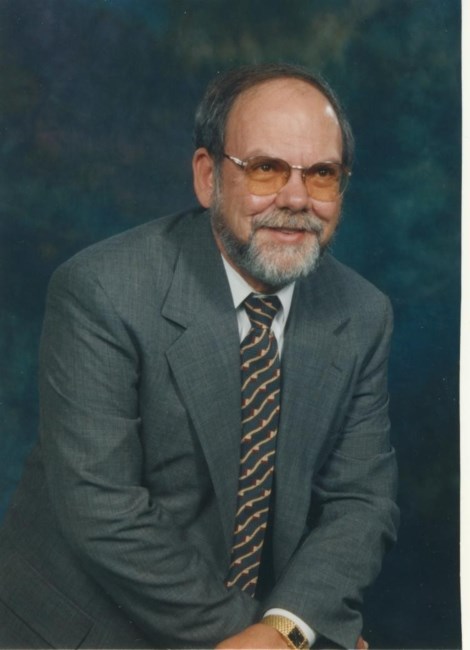
Tommy Robbins

Nothng But Leaves

Mark 11:12-14
Tommy Robbins December, 10 2006 Audio
0 Comments
Mark 11:12 And on the morrow, when they were come from Bethany, he was hungry: 13 And seeing a fig tree afar off having leaves, he came, if haply he might find any thing thereon: and when he came to it, he found nothing but leaves; for the time of figs was not yet. 14 And Jesus answered and said unto it, No man eat fruit of thee hereafter for ever. And his disciples heard it.

Sermon Transcript

Auto-generated transcript • May contain errors

100%
Turn with me to Mark chapter
11, the passage we read earlier. Mark chapter 11, we look at the
first three verses that are read, 12, 13, and 14. This is concerning
the fig tree that our Lord cursed. I've been looking at this passage
for a long time, and really literally what we see here is Our Lord
communicating, talking to a tree. That's actually what happened. He spoke to this tree. His disciples
saw him speak to it. They heard him speak to it. And
evidently they weren't too concerned. I think if I saw someone standing,
talking to a tree, I'd say, hey, something wrong with this fellow.
But they knew the Lord Jesus Christ. They'd been with Him
many times and they'd seen Him do many things that ordinary
man would not do. They'd seen Him perform miracles. This was not one of the first
miracles He had performed. As a matter of fact, I don't
know exactly which miracle this is as far as in numbers that
He had performed, but this was a miracle. And as we know that
a miracle is only performed when there's nothing left to do. And the Lord Jesus Christ had
been in Bethany the night before. And of course that's where Mary
and Martha and Lazarus lived, whom he loved. But I don't believe
he was at their house. Because their text says he was
hungry. He was hungry that morning. And
knowing that their love for him and his love for them, if he'd
been there, they'd probably have fixed him breakfast before he
left. And this is my opinion, that
he has spent, as often as he did, the night in prayer and
talking to his father. But on this morning, They were
en route and he was hungry. And we'll read these three verses
again and I pray that God would help us to see some spiritual
truths that are revealed in these verses of scripture. And on the
morrow, that's the next morning when they left Bethany, him and
the twelve, when they would come from Bethany he was hungry. And
seeing a fig tree afar off having leaves, he came, if haply he
might find anything thereon. And when he came to it, he found
nothing but leaves, for the time of figs was not yet. And Jesus
answered and said to it, No man eat fruit of thee hereafter forever. And his disciples heard it. And
if you look on over in verse 20, this is a day that passed
and this is the next morning. As they passed by they saw the
fig tree dried up from the roots. And Peter calling to remembrance
said unto him, Master, behold the fig tree which thou cursed
is withered away. And Jesus answered and said unto
them, Have faith in God. What we see here is Four things
that I see. I know there's more. But like
I said at the outset, we see the Lord Jesus Christ speaking
to this fig tree. This is what literally happened.
They heard it in the verses that we read later. They saw it withered
from the roots up. And when they saw it, they mentioned
it to the Lord. And he said, have faith in God.
But this is what literally happened. One of the things that, another
thing we see here is this, is a prophecy concerning the destruction
of Jerusalem, and Jerusalem's coming to its demise, and Israel
coming to its demise. Third thing we see is a spiritual
picture of the condemnation and destruction of all self-righteousness
and self-glory of men. This is how God takes care of
those that don't honor His Son. They wither from the roots up.
They die under a curse. The fourth thing we see is in
verse 22, a word of hope for God's people. Have faith in me,
he said. Have faith in me. In these verses,
I want us to look at the spiritual interpretation and application
of this. In these verses, we see the humanity of the Lord
Jesus Christ. He is God, but He's man. He's God, but He's perfect humanity. He said, if you've seen me, you've
seen the Father. He said, I am the Father alone. He said, I'm
God. That's who I am. And he also said, there John
did of him, in John chapter 1, in the beginning was the Word,
the Word was with God, the Word was God. In verse 14, the Word
was made flesh, and dwelled among us, and we beheld His glory.
This is speaking of the Lord Jesus Christ. He is God in the
flesh. We see His humanity in this.
He was hungry. We see His authority. The Lord
Jesus Christ is one of authority. And what I mean by that and what
the scriptures teach concerning Him, what He says goes. What He says will be accomplished. Who He commands And what He commands
will be obeyed. He speaks with authority. And another thing we see here
concerning our Lord in this passage of Scripture is His sovereignty. His sovereignty. He rules over
everything, even trees. He rules over men. He rules over
angels. He rules in heaven. He rules
in hell. He rules in all places. He is
your sovereign, whether you know it or not. He rules over you. He rules over
me. He is the sovereign. Another
thing we see in these verses is the depravity or the sinfulness
of men. We see by this fig tree, which
is a picture of the sinful self-righteousness of men, we see that he has leaves,
but no fruit. And it's typical of the fig tree,
especially, there's different varieties, but in that part of
the country, at that time, this typical fig tree would normally
cut forth its fruit before the leaves. And when the Lord Jesus
Christ saw the leaves, it would be supposed that it had fruit.
because the fruit come first. But it had no fruit. It only
had leaves. And the first time the fig tree
is mentioned in the scriptures is in Genesis, I believe, chapter
3 and verse 7. And that's when Adam and Eve
sewed fig leaves together and made themselves aprons to cover
their nakedness. And this is a type of self-righteousness. Both instances And according
to the law of first things, we see in Genesis, the first thing
concerning the fig tree was that it was to cover man's sin, which
it did not. But that was what it was implied
to do, and what they wanted it to do, and what they made those
acorns for was to cover themselves before God. And this fig tree
that the Lord Jesus Christ saw, It had leaves but no fruit. It
put a first show. It had a first show. It looked
good. It was beautiful. But it had no fruit. It had no reason to live. It had no reason
to come to the ground. This fig tree typifies and shows
us man's condition before God. Man before God is a sinner. He is a self-righteous sinner. He imagines himself to be good
and acceptable and someone that God would accept. But not so. We see this in this picture here. The Lord Jesus Christ cursed
the fig tree. He cursed it. He saw it far off. He saw it having no leaves. He
saw it having leaves. But when he came to it, there
was no fruit. And he cursed it. A supposed righteousness. Let
me show you what a supposed righteousness is according to him. Turn to
Matthew 23. Matthew 23 verse 27. Woe unto
you scribes and Pharisees, hypocrites, for you are like undivided separatists,
which indeed appear beautiful outward, but are within full
of dead men's bones, and of all uncleanness. Even so ye also
outwardly appear righteous unto men, but within ye are full of
hypocrisy and iniquity. Woe to you, scribes and Pharisees,
hypocrites, because ye build the tombs of the prophets, and
garnish the sepulchres of the righteous. And say, if we had
been in the days of our fathers, we would not have been partakers
with them that bled the prophets. Wherefore ye be witnesses unto
yourselves, there are the children of them which kill the prophets.
Fill ye up in the measure of your fathers, ye serpents, ye
generation of fighters. How can ye escape the damnation
of hell?" You see, this is God's curse upon those that are righteous
within themselves and do not have the righteousness of the
Lord Jesus Christ. I want to speak plainly this
morning, understandably. All those that appear before
God in their own righteousness will be as this fig tree. And
even now are as this fig tree. Cursed and don't know it. That
fig tree stood there for a long time. It took root, it grew,
it had beautiful leaves. It appeared to others as being
a beautiful, a beautiful specimen among the rest because the Lord
Jesus Christ saw it afar off. It stood out from all the others
evidently because of its beauty, because of its leaves. The leaves
of the fig tree, the particular fig tree were broad and wide
and beautiful and at this time of year evidently it flourished. And men may appear to be righteous. Men may appear to be holy. Men may appear to be in the good
graces of God and not be. You see, that's a troubling thing.
And that's a question I want us to ask ourselves, you and
me. Do I have the righteousness of
Christ? Or am I somehow wrapped up in my own deceit, in my own
imagination, and just think, just assume and presume that
I have this righteousness which God will accept? When the Lord Jesus Christ looks
at me, when God looks at me, what does He see? Does He see
fig leaves? Or does He see fruit? The Lord Jesus Christ came into
this world. He assumed, and what I mean by
assumed, He took upon Himself flesh. He did not have a phony self-righteousness,
like we do. The Lord Jesus Christ was clothed
with righteousness. He glowed with righteousness.
He was righteousness, the epitome of righteousness. He was perfect. In His human nature, in this
flesh that we see here, He was hungry. And he was living and walking
among sinful men. And he said, here's a lesson
I want to teach you. And the most amazing thing is
the ability of our Lord Jesus Christ to take the insignificant
things and make them so significant. His disciples heard him speak
to that tree. The scripture says they heard
him, and then the next day as they passed by the tree, they
saw it withered from the roots up. And they saw it. They heard him say, you'll never
bear fruit anymore. Or rather he said, you'll never
bear fruit. He didn't say anymore, he said, you'll never bear fruit.
And when they walked back by it, they saw it dried up from
the roots up. Evidently it was a horrible sight. Normally if
the trees dried up, you can just see the leaves dried up, but
they saw it dried up, the roofs were dried up. The roofs were
shriveled up, the bark was probably falling from the tree, and the
leaves were dried and falling down on the ground. It was in
a horrible state. And before when they saw it,
it was beautiful. Beautiful green leaves. Something to behold,
something to look at. The Lord Jesus Christ When He
came into this world and walked among sinful men such as this
tree that appeared to be what they weren't, He walked among
men that didn't understand Him, that didn't know Him, that didn't
believe Him, that didn't care for Him. And those that never would. There's
those that never would. There's probably some here that
never will. I know this is a small congregation
but there are probably some here that don't and maybe never will care for the Lord Jesus Christ
and come to but pretend that they do make a pretense the Lord
Jesus Christ came into this world he came to do something and he
did it You know what he came to do?
He came to save sinners. He came to save sinners. He came to seek and save that
which is lost. He didn't come to call the righteous,
but sinners to repentance. He came to save those that needed
Him. He came to save those that didn't
have any way to save themselves. He came to save those whom He
loved. He came to save His people. Are
you a sinner? Or are you just righteous within
yourself? You know, it's a sad, sad thing
to consider That folks will live all of their lives, some will,
in this world. Some may be hearing the gospel,
week after week, Sunday after Sunday. Live their whole life, and face
the Lord Jesus Christ, and He's going to say to them what He
did to this fig tree, you're cursed. In Matthew chapter 7,
he said there are many who will come to him, stand before him,
and say, have we not done many wonderful works in your name?
We sit on the pew every Sunday morning. We put our tithes in
the offering. We pray. We've done many wonderful
works. We've helped, we've given, we've
done, we've labored. And He's going to say, depart
from me, ye that work iniquities, for I never knew you. I never
knew you. Dream on. Folks, I'm telling you, there's
nothing more serious. I know our jobs are serious,
our family, our relationships. I know we put a lot in that.
But there's nothing more serious than this business of the gospel
and our relationship with God. Nothing. Every relationship is
going to cease. Someday you'll get too old to
work. Someday that nest egg in that
account, savings account, it's all going to be gone. And we're going to face Christ. And we're going to face Him one
of two ways. We're going to face Him clothed in His righteousness,
or we're going to face Him naked with nothing, trusting in our
own selves. And I'll tell you something else,
and you know this, we don't think about it much, but it's not going
to be long before that's going to happen. It's not going to be very long
before we face it. The Lord Jesus Christ is going to come back. And He's going to say, enter
in or depart. This big tree is typical of the
self-righteous that do not trust in God. It's beautiful. It's a beautiful
thing to look upon. Put on a charade. But that's all going to end.
There's nothing going to save you or me except the sovereign
grace of God. Don't trust in yourself. Don't
trust in your religious heritage. Don't trust in what you know
or what you don't know. Really. Don't trust in what you
believe or what you don't believe. The gospel shuts us up to Christ.
What these disciples saw here was a sovereign act of the Lord
Jesus Christ. And the salvation of sinners
is a sovereign act of the Lord Jesus Christ. I don't know if
God will save you or not. I hear preachers all the time,
I'm used to hear them, I don't listen to them anymore. But I
usually hear them guarantee that God will save you if you will
do certain things. You heard that. I was raised
in that garbage. You know, if you'll come to the
altar and if you'll pray and you'll be baptized and you'll
join a church, you'll do this and that and do the best you
can, I'll guarantee you'll go to heaven. I don't know if God will save
you or not. He may do you like this for victory. He may leave
you in darkness and blindness and never touch your heart. He's
God. You see, the gospel shuts up
to him. The Lord Jesus Christ could have walked by that tree,
and you know what he could have said? The fig tree hath fruit.
Couldn't he? He had the authority. He's
sovereign. We see this in the scriptures. And as a man, he
did that. The Lord Jesus Christ raised
the dead. He gave sight to the blind. He healed the lame. All these
are spiritual pictures. And he could have walked up to
this fig tree and said, fig tree have fruit. And it would have
had beautiful fruit. But he walked up to it and it
only had leaves. And he said, you're cursed. And it withered
from the roots up. And there's men And women, this
very hour, that's withered from the roots up. And we can't see
it like they saw that fig tree. But someday, it'll all be exposed. True faith or false faith, it'll
all be exposed. What I'm saying is this. Flee
to the Lord Jesus Christ. He may have mercy. Call upon Him while He's near,
He may save you. We all serve righteousness by
nature, but that's got to go. That's got to go. Our righteousness must be His
righteousness, not ours. This fig tree was conspicuous.
It was easy to be seen. And oh, we look at ourselves
and look at others, and I'll say this collectively, we look at ourselves, we look
at others, and oh, it's easy to see the good as well as the
bad. And we'll love the good, and
we'll condemn the bad in ourselves as well as others. And we'll put our confidence
in the good, and we'll despise that which is bad. But let me
remind you folks, this is only what we see. This is only what we see. Man
looks on the outward appearance, God looks on the heart. And I'm not saying to despise
the good and applaud the bad, but what I'm saying is this,
things are not always as they appear to be. And may God give us grace to
look at our hearts and see how things really are. May God give
us grace to look at Him and see how things really are. And it'll
only be when we have a view of Him that we see how we really
are. And when we see how He is and
who He is, then we'll say, as Isaiah the prophet did, woe is
me. I am not good at all. Isaiah
said, I'm undone. I'm a man of unclean lips and
dwell in the midst of a people of unclean lips. Man's righteousness
just will not do. That's what I'm saying. The best
you can do is not good enough. A lady told me once, she said,
well, I believe if I do the best I can, God will make up for the
rest. You do the best you can and God
will cut you in half for it. That's exactly what's going to
happen. Because the best you can do is in competition with
the righteousness of Christ. And God's not going to have that. That's simple. The Lord Jesus
Christ did the best He could do. And that was perfect. No
one could do better than Him. That was perfect. He came into
the world and lived perfectly. He lived perfectly. 33 and a
half years as a man in the flesh, he lived perfectly. For a reason. He was already perfect. He didn't
need anything. God didn't need anything. We
did. He lived in this world, became
flesh, became humanity. Perfect humanity for a purpose,
for a reason. And that reason was that we needed
something. We need His righteousness. I
must have His righteousness or perish. And He has the authority
and the sovereign power to give it to whom He will. And I'm saying,
Lord, don't leave me wanting. I want Your righteousness. Seek
ye that same kingdom of God and His righteousness. And God help
me to seek His righteousness He wrought a righteousness, a
perfect righteousness for His people. And I must have that
righteousness to be accepted before God. If not, cursed. Thirty-three and a half years
our Lord walked this earth. He suffered. Everything was an adversity to
Him because He was perfect and the world around Him was imperfect.
Everything in it was imperfect. The crown they put on his head
was full of thorns. The robe they put on was mockery.
The sword they pierced through his side was because of false
accusations. The stripes on his back, he was
not guilty of any sin. Those that spit in his face and
throwed human dung in his face, they were his creation. But they
hated Him. Why did He do this? Think with
me. Why did He do this? He needed
nothing. He was God. He was perfect humanity. Yet He subjected Himself to all
of these things. Why? To work out a perfect righteousness
for me. For sinners. For me. If by his stripes I'm healed,
by his stripes, the stripes laid on him that I'm healed. He was
brewed, he was brewed for my iniquity. That is the reason,
he for me. No wonder when he looked at this
fig tree and he saw its leaves and he saw its Compare it to
a man. That's what we see. A self-righteous
man. He saw this fig tree standing there in all of its glory, but
it had no fruit. He went up to it and there was
nothing on it. And when he looks at man, there's
nothing. Nothing. As a hymn writer said, in my
hands no price I bring, simply and only to Christ I cling. Not to my work through righteousness,
which I have none. Not to my preaching, my praying,
my devotions, my giving, my charity, nothing, nothing Lord, nothing. I don't have anything. I am nothing. Oh, if the Lord would ever bring
us to that, to nothing. To nothing. Nothing. Oh, if He would put this in our hearts, that
we could see what we are by nature. This fig tree was visible. It was compelling. It was stately.
But in truth, it was nothing. There was nothing to it. Nothing to it at all. And in Proverbs, turn to Proverbs
chapter 1. Proverbs chapter 1 and verse
20 This is a gospel message going
out and Christ being preached and the truth of God being declared and men not giving heed to it
and yet trusting in their own righteousness Wisdom cries out. Christ cries out. The gospel
cries out. She utters her voice in the streets.
Look to Him. That's what the gospel says.
Look to Christ. Don't trust in yourself. She
cries in the chief place of concourse and opens the gate. In the city
she utters the words saying, How long ye simple ones, will
ye love simplicity? And the scorners delight in scorning
and fools hate knowledge. Turn ye at my reproof. Behold,
I will pour out my Spirit into you. I will make known my words
unto you. That's what the gospel does.
The gospel makes God's words known. You hear it. You hear
it, you think about it, you consider it. And then you count it as
nothing. You're saying in essence, My
righteousness, my goodness, who I am is good enough and I don't
need yours. That's what men are saying to
him. How long will you hate knowledge? He said, because I have called
and you refused. I have stretched out my hand
and no man regarded. Think of this. Think of the...
And I don't know how to explain this. He said, I've stretched
out my hand and no man regarded. The Lord Jesus Christ by the
mere preaching of the word, sets man so accountable. Does it not? So accountable,
the preaching of the gospel. I know God must make it effective
to the heart, but the preaching of it, you hearing the gospel,
the word of God, you're accountable. He said you heard, and your response
was you refused. You've heard and you've scorned.
You've heard and you've turned a deaf ear to it. He said, I've called you refused.
You have said it not by my counsel with none of my reproof. He said,
I will laugh at your calamity, and I'll mock when your fear
cometh. When your fear cometh as desolation, your destruction
cometh as a whirlwind. When distress and anguish cometh
upon you, then shall they call on me. And I will not answer. They shall seek me early, but
they shall not find me. For they that hated knowledge
did not choose the fear of the Lord. They were none of my counsel. They despised all my reproof.
Therefore shall they either prove their own way and be filled with
their own devices. For the turning away of the simple shall slay
them, the prosperity of fools shall destroy them. But whoso
hearkeneth to me shall dwell safely. And shall be quiet for
fear of evil. You know what you can do? You
can listen. We can listen. Eden has ears
to hear. Let him hear. You know what a
blessing it is. I don't think I really comprehend
this like I should and maybe you don't either. But do we realize
what a blessing it is just to hear with these ears, with these
ears, the gospel? What a blessing it is just to
hear. And then to hear with faith,
to be able to embrace and to lay hold on the truths of God,
the Lord Jesus Christ. That's a blessing beyond measure. But there's those that say, I
hear, but they don't. There's those that say that I
believe, but they don't. There's those that say I'm good
enough, but they're not. And then there's those that say, no, I'm unworthy. I'm all unrighteousness. Without
you I'm not anything. The Lord clothed me, filled me, feed me. Because without you I'm absolutely
nothing. This tree was unchanging until
the Lord destroyed it. Did you ever notice how adamant The self-righteousness is. How hard the self-righteousness
is. It cannot be penetrated. It cannot
be deterred. It can't be altered. There's
no way you talk anyone out of their self-righteousness. They've
got it. They've got it in them. They've
got it on them. They've got it all over them. And there's nothing
that anybody can do about it. And we can't even do anything
about it ourselves, in ourselves. And we know this right well because
that's one of the first things that God put his finger on and
showed us. He did not. It showed us that
we wasn't righteous, that he was. But it takes an act of sovereign
grace to make a man give up himself righteous. Someone said, One
time it's not our gross sin like murder and lying and thievery
that's so hard to repent of, but it's our goodness. It's our
goodness. And once we see how rotten and
filthy our goodness is, it'll stink. And it gets worse. It gets worse. You know, I just
want to be honest. I want to be honest. That's one
of my hardest things to deal with, is my goodness and my self-righteousness. It's one of the hardest things
that I have to deal with. And I don't know if it is yours
or not, but boy, it is with me. And I think the reason that is
is because it's so much a part of us by nature. So much a part
of us by nature. But oh, I tell you, the Lord
Jesus Christ, He has the authority and He has the sovereign ability
to conquer that self-righteousness. But it's unchanging until the
Lord destroys it. It's unchanging. You're not going to change. The
Ethiopian Can he change the color of his skin? Can a black man
change the color of his skin? No. Can the leper change his
spots? No, he can shave his hair off.
He's plain a black man. See, the leper's still a leper.
The black man's still a black man. And a self-righteous man's
still a self-righteous man. And he ain't gonna change until
God changes him. And we might as well quit trying
to change, folks. You know, I spent half my life
trying to change myself and change other people. And it just don't
work. It takes God to change a heart.
It takes God to change a man that hates him and makes him
love him. It takes God and the grace of
God to change a man from his rags of self-righteousness to
the beautiful white garments of God's salvation in Christ.
It takes the act of God's sovereign grace. Because man is unchanging. These disciples, they heard what
the Lord Jesus Christ said. But it didn't seem to affect
them. And I think there's a point to be made here. Now what you
hear this morning may not affect you. You may think about it some
while you're listening to me. And then forget it before you
get out the door. But what really stood out to
me concerning this point is the next day, when I went back by
and I saw that tree withered from the roots up, it come to Peter's remembrance.
And he said, Lord, do you remember that tree you cursed? Look at
it. Look at it. And the Lord said, have faith
in God. There is salvation for sinners. God does save self-righteous
folks. You know that? This seemed like
a pretty dire doom message when I began this. But He does save
some self-righteous folks. But they're not self-righteous
anymore. So they have to deal with it. They're still in the
flesh. But they look to Christ for the righteousness. The Lord
Jesus Christ worked out a perfect righteousness for His people.
And He's going to give it to them. And the only way we can
have righteousness that He will accept is to not have any sin. Say, I can't be righteous and
be sinful at the same time. Do you know that? I can't do that.
You can't be righteous and be sinful at the same time. That's
a contradiction. So if he worked out a righteousness
for me, something's going to have to happen to my sin. Have faith in God. Lord, who
can be saved? Looks like if anybody could,
this man could. With man, it's impossible. But with God, all
things are possible. The apostle Paul was one of the
most self-righteous men, acclaimed self-righteous man in the scriptures.
And the Lord saved him. Didn't He? And you know what
he said after that? He said, I'm nothing. He said,
I'm the chief of sinners. I'm the least of the apostles.
I'm not worthy to be called an apostle. And he said, I count
all things that I am ever done, all my credentials. He said,
I carry it all but done, that I may know Christ and be found
in Him. He said, I'm not anything. One
of the smartest men of his time. Had probably had the most degrees
in his time. But he said, I'm nothing. I'm
nothing. That's what the grace of God
will do. Something must be done about that sin. The Lord Jesus
Christ took all Now get this. He took all of my sin. As a hymn writer put
it, not in part, but the whole. He took all of my sin. Those
that I know about, those that I don't know about. Took all of it. Didn't leave
one. He took it off. And he died with that sin on him. He took all of his people's sin.
Past, present, and future. And he bore it away. He died
under the wrath of God or the curse of God for my sin. God
done to him exactly what Christ did to that tree. He was made a curse for me. The Lord Jesus Christ in love,
love, boundless love, love that we cannot find. grace that we can only imagine, and in mercy, which endures forever, willingly, without any reservations, with His whole heart, His whole
being, both His divine being and His humanity, all that Jesus Christ is. He took me and all my sin He
emptied his very soul and heart. And he made that soul with me
in it, and offered it for sin. And God saw the travail of his
soul. He said, now I'm satisfied. Not
with my righteousness, but I'm satisfied with my son. And therefore
he's satisfied with me. That's what I see in these verses.
I see that my righteousness won't do. I see that His righteousness
is necessary. That's all that God would say.
Yet He does something about my sin. It's gone. Or is it? It's not. It doesn't exist. It's no more. It's not, my sin's not in hell,
it's not in heaven, it's not anywhere. He put it away. Forever. It's gone. The Lord Jesus Christ was punished
for my sin. He didn't bear the equivalent
of my punishment, but he bore the whole of it. Not just the equipment, but the
whole of it. When the Lord Jesus Christ planted
this fig tree, and he saw no fruit on it, just leaves. He said, you're not going to
bear fruit. You're not going to bear fruit. The disciples heard it.
When they passed back by it, they saw it. They heard him,
then they saw it. And they said, Peter, do you
remember that? Yeah, I remember that. Have faith in God. This
is what I imagine Peter was thinking. That fig tree, God destroyed
it. Christ destroyed that fig tree.
What about me? Christ said, have faith in God. Look to Him. Look to Him. There's only one thing, I'll
say this in closing, only one thing, one person, that God will not accept. And one thing He won't accept
is sin. He won't accept it. No matter
how beautiful it looks, He won't accept it. And he won't accept
one person. Not one. Because of their own
goodness. Not one. The only person he will accept
is Christ. That's simple isn't it? Is that hard to understand?
Christ. And those that have faith in
him. that looked to Him for everything. Not just for something, but everything. I stand before you just like
you are. We are exactly alike. You say,
well, I don't see that. Don't make everybody see it or
not, it's the truth. I stand before you, I'm on God's hands. He can do with me as He pleases. for his life. The only thing
that makes a difference, you see. Now my advice would be this,
and I'm not one much to give advice, but my advice to you
and to me would be to spend the rest of our life however we,
however we can, seeking the Lord Jesus Christ and looking Him. Nothing else really And that's the truth. We think
it does. But everything comes into this
one truth. It's our relationship
with Christ. And that makes a difference in
everything else. But that's what makes a difference.
That's by our heads. Our Father, thank You this morning. for the truth. Thank you that we have some understanding of our great need for you. Lord, I pray that you'd reveal yourself to us, that you'd God let us forsake these truths
and seek light and truth as it is in the Lord Jesus Christ. Lord, we thank you for what you
have done. Thank you for what you are doing. And I thank you
for what you will do. Pray that you'd be with your
people. Keep your hand upon them. Lord,
for someone here today that don't know you, I pray that you'd impress these truths to their hearts.
They'd be able to believe and come to you. Forgive us for our
sins. Go with us as we leave here.
In Christ's name we ask. Amen.
Tommy Robbins
About Tommy Robbins
Tommy Robbins (1948-2011) was pastor of Fairmont Grace Church in Sylacauga, Alabama.

Comments

0 / 2000 characters
Comments are moderated before appearing.

Be the first to comment!

1
Joshua

Joshua

Shall we play a game? Ask me about articles, sermons, or theology from our library. I can also help you navigate the site.