Bootstrap
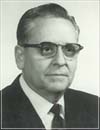
M. Luther Hux

To Them That Love God

M. Luther Hux September, 7 1976 Audio
0 Comments
M. Luther Hux
M. Luther Hux September, 7 1976

Sermon Transcript

Auto-generated transcript • May contain errors

100%
Let us open God's Word to the
first letter of Peter, chapter 1. I want to begin reading with
verse 1 of the first letter, Peter's first letter, chapter
1. Peter, an apostle of Jesus Christ,
to the strangers scattered throughout Pontus, Galatia, Cappadocia,
Asia, and Bithynia, elect according to the foreknowledge of God the
Father, through sanctification of the Spirit, unto obedience
and sprinkling of the blood of Jesus Christ, grace unto you,
and peace be multiplied. Blessed be the God and Father
of our Lord Jesus Christ, which according to his abundant mercy
hath begotten us again unto a lively hope by the resurrection of Jesus
Christ from the dead, to an inheritance incorruptible and undefiled,
and that faith is not a way reserved in heaven for you who are kept
for the power of God through faith unto salvation. ready to
be revealed in the last time, wherein ye greatly rejoice, though
now for a season, if need be, ye are in heaviness through manifold
temptation, that the trial of your faith, being much more precious
than a gold that perishes, though it be tried with fire, might
be found unto praise and honor and glory. at the appearing of
Jesus Christ, whom having not seen ye love, in whom though
now ye see him not, yet believing, ye rejoice with joy unspeakable
and full of glory, receiving the end of your faith, even the
salvation of your souls, of which salvation the prophets have inquired
and searched diligently, who prophesied of the grace that
should come unto you, searching what or what manner of time the
Spirit of Christ which was in them did signify, when it testified
beforehand the sufferings of Christ and the glory that should
follow. Unto whom it was revealed that
not unto themselves, but unto us they did minister the things
which are now reported unto you, by them that have preached the
gospel unto you, with the Holy Ghost sent down from heaven,
which things the angels desire to look into. Wherefore gird
up the loins of your mind, be sober, and hope to the end, for
the grace that is to be brought unto you at the revelation of
Jesus Christ, as obedient children, not fashioning yourselves according
to the form of lust in your ignorance, but as he which hath called you
is holy, so be ye holy in all manner of conversation, because
it is written, Be ye holy, for I am holy." May the Lord bless
the reading of his holy word, and before I turn you to our
text, one which I'd like to speak this morning, let me tell you
that on our trip to Farmville, Virginia, we had a lovely trip,
and God gave a fine meeting over there with Brother Davis, and
Brother Coltrane and I did not get lost on our return this time. You remember the time before
when we went over? Coming back, we got lost, and
in fact got so lost we wound up in a little place there in
Virginia called Dinwiddie. And I, you know, I made a few
remarks about that in the service there Sunday, and told them about
our getting lost, making a wrong turn, taking an hour or two later
to get home. And I told them we wound up at
a place that I'd never been before, and I didn't know where I was
when I got there and hoped I'd never get back. And I named the
place Dinwiddie. And lo and behold, after the
service, a lady came forward and greeted me and she said,
you know, Dinwiddie is my home. Was my face red. I had to do
a lot of apologizing to that dear lady. I did explain to her,
I said, well, it was dark when we saw it that night about 11
o'clock I didn't see much too much of that with him. Maybe
I'd like it better if I saw it in the daytime. But we're glad we're not getting
lost too many times. Now I want to direct your attention
to Romans chapter 8 and verse 28. This is our text. We've been using this for some
time. trying to get all out of it that
we possibly can, where the Apostle wrote to the Roman Christians
these words, and we know that all things work together for
good to them that love God, to them who are the called according
to his purpose. I've brought a number of messages
on this passage of Scripture. showing you the great privilege
of the Christian, that all things work together for his good. And
Paul said we know that. We know it. It's a certain event. And we saw how the good things
work together for our good, and how all the bad things, too,
work together for our good. All our trials, all the afflictions,
all the temptations, all the cloudiness that comes upon a
child of God at times because of sin separating him from the
face of God or from the smile of God. And we brought in, too,
that even sin itself works good for a child of God. Now all of
these things work together for good for us, not because they
do so in their nature by themselves, but because God himself makes
them to work together for our good. And he works them together
for our good because he loves us and he has an interest in
us. We are dear to him. He's chosen
us from eternity. And he redeemed us by the precious
blood of Christ, and he called us by spirit. He regenerated
us and justified us, and he sanctified us, and he will yet glorify us. For this time, however, I want
to attempt to speak to you on this phrase, to them that love
God. In Romans 8.28, the apostle is
telling us that there is a certain people to whom these things do
work together for good. They do not work together for
the good of everyone. It's wrong to quote this verse
and say, we know that all things work together for good, and stop
there. Or we know that all things work
together for good to everyone? That isn't really so. The only
people in the world to whom all things are made to work together
for good are really those who love God. To them who love God. Now he tells us something else
a little later on, and we'll try to talk about that perhaps
at another time. But I want us to consider now
for a little while this expression, to them who love God, all things
work together for them and no one else. No one else in the
whole wide universe has any part in this promise but these people
who are designated by the Apostle, by the Spirit of God, that love
our God. Well, then of course, we might
pause to begin with and ask ourselves, do we really love God? Are we
in love with God? If we really can't say that we
love God, dear friends, We have no right to take that verse of
scripture and apply it to our own hearts. You see that? We must love God in order to
appropriate this truth to us. But we cannot know. There can
be absolutely no certainty that all things are working for our
good unless we do love God. Well, to love God, of course,
is to have the grace of God, to be blessed of God. The word
of God tells us that in Ephesians chapter 6, verse 24, Paul giving
the benediction here, says, Grace be with all them that love our
Lord Jesus Christ in sincerity. He isn't asking grace upon anybody
else in this benediction. The blessing of grace, of course,
is the greatest blessing that can come to anyone. But it is
to all those who love the Lord Jesus Christ in sincerity. Paul speaking of how we got this
love in 2 Timothy chapter 1 and verse 7 puts it this way. 2 Timothy 1, verse 7, he says,
"...for God hath not given us the spirit of fear, but of power,
and of love, and of a sound mind." Those three things belong to
a child of God. And then we read in 1 Peter there,
a moment ago, where Peter said that Though we have not seen
our Lord Jesus Christ, yet we love him, whom having not seen,
ye love." None of us have ever seen the Lord Jesus Christ, but
all of us who are truly saved do love him. We have been brought
to know him. And then one other verse of Scripture
on this business of love to begin with, in 1 John 4, 7, God is the source of love. John says, Beloved, let us love
one another, for love is of God. Mark that. Love is of God, and
everyone that loveth is born of God, and knoweth God. So then, those who love God are
blessed of God. Those who love God have that
love granted to them by the grace of God. And all those, of course,
who have come to know the Lord Jesus Christ really love him,
though they've never seen him. I don't think you can love a
person unless you know him. You might be able to love him
if you haven't seen him, but you must know something of his
before you can really love Him. And though we haven't seen the
Lord Jesus Christ, we do love Him because we've been brought
to know Him. And John tells us the reason
we do love Him is because this love has been given to us. It's
been shed abroad in our hearts by the Holy Ghost. Love is of
God. And everyone that is begotten
of God, or born of God, he says here, knows God. So we know him, he's disclosed
his person to us by revealing himself to us, he's given us
the knowledge of himself, he's granted us the love of Christ
in our hearts. And Paul tells us then in our
text, if you love God, everything in the vast universe, whatever
it may be, good, bad, indifferent or whatever, sickness or health
or poverty or wealth or affliction or trial or sorrow or death or
life or things present or things to come. Put the devil in there
himself and the demons, the powers of darkness and all the calamities
that take place in the world, including the terrible earthquakes
and wars and the persecution of the people of God, he says
all of those things are working together for one type of person,
and that is that person who loves God. We can't say that those
things are working together for others. They aren't. Everything
works together for not good, but actually for bad, for those
who do not love God, those who hate him. Well, some things concerning
the love of God. What is it to really love God? What is that? Could you tell
me this morning? Or you say it's a reaching out
after God is. It's the rise of our affections
toward heaven, toward our God. It is coming to feel your need
of God, to embrace Him, to thirst after Him, to hunger after Him,
to desire Him, to want Him. When we love a person, when we
love somebody here, those very feelings are ours, are they not?
We desire to be with them. We want to know more of them,
more about them. We love to see them. We love
their fellowship, and we just hunger to be in their presence.
So it is with God. When a person comes to love God,
he wants to be in His presence. Isn't that your experience? Isn't
that why you're here this morning? You came because you wanted to
be in the special presence of God in holy worship today. That's why you're not somewhere
else. Your affections are toward Him. Again, the basis of that love,
we said, is knowledge. If you love God, you have been
brought to know Him. You've been introduced to Him.
And the way you were introduced to Him was by revelation from
God Himself. The world cannot know God. Natural
men have not the ability to actually search out and to find God. and to come to discover him for
themselves. You remember the scripture says
that the natural man receiveth not the things of the Spirit
of God, neither can he know them, because these things are spiritually
discerned, and they have not that discernment. They have not
even that desire to really know the true God. Sometimes people
tell us, well, all these who are going after idols and worshiping
false gods, that that is really an indication that they're seeking
after the true God. Not so. The natural man does
not seek after the true God. He runs from the true God. He
embraces his idols. He loves his sins, and he loves
his false gods. But the true God is abhorrent
to him until it pleases God in his grace to reveal himself,
to disclose his person. And then, when that takes place,
one does love him and desire him. You remember, our Lord said
that no man knoweth the Father save the Son, and he to whom
the Son will reveal him. And so if you do not know him
this morning, I'll tell you this, the only one way you'll ever
find him out is not that you will discover him for yourself,
By searching, you can never find out God. God must reveal Himself
to your heart. He must tell you who He really
is, dear friend. So you're utterly dependent upon
Him for the knowledge of His person. Now we can tell you about
Him as our parents have told us and ministers have preached
about Him, but unless the Spirit of God opens that truth of our
heart, to our hearts as to who He is, we cannot know Him. And then there are different
kinds of love, you know. There's the love of appreciation.
When we set a high value upon a person or a thing, we come
to appreciate that in that way. You remember how you valued God
before you came to know Him? and to really love him. It's
a sad thing to say, but I believe this is true, dear friends, that
God isn't worth a crumpled dollar bill to a person who doesn't
really know him. God is absolutely worthless. Christ means nothing to that
person until he comes by grace. and a revelation from God to
know Him as the infinite God and as the glorious Savior. And then in love to God there
is delight. When you really come to know
Him, you come to rejoice in Him, to be happy in Him, and to embrace
Him as your God and your Savior. And there is this business of
blessing God. Peter said, Blessed be the God
and Father of our Lord Jesus Christ. He's blessing God. What is he doing when he does
that? Well, he is wishing well to God. He is speaking well of
God. He cannot contribute anything
to God's good or well-being. But he can say something good
about God. Now, when God blesses us, you
remember, he adds something to us. As Peter tells us there,
he's begotten us unto a lively hope. He's added this great treasure
of mercy to us. But when we bless God, we add
absolutely nothing to God Almighty. We just simply bless him for
who he is, for what he is. and what he's done for us and
will continue to do. And our Lord said something about
that in that prayer, you remember? He said, when you pray, say,
Our Father, who art in heaven, hallowed be thy name. The first thing you pray for,
the first one you pray for, is God himself. And you pray that
his name, his person, his very being, may be hallowed. You pray
that he might be sanctified in our thoughts and that we may
be able to speak well of him. We come very short of that when
we try to speak well of him and really to bless him. There are
certain principles connected with this love here when Paul
says, to them, that love God. What are they? Well, first of
all, our love to God must, dear friends, be full, and it must
be with a whole heart. There's a passage in the twelfth
chapter of Mark's Gospel where we have this brought out in a
conversation with our Lord Jesus Christ by a person in the, I
believe, the thirtieth verse of that chapter. Well, we begin
with verse 28. And one of the scribes came,
and having heard them reasoning together, and perceiving that
he had answered them well, asked him, which, that is, asked the
Lord, which is the first commandment of all? And Jesus answered him,
the first of all the commandments is, Hear, O Israel, the Lord
our God is one Lord. And thou shalt love the Lord
thy God with all thy heart, and with all thy soul, and with all
thy mind, and with all thy strength. This is the first commandment,
and the second is like namely this, thou shalt love thy neighbor
as thyself. There is none other commandment
greater than these. So, beloved, the first thing
about our love is that we must love God with an undivided heart. Our hearts must be whole in the
love of our great God. God isn't going to share his
love or our love with someone else. God isn't going to allow
us to love Satan and sin in the world. He wants our whole heart,
our undivided attention. It's like when a couple marries,
they promise to love each other and to give each other all their
love. They have eyes for no other, not that kind of love for any
other person. They are man and wife, husband
and wife. So when God is married to a believer,
when God, dear friends, brings us to himself, he says, I want
your whole heart, I want all of your love, and we must give
that to him, undivided. That's the commandment of God,
isn't it? Thou shalt love the Lord thy
God with all thy heart, and with all thy soul. and with all thy
mind, and with all thy strength." Well, there isn't any left over
if you do that. And he says that's the first
commandment, and it's therefore the greatest commandment. Speaking
to some this past week, I found a man who thought perhaps he'd
reached perfection. And he asked me, he said, Preacher,
you know, when we're born again, And we're made into the image
of Christ, and God regenerates us and justifies us and sanctifies
us. He said, well, what else is there? Well, I said, what do you mean?
You mean to say that if we have these matters that we reach perfection? Well, yes, of course, he said.
And if you don't believe that, he said, you read the fourth
chapter of Ephesians. Ephesians chapter 4 and verse
12, and we read this together, where the scripture tells us
that God gave some, or our Lord Jesus Christ gave some apostles
and some prophets and some evangelists and some pastors and teachers,
and verse 12 says, for the perfecting of the saints. For the perfecting
of the saints. Well, he took that verse to mean
that that since God had given us all these ministries for the
perfecting of the saints, that the saints were already perfect.
But when we read that passage, I think the brother came to see
that he hadn't reached perfection, because as we pointed out, these
are for the perfecting of the saints. And the reason they are
for the perfecting of the saints is because the saints haven't
reached perfection. The apostles, the writings of
the apostles and the prophets and the servants of God who preach
to you are gifts from God in order that you might be perfected,
that you might grow into this image of Christ and become, of
course, into his perfect image, reaching the stature of his fullness.
So here we have God setting forth something to aid our love, something
to build up our love. His commandment is given. He
commanded us to love Him with all the heart, with all the soul,
with all our mind, with all our strength. But I don't know of
anybody who knows the Scripture or who has grown in grace anyway,
who would ever come and say, listen, this is exactly what
I do. I do love God with all my heart. I love him with all my soul.
I love him with all my mind. I think of nothing else but God. And I love him with all my strength.
I give all my strength to God and none of it to anyone else. So we haven't really reached
the perfection of that. But the truth of the matter is
we must love God and our hearts must not be divided in that love. And then in the second place,
Paul tells us that love must be in sincerity. And this is
really what loving God with a whole heart is in the life of a child
of God. Grace be unto all them that love
our Lord Jesus Christ in sincerity." That's pure love, pure love without
self-interest. This is the love that made John
the Baptist say, he must increase, I must decrease. This is the
love of a Christian. And then that love must be ardent.
It must be fervent. It must be a burning love, like
coals of fire at times. Didn't David say to the Lord,
I will love thee with my whole heart? He did. And this is David's resolve by
the Spirit of God, to love him. And the spouse in the Song of
Solomon, speaking of Christ, her Lord, her husband, She said,
I'm sick of love, sick of it. That is, I just must have my
husband, I must have my Lord, I must have Christ. We just can't love him too much,
you must remember that. We'll never over love him. Paul
speaks of the love of a Christian as being active. When he wrote
to those Thessalonian Christians in the first chapter of, I believe,
his first letter, He said, remembering your labor of love. Their love was an active love,
service for the Lord Jesus Christ. The love of Christ was constraining
them, as it did the Apostle Paul. So love isn't really an idle
grace. If we really love Christ, it's
going to resolve itself into activity for the Lord Jesus Christ. service to Him, because love
will stimulate the mind to think about Christ, to study Him, to
run after Him, to feast upon Him, and to be eager to keep
His commandments. Now, that's very important, because
a great many people say, I love Christ, or I love God, and care
nothing about the commandments of God. This is a strange thing. I have heard some say, well,
we have nothing to do with the commandments of God. We love
God as if the love of God would neutralize or dispel or make
to vanish the commandments of a holy God. But John tells us
that if we say we know him and keep not his commandments, we
lie. He said we are liars, we deceive
ourselves, and the truth is not in us. So then, love for God
will issue into activity for him in keeping his commandments
and serving him. Paul tells us also that love
is generous. Love suffers love. Love doesn't
have all this self-interest, but it has interest of others.
the person that it really loves. David loved God. You remember
he had an opportunity one time to worship God without an offering. There was a heathen man there
who said, well, you just take the land, you take this and build
it over here. I'll give it to you, you don't
have to pay for it. David said, I'm not going to
worship God for nothing. And so he would make an he would
purchase that land. So the love of God will make
a child of God generous toward God who is generous toward him. And then, love to God, we might
say too, dear friends, is a distinguishing thing. I mean by that, that that
love that a Christian bestows upon God, he bestows upon no
other. The love that he bestows upon
his Savior, his God, is peculiar, and he will not give that to
another. You know, our Lord spoke about
that when a crowd was following him. He turned around and he
said, wait a minute, that I want to tell you something before
you continue with me. I'm not just after getting a
bunch of people to follow me and get a great big congregation. He said, because of this, if
any man follow me or come after me and hate not his father, and
his mother, and his brother, and his sister, and of course
he named all the relatives, all your relations, and your own
life also, you cannot be my disciple. In other words, he's saying,
this love that I demand from you, you cannot give to even
your dearest loved one, your closest relative. And you found
that in your experience. Not that you love them any less.
You really love them more when you really love God as you are. I think our love increases for
our relatives and all men. But you must ever say, That love
that I have for God by his grace, dear friends, I cannot let my
closest relatives interfere with that. When it comes to the commands
of God and obeying God and serving God and doing God's will, you're
out. And if you don't like that, you
just have to put up with it because I'm a child of God. And you know,
many have walked to the stake to be burned to death with that
love in their hearts because they would not deny him. So it is a distinguishing love,
dear friends, because God has loved them with
an electing love, with predestinating grace. Love them with a love
that he doesn't give to others, so he demands a love for himself
that you do not share with others. Now, we can say this too, that
love to God is something that's permanent. If you love the Lord
Jesus Christ today, you'll love him tomorrow, and you'll love
him the next day. If you ever come into the love
of the Lord Jesus Christ, your love will go on forever. I don't
mean that it will not ebb and flow, that it will not wane and
rise, rise and wane and so forth. Sometimes our love seems to be
at a very low point for our Lord Jesus Christ, but nevertheless
it's there. And then again, of course, it
rises to a high point. But if you love Christ, The Word of God says many waters
cannot quench this love. All the floods of Satan in the
world and sin cannot drown the love of a child of God for Christ. You know that? You may say, well, I know I do
wrong, I sin, I fail many times, but still you love him, do you
not? I remember that when Peter denied the Lord Jesus Christ
three times? You remember the Lord came and
said to him three times, Do you love me? And finally Peter said,
Thou knowest all things, Lord, thou knowest that I love thee.
I love thee. Did Peter love him when he was
denied? I rather think he did. I think
his heart failed. I think he got afraid, but deep
in his heart he loved Christ. I believe a child of God loves
the Lord Jesus Christ even though he falls into sin at times. Even
though he may commit great evils, deep in his heart he has a love
for Christ that will not forsake him. And he will not utterly
forsake Christ. That love that is rooted in the
heart of a child of God will enable him to endure. He will
not apostatize from Christ. He may backslide, as we say oftentimes,
but he doesn't go completely away from Christ. He doesn't
apostatize, as the Replicates do. Somebody asked, how much should
we love him? Well, we touched on this, but
someone answered that our love for Christ must be without measure. And I thought about that. Do
you measure your love for Christ? Do you say, well, I'm going to
love him just so much, and then I'm not going to love him anymore?
As we, where the children used to say, do you love me? A bushel and a peckful or something
like that. Do we take a peck measure or
a bushel or a tub and say, well, Lord Jesus, we will love you
this far and that's as far as we're going in that love? No,
we must not do that. The love of a child of God must
be without measure to God. We must love him above all else.
Love him more than our relatives, more than our husbands and our
wives, yes, love him even more than we love our children above
everything else. David said something about that.
He said, there is nothing on earth that I desire besides Thee. I want God. I love my wife, I
love my husband, I love my children, my relatives, my fellow man.
I'll tell you one thing. I can do without them. I don't
want to do without them, but I can get along without them,
dear friend, but I can't get along without God. There's nothing
on earth or in earth or heaven that I desire besides the God
is the absolute good. God is the supreme good. And
if we do not have him, suppose we have all the love of our relatives. Some of them don't like us, of
course, if we're Christians, and they're not. And all our
neighbors and all our friends, and suppose we have the love
of honorable and famous men and rich men, and have not his love. We're poor. But if we have his
love, we're rich. He's the absolute. He's the Supreme
One. We must love Him. Well, let me
give you one or two illustrations of this love for the Lord Jesus
Christ. I think of Genesis chapter 22,
where the Word of God tells us about Abraham. And verse 2, God said to Abraham,
Take now thy son, thine only son Isaac, whom thou lovest,
and get thee into the land of Moriah, and offer him therefore
a burnt offering upon one of the mountains, which I will tell
thee of." What a commandment. Take thy son, thine only son
Isaac, and offer him up. Now what did Abraham do? You know what he did. He took
that boy up on the mountain. He got the altar ready, and he
laid his son, bound him upon that altar, and raised the knife,
ready to plunge it into his heart. Why did he do that? Didn't he
love his son? Didn't he love Isaac? You know
he did. But he obeyed God. He loved God, and that's why
he obeyed him. And you know, you read about
these Hebrew Christians in the book of Hebrews, chapter 10,
and verse 34. And the apostle calls attention
to this. In verse 34 of that chapter,
he said, For ye had compassion of me in my bonds. They weren't
ashamed of Paul, though he's in jail. And took joyfully the
spoiling of your goods. Watch that. They had their goods confiscated,
but they took joyfully the confiscation of their goods, knowing in yourselves
that you have in heaven a better and an enduring substance. In other words, Paul is saying
you were just glad to give up your property for the sake of
the Lord Jesus Christ. That's love to Christ. How much do you love the Lord
Jesus Christ? Do you love him? Well, then,
if that be true, he said, all things work together for your
good, well, what if I lose my property? It's going to be for
my good, is it not? Suppose something happens. Well,
if I love him, he says it is for my good. Oh, I wish I could
realize that all the time. When all these things take place,
I do wish I could realize, well, this is for my good. I really
love him, and I love him because he first loved me, and he put
his love into my heart. These are the only persons in
God's world that have all things working for their good. You know
that? Everyone else who doesn't love
him, the wrath of God shall fight him. Everything is working for
his harm. He may go out and work himself
sick and struggle and strain and figure and do everything
in the world he can do to make everything work for his good
and for his profit. God says nothing is working for
his good. everything working for his evil
and for his damnation. That's an awful thing to say,
isn't it? But our Lord Jesus Christ said it. Did he not? In John's gospel, chapter 3 and verse 36, he said, He that believeth on
the Son hath everlasting life. And he that believeth not the
Son shall not see life, but the wrath of God abideth on him."
They're awful words from our Lord Jesus Christ, but they're
from him, his lips. God's wrath abides upon those
who love him not. Well, do you love him? Do you
really? Or you say, Preacher, I don't
have any love to boast of, I agree with that, but do you really
love him? Do you really know your love of the Lord Jesus Christ?
If so, all things are working for your good, even this service.
What will take place this afternoon, tonight, tomorrow, next day,
will be for your good, and on and on to glory, every bit of
it. That's really an incentive to
come to Christ, is it not? If you're here now and you say,
no, I really don't in my heart love him, I don't really believe
on him, I haven't really committed myself to him, but if all things
are going to work for my good, if I love him, I sure want to
love him. Oh, may the Lord grant you grace
to do that, to love him, to bow to him, to subdue your heart
to him. and save you for His name's sake. Amen.

Comments

0 / 2000 characters
Comments are moderated before appearing.

Be the first to comment!

4
Joshua

Joshua

Shall we play a game? Ask me about articles, sermons, or theology from our library. I can also help you navigate the site.