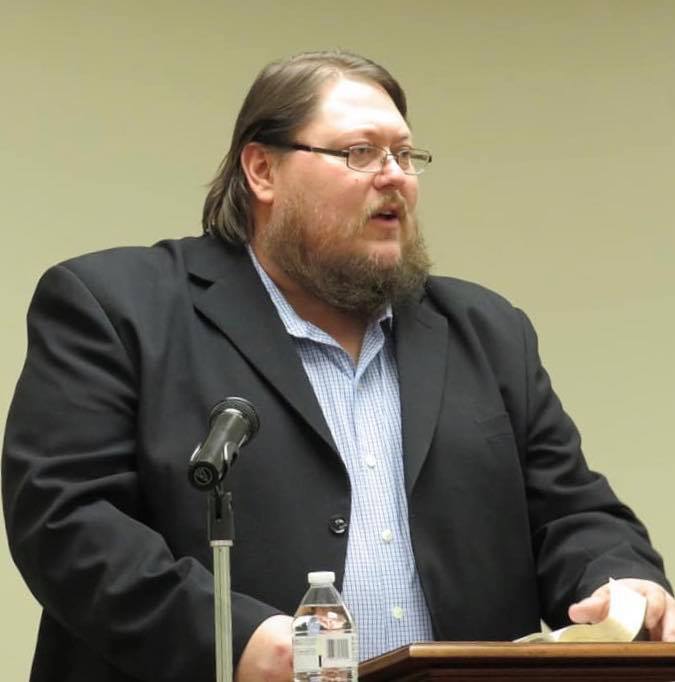
Mikal Smith argues that Psalm 110:3 ("Thy people shall be willing in the day of thy power") refutes the modern doctrine of human free will and establishes God's sovereign grace as the source of saving faith. The article contends that willingness to follow Christ originates not from human determination but from God's irresistible power in regeneration, citing Romans 9:16 ("It is not of him that willeth...but of God that sheweth mercy"), Philippians 2:13, and Acts 17:11 to demonstrate that spiritual receptivity and conversion occur according to God's predetermined timing and power, not human choice. Smith critiques contemporary Christianity's emphasis on self-help theology as fundamentally unbiblical, asserting instead that only God's elect people, made willing through sovereign grace, genuinely desire and obey Christ from the heart.
What does the Bible say about human freewill?
The Bible teaches that human freewill is a false doctrine; it emphasizes God's sovereignty in granting willingness to His people.
Furthermore, the New Testament echoes this sentiment. In Ephesians 2:1-5, we learn that we are dead in sin, and it is only through God’s rich mercy and great love that we are made alive in Christ. The transformation from being spiritually dead to willingly seeking God is a work of the Holy Spirit, assuring us that God’s power is the source of our willingness. The doctrine of human freewill is thus rejected in favor of understanding God as the initiator of grace and the one who empowers us to will and to act according to His good pleasure.
How do we know God's sovereignty is true?
God's sovereignty is evident through Scripture, which repeatedly affirms His absolute authority and control over all things.
In addition, historical interpretations of biblical texts support the view that God’s purposes cannot be thwarted. For example, in Acts 13:48, we see that 'as many as were ordained to eternal life believed,' confirming the doctrine that God's sovereign election is essential to understanding who comes to faith. Thus, God’s sovereignty is not only a central theme of Scripture but also provides comfort and assurance about the divine plan of salvation.
Why is understanding grace important for Christians?
Understanding grace is crucial because it reveals the source of our salvation and our relationship with God, highlighting His unmerited favor.
Moreover, understanding grace leads to a deeper appreciation of God’s character. It illustrates His lovingkindness and power to transform those who are spiritually dead into new creations in Christ. As stated in Philippians 2:13, it is God who works in us to will and to act according to His purpose. This profound understanding of grace encourages Christians to live lives that reflect gratitude, obedience, and reliance on God’s ongoing work within us, ultimately bringing glory to Him.
Thy people shall be willing in the day of thy power - Psa 110:3
Walk the aisle of most "Christian" book stores and you will find row after row of books on self-help. Whether it be "How to be Born Again," "10 Steps to Christian Maturity," or "Your Best Life Now," one thing is sure, at the heart of all those books, are an unbiblical doctrine that has taken a stranglehold on modern "Christianity" and the "churches" it flows from. If there be one subject that seems to cause the most contention between the professing believers of God, it is the subject of human freewill. This unbiblical doctrine is not new, however. It has spanned the course of time and reaches back to Adam and to Satan himself. The false doctrine of self determination or free will has been held as a foundational right that all cognitive creation, men and angels, have and the very thing that makes us culpable creatures. Many verses of scripture are called upon to support this false idea. Immediate context and overall teaching of the Bible are not considered, but only a line or two, ripped of its meaning and carefully dissected and used to comfort and support the prideful heart in its yearning to be "as God!"
In the text above we find the foundation of what scripture really teaches. Only a short phrase, but a nicely condensed teaching of what all of scripture upholds, "It is not of him that willeth, nor of him that runneth but of God that sheweth mercy"
Notice, first the Objects of this mercy. "Thy people" - It is the people of God to whom this gracious act is bestowed.
Second, notice the Certainty of this mercy. "Shall" - When God says something SHALL happen, we can trust that it will! There is no variableness or turning in God. What God has purposed and determined cannot, will not, be changed or stopped. There has been a certainty laid for God’s people! "All that the Father giveth me, SHALL come to me"
Thirdly, see the Action of this mercy. "Be willing" - There is no doubt that when a child of grace has been given spiritual life with spiritual receptors, I.E. ears, eyes, and heart, that they, with all their heart, desire to come to Christ and receive of his grace! Scripture proclaims that they do "the will of God from the heart" and have "obeyed from the heart that form of doctrine which was delivered to" them. God’s people and only his people shall, without any doubt, be willing!
Fourthly we see the Timeframe of this mercy. "In the day" - Men think they can teach and convince and by coercion, bring men to God. There is also the notion that one can just, at anytime, believe and receive Christ whenever they choose. However, we learn from this passage that the child of grace shall be willing, but it will be "in the day" of God’s choosing. We find this very thing displayed in the life of the apostle Paul. In the appointed day of God’s choosing, Paul says "But when it pleased God, who separated me from my mother’s womb, and called me by his grace, to reveal his Son in me" This was a day of God’s choosing, not Paul’s. Paul became willing….In that day!
And lastly we see the Source of this mercy. "Of thy power" - Without the overcoming power of God’s free and sovereign grace in giving life to the spiritually dead sinner, there never will be a willing. The source of our willing is found in the power of God for it is him "who works in you to will and to do his good pleasure" and "not of blood, nor of the will of the flesh, nor of the will of man."
The Holy Spirit records for us "But the natural man receiveth not the things of the Spirit of God: for they are foolishness unto him: neither can he know them, because they are spiritually discerned."
Until one is made spiritual by the sovereign power of God in the new birth, the "stiffnecked and uncircumcised in heart and ears….always resist the Holy Ghost."
But praise God, "Thy people will be willing in the day of thy power!"
Mikal Smith

Comments
Your comment has been submitted and is awaiting moderation. Once approved, it will appear on this page.
Be the first to comment!