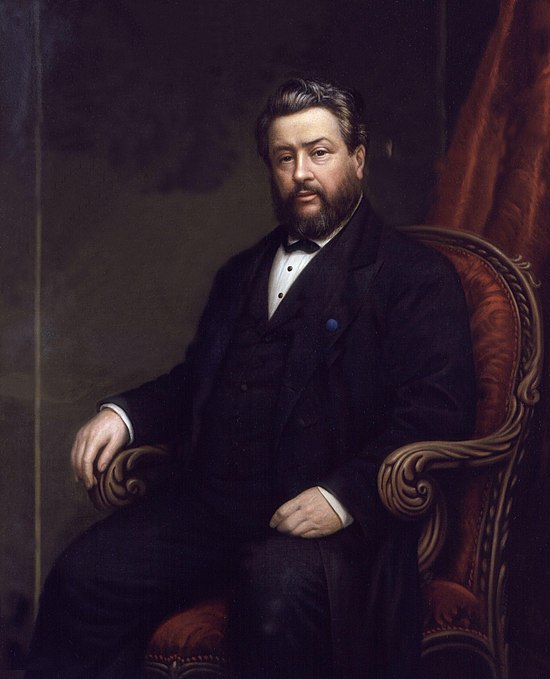
Spurgeon expounds on 1 Corinthians 4:7 to argue that all spiritual difference between believers and unbelievers stems entirely from God's sovereign, distinguishing grace rather than any merit in the elect themselves. He emphasizes that apart from divine intervention, believers would be as sinful and hell-deserving as the lost, deserving neither their justification, sanctification, quickening, nor their future glory—making pride fundamentally absurd and humility the only appropriate Christian response. The sermon grounds Christian identity not in personal virtue but in God's transformative grace, which alone accounts for any righteousness, acceptance, and heavenly destiny believers possess.
What does the Bible say about grace?
The Bible emphasizes that grace is unmerited favor from God, essential for salvation and transformation.
Ephesians 2:8-9, 1 Corinthians 4:7
How do we know sovereign grace is true?
Sovereign grace is affirmed by Scripture, illustrating that God’s choice and work are foundational to our faith.
Romans 9:15-16, Ephesians 1:4-5
Why is humility important for Christians?
Humility is crucial for Christians because it reflects dependence on God's grace and counters pride.
1 Corinthians 15:10
“Who maketh thee to differ from another? What hast thou, that thou did’t not receive? And if thou dids’t receive it, why dost thou boast as if thou hads’t not received it?” - 1 Corinthians 4:7
It is grace—free sovereign grace, which has made you to differ!
Should any here, supposing themselves to be the children of God, imagine that there is some reason “in them” why they should have been chosen—let them know that as yet they are in the dark concerning the first principles of grace, and have not yet learned the gospel.
If ever they had known the gospel, they would, on the other hand, confess that they were the off-scouring of all things, undeserving, ill-deserving, and Hell-deserving!
They would ascribe it all to distinguishing grace, which has made them to differ; and to discriminating love, which has chosen them out from the rest of the world.
Great Christian, you would have been a heinous sinner—if God had not made you to differ! O! you who are valiant for truth, you would have been as valiant for the devil—if sovereign grace had not laid hold of you! A seat in Heaven shall one day be yours, but a chain in Hell would have been yours—if grace had not changed you! You can now sing His love; but a licentious song would have been on your lips—if grace had not washed you in the blood of Jesus! You are now sanctified, you are quickened, you are justified; but what would you have been today—if it had not been for the interposition of the divine hand?
There is not a crime you might not have committed—there is not a folly into which you might not have run. Even murder itself you might have committed—if grace had not preserved you. You shall be like the angels; but you would have been like the devil—if you had not been changed by grace!
Therefore never be proud, though you now have a wide domain of grace. Once you had not a single thing to call your own—except your sin and misery. You are now wrapped up in the golden righteousness of the Savior, and accepted in the garments of the Beloved! But you would have been buried under the black mountain of sin, and clothed with the filthy rags of unrighteousness, if He had not changed you!
And are you proud?
Do you exalt yourself?
O! strange mystery, that you who have nothing but sin and misery, should exalt yourself! That you, a poor dependent pensioner upon the bounty of your Savior, should be proud! Go, hang your pride upon the gallows as high as Haman! Hang it there to rot, and execrate it to all eternity! Surely of all things most to be despised—is the pride of a Christian. He, of all men, has ten thousand times more reason than any other to be humble, and walk lowly with his God, and kindly and meekly toward his fellow-creatures.
“By the grace of God I am what I am!” - 1 Corinthians 15:10

Comments
Your comment has been submitted and is awaiting moderation. Once approved, it will appear on this page.
Be the first to comment!