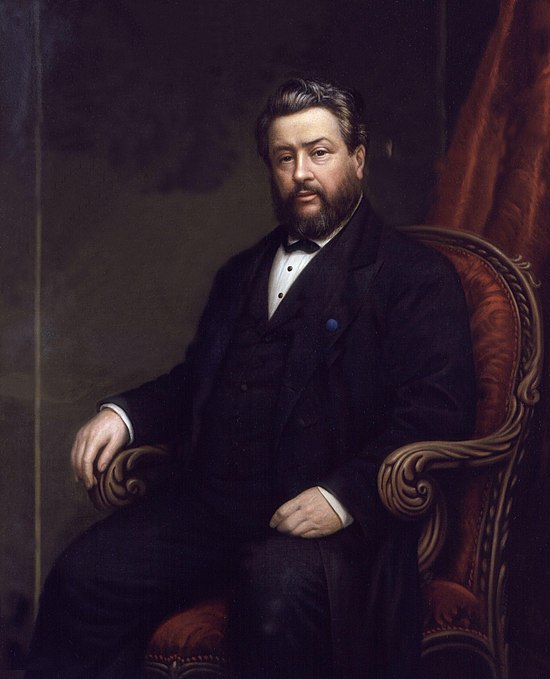
Spurgeon exhorts Christians to take seriously their duties toward children and dependents, warning that neglecting proper discipline and spiritual instruction brings guilt before God. Drawing on the example of Eli, whose sons Hophni and Phinehas became vile because he failed to restrain them (1 Samuel 3:13), Spurgeon argues that parents who allow their children to grow in sin and thoughtlessness bear responsibility for their spiritual ruin. He extends this principle to include employers and those in positions of influence, asserting that exposing servants, apprentices, and workers to situations that jeopardize their souls—such as requiring labor on the Lord's Day—constitutes bloodguilt for which God will hold them accountable.
Outline
I. Introduction
- Importance of home duties in parenting
- Contrast between Puritan practices and modern negligence
II. The Puritan Model
- A. Commitment to Children's Spiritual Growth
- Regular catechization and prayer
- Creation of a spiritually nurturing environment
- B. Consequences of Negligence
- Warning against sparing the rod
- Reference to the biblical account of Eli's sons
III. The Modern Challenge
- A. Parental Responsibility
- The gravity of parenting and neglecting duties
- Example of parents observing children falling into sin
- B. Foundation of Guilt
- Recognition of guilt arising from neglect
- Urgent plea for prayer to avoid consequences of failure
IV. Spiritual Accountability
- A. Responsibility Beyond Immediate Family
- The impact of decisions made by the parent regarding children's schooling and apprenticeships
- Discussion of moral implications in exposing children to danger
- B. Moral Reflection on Society
- Addressing the guilt carried for societal roles and actions
- Call to acknowledge the repercussions of negligence in broader societal duties
V. Conclusion
- A. Urgent Call to Action
- Encouragement to take parenting and societal roles seriously
- Prayer for deliverance from blood-guiltiness and negligence
Key Quotes
“Oh Sirs it is no small charge to be a parent and to neglect that charge brings no small guilt upon us.”
“If any of us have neglected home duties let us beware lest we have the blood of our children laid at our door.”
“When I see so many children of Christians turn out worse than others... what can I do but pray that I may sooner die than have such a curse fall upon myself?”
“Surely it must be so with sin. So with servants, our neighbors and work people if we expect them to do for us what we would not do for ourselves, we are guilty of their sins.”
“If there be such a one let him cease from the sin and pray, Deliver me from blood-guiltiness O God thou God of my salvation.”
Scripture References
- 1 Samuel 2:30: Discusses God’s judgment on Eli's house due to his sons’ sins and Eli’s failure to restrain them.
- Proverbs 13:24: Conventionally cited in discussions of parental discipline ("He who spares the rod hates his son, but he who loves him is diligent to discipline him").
- Matthew 18:6: Emphasizes the seriousness of causing harm to children, relating to the broader theme of negligence.
Doctrinal Themes
- Parental Responsibility: Emphasis on the spiritual obligations of parents to raise children in a godly manner.
- Consequences of Sin: Discussion on the repercussions of neglecting family duties, paralleling to biblical judgments.
- Guilt and Accountability: Acknowledgment of the weight of guilt carried by parents and societal figures for the spiritual well-being of others.
- Intercession and Prayer: The necessity of prayer in addressing the failures of parenting and seeking God's mercy.
What does the Bible say about parental responsibility?
The Bible emphasizes the importance of parents in guiding and disciplining their children, as seen in Proverbs 13:24.
Furthermore, when parents neglect their responsibilities, as exemplified by Eli's failure to restrain his sons Hophni and Phinehas, dire consequences ensue. Samuel relays God’s judgment against Eli for allowing such sinfulness to persist without correction (1 Samuel 3:11-14). This warning serves as a sobering reminder to all parents of the weighty position they hold and the eternal implications of their parental choices. To neglect such duties not only jeopardizes the spiritual well-being of children but also places a heavy burden upon the parents themselves, invoking a cry for mercy and guidance from God in their upbringing.
Proverbs 13:24, 1 Samuel 3:11-14
Why is catechizing children important for Christians?
Catechizing children is essential for instilling faith and understanding of God's Word in their lives.
Moreover, catechizing also serves to build a foundation for a personal relationship with God. It encourages dialogue about faith within the family, cultivates an environment of prayer, and nurtures a love for Scripture. This intentionality in teaching fosters a generation that understands their beliefs, is able to articulate them, and ultimately becomes grounded in a life of faithfulness. Neglecting this vital area places children at risk of spiritual apathy and ignorance.
How do we know parental neglect leads to spiritual consequences?
Scripture warns that neglecting parental duties can result in dire spiritual consequences for children.
Furthermore, God's Word extends this principle beyond individual families, as seen in the collective responsibility of a community or church to ensure the spiritual health of its younger members. When parents fail to actively engage in their children’s moral and spiritual training, they expose them to greater risks of succumbing to sin and worldly influences. Thus, it is paramount for Christian parents to take this charge seriously, understanding that their neglect can have ripple effects that may extend well beyond their immediate family.
1 Samuel 3
The Puritans were noted for the care in which they brought up their children -- they never fell into the fault of sparing the rod, and their children were catechized every Sunday. They were prayed for and wept over, and the Puritan household was a very Heaven upon earth. But oh, if some of us see our children running into sin, and growing up to be thoughtless, careless, and giddy -- what can we say -- who shall we blame? Are there none here, like Eli, who have only said to their children, when they have done wrong, "My sons, why do you do this?" but have let them go unchastised? Remember the character of Hophni and Phinehas, and the message of Samuel concerning them -- "Thus says the Lord, I will do a thing at which both the ears of everyone that hears shall tingle: I will judge the house of Eli because his sons made themselves vile, and he restrained them not."
Let us take heed, lest God bring the like on us! Oh, Sirs, it is no small charge to be a parent, and to neglect that charge brings no small guilt upon us! When I see so many children of Christians turn out worse than others. When I find some of the sons of ministers among the ringleaders in sin -- what can I do but pray that I may sooner die than have such a curse fall upon myself? If any of us have neglected home duties, let us beware lest we have the blood of our children laid at our door!
...
O God, we are all guilty here! "Deliver us from the guilt of bloodshed, O God, The God of our salvation." Further have we not been guilty of the blood of souls by exposing them to danger? When a father puts his boy apprentice, if he only cares about his worldly gain and not about his soul's interest, I cannot acquit him, nor will God acquit him. Parents have sometimes put their girls to school and their boys to trade where if they had obtained any good it would have been a miracle, and where if they met with mischief it was only what they might expect.
Now it is according to law that if I expose my child to the cold and it perishes through my negligence I am punished. Surely it must be so with sin. So with servants, our neighbors, and work people -- if we expect them to do for us what we would not do for ourselves we are guilty of their sins. Some here may possibly be carrying on unnecessary trades which require working men to toil all Sunday (works of necessity, of course, I speak not of), but there are systems of trading which for no justifiable reason involve the keeping away of the men employed from a place of worship; now when these men are lost, I ask at whose door will their blood lie? Who had the profits of their labour? Who fattened on their gains? Who sucked the very blood of their souls to coin it into wealth for himself? If there be such a one, let him cease from the sin, and pray, “Deliver me from blood-guiltiness. O God, thou God of my salvation.”

Comments
Your comment has been submitted and is awaiting moderation. Once approved, it will appear on this page.
Be the first to comment!