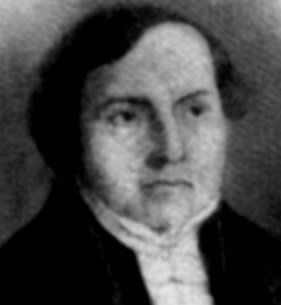
The main theological topic addressed in Alexander Carson's article "John V. 17" is the doctrine of God's providence as it relates to His continual work in creation and sustenance. Carson argues that God does not merely create the world and then allow natural laws to operate independently; instead, He actively governs and maintains all creation through His divine power. Key biblical references include John 5:17, which underscores that just as God works on the Sabbath, so does Christ, affirming their unity in purpose. Moreover, scriptures like Matthew 6:26-30 illustrate God's ongoing provision for His creation, emphasizing that His providential care is essential for sustaining life. The practical significance of this doctrine lies in the believers' assurance of God's constant involvement in their lives, which should cultivate dependence, gratitude, and confidence in God’s sovereign care, particularly in times of trouble or uncertainty.
Key Quotes
“The doctrine then which represents him as establishing at creation such an arrangement of physical laws as could for ever after dispense with his power and care is utterly unscriptural and groundless.”
“It is indeed here implied also that it is the Almighty power of Jesus that by his Spirit opens the eyes of blindest sinners and turns them from darkness to light and from the power of Satan unto God.”
“Let Christians then be driven from this consoling faith by the impious arrogance of metaphysical speculation.”
“In him we live and move and have our being.”
What does the Bible say about God's continual work in Providence?
The Bible emphasizes that God is continually active in His creation, governing and preserving His works in Providence.
John 5:17, Acts 14:17
How do we know God's Providence is true?
We know God's Providence is true through the testimony of Scripture and the workings of God in our lives.
1 Corinthians 10:31, Romans 8:28
Why is understanding God's Providence important for Christians?
Understanding God's Providence is crucial for Christians as it provides assurance of His control and care over all aspects of life.
Matthew 6:25-34, Romans 8:28
The Jews sought to kill Jesus because he performed miracles on the Sabbath. His defence was: "My Father worketh hitherto, and I work." Here the ground of the defence is, that in Providence God continues to work from the beginning of creation till the present moment. He ceased on the seventh day from creation, but he did not cease to work. He works without ceasing in upholding and governing the works which he made. In the work of Providence he works on the Sabbath as well as on other days. This was a sufficient reason why Jesus, who thought it not robbery to be equal with God, should perform the works proper to him in his ministry on earth. The motions of the heavenly bodies are not suspended on that day, nor the animal functions in living creatures. The preservation and government of all existence are as necessary on the Sabbath as in the rest of the week. Human beings, with all other animals, are born and die on that day,—are fed and nourished on that day. Why, then, should the Son of God be prevented from performing his mighty works of mercy on that day? This passage shows that God is working continually. That doctrine, then, which represents him as establishing at creation such an arrangement of physical laws, as could for ever after dispense with his power and care, is utterly unscriptural and groundless. There is as much need of the God of Providence as there is'of the God of creation. The Creator has indeed most wisely and perfectly arranged all things from the beginning. But his arrangement is executed by his power and Providence. No previous arrangement can dispense with himself as the upholder of his works, and the executor of his arrangement. The laws of matter and mind are wisely adapted to this end; but the end is accomplished by them only as means, without any proper power in themselves to produce their effects. It is the power of God only which gives them effect. They are a skreen which God throws between himself and those who do not wish to see him. By the wise men of this world, as well as by the mob of mankind, they are made gods. Nature is despised, though nature is nothing but divine arrangement. The people of God may see God in his works. There is not a blast of wind passes over their heads, but ought to be viewed by them as the breath of the Almighty.
"All power is given unto me in heaven and in earth. Go ye therefore." Here it is implied that Almighty power is necessary for the propagation of the gospel, and that it is God who works effectually in removing obstacles, and in giving success. Had not Jesus possessed Almighty power, he need not have sent out his apostles. Therefore he prefaces his commission with a declaration of his possessing
all power in heaven and in earth. The whole world was against his gospel. Those employed by him were in themselves most unfit and most unlikely to succeed. But, " Lo, I am with you," is sufficient for the accomplishment of the end. Does not this imply that Jesus, as the Ruler of the world, exercises his Almighty power, and that the success of his apostles was owing, not merely to adaptation of means, but especially to his own presence and power, to give effect to the means of his appointment?
It is indeed here implied also, that it is the Almighty power of Jesus that by his Spirit opens the eyes of blindest sinners, and turns them from darkness to light, and from the power of Satan unto God. And, though this cannot be reckoned among the things that belong to the rule of Providence, it equally proves that God still works, and that his working is not confined to foresight and arrangement. Indeed, every sinner converted unto God is as truly the work of Almighty power, as the original creation of heaven and earth. All passages of Scripture, then, which show that faith and conversion are of God, show equally that God continues to work. Men like to keep God at a distance, and therefore they are desirous that pre-arrangement might dispense with his presence, and the constant exertion of his power. They do not like to retain God in their knowledge, and therefore make his appointments do what his power does through them as means.
God is here said not to have left himself without a witness with respect to the heathen world, though he had suffered them for so long a time to walk in their own ways. "Nevertheless, he left not himself without witness in that he did good, and gave us rain from heaven, and fruitful seasons, filling our hearts with food and gladness." This represents God as the Governor of the world, and as doing the things which are done by what are called the laws of nature. God is not represented as ceasing to work when he had created the world, and leaving his works to be governed by laws without a hand to execute them ; but as " doing good," through the means of those laws which he had appointed for the regulation of his works. It is himself, not his laws, that give rain from heaven. The multitudes speak about rain, as if it governed itself; and the philosopher speaks about rain, as if it were now independent of the immediate power and agency of God, and solely ruled by the laws of nature. But our apostle, speaking by the Spirit of God, and therefore wiser than either, speaks of rain as sent by God. Indeed, the heathens had more piety in this matter than many nominal Christians. They said, Jupiter rains — Jupiter thunders —Jupiter shakes the earth. But with our philosophers, it rains, and snows, and thunders, without God. The earthquake that swallows up whole cities is not with them the proper work of God. They see nothing but the laws of matter. The Christian, however, is here taught that the shower that enables the field to cover itself with verdure is the gift of God. He is represented here as now acting in the effecting of the end by the means. Indeed, the heathens are here condemned, as not believing the witness that testified of God, in the rain from heaven, and in the fruitful seasons. We are here taught that fruitful seasons are the gift of God, consequently, that unfruitful seasons are also his work. God, then, is to be viewed in all the good and in all the^vil that fall to man and beast.
Here the political economist should take a lesson. God is the provider of food for his creatures, and though all proper means ought strenuously to be employed in procuring it, yet when he pleases he can blast every effort. No wisdom can guard against want, when God sees proper by means of it to scourge the human race. All the improvements in arts and agriculture have not banished poverty. The political economist thinks that all is to be done by regulation: the Socialist thinks that laws and religion are the only preventatives of plenty. But Providence overrules in every thing.
Even the very sovereignty that is represented in this passage, as suffering the heathens to walk in their own ways, implies that God is a governor. On no other grounds would it appear strange that he did not interfere to release the world from idolatry, or prevent their falling into it. If he, like the gods of Epicurus, did not interfere at all, but left every thing to the operation of certain laws at first established, which could work without him, then, of course, he could not interfere in preventing idolatry.
In showing the condemnation of the heathens from the works of creation, the same thing is implied. God is said to give them up to uncleanness, as the recompence of their idolatry. This implies that God acted and governed. God gave them up to vile affections and a reprobate mind, as a judgment, because they did not like to retain him in their knowledge. This surely implies his agency and government in Providence.
God is here represented as giving to all life, and breath, and all things. He must, then, be continually at work. How inconceivably numerous are the animals that every moment are coming into life! Life is the gift of God, and as truly so to the microscopic insect as to the huge beast of the forest. Animals are brought into existence in a certain process; but in every instance life is given by God. It is perfectly the same thing, as to the Divine power and energy, whether God gives life through means, or without them. No means could give life without the immediate exertion of Almighty power. At a certain stage in the process, life is communicated, and the animal begins to breathe. The previous process has no connexion with the after life and breath, but what is of Divine appointment. God in the first creation of man breathed into him the breath of life, when his body was prepared to receive it; and it is God who still breathes into every living creature life and breath. The life and the breath are now as immediately given by God as they were at first. God, then, is continually working, in conferring life and breath on every thing that lives, as it comes into existence.
God is here said not only to give life and breath, but all things. There is nothing which man enjoys which is not the gift of God. That which man has through his labour is as truly the gift of God as that which is given him without means. Food and raiment, preservation and health, with every thing that is a blessing in life, are all the gifts of Divine bounty.
And not only is life in its origin the gift of God, it is equally so in its preservation and continuance. Instead of having life conferred in a manner that renders the living being independent on the giver for the support of life, it is in God that we live. We could not live for a moment out of God. We live as long as he sustains our life,—no longer. He is not far from us Paul tells us; "for in him we live." Here our continuing to live is ascribed to God's presence and power. Our life is not a moment independent of him who gave it. It is equally a work of Almighty power to continue life as to give it at first.
It is in God also, Paul tells us, that we move. This is the true philosophy of muscular motion by volition. This is the true solution of the problem of power in man. At my will I move, not because there is any proper causality in my will, but because God has established the connexion, and his power effects it. The Spirit of God, by an inspired apostle, tells me that / move in God. Nay, our continued existence in any state is in God. In him, says Paul, we exist, or have our being. The Providence of God, then, is necessary for the continuation of the existence of any thing which exists. Let not Christians, then, be driven from this consoling faith, by the impious arrogance of metaphysical speculation. The Scriptures prove themselves to be from God, and as such they are a paramount philosophy, on every point on which inspiration deigns to interpose. On such subjects man can know absolutely nothing, except as God has testified. Life, motion, and existence, are subjects with which human intellect cannot grapple. The sum of all our philosophy is contained in the short inspired sentence: "In him we live, and move, and have our being." To know this is more consoling to the Christian, than to be able to philosophize on life, motion, and existence.
Here the preservation of the constitution of all things is ascribed to the same power that created all things. Here is the true and ultimate cause of gravitation, that grand law of matter, after which Newton inquired. There is no need for a fluid called ether, as the cause of gravitation; and if it were even proved to exist, there would still be an equal necessity for this grea.t cause of causes. The ether would only be a higher link in the chain, which must itself be fastened to the throne of God. What could give the ether its power, but the power of the Creator in his providential upholding of his works? As all things were made by Christ, so all things are continued in existence by the power which created them. "By him all things consist." Here the operation of the laws of nature is not ascribed to mere original adaptation and arrangement, but to the constant agency of God. There is no less need for the preserving and upholding power of God in his works, than there was for his creating power in their production.
"Upholding all things by the word of his power." Not in creation merely is Almighty power manifested. Divine agency is equally seen in the upholding of the things that were made. The worlds hang on Jesus. He carries the earth and all the heavenly bodies in their courses. They appear to rest on nothing; but they rest on the shoulders of the Son of God, who made them. Science may point out the laws of matter and motion, which
keep them all in their places, and guide them in their courses. But these laws have their effect only as the agency of Providence uses them. The Almighty Son of God bears and carries earth, sun, moon, and stars. The laws that retain them in their places, and regulate their courses, are to him no more than the clay and spittle in opening the eyes of the blind man. Their effect is only through his power and agency. Yet, by placing himself behind these laws, the God of Providence lies hid from the philosopher.
God is here said to be the Saviour of all men, especially of those who believe. This must be a temporal saviour or preserver; for a spiritual Saviour he is only to those who believe. Without faith, it is impossible to please God—to a want of faith condemnation is universally denounced. Besides, the apostle had, in the previous connexion, been speaking of the promise to godliness as extending to the life that now is, as well as that which is to come. The believer has a right to trust in God for this world, as well as for the future. And he has equal need of the God of Providence, that he has of the God of redemption. He trusts in the living God for his support, protection, and preservation, every day of his life. Without God behind him and before him, on his right hand and on his left, he would not be one moment in safety. It is a most injurious error to think that we can be safe one moment without the immediate care of God. We are in danger when we lie down, and when we rise in the morning—in danger when we lie down in the midst of our friends, as well as when we lie down in the midst of armed enemies. We draw not a breath but would be our last, if God did not continue to make us breathe. In the greatest apparent safety we are in danger: in the midst of the most frightful dangers we are in safety, if God chooses to preserve us. We ought, then, to look to God every moment, as if we lived by miracle; for protection by Providence is as truly God's power and agency, as if we were protected and provided as were the children of Israel in the wilderness. The children of God can never be sufficiently impressed with the necessity of the divine care, and of seeing Him who is invisible.
This passage represents God as the preserver of all men, but especially of believers. And how^onderfully is this seen in Providence! How many times does he interpose for the preservation or deliverance of his people from danger! How seasonably does he send relief! Even to the most infuriated of his enemies he extends his care and bounty. See that drunken madman riding furiously along that craggy road. He bellows and he foams like a raging wild beast, blaspheming the name of the God in whom he lives, and moves, and has his being ;—yet he is preserved alive, and often unhurt. Hear that beastly Socialist, how he defies God in the midst of a public assembly, and challenges the Almighty to the combat;—yet God gives him food, and gives effect to the organs of digestion, as if the wretch had laboured as a missionary of the gospel. He sleeps and is refreshed: he rises, and takes up arms against his preserver and provider. Well, then, may the God of Providence be called the Saviour of all men!
Here the disciples are urged, by the example of their heavenly Father, to do good to their enemies. "That ye may be the children of your Father which is in heaven: for he maketh his sun to rise on the evil and on the good, and sendeth rain on the just and on the unjust." The rising of the sun is not ascribed to the physical laws by which his heat and light are diffused over the earth. It is ascribed to God's immediate agency. The heavenly Father makes his sun to rise. The laws of gravitation and motion, by which the earth is enlightened by the sun, are merely appointments of God, which can effect their purpose only through the agency of the Almighty power of Providence.
It is delightfully pleasing to know something of the laws by which God carries on the affairs of his government; but Sir Isaac Newton could discover no more of real causality in the matter than the most illiterate peasant. When the philosopher comes to the last link in the physical process, he must fix it in the throne of God, where the first is fixed by the unscientific beholder. Gravitation is only the impress of the divine power. The gravitation of Newton needs God as much as the theory of the child needs a nail to keep the moon fixed in the sky.
God makes his sun to rise: God, then, leaves not his works to be managed by laws without his own agency: his laws are effectual through his own agency: and he makes his sun to rise on the evil as well as on the good. This imports that the conferring of the advantages of the sun, and, consequently, of all other advantages, on the evil as well as on the good, is not a matter of course, or an accidental thing, or a thing that could not be avoided. It is a thing done intentionally—a thing which is a part of the Divine government, and, as such, is held out to us as a proper example for imitation. Did God choose, he could withhold the light of the sun from his enemies. If he could not, there would be no sense or propriety in the argument used by Christ. The shining of the light of the sun, then, is owing to the agency of God in his Providence. It is his continual work. Were his power and agency suspended, the sun could not shine for a single moment.
The rains are not represented by Christ as coming by certain fixed laws, which are all to produce their effect, without any agency of Divine power. No, they are sent by God. The rains are his messengers, or servants, whom he sends to perform his will. Can any thing more clearly, or more directly, assert the doctrine of Providence? The Christian should see God in every shower as truly as in the resurrection of Lazarus. Rains are God's messengers, whether they come to fertilize or to destroy.
There is nothing in the government of God that is more perverted, to give security to the sinner, than this benign picture. Because God, in his Providence, does not make a visible distinction between the righteous and the wicked, many judge that he makes little of the distinction. "I am no grunter," says this man, "yet my field produces as well as that of my praying neighbour." Thou fool, hath not God appointed a day in which he will judge the world? Is not eternity long enough for thy punishment ?" Despisest thou the riches of his goodness, and forbearance, and long-suffering, not knowing that the goodness of God leadeth thee to repentance? But, after thy hardness and impenitent heart treasurest up to thyself wrath against the day of wrath, and revelation of the righteous judgment of God, who will reward every man according to his deeds."
The Lord, who created all things, is here represented as the preserver of all. "Thou, even thou, art Lord alone: thou hast made heaven, the heaven of heavens, with all their host, and all things that are therein, the seas, and all that is therein, and thou preservest them all." Continual agency in Providence is here ascribed to God, as expressly as is creation. "O Lord," says the psalmist, "thou preservest man and beast." This shows the continued Divine agency in providing supplies for all animals, and in protecting their lives till their appointed time. All the numerous passages which represent God as the preserver of his people, as of his works in general, imply a particular Providence which is continually in action. All prayers for protection or deliverance, or any Divine interposition, imply the same thing. We need not pray to God to keep us, if God does not immediately direct all events. How exquisitely beautiful, how delightfully consoling, is the hundred and twenty-first psalm!" I will lift up mine eyes unto the hills, from whence cometh my help. My help cometh from the Lord, which made heaven and earth. He will not suffer thy foot to be moved: He that keepeth thee will not slumber. Behold, he that keepeth Israel shall neither slumber nor sleep. The Lord is thy keeper: the Lord is thy shade upon thy right hand. The sun shall not smite thee by day, nor the moon by night. The Lord shall preserve thee from all evil: He shall preserve thy soul. The Lord shall preserve thy going out and thy coming in from this time forth, and even for evermore." Can any thing more clearly show the constant agency of God in the care of his people? He has not left them simply to the care of general laws without his immediate presence and power. He keeps their feet from stumbling. By night he does not slumber. He is ever awake and attentive to their preservation. He preserves their going out and coming in. They are constantly in danger, but his care is as constant as their danger.
"Therefore I say unto you, Take no thought for your life, what ye shall eat, or what ye shall drink; nor yet for your body, what ye shall put on. Is not the life more than meat, and the body than raiment? Behold the fowls of the air; for they sow not, neither do they reap, nor gather into barns; yet your heavenly Father feedeth them. Are ye not much better than they? Which of you by taking thought can add one cubit unto his stature? And why take ye thought for raiment? Consider the lilies of the field, how they grow; they toil not, neither do they spin: And yet I say unto you, That even Solomon in all his glory was not arrayed like one of these. Wherefore, if God so clothe the grass of the field, which to-day is, and to-morrow is cast into the oven, shall he not much more clothe you, O ye of little faith? Therefore take no thought, saying, What shall we eat? or, What shall we drink? or, Wherewithal shall we be clothed? (For after all these things do the Gentiles seek;) for your heavenly Father knoweth that ye have need of all these things. But seek ye first the kingdom of God, and his righteousness; and all these things shall be added unto you. Take, therefore, no thought for the morrow; for the morrow shall take thought for the things of itself. Sufficient unto the day is the evil thereof." Here we are cautioned against indulging solicitude for the provision of our temporal necessaries, on the ground of God's providential care of his people. We are not forbidden to use proper means to provide them. On the contrary, to neglect this would be a sin. This would be a tempting of God. But, in using the means to procure all proper supplies for our wants, we are to rely on God with a confidential dependence, and not be solicitous about the event. Our Lord reminds us that the life is more than meat, and the body than raiment. The necessary inference, then, is, that as God has given the greater, he will give the less. If he has given the life and the body, he will give food to sustain life, and raiment to clothe the body. Here it is implied that God has given the life, and that he has given the body. God, then, had not ceased to work when he had finished creation. He is continually exercising the same Almighty power, in giving life and preserving the bodies of men. And his Providence is here represented as supplying food and raiment, though food and raiment are usually supplied through means. It is God, then, who gives effect to the means used; and whoever is a mediate agent, God himself is the great agent by whom all other agents are enabled to act. It is our heavenly Father who feeds the fowls of heaven. This does not mean, in our Lord's argument, merely that Divine power has produced the things on which the birds of the air live; for this would be no ground for trust in Providence. God takes care that each bird shall have its daily food. It goes out in the morning, and Providence casts the worm or the grain before its eyes. For all the innumerable fowls of heaven, and by consequence for all living creatures, God provides food. When they come abroad in the morning, with a keen appetite, God has covered a table for them, and he affords them an agreeable repast.
In this passage God is represented also as clothing the grass of the field. The growth of the grass is attributed to his immediate care, not to laws that produce their effect without his constant power. Were not Providence the agent in clothing the lilies of the valley, the fact alluded to would be no ground of argument for trust in Providence. It is the power and agency of God that makes the grass to grow, as much as it was the power and agency of God that made the world to exist. On this ground our Lord assures us that we need not be anxious about the provision for our temporal wants. Our heavenly Father knoweth that we have need of these things. Does not this imply that he will provide them? If an earthly father provides for the wants of his children, when he knows that they have need, will not the heavenly Father provide for his children? Here surely is Providence, —Providence not in general laws, but Providence in never-ceasing, ever-active care. To those who seek first the kingdom of God and his righteousness, there is a promise that all other things shall be added. Can this be effected without the constant exertion of the Providence of God?
The same thing is beautifully expressed by the Psalmist:—" Who covereth the heaven with clouds, who prepareth rain for the earth, who maketh grass to grow upon the mountains. He giveth to the beast his food, and to the young ravens which cry." —Psalm cxlvii. 8, 9- It is God who covereth the heaven with clouds, who prepareth rain, and who maketh the grass to grow. He is here represented as doing the thing when it takes place, and not merely as making a previous arrangement that would dispense with his constant Providence and power. God is here represented as listening to the cry of the hungry young ravens, and sending them their food. He may send this through the instinct of the parent, but it is his work as much as when he fed the Prophet by ravens.
A similar sublime view of the works of creation and Providence is given in Psalm civ. I shall quote only a few verses:—" These wait all upon thee; that thou mayest give them their meat in due season. That thou givest them they gather: thou openest thine hand, they are filled with good. Thou hidest thy face, they are troubled: thou takest away their breath, they die, and return to their dust. Thou sendest forth thy Spirit, they are created: and thou renewest the face of the earth."— Verses 27-30. Here all creatures are represented as waiting on God for their food. They gather only what he gives. They are fed out of his own hand. Can any thing more clearly express the constant agency of God in his Providence? They live in God, and they die when he takes away their breath. Life and organization are not given by mere laws established at the creation; but every living being that comes into existence comes by a creation as great as the original creation. "Thou sendeth forth thy Spirit, they are created.*' All the glories of the spring are the glories of the creation of Providence. It is God in his Providence who reneweth the face of the earth.
What a sublime thought is presented to our view in the representation of all animals as waiting on God for their food! What imagination can conceive any adequate idea of the scene! Not only all the great monsters of the forest and the ocean are fed by his hand, but all the innumerable tribes of insects that fill the air, and all the animalcules that can be seen only by glasses. This, to our imagination, appears a matter of trouble; and philosophers attempt to ease God of this unnecessary attention. They make his general laws effect the purpose without his own Providence. They may as well say, that the words, "Let there be light," could produce light without the exertion of power, as that the laws of physics should supply the place of Providence. The power of God is as necessary to continue his works in existence as it was to create them.
The thirty-eighth chapter of Job gives us a grand view of Providence. It represents God as guiding the stars, sending the lightnings, and commanding the falling of the rains. In all these things he usually acts by regular laws, but it is as childish as it is unscriptural to suppose that these laws have their effect without God's immediate agency. Every thing, then, is here represented as done immediately by God, as really as if he used not means at all. It is God who puts wisdom into the inward parts, and gives understanding to the heart. Yea, that very understanding that is employed in reasoning against God's truth and character is given, and enabled to act, by God himself. It would give God no trouble to ease himself of his adversaries; but it is a part of his sovereign plan to give them scope to manifest the enmity that is in their heart against his character. He gives them every facility to display their hostility.
Prayer for the recovery of the sick, here especially inculcated, and the advantage of prayer in general, here so strongly stated, implies the constant agency and Providence of God. It is God who sends sickness, 1 Cor. xi. 30; and here we see that it is God who removes it. To pray to God to remove sickness and restore health, implies that it is God who works, though he usually works by means. In like manner, it is God who constantly regulates the weather. He withholds rain, or sends it at his pleasure. Sometimes he causes dearth or famine by withholding rain, and sometimes by sending it in too great a quantity. In the time of Elias, God withheld rain from the land of Israel for the space of three years and six months through the prayer of the prophet. When the prophet again prayed for rain, it was sent, and the earth brought forth abundantly. Can any thing more clearly show the particular Providence of God? The power of the Almighty is as much needed to govern the world as to create it. The physical laws by which he usually acts have their effect only from his power constantly exerted through them; and wherever his wisdom sees meet to alter, modify, or suspend these laws, he shows his sovereign power over them. Had not Elias been fully assured that God reigns over the laws of nature, he would not have prayed that it might not rain, nor that it might rain after so long a drought. And this is here exhibited as a ground of encouragement for prayer in general. Elias was a sinful creature like other men; but he was a man of faith and of prayer; and the Apostle James excites all Christians to pray in confidence from the encouragement of this example. Nothing can be too great for God to do for his people, when his own honour or their good requires the interposition of his Providence. And nothing can be so little as to be beneath his attention. We may pray for favourable weather on a journey by land or sea for ourselves or fellow Christians, and we ought to do so. God can give it, and even if his sovereignty and wisdom deny the thing, the prayer will not be lost. He can make it effectual in more abundant blessings to those concerned, and more abundantly productive of his own glory. We ought to look to the Lord in the smallest matters. The comfort of a fine day for necessary travel ought to be acknowledged as coming from a kind Providence. The more constantly and minutely we refer to Providence any instance of prosperity and adversity, the more comfort and confidence will we experience in life. We ought to take good and evil from the hand of God, and to walk before Him as seeing Him who is invisible. This is a heaven on earth. We may be always assured that God will never refuse us any thing that is truly good for us.
The Lord Jesus here fortifies his people against the fear of persecution and death for his cause, by assuring them of the power and Providence of God for their protection. God is able to deliver them from the utmost danger; and he never neglects their interests in a single instance either in things great or small. If, then, God is able to save them from their enemies, and if he makes such account of their lives, may it not be expected that he will never permit them to suffer? No, this is not a sound inference. The just inference is, that God is able to save them from suffering; and, as he is ever attentive to their safety, when he permits them to suffer, it must be for his own glory and their eternal advantage. They ought not, then, to be anxious about their safety, but commit the keeping of their lives to God in well doing. If the persecution of their lives is for God's glory and their own good, a hair of their head will not fall. But, if God's glory and their own ultimate good require it, they should give their lives and endure persecution with patience and triumph. There is no need to falter in the confession of truth, nor to take any unchristian or uncandid means to ward off danger. This, in effect, denies the Providence of God. If God pleases he can secure our safety without any dereliction of principle or of duty on our part, and with the fullest and clearest recognition of our entire allegiance to Christ. To prevaricate, dissemble, colour, modify, or hesitate, is distrust in the Providence of God, and virtually says, I must save myself from danger by my own craft. We should glorify God by confessing him in the fullest extent of our allegiance; and by a firm reliance on his power to deliver us from the apprehended consequences. If we have faith in God, we are as safe on earth as we shall be in heaven. It would be as easy for the enemies of God to overturn the throne of his glory, as to injure his disciples without his permission. And he never will permit them to suffer, except it is both for his own glory and their good. Why, then, should they fear them who kill the body, but are not able to kill the soul? Why should they not rather " fear Him who is able to destroy both soul and body in hell?" "Are not two sparrows sold for a farthing?" says the Lord Jesus, "and one of them shall not fall to the ground without your Father. But the very hairs of your head are all numbered. Fear ye not, therefore, ye are of more value than many sparrows." Can language more clearly import the Providence of God? Our Saviour extends it to the case of the most worthless animals. Without a commission from our heavenly Father, the most skilful sportsman that ever took aim at his game could not ruffle a feather in its wing. What, then, are we to say of that accursed philosophy that would banish God from his works, and leave us nothing but general plan and arrangement? Let Christians cling to their God, and let them trust in his constant care. His enemies themselves could not exist if their doctrine were true. Our first parents were initiated into the mysteries of this infidel philosophy immediately after their fall. They sought to hide themselves from God. Absurd and foolish thought! Shall he who created the eye not see? And are not the mob of philosophers always labouring to hide themselves from God? They remove him far from his works, because they do not wish to have his eye over them. But that which is their terror is the greatest comfort and security of Christians. The Father and the Son work continually, and in the work of Providence display the power of creation. This is our security, this is our consolation against all the evils of life. All things work together for good to them who love God, and are called according to his purpose.
Were Christians to keep this doctrine in view, they would be secured against every mean artifice in the propagation of what they consider truths. It is a dishonour to God and to the Christian character to employ craft in religion. God, the author of truth, has no need of this. If truth does not succeed by a fair representation of it, let us not attempt to further its progress by means disingenuous and deceitful. We are to contend earnestly for the truth, but we are not to lie for the truth. We are to fight for it, but not to cheat for it. Let us ever remember that God has a greater interest in truth than we have ; and that it is an insult to him to employ in its propagation any means but those which he himself has appointed. We should in no instance do evil that good may come.
Right views of the Providence of God would also give a dignity and independence of character, which, in the Christian, are to be associated with meekness and respect for civil power. Without this there will be no mean between the extremes of petulance and servile subserviency. When the Christian respects the laws and authorities of his country, he stoops with dignity, and has a brow of independence even whilst he yields; because he submits to the ordinance of God, and yields obedience to the existing powers as being God's appointment for good. He crouches not with the sycophant, nor flatters tyranny as being sanctioned by God. He obeys civil rulers, as a good soldier mounts a breach; because it is the command of his general. An enlightened Christian is never turbulent, and never servile. He neither heads mobs nor flatters power. He is heir of the world, and never forgets his dignity. Thrones are useful things in their own place; but they are little things in the eye of him who looks for the crown of righteousness. The meanest character on earth is heir to an inheritance inconceivably greater than all the dignities of this world.
In this psalm we have an account of the kingdom of Christ, in its struggles against the kingdom of Satan, as it is upheld by the Almighty power of God, under the figure of the government of the world by Providence. The fury of persecutors is strikingly and beautifully represented by the raging waves of the sea. We have here, then, an exhibition of the agency of God exerting Almighty power both in the works of Providence and of redemption. In Providence God is represented as restraining and counteracting the waves of the sea. Under this figure is shadowed the constant agency of God in restraining and counteracting the kingdom of darkness in its efforts to destroy the kingdom of Christ. "The floods have lifted up, O Lord, the floods have lifted up their voice: the floods lift up their waves. The Lord on high is mightier than the noise of many waters, yea, than the mighty waves of the sea." In this figure, the sea, in a tempest, is supposed to be connected with a resolution to leave the prison in which it is confined by the word of God, and to overwhelm the earth, as in the time of the flood of Noah. It raises its waves into mountains, and with a tremendous force it directs its course towards land. Wave calls aloud unto wave, exciting one another to the attack. Its voice sounds like a thousand thunders; and with inconceivable impetuosity it dashes against the rocks which bound its shores, shaking the very pillars of the earth, and threatening to drown universal animated nature in another flood. It seems to dispute the power of the Almighty mandate—" Hitherto shalt thou go, and no farther,"—and struggles with mighty efforts to pass the boundary. But its efforts and its noise are all in vain. It cannot pass: the word of Jehovah restrains it.
In this figure, we see the powers of darkness in their fierce and terrible efforts to destroy the kingdom of Christ. God gives them scope to show their malice, and power to do many things against the cause of Immanuel. Witness all the persecutions that at different times have aimed at suppressing the gospel by violence. Witness all the virulent blasphemy of infidels, who, when they cannot persecute with the sword, endeavour to succeed by the efforts of their tongues and of their pens. With infernal zeal they pursue their object in every age. They change their names, their dress, their arms, and their mode of attack, according to times and circumstances. But at all times they are the same in spirit, and are inspired with the same enmity to the character of God as manifested in his Son. They come up, line after line, to the attack; and though all their ranks have been hitherto cut down on the field, others are urging forward into their place with every confidence of victory. They have sustained a thousand defeats; but they are as confident of success as if they had never failed. Herod and the rulers of the Jews led the attack, and Owen, with his Socialists, are urging on the war, with shouts of victory as they enter the field. "The Lord on high is mightier than the noise of many waters, yea, than the mighty waves of the sea." These vulgar blasphemers, with a smattering of falsely named science, will not succeed against Him who rides forth on his war-horse, conquering and to conquer; and who has already been victor in a thousand fields. Julian, a philosopher, with all the power of the empire of the world, failed in this contest with the Galilean.
No wonder that philosophers endeavour to banish God from his works, and substitute general laws of physics in his place. The whole efforts of their lives are directed against God's word; and unless they can fight with this advantage on their side, they cannot hope for success. They may have some hopes in contending against revealed truth, if success depends on general laws, without Divine interposition. But if God takes the field in person, their success is hopeless. Go on, then, infidel science, raise your voice like the voice of the ocean; summon witnesses from universal nature, and tamper with their evidence. Our God will withstand your violence, and in his own time, he will rebuke your pride and blasphemy.
Here, also, under a figure taken from God's providential government, we have an exhibition of the power of God in defeating the efforts of the enemies of his church. "Thou rulest the raging of the sea: when the waves thereof arise, thou stillest them." An instance of this, in the literal sense, we have in the appeasing of the storm by our Lord. "And he arose, and rebuked the wind, and said unto the sea, Peace, be still. And the wind ceased, and there was a great calm." Here we see that God reigns over the sea immediately, and alters or modifies the arrangements of nature according to his sovereign pleasure. That which Jesus did on one occasion is constantly done by the God of Providence. He has not left the ocean to be disturbed at random by the winds, nor to be kept in peace by the laws of nature. He rules the raging of the sea. He raises the waves, and he stilleth them. This exhibits a continually working Providence. And what he does in Providence, he does also in his kingdom of grace. He suffers the fury of the enemy to swell against his cause, but he stills it at his pleasure.
In this psalm we have a delightful view of Providence in the fertility of the earth, and in ruling the world. "By terrible things in righteousness wilt thou answer us, O God of our salvation; who art the confidence of all the ends of the earth, and of them that are afar off upon the sea: which by his strength setteth fast the mountains; being girded with power: which stilleth the noise of the seas, the noise of their waves, and the tumult of the people. They also that dwell in the uttermost parts are afraid at thy tokens: thou makest the outgoings of the morning and evening to rejoice. Thou visitest the earth, and waterest it: thou greatly enrichest it with the river of God, which is full of water: thou preparest them corn, when thou hast so provided for it. Thou waterest the ridges thereof abundantly: thou settlest the furrows thereof: thou makest it soft with showers: thou blessest the springing thereof. Thou crownest the year with thy goodness; and thy paths drop fatness. They drop upon the pastures of the wilderness: and the little hills rejoice on every side. The pastures are clothed with flocks; the valleys also are covered over with corn; they shout for joy, they also sing." How could God be the confidence of all ends of the earth, if he does not reign, and constantly work? The stability of the mountains is ascribed not to certain physical laws, but to the power of God. The noise of the sea is stilled, not by laws without a powerful agent, but by the immediate influence of the Almighty Ruler. Human laws also may be the means of restraining persecution, but they are only means; and it is God who stilleth the tumult of the people. It is God who maketh the outgoings of the morning and evening to sing. The Scriptures, in viewing the works which God does through means, never lose sight of God himself. God visits and waters the earth: God prepares the corn. Without his own immediate power the laws of nature could not produce their effect. How consoling and satisfactory is this view of Divine Providence, compared with that of an infidel philosophy, that forbids us to go farther back than to the power of certain physical laws, which it grants, indeed, were at first established by God, but which can now perform their office without him.
No language can be more sublime than the description of a storm at sea, in the hundred and seventh Psalm. It is the very soul of poetry. The utmost simplicity of diction is employed to convey the grandest thoughts. The picture is not crowded; none but the most striking circumstances are selected; and everything is natural, simple, and beyond measure interesting. The whole is an august representation of the Providence of God, ruling in what appears the most ungovernable province of nature. It is God who raises the storm; it is God who stilleth it. The wise men of this world may look no farther than the physical laws by which God acts; but the Holy Spirit, by the psalmist, views the awful conflict of the elements as the work of God. To him he ascribes the return of peace. "They that go down to the sea in ships, that do business in great waters; these see the works of the Lord, and his wonders in the deep. For he commandeth, and raiseth the stormy wind, which lifteth up the waves thereof. They mount up to the heaven, they go down again to the depths: their soul is melted because of trouble. They reel to and fro, and stagger like a drunken man, and are at their wit's end. Then they cry unto the Lord in their trouble, and he bringeth them out of their distresses. He maketh the storm a calm, so that the waves thereof are still. Then are they glad because they be quiet; so he bringeth them unto their desired haven. O that men would praise the Lord for his goodness, and for his wonderful works to the children of men V The Providence of God is exercised everywhere, but it is on sea that it is awfully seen. The preservation of a ship in the ocean, in the time of a storm, is a moat wonderful thing. Storms arise not by accident. Whatever may be the laws through which God acts, it is his own immediate power that gives them birth. He commands the wind, and it raises the sea into billows. The mythology of the heathens, which gave a king to the winds, who kept them in caves, and let them loose at his pleasure, was more tolerable than the philosophic heathenism that ascribes the whole agency to the laws of the physical process. It is the Lord who raises the ship on the top of the mountainous billow; it is the Lord who again causes it to sink to the bottom of the ocean. He causeth the passengers to reel like a drunken man. They cry to the Lord, and are delivered. Is not this Providence ?" He maketh the storm a calm, and the waves thereof are still." Here God is represented working as immediately as in the creation of the world, by his word. To deny the constant agency of God in his Providence, is as absurd as to deny his agency in creation.
In the end of this psalm God is represented as ruling in judgments and in mercies ; as giving to his creatures all the good, and all the evil, which they experience in his Providence. "He turneth rivers into a wilderness, and the water springs into dry ground; a fruitful land into barrenness, for the wickedness of them that dwell therein.'" Here the barrenness of the earth is ascribed to the Providence of the Lord in judgment against the sinfulness of men. When sin abounds, God providentially causes want or dearth. Indeed, nothing can be more obvious to the light of nature than that the things that are disagreeable and hurtful to man, in the present state of the world, are all owing to the curse pronounced on the earth for man's sake. On the other hand, when the Lord is pleased with the inhabitants of any country, he providentially gives fertility to the land. When the way of the Lord "shall be known on the earth, and his salvation among all nations; then shall the earth yield her increase; and God, even our God, shall bless us." The multiplication or diminution of the population, and even of cattle, is ascribed to God. "He blesseth them so that they are multiplied greatly; and suffereth not their cattle to decrease. Again, they are minished and brought low through oppression, affliction, and sorrow."
It is remarkable, that the Holy Spirit designates those who understand the ways of the Lord in his Providence as the wise. The wise men of this world understand them not. The wisdom of God is foolishness with men, and the wisdom of men is foolishness with God. "Whoso is wise, and will observe these things, even they shall understand the loving-kindness of the Lord."
In this psalm we .have an awfully grand display of God as he appears in the terrible things of his Providence. Storms, and tempests, and thunders, and lightnings, are all the artillery of heaven. Instead of viewing them as mere effects of physical laws, constituted, indeed, by the God of creation, but unconnected with his immediate agency, the psalmist designates them as the voice of the Lord, and represents them as the immediate acts of his providence. "The voice of the Lord is upon the waters: The God of glory thundereth: The Lord is upon many waters. The voice of the Lord is powerful; the voice of the Lord is full of majesty." Full of majesty! Who that has heard the voice of God in thunder can need a commentary on this? How terrible, yet how delightful, is that peal that bursts over our heads, and shakes the earth under our feet! Christian, do not tremble; it is the voice of thy heavenly Father.
"The voice of the Lord breaketh the cedars; yea, the Lord breaketh the cedars of Lebanon. He maketh them also to skip like a calf; Lebanon and Syrion like a young unicorn. The voice of the Lord divideth the flames of fire. The voice of the Lord shaketh the wilderness; the Lord shaketh the wilderness of Kadesh. The voice of the Lord maketh the hinds to calve, and discovereth the forests: and in his temple doth every one speak of his glory." It is difficult to refrain from speaking on the grandeur of these thoughts, and the sublimity of this awful description. But I will confine myself to the testimony here afforded to the constant working of God in his Providence. If a tree is broken by wind, or by lightning, it is, in the estimation of the Holy Spirit, broken by the voice of God. When trees fall in thousands in the forests, they are cut down by the mighty arm of the Lord. —" The Lord sitteth upon the flood ; yea, the Lord sitteth King for ever." Here Jehovah is represented as a monarch, whose throne is the sea, and whose reign is absolute over that tempestuous and unstable element. He raises its waves, and calms them at his pleasure. Can this accord with the philosophic doctrine of Providence? How does the Lord reign, sitting on the floods as his throne, if he does not immediately direct, and govern, and do all things? What is still more consoling is, that "The Lord will give strength to his people; the Lord will bless his people with peace." How can this be done, unless God continually acts? He gives them strength, both naturally and spiritually; and all peace is from him. To convince the Christian of the truth of the philosophic doctrine of Providence, would be to banish him from God.
In this psalm all the good things that are enjoyed by man and beast are ascribed unto God. He is represented as constantly acting in every stage of the preparation of what is necessary for the sustenance and comfort of his creatures. "Who covereth the heaven with clouds, who prepareth rain for the earth, who maketh grass to grow upon the mountains. He giveth to the beast his food, and to the young ravens which cry. He delighteth not in the strength of the horse : he taketh not pleasure in the legs of a man. The Lord taketh pleasure in them that fear him, in those that hope in his mercy. Praise the Lord, O Jerusalem ; praise thy God, O Zion. For he hath strengthened the bars of thy gates ; he hath blessed thy children within thee. He maketh peace in thy borders, and filleth thee with the finest of the wheat. He sendeth forth his commandment upon earth; his word runneth very swiftly. He giveth snow like wool: he scattereth the hoarfrost like ashes. He casteth forth his ice like morsels: who can stand before his cold? He sendeth out his word, and melteth them: he causeth his wind to blow, and the waters flow." God, no doubt, has established certain laws and a certain process in which he usually fertilizes the ^arth. But his own agency is constantly necessary to give effect to his appointment. He clothes the heavens with clouds. The philosopher shows the physical process by which the clouds are produced and raised from the earth. But it is God who acts in giving its effect to this process. Accordingly, the Holy Spirit, by the mouth of the psalmist, says, "God covereth the heaven with clouds." The heathens were less heathenish than our philosophers, for they gave Jupiter his distinguishing designation from his supposed agency in gathering the clouds and making rain. He was the cloud-gathering Jove. According to Scripture-philosophy, God gathers the clouds, God sends the rain, makes the grass to grow, gives food to the beasts, and to the young ravens when they cry to him for it. Every thing takes place according to his pleasure. "He sendeth forth his commandment upon earth, his word runneth very swiftly." He forms the snow, and the hoarfrost, and the ice. B3' whatever process he works, the work is his. When snow, and hoarfrost, and ice, are melted, it is when " he sendeth forth his word, and causes his wind to blow." It is the power and agency of God that produceth every change in the weather, as truly as it was his power that opened the Red Sea for a passage to the children of Israel.
The philosopher labours to investigate the natural cause of earthquakes and volcanoes. Well, let him account as he will, still the immediate power of Jehovah is the true and ultimate cause. God works in these tremendous operations. "He looketh on the earth, and it trembleth: he toucheth the hills, and they smoke." This is the philosophy of Scripture: this, then, shall be my philosophy. Never was a sentence uttered by uninspired man so sublime as this sentence. The thought is grand beyond conception; and the expression clothes the thought with suitable external majesty. God needs no means by which to give effect to his purpose by his power, yet, in general, he has established means through which he acts. In conformity with this divine plan, he created by means, and he governs by means. But the means which he has employed in creation, and the means which he employs in Providence, are effectual only by his Almighty power. The sublimity of the expression in this passage arises from the infinite disproportion between the means and the end. An earthly sovereign looks with anger, and his courtiers tremble. God looks on the earth, and it trembles to its foundation. He touches the mountains, and the volcano smokes; vomiting forth torrents of lava. Hills are said to melt at the presence of the Lord. "Tremble, thou earth, at the presence of the Lord, at the presence of the God of Jacob."
How chill and withering is the breath of that noxious philosophy, that would detach our minds from viewing God in his works of Providence! The Christian who lives in this atmosphere, or on the borders of it, will be unhealthy and unfruitful in true works of righteousness. This malaria destroys all spiritual life.
The rise and fall of nations and of empires are in this psalm ascribed to God. He exalts one, and puts down another at his pleasure. In this he generally uses instrumentality, but that instrumentality is always rendered effectual by his own agency. When nations or individuals are prosperous, and glorious, and powerful, they usually ascribe all to themselves or to fortune. But it is God who has raised them to eminence. When they boast, he can humble them. "Lift not up your horn on high: speak not with a stiff neck. For promotion cometh neither from the east, nor from the west, nor from the south. But God is the judge: he putteth down one, and setteth up another. For in the hand of the Lord there is a cup, and the wine is red ; it is full of mixture; and he poureth out of the same: but the dregs thereof, all the wicked of the earth shall wring them out, and drink them. But I will declare for ever; I will sing praises to the God of Jacob. All the horns of the wicked also will I cut off; but the horns of the righteous shall be exalted." Here God is considered as the Governor of the world, punishing the wicked, and pouring out judgments on his enemies. The calamities of war, pestilence, and famine, are all ministers of Providence to execute wrath.
There is here a reference to the wrath of Pharaoh against the children of Israel in Egypt. Why did the God who raised Joseph to the highest honour and power in the court of Pharaoh, suffer the posterity of Jacob under another sovereign to be so cruelly persecuted? If God rules, might it not be expected that he would preserve his people from suffering and disgrace? Does he call Israel his first born, while he suffers them to be made slaves in Egypt? Could he not have made the reigning Pharaoh as great a friend as his predecessor had been? Doubtless he could, and the thing was, therefore, done designedly by God. The degradation and calamities of the Israelites were from God, as much as was the exaltation of Joseph. God in the wrath of Pharaoh designed to glorify his own name. He permitted him, therefore, to manifest his wrath, as far as was for his own glory; and when it had advanced to that point, he restrained its farther effusion. Alluding to this the psalmist says, "Surely the wrath of men shall praise thee; the remainder of wrath thou shalt restrain." Pharaoh was permitted to manifest much wrath, but all that wrath was made to praise the Lord. Farther than it was calculated to have the effect, it will not be permitted to proceed.
What consolation does this afford to Christians suffering persecution! Shall they not bear with patience, when they consider that it is in God's sovereign wisdom that their enemies are permitted to afflict them, and that their afflictions are for God's glory and their own good? Is it not enough for them to know that the degree to which the enemy is allowed to show his wrath is regulated by the Lord, and that every purpose of wrath beyond what promotes the divine glory will be utterly restrained? The consideration of this should make Christians confident in danger, and resigned when they suffer. They should not think that God has forsaken them, or that he takes little interest in their comfort and welfare. His watchful eye is upon them, and he honours them when he calls them to suffer. In conforming them by sufferings to his Son, he will proportion strength to trial.
God in his Providence uses one wicked nation as instruments in scourging others. And to individuals he gives talents and opportunities to qualify them to lead the hosts that are destined to execute his vengeance. Alexander and Cyrus, Caesar and Napoleon, were raised by God for the work designed them in his Providence. The Lord led them in their conquests, as truly as he led Israel from Egypt to Canaan; and while they sinfully executed their own purposes, he executed his purposes by them. The kings of Babylon and Assyria also were raised by Providence to greatness and power, that he might employ them to scourge the Israelites for their idolatry and sins. But in conquering the people of Israel, they thought they had conquered the God of Israel, and, in consequence, boasted as if their triumph was owing to themselves. God resents this as an insult to himself, and declares that they are only instruments in his hand, which he used for his own purposes, and after that he would destroy them. To one of these he says in this passage, "O Assyrian, the rod of mine anger, and the staff in their hand is mine indignation. I will send him against an hypocritical nation, and against the people of my wrath will I give him a charge, to take the spoil, and to take the prey, and to tread them down like the mire of the streets. Howbeit he meaneth not so, neither doth his heart think so; but it is in his heart to destroy and cut off nations not a few. For he saith, Are not my princes altogether kings? Is not Calno as Carchemish? is not Hamath as Arpad? is not Samaria as Damascus? As my hand hath found the kingdoms of the idols, and whose graven images did excel them of Jerusalem and of Samaria; shall I not, as I have done unto Samaria and her idols, so do to Jerusalem and her idols? Wherefore it shall come to pass, that when the Lord hath performed his whole work upon mount Zion and on Jerusalem, I will punish the fruit of the stout heart of the king of Assyria, and the glory of his high looks. For he saith, By the strength of my band I have done it, and by my wisdom; for I am prudent: and I have removed the bounds of the people, and have robbed their treasures, and I have put down the inhabitants like a valiant man: And my hand hath found as a nest the riches of the people, and as one gathereth eggs that are left, have I gathered all the earth ; and there was none that moved the wing, or opened the mouth, or peeped. Shall the axe boast itself against him that heweth therewith? or shall the saw magnify itself against him that shaketh it? as if the rod should shake itself against them that lift it up, or as if the staff should lift up itself, as if it were no wood." This needs no commentary. He who does not here see that it is God who rules the nations of the earth, and causes victory or defeat, according to his own sovereign pleasure, must shut his eyes against light. Even when his enemies triumph over his own cause, it is in one sense his own work. The victories of the enemies of Israel over the people whom God called his own were given to them by God himself. Nay, the enemy was by God called to the field, and armed and animated for the assault.
This explains the Providence of God when he gives success to his enemies in their efforts against his gospel and its glorious doctrines. Infidels and heretics, and all corrupters of the truth and ordinances of God, glory in their success, as being the evidence of the approbation of God. Wretched drivellers, remember Sennacherib, remember Nebuchadnezzar, remember Pharaoh, remember the nations that were raised up to himself for a time over Israel. God is not defeated: his truth is not defeated. In the end, Israel shall triumph over all their foes.
The subject of human agency has exercised philosophy and metaphysical theology in all ages. Whole mountains of rubbish have been raised on both sides; and, without absolute submission to the testimony of God in the Scriptures, the question can never be settled. That men act freely is a truth which should never have been questioned, and never would have been questioned, had not men presumptuously supposed that they are bound to account for every thing they admit on the testimony of God. Whatever we assert on our own authority, we must not only be able to comprehend ourselves, but be able to explain it in a manner that will enable others to comprehend it. But what is asserted on the testimony of God rests on that testimony, and on that testimony must be received. We must believe what we cannot fathom, as fully as that which we are able clearly to understand. That may be true which we cannot comprehend, and must be true, if God testifies to its truth. Our business, in that case, is not to spend our time in attempts to fathom what is incomprehensible, but to ascertain the true import of the statement, according to the legitimate laws of language. The passage before us exemplifies this observation. "The king's heart is in the hand of the Lord, as the rivers of water: he turneth it whithersoever he will." Here the heart of man is represented as completely under the direction of the Lord, as the waters of the rivers. The resolutions, then, of kings, in all their extravagance, as well as in all their wisdom, are in the hand of the Lord. This shows the continual agency of God in his Providence. What an amazing thought! All the thoughts of all men on earth are, in one sense, the Lord's; for they could not think without his immediate power. They think in him, and live in him, and move in him, and exist in him. Yet all their thoughts, as well as their words and actions, are their own, for which they are responsible. Human perspicacity cannot discern the boundary line that renders these two things consistent; and therefore the arrogance of man will reject one or other, according to his predilection. "That which is far off, and exceeding deep, who can find it out ?"— “Thy way is in the sea, and thy path in the great waters, and thy footsteps are not known."—"For thou, Lord, hast made me glad through thy work: I will triumph in the works of thy hands. O Lord, how great are thy works! and thy thoughts are very deep. A brutish man knoweth not, neither doth a fool understand this." Philosophers, in the pride of their wisdom, reject the testimony of God with respect to the deep things of his government. They are called wise men by this world. But the Spirit of Inspiration here designates them as fools, and even as brutish men. It is true wisdom to believe God, like Abraham, on his own testimony: it is the extravagance of folly to question his testimony.
The whole history of the Bible, especially God's dealing with the people of Israel, and the nations with which they were connected, is nothing but a history of Providence. From the moment of creation, God is seen in constant agency. All the mighty works performed by God in favour of his peculiar people are proofs of this. Miracles do not properly come under the head of the usual Providence of God; but they are equally proofs of the working of God in Providence, and they show that God is the Governor of the world, not merely as he is the author of the physical laws which usually regulate his works, but that he suspends, or regulates, or modifies these laws according to his pleasure. He can burn a sacrifice by fire from heaven, after water is poured abundantly on it, and on every thing that surrounds it, as easily as he can inflame gunpowder with a spark. He can open the eyes of the blind by applying clay and spittle, as well as by couching them by the hands of the surgeon.
But the philosopher will say, "This mode of arguing is unphilosophical. With the theologian you may argue the nature of Providence from the Bible; but with the philosopher you must reason only on the foundation of the light of nature." Sir, this is your ignorance. Sound philosophy cannot refuse to admit evidence that is in proof, whatever may be the source of that proof. A thing cannot be true from one source of truth, and false from another. If the Bible is the word of God, its testimony must be admitted on every subject on which it deigns to speak. You must renounce the Bible, or you must admit its testimony as paramount on every subject. The Scriptures are our proof, and must be recognised as a first principle in all philosophical doctrines as well as in doctrine considered as theological. Does a heretic, who dignifies his fanatical speculations with the designation of philosophy, know more of the ways of God than God does himself? Doctrines on any subject that contradict Scripture ought not to be called philosophy, but lunacy. The man who will presume to inquire, after God has given his answer, is not only impious, but mad.
WORKS BY THE SAME AUTHOR.
Providence, as Unfolded in the Book of Esther. 2d Edition. W. Carson, Dublin. Is.
Examination of the Principles of Biblical Interpretation of Ernesti, Ammon, Stuart, and other Philologists. 3s.
Refutation of Dr. Henderson's Doctrine in his late work on Divine Inspiration, with a Critical Discussion on 2 Timothy iii. 16. 2 s.
Review of Dr. Brown, on the Law of Christ respecting Civil Obedience, especially in the Payment of Tribute. Is. 6d.
The Knowledge Of Jesus, the Most Excellent of the Sciences.
39.6(1.

Comments
Your comment has been submitted and is awaiting moderation. Once approved, it will appear on this page.
Be the first to comment!