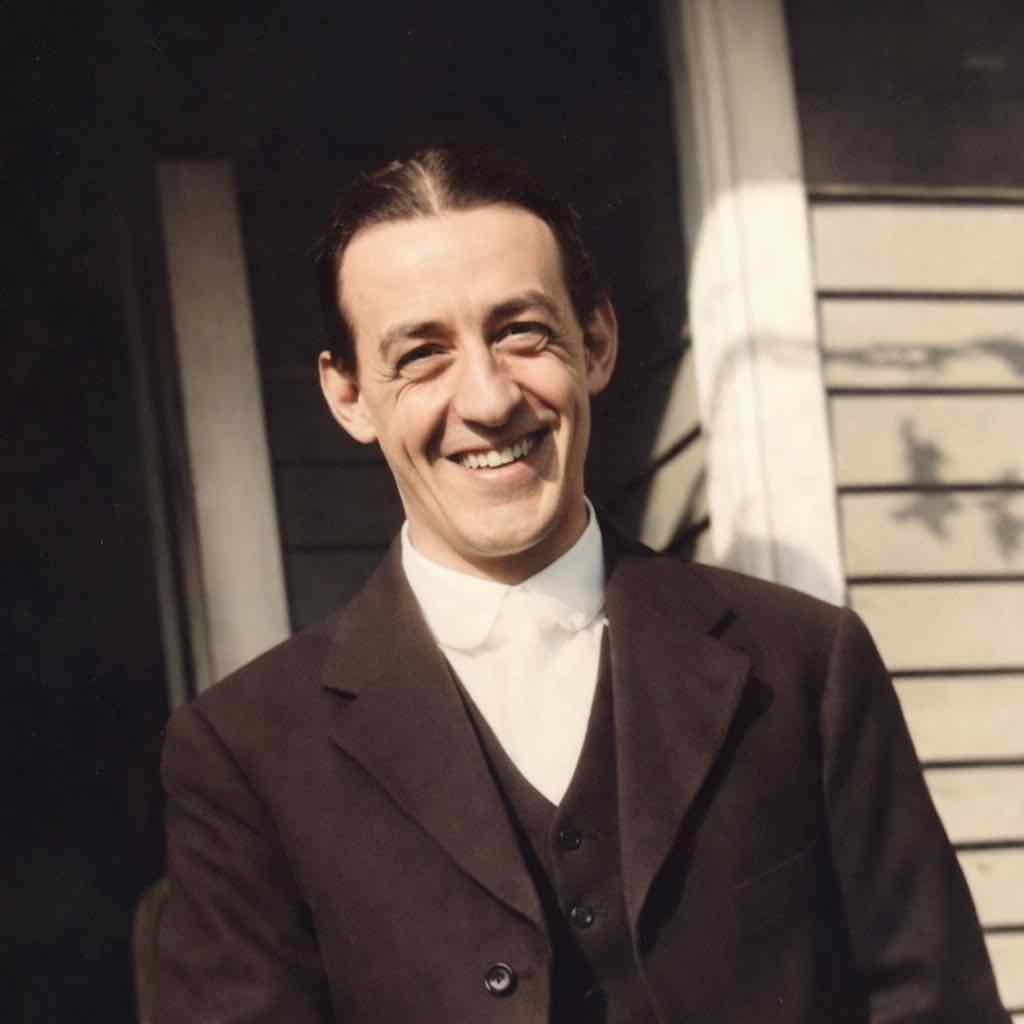
The article "The Sunset of Jacob’s Life" by Arthur W. Pink reflects on the theological implications of Jacob's later years, emphasizing the transformative power of God's grace in a believer's life. Pink argues that Jacob's experiences illustrate how divine discipline can lead to spiritual maturity, as demonstrated in the hardships Jacob faced, including the loss of loved ones and familial strife. He references key Scriptures such as Hebrews 12:5-6 to highlight that God's chastening is a sign of His love and serves to produce righteousness in believers. Pink underscores the doctrinal significance of Jacob's life as a testament to God's persistent grace, showing that through trials, believers are shaped to reflect the character of Christ and are ultimately reminded of their eternal hope in God's promises.
Key Quotes
“The only way in which it is possible to account for God's dealings with you and with me these many years is the fathomless and matchless grace of our God.”
“Even afflictions are among his love-gifts sent in faithfulness sent for our blessings sent to exercise our hearts.”
“Grace has now taught him how to wait. He who had begun a good work in Jacob performed and completed it.”
“At eveningtide it was light.”
What does the Bible say about God's grace towards Jacob?
The Bible reveals God's immense grace towards Jacob, highlighting His patience and love despite Jacob's failings.
Psalm 103:10, Isaiah 53:6, Numbers 23:21
How do we know God's promises to Jacob are true?
God's promises to Jacob are true, as they are demonstrated through fulfillment in Jacob's life and the covenant established with him.
Genesis 46:2-4, Hebrews 11:21
Why is Jacob's story important for Christians?
Jacob's story serves as a testament to God's grace, illustrating transformation and the power of faith amidst struggles.
Genesis 49:1, Hebrews 12:1
How does God discipline His people according to Jacob's life?
God disciplines His people with love, using trials and afflictions to produce spiritual growth and righteousness.
Hebrews 12:5-11, Genesis 37-49
And Jacob dwelt in the land wherein his father was a stranger, in the land of Canaan. wherein...: Heb. of his father’s sojournings These are the generations of Jacob. Joseph, being seventeen years old, was feeding the flock with his brethren; and the lad was with the sons of Bilhah, and with the sons of Zilpah, his father's wives: and Joseph brought unto his father their evil report. Now Israel loved Joseph more than all his children, because he was the son of his old age: and he made him a coat of many colours. colours...: or, pieces And when his brethren saw that their father loved him more than all his brethren, they hated him, and could not speak peaceably unto him. And Joseph dreamed a dream, and he told it his brethren: and they hated him yet the more. And he said unto them, Hear, I pray you, this dream which I have dreamed: For, behold, we were binding sheaves in the field, and, lo, my sheaf arose, and also stood upright; and, behold, your sheaves stood round about, and made obeisance to my sheaf. And his brethren said to him, Shalt thou indeed reign over us? or shalt thou indeed have dominion over us? And they hated him yet the more for his dreams, and for his words. And he dreamed yet another dream, and told it his brethren, and said, Behold, I have dreamed a dream more; and, behold, the sun and the moon and the eleven stars made obeisance to me. And he told it to his father, and to his brethren: and his father rebuked him, and said unto him, What is this dream that thou hast dreamed? Shall I and thy mother and thy brethren indeed come to bow down ourselves to thee to the earth? And his brethren envied him; but his father observed the saying. And his brethren went to feed their father's flock in Shechem. And Israel said unto Joseph, Do not thy brethren feed the flock in Shechem? come, and I will send thee unto them. And he said to him, Here am I. And he said to him, Go, I pray thee, see whether it be well with thy brethren, and well with the flocks; and bring me word again. So he sent him out of the vale of Hebron, and he came to Shechem. see...: Heb. see the peace of thy brethren, etc. And a certain man found him, and, behold, he was wandering in the field: and the man asked him, saying, What seekest thou? And he said, I seek my brethren: tell me, I pray thee, where they feed their flocks. And the man said, They are departed hence; for I heard them say, Let us go to Dothan. And Joseph went after his brethren, and found them in Dothan. And when they saw him afar off, even before he came near unto them, they conspired against him to slay him. And they said one to another, Behold, this dreamer cometh. dreamer...: Heb. master of dreams Come now therefore, and let us slay him, and cast him into some pit, and we will say, Some evil beast hath devoured him: and we shall see what will become of his dreams. And Reuben heard it, and he delivered him out of their hands; and said, Let us not kill him. And Reuben said unto them, Shed no blood, but cast him into this pit that is in the wilderness, and lay no hand upon him; that he might rid him out of their hands, to deliver him to his father again. And it came to pass, when Joseph was come unto his brethren, that they stript Joseph out of his coat, his coat of many colours that was on him; colours...: or, pieces And they took him, and cast him into a pit: and the pit was empty, there was no water in it. And they sat down to eat bread: and they lifted up their eyes and looked, and, behold, a company of Ishmeelites came from Gilead with their camels bearing spicery and balm and myrrh, going to carry it down to Egypt. And Judah said unto his brethren, What profit is it if we slay our brother, and conceal his blood? Come, and let us sell him to the Ishmeelites, and let not our hand be upon him; for he is our brother and our flesh. And his brethren were content. were...: Heb. hearkened Then there passed by Midianites merchantmen; and they drew and lifted up Joseph out of the pit, and sold Joseph to the Ishmeelites for twenty pieces of silver: and they brought Joseph into Egypt. And Reuben returned unto the pit; and, behold, Joseph was not in the pit; and he rent his clothes. And he returned unto his brethren, and said, The child is not; and I, whither shall I go? And they took Joseph's coat, and killed a kid of the goats, and dipped the coat in the blood; And they sent the coat of many colours, and they brought it to their father; and said, This have we found: know now whether it be thy son's coat or no. And he knew it, and said, It is my son's coat; an evil beast hath devoured him; Joseph is without doubt rent in pieces. And Jacob rent his clothes, and put sackcloth upon his loins, and mourned for his son many days. And all his sons and all his daughters rose up to comfort him; but he refused to be comforted; and he said, For I will go down into the grave unto my son mourning. Thus his father wept for him. And the Midianites sold him into Egypt unto Potiphar, an officer of Pharaoh's, and captain of the guard. officer...: Heb. eunuch: but the word doth signify not only eunuchs, but also chamberlains, courtiers, and officers captain...: or, chief marshal: Heb. chief of the slaughter men, or executioners And it came to pass at that time, that Judah went down from his brethren, and turned in to a certain Adullamite, whose name was Hirah. And Judah saw there a daughter of a certain Canaanite, whose name was Shuah; and he took her, and went in unto her. And she conceived, and bare a son; and he called his name Er. And she conceived again, and bare a son; and she called his name Onan. And she yet again conceived, and bare a son; and called his name Shelah: and he was at Chezib, when she bare him. And Judah took a wife for Er his firstborn, whose name was Tamar. And Er, Judah's firstborn, was wicked in the sight of the LORD; and the LORD slew him. And Judah said unto Onan, Go in unto thy brother's wife, and marry her, and raise up seed to thy brother. And Onan knew that the seed should not be his; and it came to pass, when he went in unto his brother's wife, that he spilled it on the ground, lest that he should give seed to his brother. And the thing which he did displeased the LORD: wherefore he slew him also. displeased...: Heb. was evil in the eyes of the Lord Then said Judah to Tamar his daughter in law, Remain a widow at thy father's house, till Shelah my son be grown: for he said, Lest peradventure he die also, as his brethren did. And Tamar went and dwelt in her father's house. And in process of time the daughter of Shuah Judah's wife died; and Judah was comforted, and went up unto his sheepshearers to Timnath, he and his friend Hirah the Adullamite. in process...: Heb. the days were multiplied And it was told Tamar, saying, Behold thy father in law goeth up to Timnath to shear his sheep. And she put her widow's garments off from her, and covered her with a vail, and wrapped herself, and sat in an open place, which is by the way to Timnath; for she saw that Shelah was grown, and she was not given unto him to wife. an open...: Heb. the door of eyes, or, of Enajim When Judah saw her, he thought her to be an harlot; because she had covered her face. And he turned unto her by the way, and said, Go to, I pray thee, let me come in unto thee; (for he knew not that she was his daughter in law.) And she said, What wilt thou give me, that thou mayest come in unto me? And he said, I will send thee a kid from the flock. And she said, Wilt thou give me a pledge, till thou send it? a kid...: Heb. a kid of the goats And he said, What pledge shall I give thee? And she said, Thy signet, and thy bracelets, and thy staff that is in thine hand. And he gave it her, and came in unto her, and she conceived by him. And she arose, and went away, and laid by her vail from her, and put on the garments of her widowhood. And Judah sent the kid by the hand of his friend the Adullamite, to receive his pledge from the woman's hand: but he found her not. Then he asked the men of that place, saying, Where is the harlot, that was openly by the way side? And they said, There was no harlot in this place. openly...: or, in Enajim And he returned to Judah, and said, I cannot find her; and also the men of the place said, that there was no harlot in this place. And Judah said, Let her take it to her, lest we be shamed: behold, I sent this kid, and thou hast not found her. be shamed...: Heb. become a contempt And it came to pass about three months after, that it was told Judah, saying, Tamar thy daughter in law hath played the harlot; and also, behold, she is with child by whoredom. And Judah said, Bring her forth, and let her be burnt. When she was brought forth, she sent to her father in law, saying, By the man, whose these are, am I with child: and she said, Discern, I pray thee, whose are these, the signet, and bracelets, and staff. And Judah acknowledged them, and said, She hath been more righteous than I; because that I gave her not to Shelah my son. And he knew her again no more. And it came to pass in the time of her travail, that, behold, twins were in her womb. And it came to pass, when she travailed, that the one put out his hand: and the midwife took and bound upon his hand a scarlet thread, saying, This came out first. And it came to pass, as he drew back his hand, that, behold, his brother came out: and she said, How hast thou broken forth? this breach be upon thee: therefore his name was called Pharez. How hast...: or, Wherefore hast thou made this breach against thee? Pharez...: that is A breach And afterward came out his brother, that had the scarlet thread upon his hand: and his name was called Zarah. And Joseph was brought down to Egypt; and Potiphar, an officer of Pharaoh, captain of the guard, an Egyptian, bought him of the hands of the Ishmeelites, which had brought him down thither. And the LORD was with Joseph, and he was a prosperous man; and he was in the house of his master the Egyptian. And his master saw that the LORD was with him, and that the LORD made all that he did to prosper in his hand. And Joseph found grace in his sight, and he served him: and he made him overseer over his house, and all that he had he put into his hand. And it came to pass from the time that he had made him overseer in his house, and over all that he had, that the LORD blessed the Egyptian's house for Joseph's sake; and the blessing of the LORD was upon all that he had in the house, and in the field. And he left all that he had in Joseph's hand; and he knew not ought he had, save the bread which he did eat. And Joseph was a goodly person, and well favoured. And it came to pass after these things, that his master's wife cast her eyes upon Joseph; and she said, Lie with me. But he refused, and said unto his master's wife, Behold, my master wotteth not what is with me in the house, and he hath committed all that he hath to my hand; There is none greater in this house than I; neither hath he kept back any thing from me but thee, because thou art his wife: how then can I do this great wickedness, and sin against God? And it came to pass, as she spake to Joseph day by day, that he hearkened not unto her, to lie by her, or to be with her. And it came to pass about this time, that Joseph went into the house to do his business; and there was none of the men of the house there within. And she caught him by his garment, saying, Lie with me: and he left his garment in her hand, and fled, and got him out. And it came to pass, when she saw that he had left his garment in her hand, and was fled forth, That she called unto the men of her house, and spake unto them, saying, See, he hath brought in an Hebrew unto us to mock us; he came in unto me to lie with me, and I cried with a loud voice: loud...: Heb. great And it came to pass, when he heard that I lifted up my voice and cried, that he left his garment with me, and fled, and got him out. And she laid up his garment by her, until his lord came home. And she spake unto him according to these words, saying, The Hebrew servant, which thou hast brought unto us, came in unto me to mock me: And it came to pass, as I lifted up my voice and cried, that he left his garment with me, and fled out. And it came to pass, when his master heard the words of his wife, which she spake unto him, saying, After this manner did thy servant to me; that his wrath was kindled. And Joseph's master took him, and put him into the prison, a place where the king's prisoners were bound: and he was there in the prison. But the LORD was with Joseph, and shewed him mercy, and gave him favour in the sight of the keeper of the prison. shewed...: Heb. extended kindness unto him And the keeper of the prison committed to Joseph's hand all the prisoners that were in the prison; and whatsoever they did there, he was the doer of it. The keeper of the prison looked not to any thing that was under his hand; because the LORD was with him, and that which he did, the LORD made it to prosper. And it came to pass after these things, that the butler of the king of Egypt and his baker had offended their lord the king of Egypt. And Pharaoh was wroth against two of his officers, against the chief of the butlers, and against the chief of the bakers. And he put them in ward in the house of the captain of the guard, into the prison, the place where Joseph was bound. And the captain of the guard charged Joseph with them, and he served them: and they continued a season in ward. And they dreamed a dream both of them, each man his dream in one night, each man according to the interpretation of his dream, the butler and the baker of the king of Egypt, which were bound in the prison. And Joseph came in unto them in the morning, and looked upon them, and, behold, they were sad. And he asked Pharaoh's officers that were with him in the ward of his lord's house, saying, Wherefore look ye so sadly to day? look...: Heb. are your faces evil? And they said unto him, We have dreamed a dream, and there is no interpreter of it. And Joseph said unto them, Do not interpretations belong to God? tell me them, I pray you. And the chief butler told his dream to Joseph, and said to him, In my dream, behold, a vine was before me; And in the vine were three branches: and it was as though it budded, and her blossoms shot forth; and the clusters thereof brought forth ripe grapes: And Pharaoh's cup was in my hand: and I took the grapes, and pressed them into Pharaoh's cup, and I gave the cup into Pharaoh's hand. And Joseph said unto him, This is the interpretation of it: The three branches are three days: Yet within three days shall Pharaoh lift up thine head, and restore thee unto thy place: and thou shalt deliver Pharaoh's cup into his hand, after the former manner when thou wast his butler. lift...: or, reckon But think on me when it shall be well with thee, and shew kindness, I pray thee, unto me, and make mention of me unto Pharaoh, and bring me out of this house: think...: Heb. remember me with thee For indeed I was stolen away out of the land of the Hebrews: and here also have I done nothing that they should put me into the dungeon. When the chief baker saw that the interpretation was good, he said unto Joseph, I also was in my dream, and, behold, I had three white baskets on my head: white...: or, full of holes And in the uppermost basket there was of all manner of bakemeats for Pharaoh; and the birds did eat them out of the basket upon my head. bakemeats...: Heb. meat of Pharaoh, the work of a baker, or, cook And Joseph answered and said, This is the interpretation thereof: The three baskets are three days: Yet within three days shall Pharaoh lift up thy head from off thee, and shall hang thee on a tree; and the birds shall eat thy flesh from off thee. lift...: or, reckon thee, and take thy office from thee And it came to pass the third day, which was Pharaoh's birthday, that he made a feast unto all his servants: and he lifted up the head of the chief butler and of the chief baker among his servants. lifted...: or, reckoned And he restored the chief butler unto his butlership again; and he gave the cup into Pharaoh's hand: But he hanged the chief baker: as Joseph had interpreted to them. Yet did not the chief butler remember Joseph, but forgat him. And it came to pass at the end of two full years, that Pharaoh dreamed: and, behold, he stood by the river. And, behold, there came up out of the river seven well favoured kine and fatfleshed; and they fed in a meadow. And, behold, seven other kine came up after them out of the river, ill favoured and leanfleshed; and stood by the other kine upon the brink of the river. And the ill favoured and leanfleshed kine did eat up the seven well favoured and fat kine. So Pharaoh awoke. And he slept and dreamed the second time: and, behold, seven ears of corn came up upon one stalk, rank and good. rank...: Heb. fat And, behold, seven thin ears and blasted with the east wind sprung up after them. And the seven thin ears devoured the seven rank and full ears. And Pharaoh awoke, and, behold, it was a dream. And it came to pass in the morning that his spirit was troubled; and he sent and called for all the magicians of Egypt, and all the wise men thereof: and Pharaoh told them his dream; but there was none that could interpret them unto Pharaoh. Then spake the chief butler unto Pharaoh, saying, I do remember my faults this day: Pharaoh was wroth with his servants, and put me in ward in the captain of the guard's house, both me and the chief baker: And we dreamed a dream in one night, I and he; we dreamed each man according to the interpretation of his dream. And there was there with us a young man, an Hebrew, servant to the captain of the guard; and we told him, and he interpreted to us our dreams; to each man according to his dream he did interpret. And it came to pass, as he interpreted to us, so it was; me he restored unto mine office, and him he hanged. Then Pharaoh sent and called Joseph, and they brought him hastily out of the dungeon: and he shaved himself, and changed his raiment, and came in unto Pharaoh. brought...: Heb. made him run And Pharaoh said unto Joseph, I have dreamed a dream, and there is none that can interpret it: and I have heard say of thee, that thou canst understand a dream to interpret it. thou...: or, when thou hearest a dream thou canst interpret it And Joseph answered Pharaoh, saying, It is not in me: God shall give Pharaoh an answer of peace. And Pharaoh said unto Joseph, In my dream, behold, I stood upon the bank of the river: And, behold, there came up out of the river seven kine, fatfleshed and well favoured; and they fed in a meadow: And, behold, seven other kine came up after them, poor and very ill favoured and leanfleshed, such as I never saw in all the land of Egypt for badness: And the lean and the ill favoured kine did eat up the first seven fat kine: And when they had eaten them up, it could not be known that they had eaten them; but they were still ill favoured, as at the beginning. So I awoke. eaten...: Heb. come to the inward parts of them And I saw in my dream, and, behold, seven ears came up in one stalk, full and good: And, behold, seven ears, withered, thin, and blasted with the east wind, sprung up after them: withered...: or, small And the thin ears devoured the seven good ears: and I told this unto the magicians; but there was none that could declare it to me. And Joseph said unto Pharaoh, The dream of Pharaoh is one: God hath shewed Pharaoh what he is about to do. The seven good kine are seven years; and the seven good ears are seven years: the dream is one. And the seven thin and ill favoured kine that came up after them are seven years; and the seven empty ears blasted with the east wind shall be seven years of famine. This is the thing which I have spoken unto Pharaoh: What God is about to do he sheweth unto Pharaoh. Behold, there come seven years of great plenty throughout all the land of Egypt: And there shall arise after them seven years of famine; and all the plenty shall be forgotten in the land of Egypt; and the famine shall consume the land; And the plenty shall not be known in the land by reason of that famine following; for it shall be very grievous. grievous...: Heb. heavy And for that the dream was doubled unto Pharaoh twice; it is because the thing is established by God, and God will shortly bring it to pass. established...: or, prepared of God Now therefore let Pharaoh look out a man discreet and wise, and set him over the land of Egypt. Let Pharaoh do this, and let him appoint officers over the land, and take up the fifth part of the land of Egypt in the seven plenteous years. officers...: or, overseers And let them gather all the food of those good years that come, and lay up corn under the hand of Pharaoh, and let them keep food in the cities. And that food shall be for store to the land against the seven years of famine, which shall be in the land of Egypt; that the land perish not through the famine. perish...: Heb. be not cut off And the thing was good in the eyes of Pharaoh, and in the eyes of all his servants. And Pharaoh said unto his servants, Can we find such a one as this is, a man in whom the Spirit of God is? And Pharaoh said unto Joseph, Forasmuch as God hath shewed thee all this, there is none so discreet and wise as thou art: Thou shalt be over my house, and according unto thy word shall all my people be ruled: only in the throne will I be greater than thou. be ruled...: Heb. be armed, or, kiss And Pharaoh said unto Joseph, See, I have set thee over all the land of Egypt. And Pharaoh took off his ring from his hand, and put it upon Joseph's hand, and arrayed him in vestures of fine linen, and put a gold chain about his neck; fine...: or, silk And he made him to ride in the second chariot which he had; and they cried before him, Bow the knee: and he made him ruler over all the land of Egypt. Bow...: or, Tender father: Heb. Abrech And Pharaoh said unto Joseph, I am Pharaoh, and without thee shall no man lift up his hand or foot in all the land of Egypt. And Pharaoh called Joseph's name Zaphnathpaaneah; and he gave him to wife Asenath the daughter of Potipherah priest of On. And Joseph went out over all the land of Egypt. Zaphnathpaaneah: which in the Coptic signifies, A revealer of secrets, or, The man to whom secrets are revealed Zaphnath–paaneah...: which in the Coptic signifies, A revealer of secrets, or, The man to whom secrets are revealed priest...: or, prince And Joseph was thirty years old when he stood before Pharaoh king of Egypt. And Joseph went out from the presence of Pharaoh, and went throughout all the land of Egypt. And in the seven plenteous years the earth brought forth by handfuls. And he gathered up all the food of the seven years, which were in the land of Egypt, and laid up the food in the cities: the food of the field, which was round about every city, laid he up in the same. And Joseph gathered corn as the sand of the sea, very much, until he left numbering; for it was without number. And unto Joseph were born two sons before the years of famine came, which Asenath the daughter of Potipherah priest of On bare unto him. priest...: or, prince And Joseph called the name of the firstborn Manasseh: For God, said he, hath made me forget all my toil, and all my father's house. Manasseh...: that is, Forgetting And the name of the second called he Ephraim: For God hath caused me to be fruitful in the land of my affliction. Ephraim...: that is, Fruitful And the seven years of plenteousness, that was in the land of Egypt, were ended. And the seven years of dearth began to come, according as Joseph had said: and the dearth was in all lands; but in all the land of Egypt there was bread. And when all the land of Egypt was famished, the people cried to Pharaoh for bread: and Pharaoh said unto all the Egyptians, Go unto Joseph; what he saith to you, do. And the famine was over all the face of the earth: And Joseph opened all the storehouses, and sold unto the Egyptians; and the famine waxed sore in the land of Egypt. all the storehouses...: Heb. all wherein was And all countries came into Egypt to Joseph for to buy corn; because that the famine was so sore in all lands. Now when Jacob saw that there was corn in Egypt, Jacob said unto his sons, Why do ye look one upon another? And he said, Behold, I have heard that there is corn in Egypt: get you down thither, and buy for us from thence; that we may live, and not die. And Joseph's ten brethren went down to buy corn in Egypt. But Benjamin, Joseph's brother, Jacob sent not with his brethren; for he said, Lest peradventure mischief befall him. And the sons of Israel came to buy corn among those that came: for the famine was in the land of Canaan. And Joseph was the governor over the land, and he it was that sold to all the people of the land: and Joseph's brethren came, and bowed down themselves before him with their faces to the earth. And Joseph saw his brethren, and he knew them, but made himself strange unto them, and spake roughly unto them; and he said unto them, Whence come ye? And they said, From the land of Canaan to buy food. roughly...: Heb. hard things with them And Joseph knew his brethren, but they knew not him. And Joseph remembered the dreams which he dreamed of them, and said unto them, Ye are spies; to see the nakedness of the land ye are come. And they said unto him, Nay, my lord, but to buy food are thy servants come. We are all one man's sons; we are true men, thy servants are no spies. And he said unto them, Nay, but to see the nakedness of the land ye are come. And they said, Thy servants are twelve brethren, the sons of one man in the land of Canaan; and, behold, the youngest is this day with our father, and one is not. And Joseph said unto them, That is it that I spake unto you, saying, Ye are spies: Hereby ye shall be proved: By the life of Pharaoh ye shall not go forth hence, except your youngest brother come hither. Send one of you, and let him fetch your brother, and ye shall be kept in prison, that your words may be proved, whether there be any truth in you: or else by the life of Pharaoh surely ye are spies. kept...: Heb. bound And he put them all together into ward three days. put...: Heb. gathered And Joseph said unto them the third day, This do, and live; for I fear God: If ye be true men, let one of your brethren be bound in the house of your prison: go ye, carry corn for the famine of your houses: But bring your youngest brother unto me; so shall your words be verified, and ye shall not die. And they did so. And they said one to another, We are verily guilty concerning our brother, in that we saw the anguish of his soul, when he besought us, and we would not hear; therefore is this distress come upon us. And Reuben answered them, saying, Spake I not unto you, saying, Do not sin against the child; and ye would not hear? therefore, behold, also his blood is required. And they knew not that Joseph understood them; for he spake unto them by an interpreter. he spake...: Heb. an interpreter was between them And he turned himself about from them, and wept; and returned to them again, and communed with them, and took from them Simeon, and bound him before their eyes. Then Joseph commanded to fill their sacks with corn, and to restore every man's money into his sack, and to give them provision for the way: and thus did he unto them. And they laded their asses with the corn, and departed thence. And as one of them opened his sack to give his ass provender in the inn, he espied his money; for, behold, it was in his sack's mouth. And he said unto his brethren, My money is restored; and, lo, it is even in my sack: and their heart failed them, and they were afraid, saying one to another, What is this that God hath done unto us? failed...: Heb. went forth And they came unto Jacob their father unto the land of Canaan, and told him all that befell unto them; saying, The man, who is the lord of the land, spake roughly to us, and took us for spies of the country. roughly...: Heb. with us hard things And we said unto him, We are true men; we are no spies: - Genesis 37-49
It is not easy to decide which of the two is the more wonderful and blessed
—the grace of God which has given the believer a perfect standing in Christ, or the grace which ever bears with the believer who fails so miserably in making his state correspond with his standing. Which is the more remarkable that, judicially, my sins are all put away forever, or, that in His governmental dealings God treats so leniently with my sins as a saint? Though it is true we reap as we sow, it also remains true concerning believers that God
“hath not dealt with us after our sins, nor rewarded us according to our iniquities” (Psalm 103:10).
That is a marvelous word which is found in Numbers 23:21, a word that has been of untold comfort to many of the saints — “He hath not beheld iniquity in Jacob, neither hath He seen perverseness in Israel.” These words were spoken by God through the mouth of Balaam, spoken of that very people who so frequently were wayward and filled with murmuring. Mark, the prophet does not say that iniquity and perverseness were not in Jacob. That would not give the believer confidence, which is the very thing God desires to give. It could never assure my poor heart to be told there was no sin in me for, alas I know too well there is. What I am to rest in is the wondrous fact that God sees no sin on me — that gives the conscience peace. God saw no perverseness and iniquity on Israel because He looked at them as under the Blood of the Lamb. And why is it that God sees no sin on believers? It is because
“the Lord hath laid on Him (on Christ) the iniquities of us all” (Isaiah 53:6).
In view of this, what a walk ought to be ours. Surely we can do nothing now which would displease the One who has dealt so wondrously toward us. Surely we ought now to render a ready and joyful obedience to Him who has done so much for us. Surely we ought to abstain even from every appearance of evil. And yet that word “ought” condemns us, for it implies our failure. I would not say to one who was fulfilling his duty, You ought to do so and so. Should I say to any one, You ought to do this, the plain inference is that he is not doing it. How wondrous then, how heart- affecting, is the patience of grace which bears with our failures, with our base ingratitude, with our Christ-dishonoring ways! And so we say again, it is difficult to determine which is the more amazing: whether the love which hath washed us from our sins, or the love which loves us “to the end” despite our unloveliness.
These are the reflections suggested by a review of Jacob’s history. As we have followed the Holy Spirit’s record of Jacob’s life we have marvelled again and again at the matchless patience of God in His dealings with one so intractable and unworthy. Surely none but the “God of all grace” (1 Peter 5:10) would have borne with such an one so long. Ah! such is equally true of the reader and of the writer. The only way in which it is possible to account for God’s dealings with you and with me, these many years, is the fathomless and matchless grace of our God. Truly He is “long suffering to usward” (2 Peter 3:9).
Not only is it affecting to trace the dealings of God through the changing scenes of Jacob’s life, but it is also beautiful to mark the triumphs of Divine grace as these are exemplified in his closing days. The path of the just “shineth more and more unto the perfect day” (Proverbs 4:18). And plainly is this manifested in the case of our patriarch. So feeble were the manifestations of the Divine life in Jacob in his early and middle life, so much did he walk in the energy of the flesh, that it is difficult to determine exactly when his spiritual life really began. But as he draws near the end of his earthly pilgrimage it becomes increasingly evident in him as in us that
“though our outward man perish, yet the inward man is renewed day by day” (2 Corinthians 4:16).
The sunset of Jacob’s life reveals the triumph of God’s mighty grace and the marvelous transforming effects of His power which works upon material that seemed so unpromising. It is to some of the fruits of the Divine life in Jacob that we would now direct attention.
And what is it which produces these fruits? One answer to the question is found in Hebrews 12
“My son, despise not thou the chastening of the Lord, nor faint when thou art rebuked of Him: For whom the Lord loveth He chasteneth, and scourgeth every son whom He receiveth.... Now no chastening for the present seemeth to be joyous, but grievous: nevertheless, afterward it yieldeth the peacable fruit of righteousness unto them which are exercised thereby” (Hebrews 12:5, 6, 11).
Do not these scriptures furnish a key to the closing scenes in the life of our patriarch! How plainly we may discern God’s chastening hand upon him. First there is the death of the faithful nurse Deborah (Genesis 35:8), and this is followed almost immediately by the decease of his beloved Rachel (Genesis 35:19), next we read that his eldest son “went and lay with Bilhah his father’s concubine” (Genesis 35:22), and then Isaac dies (Genesis 35:29). Poor Jacob! sorrows came upon him thick and fast, but the hand of Divine chastisement is soon to fall still heavier. Jacob is touched now in his tenderest spot — Joseph, his favorite son, is taken from him, and mourned for as dead. This was indeed a severe blow, for we read
“And Jacob rent his clothes, and put sackcloth upon his loins, and mourned for his son many days. And all his sons and all his daughters rose up to comfort him; but he refused to be comforted; and he said, For I will go down into the grave unto my son mourning. Thus his father wept for him” (Genesis 37:34-35).
How are these afflictions to be viewed? As marks of the Divine anger? As judgment from God? Surely not. Not so does God act toward His own. Whom the Lord loveth He chasteneth. Even afflictions are among his love- gifts, sent in faithfulness, sent for our blessings, sent to exercise our hearts, sent to wean our affections from things of earth, sent to cast us more upon God that we may learn, experimentally, His sufficiency. The losses which Jacob suffered and the trials he was called upon to meet were among the “all things” which worked together for his good.
But not immediately did God’s disciplinary dealings with our patriarch yield the peaceable fruit of righteousness — that comes “afterward” (Hebrews 12:11). At first, we see only the resistance of the flesh. When Jacob’s sons returned from Egypt Simeon was not with them, and what was worse, they informed their father that the lord of Egypt’s granaries required them to bring Benjamin with them when they came back again. Listen to the petulent outburst from Jacob’s lips when he hears these tidings,
“And Jacob their father said unto them, Me have ye bereaved: Joseph is not, and Simeon is not, and ye will take Benjamin away: all these things are against me” (Genesis 42:36).
Poor Jacob! He is looking at the things that are seen, rather than at the things unseen. He is walking by sight rather than by faith. It does not seem to have occurred to him that God might have a wise purpose in all these events. He judged by ‘feeble sense.’ But ere undertaking to pass sentence upon Jacob let us remember that word in Romans 2:1,
“Therefore thou art inexcusable, O man, whosoever thou art that judgeth: for wherein thou judgeth another, thou condemneth thyself; for thou that judgeth doest the same things.”
Not long, however, does Jacob continue in such a state of mind. The next thing recorded of him reveals a better spirit:
“And the famine was sore in the land. And it came to pass, when they had eaten up the corn which they had brought out of Egypt, their father said unto them, Go again, buy us a little food” (Genesis 43:1-2).
The relief which had been obtained by the first journey to Egypt of Jacob’s sons and the corn they had brought back was soon exhausted. The famine was yet “sore in the land.” Jacob bids his sons “Go again, buy us a little food.” Does not this word “little” evidence the beneficent effects of God’s disciplinary dealings with him? Unbelief and avarice would have wished for much food so as to hoard against a prolongation of the famine. But Jacob is contented with “little.” No longer do we see him, as aforetime, selfish and greedy; instead, he is desirous that others, whose stores were running low, should have a part as well as himself; and, so far as the unknown future was concerned, he would trust God.
But now a difficulty presented itself. Jacob’s sons could not go down to Egypt unless Benjamin accompanied them, and this was the last thing his father desired. A struggle ensued in the breast of our patriarch; the affections of the father are pitted against the calls of hunger. To allay Jacob’s fears, Judah offers to stand as surety for his younger brother. And Jacob yielded, though not without a measure of reluctance. Yet, it is sweet to notice the manner in which the aged patriarch acquiesced. It was not the sullen consent of one that yielded to an inexorable fate when, in heart, he rebelled against it. No, he yielded in a manner worthy of a man of God.
After arranging that every possible means should be employed to conciliate the lord of Egypt, he committed the whole issue to God.
“Take also your brother, and arise, go again unto the man: And God Almighty give you mercy before the man, that He may send away your other brother, and Benjamin: If I be bereaved of my children, I am bereaved” (Genesis 43:13, 14.)
Note how Jacob speaks of God — “God Almighty,” or “God, the Sufficient One.” This was the name under which Abraham was blessed (Genesis 17:1). This was the name used by Isaac in blessing Jacob, “God Almighty bless thee,” etc., (Genesis 28:3). In using this name here, then, Jacob rests on the covenant promise and blessing, and thus we see that his prayer was a prayer of faith. Note further, his confidence in God’s sovereign power, seen in his request that God would so move upon the man at the head of Egypt that he would be made willing to send Jacob’s sons away. Finally, mark here his spirit of resignation — “If I be bereaved, I am bereaved.”
Is it not lovely to mark the sequel. Jacob committed Benjamin into the hands of God, and he was returned safely to his father. When God deals with His saints He usually touches them in their tenderest parts. If there be one object around which the heart has entwined itself more than any other and which is likely to be God’s rival, this it is of which we must be deprived. But if, when it is taken from us, we humbly resign it into God’s hands, it is not unusual for Him to return it. Thus Abraham on giving up Isaac, received him again; so David, on giving himself up to God to do as seemed Him best, was preserved in the midst of peril; and so, in the present ease of Benjamin, who later was returned to Jacob.
When Jacob’s sons returned home they brought with them a strange talc Joseph was yet alive, in fact governor over all the land of Egypt. Little wonder that at first Jacob refused to believe his sons, for the news seemed too good to be true. But we read
“And they told him all the words of Joseph, which he had said unto them: and when he saw the wagons which Joseph had sent to carry him, the spirit of Jacob their father revived. And Israel said, It is enough; Joseph my son is yet alive; I will go and see him before I die” (Genesis 45:27, 28).
It is beautiful to note the change here from Jacob to Israel, especially as this is carried on into the next verse,
“And Israel took his journey with all that he had, and came to Beersheba, and offered sacrifices unto the God of his father Isaac” (Genesis 46:1).
Thus, the first thing recorded of Jacob after his long journey to Egypt had begun, was the offering of sacrifices to God. Long years of discipline in the school of experience had, at last, taught him to put God first; ere he goes forward to see Joseph he tarries to worship the God of his father Isaac! Beautiful, too, is it to note that here God met him for the seventh and last recorded time (see Genesis 28:13; 31:3; 32:1; 24; 35:1, 9),
and said,
“Jacob, Jacob. And he said, Here am I. And He said, I am God, the God of thy father; fear not to go down into Egypt; for I will there make of thee a great nation. I will go down with thee into Egypt; and I will also surely bring thee up again; and Joseph shall put his hand upon thine eyes” (Genesis 46:2-4).
Arrived in Egypt, restored to Joseph the aged patriarch is brought before Pharaoh:
“And Joseph brought in Jacob his father, and set him before Pharaoh; and Jacob blessed Pharaoh” (Genesis 47:7).
The aged and feeble patriarch stands before the monarch of the mightiest empire of the world. And what dignity now marks Jacob! What a contrast from the day when he bowed himself seven times before Esau! There is no cringing and fawning here. Jacob carries himself as a child of God. He was a son of the King of kings, and ambassador of the Most High. Brief is the record, yet how much the words suggest when we remember that “the less is blessed of the better” (Hebrews 7:7). Note, further,
“And Jacob said unto Pharaoh, the days of the years of my pilgrimage are a hundred and thirty years” (Genesis 49:7).
At last Jacob has learned that his home is not here, that he is but a stranger and sojourner on earth. He sees now that life is but a journey, with a starting point and a goal — the starting point, regeneration; the goal, heavenly glory.
In Hebrews 11:21 we read,
“By faith Jacob, when he was a dying, blessed both the sons of Joseph; and worshipped, leaning upon the top of his staff.”
It is striking to observe that here the Holy Spirit passes by the feebler struggles of Jacob’s faith and goes on to mention the brightness of its setting glory, as it beautified the closing scenes of this vessel of God’s choice. Two distinct acts of Jacob are here singled out: the former is recorded in Genesis 48, the latter in Genesis 47:31. Into the probable reasons for this reversal of the historical order we cannot now enter, but a brief word concerning these two manifestations of faith will be in place.
“And the time drew nigh that Israel must die: and he called his son Joseph, and said unto him, If now I have found grace in thy sight, put, I pray thee, thy hand upon my thigh and deal kindly and truly with me: bury me not, I pray thee, in Egypt: But I will lie with my fathers, and thou shalt carry me out of Egypt, and bury me in their burying place. And he said, I will do as thou hast said. And he said, Swear unto me. And he sware unto him. And Israel bowed himself on the top of his staff.” It is exceedingly beautiful to notice this act of worship and what occasioned it. There is more here than meets the eye at first glance. This was no mere sentimental whim of the aged patriarch. God had promised, many years before, to give to Jacob and to his seed the land of Canaan, and now His promise is “embraced,” Jacob had never possessed the land, and now he is about to die in a strange country. But he knows God’s word cannot fail, and his faith looks forward to resurrection. At last the easily besetting sin (unbelief) is laid aside, and faith triumphs. Having secured from Joseph the assurance that he should not be buried in Egypt, but that his remains should be carried up out of Egypt and placed in the sepulcher of his fathers, Jacob “worshipped (bowing himself) on the top of his staff.” It was a blessed exhibition of faith, and of his confidence in God, that He would do all that He had said and perform all that He had promised.
The second act of Jacob to which the Holy Spirit calls at. tention in
Hebrews 11 is recorded in Genesis 48. All through this chapter we may see how God was now in all Jacob’s thoughts, and how His promises were the stay of his heart. He recounts to Joseph how God had appeared to him at Luz (Genesis 48:3) and how He had promised to give the land of Canaan to him and his seed for an everlasting possession. He spoke of God as the One who “fed me all my life long unto this day” (Genesis 48:15), and as the One “which redeemed me from all evil,” which was only another way of acknowledging that “goodness and mercy” had “followed” him “all the days of his life.”
Jacob was now about to die, and he wishes to bless the two sons of Joseph. Joseph had his own desires and wishes on this subject, and his desire was that Manasseh, the firstborn, should receive the blessing. Accordingly, he placed Manasseh at Jacob’s left hand and Ephraim at his right, so that Jacob’s right hand might rest on the head of Manasseh and his left on Ephraim. But though Jacob’s natural eyesight was dim, his spiritual discernment was not. Deliberately, Jacob crossed his hands “guiding his hands wittingly” (Genesis 48:14), or, as the Hebrew reads, literally, “he made his hands to understand.” Note it is expressly said that “Israel” did this: it was the new man that was acting, not the old man, “Jacob.” And “by faith” he blessed both the sons of Joseph. Truly, it was not by sight or reason. What was more unlikely than that these two young Egyptian princes, for this is virtually what they were, should ever forsake Egypt, the land of their birth, and migrate to Canaan! How unlikely, too, that each should become a separate tribe. And how improbable that the younger should be exalted above the elder, both in importance and number, and should become “a multitude of peoples” (Genesis 48:19). How impossible for him to foresee (by any human deduction) that long centuries afterwards Ephraim should become representative of the kingdom of “Israel,” as distinct from “Judah.” But he had heard God, rested on His word, and believed in the sure fulfillment of His promise. What a grand display of faith! Nature’s eyes might be dim, but faith’s vision was sharp: in his bodily weakness the strength of faith was perfected.
After blessing Joseph’s sons, Jacob turns to their father and says,
“Behold, I die: but God shall be with you, and bring you again unto the land of your fathers” (Genesis 48:21).
How utterly unlikely this appeared! Joseph was now thoroughly established and settled in Egypt. But no longer is Jacob walking by sight. Firm indeed was his confidence, and with an unshaken faith he grasps firmly the promises of God (that his seed should enter Canaan), and speaks out of a heart filled with assurance.
The final scene (portrayed in Genesis 49) presents a fitting climax, and demonstrates the power of God’s grace. The whole family is gathered about the dying patriarch, and one by one he blesses them. All through his earlier and mid life, Jacob was occupied solely with himself; but at the end, he is occupied solely with others! In days gone by, he was mainly concerned with planning about things present; but now (see Genesis 49:1), he has thought for nothing but things future! One word here is deeply instructive: “I have waited for thy salvation, O Lord” (Genesis 49:18). At the beginning of his life “waiting” was something quite foreign to his nature: instead of waiting for God to secure for him the promised birth right, he sought to obtain it for himself. And so it was, too, in the matter of his wages from Laban. But now the hardest lesson of all has been learned. Grace has now taught him how to wait. He who had begun a good work in Jacob performed and completed it. In the end grace triumphed. At eveningtide it was light. May God deepen His work of grace in the writer and reader so that we may
“lay aside every weight, and the sin which doth so easily beset us, and run with patience the race that is set before us”
(Hebrews 12:1).

Comments
Your comment has been submitted and is awaiting moderation. Once approved, it will appear on this page.
Be the first to comment!