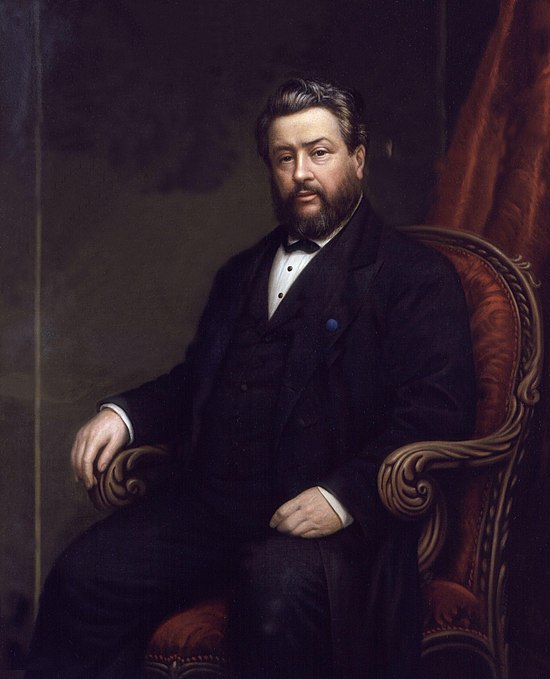
In C.H. Spurgeon's sermon "God's Estimate of Time," the main theological topic addressed is the nature of God's eternity in relation to human perceptions of time, particularly as articulated in 2 Peter 3:8. Spurgeon argues against interpretations of Scripture that attempt to predict God's timeline, such as the notion of a sabbatic thousand-year rest, emphasizing that God's understanding of time transcends human reckoning. He supports his points with various references from Scripture, including the floods and the creation account, demonstrating that God's interaction with time is fundamentally different from our own: for Him, "one day is as a thousand years, and a thousand years as one day." The practical significance of this doctrine lies in encouraging believers to cultivate patience and faith in God's timing amidst their struggles and to comprehend the greatness of God's eternal plans, which often appear delayed from a human perspective.
“You know not what you say when you speak of length of time. For you forget that in God's estimate, one day is as a thousand years, and a thousand years as one day.”
“All things are equally near and present to his view. The distance of a thousand years before the occurrence of an event is no more to him than would be the interval of a day.”
“Brethren, we need to be under no apprehension that God will ever be affected with weakness through the revolutions of time.”
“If Christ should come today... we might suppose that the book had come to its brilliant golden fini. But if it keepeth on a thousand years to come, so much the better.”
The Bible teaches that one day is like a thousand years to the Lord, emphasizing His eternal perspective on time (2 Peter 3:8).
2 Peter 3:8
God's promises are certain and assured because He exists outside of time, and His plans are eternal (Romans 8).
Romans 8
Understanding God's perspective on time helps Christians develop patience and trust in His timing rather than their own (2 Peter 3:8).
2 Peter 3:8
Auto-generated transcript • May contain errors

Comments
Your comment has been submitted and is awaiting moderation. Once approved, it will appear on this page.
Be the first to comment!