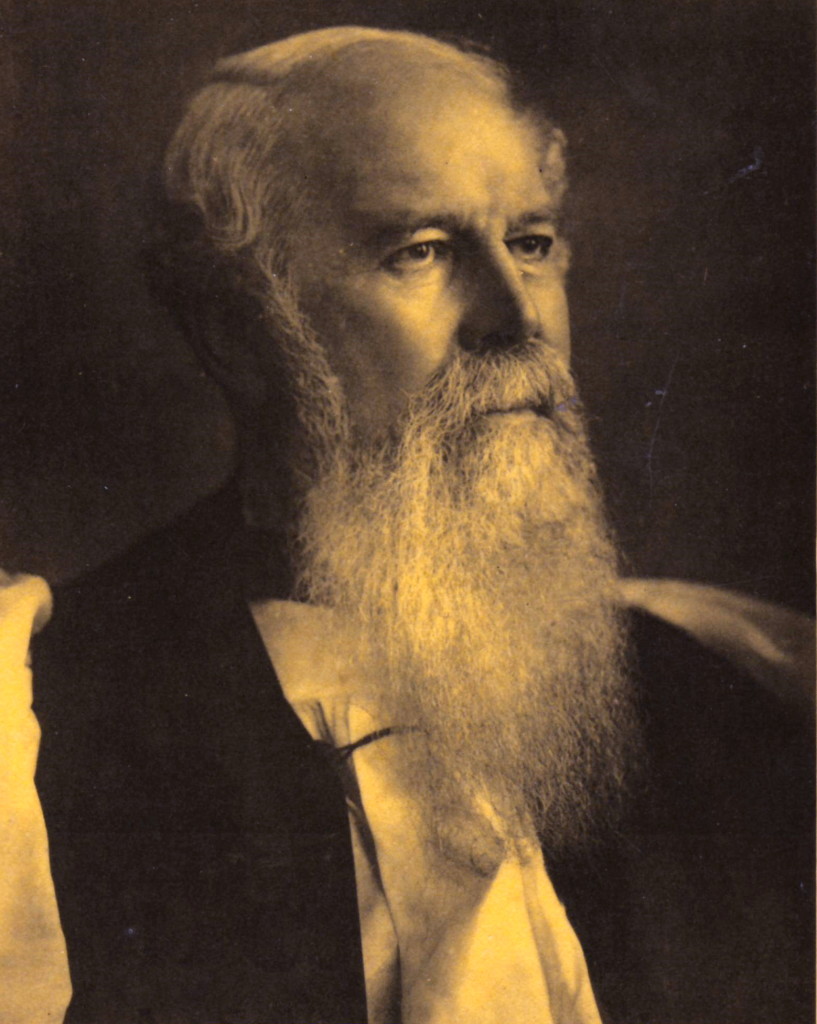
In J.C. Ryle's examination of Matthew 21:23-32, he addresses the theological doctrine of authority, particularly the authority of Jesus as the Messiah. Ryle notes how the religious leaders challenged Jesus, questioning his authority to cleanse the temple and perform miracles, reflecting a broader resistance against divine truth and reformation throughout church history. He underscores that Jesus' response, which centers on the authority of John the Baptist, reveals the priests' hypocrisy and their unwillingness to recognize God's appointed messenger, thus implicating their rejection of Christ himself. Ryle highlights the parable of the two sons to illustrate God's immense willingness to receive repentant sinners, affirming the doctrines of repentance and grace. This passage is significant for believers as it encourages them to recognize the authority of Christ and the transformative power of repentance.
Key Quotes
“The point on which they fasten is his commission—By what authority do you these things and who gave you this authority.”
“His answer was a home-thrust to the conscience of His enemies.”
“It matters nothing what a man has been in time past. Does he repent and come to Christ? Then old things are passed away and all things are become new.”
“We ought to shrink from no inquiry into the principles of our holy religion and to be ready at any time to defend and explain our practice.”
What does the Bible say about repentance?
The Bible emphasizes that God is willing to receive penitent sinners who turn to Him, regardless of their past sins.
Matthew 21:28-32, 1 John 1:9
How do we know Jesus' authority is true?
Jesus' authority is confirmed through His connection to John the Baptist, who was a prophet sent from God.
Matthew 21:23-27
Why is acknowledging Jesus' divinity important for Christians?
Acknowledging Jesus' divinity is crucial as it affirms the foundation of the Christian faith and our salvation.
Matthew 21:25, John 1:29
These verses contain a conversation between our Lord Jesus Christ, and the chief priests and elders of the people. Those bitter enemies of all righteousness saw the sensation which the public entry into Jerusalem, and the cleansing of the temple, had produced. At once they came around our Lord like bees, and endeavored to find occasion for an accusation against Him.
Let us observe, in the first place, how ready the enemies of truth are to question the authority of all who do more good than themselves. The chief priests have not a word to say about our Lord's teaching. They make no charge against the lives or conduct of Himself or His followers. The point on which they fasten is his commission—"By what authority do you these things? and who gave you this authority?"
The same charge has often been made against the servants of God, when they have striven to check the progress of ecclesiastical corruption. It is the old weapon by which the children of this world have often labored to stop the progress of revivals and reformations. It is the weapon which was oftenbrandished in the face of the Reformers, the Puritans, and the Methodists of the last century. It is the poisoned arrow which is often shot at city- missionaries and lay-agents in the present day. Too many care nothing for the manifest blessing of God on man's work, so long as he is not sent forth by their own sect or party. It matters nothing to them, that some humble laborer in God's harvest can point to numerous conversions of souls through his instrumentality. They still cry, "By what authority do you these things?"
His success is nothing—they demand his commission. His cures are nothing— they require his diploma. Let us neither be surprised nor moved, when we hear such things. It is the old charge which was brought against Christ Himself. "There is no new thing under the sun." (Eccles. 1:9.)
Let us observe, in the second place, the consummate wisdom with which our Lord replied to the question put to Him. His enemies had asked Him for His authority for doing what He did. They doubtless intended to make His answer a handle for accusing Him. He knew the drift of their inquiry, and said, "I also will ask you one question, which if you tell me, I likewise will tell you by what authority I do these things. The baptism of John, where was it from?
From heaven or from men?"
We must distinctly understand, that in this answer of our Lord's there was no evasion. To suppose this is a great mistake. The counter question which He asked, was in reality an answer to His enemies' inquiry. He knew they dared not deny that John the Baptist was a man sent from God. He knew that, this being granted, he needed only to remind them of John's testimony to Himself. Had not John declared him to be "the Lamb of God who takes away the sin of the world?" Had not John pronounced Him to be the Mighty One, who was to "baptize with the Holy Spirit?" In short, our Lord's question was a home- thrust to the conscience of His enemies. If they once conceded the divine authority of John the Baptist's mission, they must also concede the divinity of His own. If they acknowledged that John came from heaven, they must acknowledge that Jesus Himself was the Christ.
Let us pray that, in this difficult world, we may be supplied with the same kind of wisdom which was here displayed by our Lord. No doubt we ought to act on the injunction of Peter, "and always be ready to give an answer to everyone who asks you a reason concerning the hope that is in you, with humility and fear." (1 Peter 3:15.) We ought to shrink from no inquiry into the principles of our holy religion, and to be ready at any time to defend andexplain our practice. But for all this, we must never forget that "wisdom is profitable to direct," and that we should strive to speak wisely in defense of a good cause. The words of Solomon deserve consideration—"Don't answer a fool according to his folly, lest you also be like him." (Prov. 26:4)
In the last place, let us observe in these verses, what immense encouragement our Lord holds out to those who repent. We see this strikingly brought out in the parable of the two sons. Both were told to go and work in their father's vineyard. One son, like the profligate publicans, for some time flatly refused obedience, but afterwards repented and went. The other, like the formal Pharisees, pretended willingness to go, but in reality went not. "Which of the two," says our Lord, "did the will of his father?" Even his enemies were obliged to reply, "the first."
Let it be a settled principle in our Christianity, that the God and Father of our Lord Jesus Christ is infinitely willing to receive penitent sinners. It matters nothing what a man has been in time past. Does he repent, and come to Christ? Then old things are passed away, and all things are become new. It matters nothing how high and self-confident a man's profession of religion may be. Does he really give up his sins? If not, his profession is abominable in God's sight, and he himself is still under the curse. Let us take courage ourselves, if we have been great sinners hitherto. Only let us repent and believe in Christ, and there is hope. Let us encourage others to repent. Let us hold the door wide open to the very chief of sinners. Never will that word fail, "If we confess our sins, he is faithful and righteous to forgive us the sins, and to cleanse us from all unrighteousness." (1 John 1:9.)

Comments
Your comment has been submitted and is awaiting moderation. Once approved, it will appear on this page.
Be the first to comment!