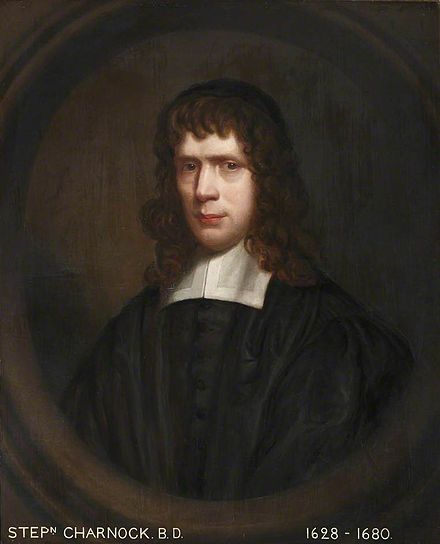
Stephen Charnock's article, "A Discourse on the Acceptableness of Christ’s Death," extensively examines the theological significance and implications of Christ’s sacrificial death. The primary argument is that Christ's death is both entirely acceptable to God and effective for the salvation of mankind. Charnock emphasizes that the complete satisfaction rendered to God through Christ's sacrifice meets the requirements of divine justice, as supported by various Scripture references, including references to Christ as the obedient sacrifice fulfilling prophecies such as Isaiah 53. The practical significance of this doctrine lies in the assurance of salvation and the acceptance believers experience in Christ, highlighting the importance of faith in receiving the benefits of Christ's work, particularly in terms of reconciliation with God and the imputation of righteousness. Charnock stresses that the sufficiency of Christ's sacrifice offers redemption to all who believe, encapsulating central Reformed doctrines of substitutionary atonement and grace.
Key Quotes
“The efficacy of this sacrifice in many fruits of it is fully expressed...the transgression was finished, an end put to sin.”
“God could not but accept it unless he could have found a spot in the offering and charged him with a non-performance of any article covenanted between them.”
“The sweetness of it depended upon the will of the donor in concurrence with the will of God.”
“He was not dragged to his sufferings but suffered more willingly than we had greedily sinned against God.”
What does the Bible say about the sacrifice of Christ?
The Bible teaches that Christ's sacrifice was a complete and acceptable offering to God, securing the redemption and justification for believers (Hebrews 10:14).
Hebrews 10:14, Isaiah 53:10
How do we know that Christ's sacrifice is effective for salvation?
Christ's sacrifice is effective for salvation because it fulfills the requirements of God's justice, providing complete atonement for sin (Romans 5:9).
Romans 5:9
Why is the death of Christ important for Christians?
The death of Christ is vital for Christians as it secures their salvation, offering forgiveness of sins and reconciliation with God (Ephesians 1:7).
Ephesians 1:7
And walk in love, as Christ also hath loved us, and hath given himself for us, an offering, and a sacrifice to God of a sweet smelling savour, Ephes. v. 2.
THE SACRIFICE OF CHRIST WAS ACCEPTABLE TO GOD, AND EFFICACIOUS FOR MEN.
There was a complete satisfaction made to God, the supreme Judge offended, pleasing to him, and effectual to free the guilty party from the obligation to the deserved punishment. Christ was white, in regard of his innocence; ruddy, in regard of his bloody passion: both put together, made him the "chiefest among ten thousand," Cant. v. 10. The efficacy of this sacrifice in many fruits of it, is fully expressed, “The transgression was finished, an end put to sin," Dan. ix. 24. the apostasy of Adam was checked, the idolatry of the Gentiles overthrown, the atonement of sin made, which could not be by the legal sacrifices; a righteousness pleasing to God, and therefore everlasting, introduced; all the predictions of him fulfilled, whereupon he is anointed, that is, fully settled in all his offices, and declared by that anointing to be a complete sacrifice, and the Prince of our salvation. The last words our Saviour spake upon the cross, gave us an assurance of this. He saw and knew the work completely performed, and then gave up the ghost: "When Jesus had received the vinegar, he said, It is finished: and he bowed his head, and gave up the ghost," John xix. 30. All the prophecies of what I was to do, are accomplished; I have nothing else now to do, to render my undertaking complete, but the bowing down my head, and sending out my last breath to my Father. All the sacrifices of the law, the daily and anniversary sacrifices, were shadows and images of him, and fulfilled in their main design in and by him. It could not be otherwise than acceptable; since there was no omission of any thing required of him, no commission of any thing forbidden to him. The whole law, both the mediatorial law, and the law of nature, were within his heart; the whole law was answered by his life. He paid an obedience, not by measure, as he had received the Spirit not by measure, to prepare him to be a victim for our redemption. It was acceptable to God for us; so must the apostle be understood. It was a sweet savour to God for those persons, and those ends, for which he gave himself. As it was a sacrifice intended and offered to God for us, so it was accepted as a sweet smelling savour by God for those persons and ends.
In handling this doctrine, I shall,
I. Premise two things for the explication of it.
II. Prove it.
III. Apply it.
I. I shall premise two things for the explication of it.
1. God was not absolutely bound to accept it for us. Though this sacrifice was infinitely valuable in itself; and had it been without a divine order, might have been counted a testimony of affection to the honour of God, and the good of the creature: yet God might have refused any acceptance of it for us; he might have rejected every sacrifice, but that of the offender. If we consider it simply in itself, without any previous order, without any covenant struck between the Father and the Son concerning it, he was not obliged to have any respect to the apostate creature, upon the account of it. But after a covenant struck between them, wherein it was agreed that Christ should lay down his soul as a ransom, and offer himself an unblemished sacrifice for the sons of men, and that he should see the travail of his soul, and by his righteousness justify many, after he had borne their iniquities in his own body on the tree, Isa. liii. 10, 11. God could not but accept it, unless he could have found a spot in the offering, and charged him with a non-performance of any article covenanted between them. If it were according to the tenor of the covenant of redemption, it could not be refused by God, being consequent to his decree and promise. But if we consider it in itself, God was not bound to accept it for us, though he might have had a high esteem of it: for, according to the tenor of his law, he might have demanded a compensation from the person of the sinner, and laid the punishment upon the person upon whom he found the guilt, and exacted the life of the sinner as a sacrifice for the sin. The acceptableness of this sacrifice was from itself, in regard of the dignity of the person, the infiniteness of the sacrifice; but the actual acceptation of it for us, was from the covenant and agreement between them. When a man offers to give a thousand pounds for that which is not worth a thousand pence, the sum is not only a valuable, but an overvaluable consideration for that which is desired; but the acceptation of this sum from the other, depends upon the will of the person whose property it is. The death of Christ was a sacrifice of a valuable consideration for the sin of the world, and sufficient to expiate the greatest crimes both for number and weight: but the receiving of it upon such an account, depended upon the will of the Lawgiver, whose authority was violated in the breach of the law, and who, as the only Judge, had passed sentence on the offending creatures, and had “concluded all under sin," Rom. xi. 32 and sentenced the whole world," under condemnation," Rom. iii. 19. It must be accepted by him, it had not else been of itself valid for us. In regard, therefore, of the value of this sacrifice, all the beneficial fruits of it streaming upon the creature, are in scripture ascribed to the death of Christ: but in regard of God's acceptation of it for us, they are ascribed to the grace of God; to the grace of God, as appointing and accepting; to the death of Christ, as procuring and purchasing. The grace of God gave a virtue to the mediation of Christ, in regard of its application to us; but the death of Christ had a value in itself, whether it had been accepted for us or not, or ordered by God to be applied to us. And as God respects the agreement in the promise he makes to us, so Christ doth not enter any pleas in respect of the intrinsic worth of his blood, but makes this agreement the foundation of them: "I have finished the work which thou gavest me to do," John xvii. 4. The prevalency of it for us depended upon God's order. Indeed, had he not finished the work, he could not have challenged the reward promised: there was to be merit on hi3 part, before a reward on God's. Yet the sufferings on his part may be conceived without any reward on God's part, if considered separate from this agreement and divine transaction between them. We must not understand this, as though, if God had not been obliged to dignify Christ for his sufferings, by the promise he had made him, he would not have rewarded those sufferings out of mere goodness; for since God in his own nature is infinitely good, he cannot but love holiness and affection to him, and testify his approbation of it by some retribution.
2. As the acceptation of it depended upon the will of the Lawgiver and Ruler, so the acceptableness of it depended upon the will of the Redeemer. The apostle therefore saith, "He gave himself for us;" the sweetness of it depended upon the will of the donor, in concurrence with the will of God. The more of will there is in any act of a creature's obedience, the more savoury it is to the divine majesty, to whom it is paid: his love both to God and us made his sacrifice a sweet smelling savour. The merit of his death depended not upon his mere dying, or upon the penal part in that death; but upon his willing obedience in it, in conjunction with the dignity of his person: without this, he might have breathed out his soul without being a victim. Had not Christ's will been full and firm in it, that his sufferings should be for us, they could not justly have been accepted for us, or applied to us'; it could not have been a payment of our debt, and the application of him to us had been an alienating the goods of another against the will of the proprietor. This sweet savour exhaled from his voluntariness; he was not dragged to his sufferings, but suffered more willingly than we had greedily sinned against God. We had conscience checking us in sinning, but Christ had no conscience checking him in suffering; it was his meat and drink to do his Father's will. As God's order makes his sacrifice capable of being satisfactory, so the free willingness of Christ makes it capable of being accepted for us, and applied to ns. Involuntary services are rather passions than actions; in them we rather suffer a service than perform it. There was obedience in every preparatory act of Christ, obedience in the last act, in the suffering death; and it was his obedience in suffering, not simply the suffering itself, made it meritorious of his mediatorial glory for us, "Wherefore God also hath highly exalted him," Phil. ii. 8, 9. namely, because of his "obedience to the death of the cross." His joy in performing, was the incentive of God's joy in valuing, accepting, and rewarding it; God eyed his obedience in the crown he gave him; and it was in the consideration of his obedience in suffering, that he advanced him to that excellent dignity.
II. That this sacrifice is acceptable to God and efficacious for us, will appear in several propositions.
1. God took pleasure in the designment and expectation of it.
(1.) His eternal delights were in him, not only as his Son, but as a Redeemer. God's delight in Christ, and Christ's rejoicing in the habitable parts of the earth, and delighting in the sons of men, are coupled together, Prov. viii. 30, 31. as if God delighted in him, because he delighted in the redemption of man. Hence God is introduced speaking with a kind of joy of this ransom, "Then is he gracious to him, and saith, Deliver him from going down into the pit, I have found a ransom," Job xxxiii. 24. that is, I have accepted a ransom, and have a price in my hand; as, "I am become rich, I have found me out substance," Hosea xii. 8. that is, I have got wealth enough; so I have here price sufficient, loose the chains of the prisoner. This finding is the same on God's part with acceptation, as finding on Christ's part is the same with obtaining, "Having obtained eternal redemption," Heb. ix. 12. having found. It is the speech of God: who else but the Ruler of the world, and the Judge of all flesh, hath power to order the delivery of the captive? It is the exultation of his mercy at the appearance of a sufficient sacrifice for the forlorn sinner, whose soul was drawing near to the grave, and his life to the destroyers. It is the triumph of mercy at the thoughts of it.
(2.) What was the ground of his promises to him, but his pleasure in him for this undertaking? What else can be the meaning of those words, which the apostle cites to prove the Deity of Christ, "And again, I will be to him a Father, and he shall be to me a Son," Heb. i. 5. that God would be always to him a Father, accepting his obedience, and he should always be a Son, offering upon the cross, or pleading upon the throne his sacrifice and sufferings; a father to him as Mediator, to countenance, encourage, accept him, and all his undertakings? This is a promise made to Christ; what need of any promises to Christ, considered only as the Son of God, equal with the Father? It is a promise to Christ as the seed of David; (the place the apostle cites it from, is 2 Sam. vii. 14.) and if to him as the seed of David, it is made to him as Mediator, promising a kingdom to him upon his suffering, and an eternal acceptation of him as an obedient son; the ground whereof was his purging our sins by himself, Heb. i. 3. all the promises of God to Christ, respect not Christ absolutely considered as the Son of God, but in the relation of mediator, sacrifice, ransom for man, for they are all branches issuing upon that first promise to man in paradise, of the Seed of the woman, whose heel was to be bruised. God promiseth to be a Father to Christ, in the same sense that Christ owns him to be his God, and his Father after his resurrection, John xx. 17. which respects God's relation to him as Mediator; for as he is considered absolutely as the Son of God, God could not so properly be said to be his God. The term implies a covenant between them, in pursuance of which, Christ was to be God's servant, and in acceptance of this, God was the God of Christ, and promises to be his Father, manifesting his fatherly and gracious acceptance of his services, as a father doth the obedience of a son; and therefore Christ pleads the righteousness of God for the obtaining the accomplishment of his grace in those that believe in him, as well as the love which God bore to him as Mediator: "O righteous Father," &c. John xvii. 25, 26. Grace was the fountain of the promise, but justice is obliged for the performance.
(3.) Hence it was that he declared his acceptation of him at his entrance into his office, which was at his baptism: "This is my beloved Son, in whom I am well pleased," Matt. iii. 17. not respecting only his eternal filiation, but the work he was entering into the exercise of, and the preparations to his being a sacrifice: with this work, wherein his Son was to glorify him, was he well pleased; his interposition as a victim for the salvation of many brethren, was grateful to God. The Hebrew word in Isa. xlii. 1. whence this place is cited, is often used to express God's pleasure in, and acceptance of, sacrifices offered to him "according to his will," as Job xxxiii. 26. Mai. i. 8. and here it refers to the whole work of Christ, as the whole work of redemption is called the good pleasure of God, Ephes. i. 5. He confirms here, by his own testimony, what he had declared before by the angels in their hymn: "Good will towards men," Luke ii. 14. So certain was God that this sacrifice would answer all his ends, that he testifies himself well pleased with him, before the full performance of his work.
(4.) Hence it was that God delighted to bruise him, and in the thoughts of it. He foresaw what pleasure he should take in this, as I may say, aromatic sacrifice, after it was bruised and pounded, Isa. liii. 10. Not that God did delight in the act of bruising, considered separately from the ends for which he bruised him, since all acts of justice are his strange works, but with an eye to the issue of it, which was, the glory of his divine perfections, the recovery of lost man, the restoration of the health and soundness of the creation; as the physician delights not in the sharpness of the medicine he administers to the patient, or a surgeon in lancing the body, but as it conduceth to the health of the patient.
(5.) Hence it was that he took pleasure in the representations of it before it was actually offered. Hence the very first service after the promise was probably a sacrifice, as hath been said before, and the chief part of worship in the only church God had in the world for many ages, consisted in sacrifices, the representations of this grand victim in the end of the world. In all those things, which could not upon their own account satisfy God, as not being suited to his justice and wisdom, and not able to expiate the sin of a rational creature, he smelt a sweet savour, as they were images of this sacrifice, whence the greatest and most pleasant fragrancy should be exhaled, Gen. viii. 20.
All this pleasure of God testified before the oblation, was from the certainty of its accomplishment. God knew he "laid help upon one that was mighty," Psa. lxxxix. 19. mighty to please him, and pleasure us. God could not have beforehand rejoiced in that which should have come short of his expectation; it is inconsistent with the Deity to have such a disappointment; the least failure in the sacrifice would have frustrated his contrivance, and rendered it loathsome to God as the sin of Adam for which he suffered: but it was impossible for God to be disappointed; and impossible for the Redeemer, being God as well as man, to fail in the performance of his part, and thereby God come short of his satisfaction, and the sinner of his security.
2. God had a restoration of his rest, which had been disturbed by the entrance of sin, and therefore this sacrifice was highly acceptable to God. He was God's "servant, in whom his soul delighted," or had a rest, Isa. xlii. 1. Excluding all other things from contributing to the rest or delight of God. God rested in the works of creation as they were shadows of his wisdom, power, and greatness; especially as they were effluxes of his goodness, and answered his glorious ends; for the ground of his resting was a review of the goodness of them according to his own mind and idea. He saw himself and his attributes glittering in the creatures. But the rest of God was disturbed by the invasion sin made upon his rights in the world; and no sooner had he made the world, and was "refreshed," Exod. xxxi. 17. but disorder and 'confusion, by means of sin, spread itself over that frame; whereupon he cursed the earth, which he had newly made; gave sentence against man, and though it was tempered with the mercy of a gracious promise, yet he left him under some outward penal evils all his days, because of his revolt, and had no rest but in that Seed of the woman, whose heel was to be bruised by the serpent, that the serpent's head might be shattered and bruised by him; and thereby an end put to that disorder which had entered by the serpent's breath. And therefore all the joy God hath in his church, the best part of his creation, is from this rest or acquiescence in his love, or the object of his love: "He will rest in his love, he will rejoice over thee with singing'," Zeph. iii. 17. Hence it is, that the temple, the type of Christ, is called, in regard of those shadows of him, namely, sacrifices daily performed in it, "the house of his glory," Isa. lx. 7. "a glorious high throne," Jer. xvii. 12. "the place of his rest," Isa. lxvi. 1. Could gold and silver, polished stones, and artificial structures.be the rest and throne of God? As little as the blood of bulls and goats, could affect him of themselves with a fragrant smell. His sole acquiescence was in the temple of the body of Christ made fit to be a sacrifice, and represented by those types. Such a rest he had in him as a sacrifice, that upon that very account he gave all things into his hands: and as by eternal generation he had communicated to him the perfections of his nature; so, as he was a mediatorial sacrifice, he gave him authority to execute judgment, gave him a kingdom as large as his own, and seemed to vail his own authority, to increase his, and as it were stands behind the curtain, while this our Mordecai, that saved us from death, manages all the concerns of his empire, and all to this end, that "men might honour the Son as they honoured the Father," John v. 22, 23. Such a perfect acquiescence hath God in him, that he will entertain nothing to the prejudice of the honour of Christ in his work. He will not have the best works and sacrifices of men, partners and competitors with him; lie will for ever discard all those that have not the same thoughts of him, the same satisfaction and glorious rest in him, according to their measures, as himself hath. No other sacrifice shall be of value with him for the atonement of sin; not a drachm of mercy, not so much as to the quantity of the cooling virtue of a drop of water, can reasonably be expected by those who refresh not themselves with that sacrifice wherein God found so delightful a rest. Such a rest hath God in this sacrifice, that it shall be the matter of the praises of the saints to all eternity in heaven.
3. The highest perfections of God's nature had a peculiar glory from this sacrifice. All his perfections, not discovered before to the sons of men, are glorified punctually, according to his intentions and resolves for their discovery. Not a tittle of his nature which was to be made known to the sons of men, but is unveiled in this sacrifice, to their view, in a greater glory than the creatures were able to exhibit him. The "knowledge of the glory of God shines in the face," or appearance, “of Jesus Christ," 2 Cor. iv. 6. that is, all the perfections of his nature are delineated in this saving sacrifice. In which respect some think that, of the "fulness of the Godhead's dwelling in him bodily," Colos. ii. 9. is to be taken, not only that the Deity dwelt in the human nature, but the full discovery of the perfections of the Godhead was in the appearance of Christ in his body, as prepared for a sacrifice, as in a map and scheme, as clear as could possibly be represented to the view of men. It is in the purchase of our redemption by his blood, that he appears to be the "image of the invisible God," as well as the “firstborn" or head of "every creature," Colos. i. 14,15. the image of those perfections of the Godhead, which otherwise had been utterly invisible to man; the image, not of his will, as the Socinians say, but of his nature. Hence is the glory of the Lord, as well as the salvation of his people, the name and title of Christ, “the glory of the Lord shall be revealed," Isa. xl. 5. Luke ii. 32. His holiness was glorified in the discovery of the hellish filthiness of sin; his justice in the grievous punishment of it; his mercy to his creatures, in the giving the dearest thing he had, a ransom for them. In him he appeared gracious as well as righteous, transcendently merciful in the exercise of the highest justice, Psa. cxvi. o. both shone clearly in the head of this sacrifice, being tempered for the glory of God, and the good of the creature; the seat of Justice is turned into a throne of grace, puts on the quality of an advocate instead of that of an accuser, uttering absolutions instead of condemnations. Since Justice is propitiated by the death of Christ, it steps in as an agent in the justification of a believer, Rom. iii. 25, 26. Justice, the main attribute to be dreaded by man, was so glorified and pleased by this sacrifice, that this alone would oblige him to the remission of sin, if mercy should not have any suit for itself.
4. Compare this sacrifice with the evil for which he was sacrificed, and which had invaded the rights of God, and the sweet savour of it will appear, as also the efficacy of it.
(I.) This sacrifice was as honourable for God, as our sins had been a dishonour to him. As much glory accrued to him by it, as injury was offered him by our sin. Our sin was the sin of a creature, and the sacrifice was the act of that person by whom God made the world. The sin was the act of his creature-image, the sacrifice was the act of the “express image of his person," Heb. i. 2, 3. Sin was committed by man, and expiated by him who was God. It was not only a rational sacrifice for the sin of a rational creature, but a divine. The sin was an infinite offence in regard of the person against whom it was committed ; the price was of an infinite value in regard of the person by whom it was paid; the dignity of the person makes a compensation for the malice of the crime; an infinite person was not more wronged by the transgression, than he is righted by the dignity of the person who made the compensation for it. It is every way proportioned to the infinite guilt of the crimes for which it is offered, and the infinite justice of God which was offended thereby. God had a price of a full value, he was fully repaired in his honour, and we delivered from our chains. In some respect the attributes of God were not so much dishonoured by the sin of Adam, as they were glorified by the death of Christ; Christ glorified by his sacrifice those perfections which were not then discovered nor discoverable to Adam in his innocence, as patience and grace; as well as those which were particularly offended by the revolt of man. This sacrifice fully repairs the honour of God, which nothing else could do. The reason why the damned lie for ever under the weight of his wrath in hell, is, because by all their suffering they cannot restore that honour to God, which thy have robbed him of by their iniquities.
(2.) There was therefore a greater pleasure arose to God from this sacrifice, than noisomeness from our sin. The dignity of the person suffering was equal to the dignity of the person injured, and infinitely exceeding the quality of the person offending. The sin of a creature could never be so filthy, as the blood of the Son of God was holy; and the noisomeness of the first could not equal the sweetness of the latter. The stench of sin was not only balanced and tempered, but overpowered by the sweetness of this sacrifice. Divine justice was not more incensed against the crime, than divine holiness was delighted with the offering. Sin was the sin of the human nature, the sacrifice was of the human nature in union with the divine, and offered up by an “eternal Spirit," Heb. ix. 14. The apostle in that text alludes to Gen. viii. 21. God smelt so sweet a savour from Noah's sacrifice, the type of this, that he resolves never more to curse the ground, or send a deluge upon the new world, though he knew it would prove as bad as the old; for in the same breath, wherein God's resolution is discovered to us, his sense of the evil of men's imaginations from their youth is declared also. The fragrant odour of the one, was above the noisome scent of the other. Though our consciences are purged from dead works, which do morally pollute us, as the touch of a dead body did ceremonially pollute the Israelite, yet they are but partially purged here to serve the living God. There is not a service we offer, but hath something mixed with it contrary to the holiness of God; yet the evil fumes that steam up with our sacrifices of duty, are overpowered by the rich perfume of the sacrifice of the Son of God: that when for the foulness of our imperfections we deserve a repulse, yet for the sweetness of his sacrifice we find an acceptation; so much did the merit of his blood overcome the ill scent of our iniquities in the nostrils of God, that he cancels our bonds, which were due to him, and makes new ones of himself to Christ; he frees the creature from the deserved punishment, and obligeth himself to give eternal life to every one that believes in him thus sacrificed, howsoever noisome his sins wherewith he had affronted Heaven before.
(3.) Therefore it is efficacious for man, because so pleasing and sweet to God. Sin did not so much hurt to the transgressor, as this sacrifice procures good to the believer. Sin took away spiritual life, Christ by his sacrifice procures a restoration of it in a fuller communication than before, John x. 10. a richer and more overflowing fountain than before, more abundantly than Adam in innocency, who had it mutable in his own hands, we immutable in the hands of our Head, who is our life; more abundantly than the patriarchs of the old testament, who had it in hope, and we in the full exhibition. A spiritual life more firm than Adam's, ending in an eternal life more durable. Therefore the grace of Christ surmounts the effects of Adam's sin. The apostle discourseth of the abundance of grace above the abundance of sin, Rom. v. 15—17. As Adam's sin barred paradise against him and his posterity, the blood of Christ, as oil to the lock, makes heaven's gates open easily for the re-admission of every believer.
5. His resurrection after his bloody sacrifice, is a clear evidence of the sweetness of its savour with God, and its sufficiency for us. He was not totally swallowed up by divine justice, but surmounted all the strokes of it, and lifted up his head above the waves that surrounded him. The fetters of death had not been unlocked, if his sacrifice had not been satisfactory. The justice of God might as well have discharged him without any sacrifice at all, as discharged him upon an insufficient one. The freedom therefore of the prisoner from his chains, is an evidence of the full satisfaction of the debt, and the completeness of the sacrifice, since it is by that God, whose name hath that letter in it, “By no means to clear the guilty," Exod. xxxiv. 7. that the writ of execution was taken off: "He was taken from prison and from judgment," Isa. liii. 8. By whom? By him who only had authority to release him, who became a God of peace by his sacrifice, before he showed himself a God of power in his resurrection, Heb. xiii. 20. He was appeased as an offended Lawgiver, before he gave a judicial discharge as the supreme Governor, unloosed the chains of death, sent an angel as his officer to unlock the prison doors, the grave, and set him at full liberty, no more to be arrested. There could be in this case no forcible breaking of prison, he being in the hands of the Almighty God, who had as much power to keep him in the chains of death, had his sacrifice been blemished, as he had to free him, when his sacrifice was spotless. Justice therefore is fully satisfied, since the "pains of death are unloosed," Acts ii. 24, 25, &c. for it was not possible he should be holden of them, because the truth of God was engaged that his "holy One should not see corruption." This raising him was a justification of him; for when he was taken from prison, he was taken from judgment also, that no suits could be brought against him, or any new actions laid upon him, and he was “declared to be the Son of God," Rom. i. 4. and if we take in verse 3, that seed of David also, which was prophesied of; and he was declared to be so with power, not only by the power that raised him, but by the power of the government of the world, wherein he was instated upon his resurrection. For this act of God was a testimony that he had ordained him, and ordained him also “to judge the world," Acts xvii. 31. By this he was acquitted by God, as having done all that he did according to the articles between them. And in that act all his members have an original and fundamental discharge to be sued out in due time in particular upon their faith i It is in this discharge he triumphs, as it was his justification before men and angels: “He is near that justifieth me, who will contend with me?" Isa. 1. 8. This is the foundation of the apostle's triumphant challenge: "O death, where is thy sting?" 1 Cor. xv. 55,56. Where is sin, that ushered death into the world, and by it stung man to the heart? It is conquered by the resurrection of Christ, which is a clear evidence of the sweetness of this sacrifice to God, and its efficacy for us. Our faith is not in vain, which it had been, according to the apostle, "if he had not risen," 1 Cor. xv. 17. as he died, namely, in the quality of our Surety and Head. Had not the sacrifice been without exception, the devil had been the victor, and Christ his triumph. He would have acquired a stronger power over men by the least blemish, as he first gained it by Adam's sin. Had he not been justified himself, he could never have justified us, nor could the mercies of David have been sure and perpetual without it, Acts xiii. 34. So mightily pleased was God with this sacrifice, that he employed his glorious power to raise him; Justice had no plea to continue him in prison, nor the devil any power to hinder the breaking of his fetters. His sacrifice was his act to propitiate God, his resurrection was God's act to comfort us.
6. The ascension and full exaltation of Christ after his bloody sacrifice, is a full evidence of this doctrine. Since the promises made to Christ are accomplished, which were conditional upon the making his soul an offering for sin, it manifests he is an unexceptionable sacrifice. He had a kingdom promised him, and doth now rule in the majesty of God, Micah v. 4. Had there been the least blemish upon him, he could not have claimed the performance of any one promise, nor had justice been bound to make any good to him. Grace to man made the first promise to Christ in favour of justice, and justice would have hindered the performance of any promise, had it been able to find any exception. This sacrifice of his, in “pouring out his soul to death," is the foundation of all his advancement, Isa. liii. 11,12. This being the condition on his part, could not but be followed, upon the fulfilling it, with a performance of the promises on God's part. Now Christ went first to heaven in his soul immediately after his oblation to present his sacrifice to God, and receive his judgment about the validity of it; for that day, the day of his sufferings, he was to be in paradise; “after death the judgment." This was agreeable to the type of him. in the anniversary sacrifice upon the day of expiation, when the high priest was to go with the blood into the holy place immediately after the shedding of it, and sprinkle it on the mercy-seat; for after the blood was clotted, it was incapable of being sprinkled. Christ immediately after his death appears in heaven, to receive the acceptation of his Father. This was in his soul, his body then lying in the grave, which the scripture calls not an ascension till his soul and body were re- united, and both went up to heaven together. By this first entrance into heaven, Christ obtained eternal redemption for us. Had not this judgment passed from God, of the prevalency of his sacrifice, God had never sent an angel to unlock the grave, nor a cloud as a chariot to carry him up to heaven. This supposeth his sacrifice on earth to be already ratified in heaven. By this ascension he was again declared, as well as by his resurrection, to be without sin, without any need of repeating his sacrifice, Heb. ix. 28. His triumphant entrance into heaven assures us, that his sacrifice was admitted into the bosom of God with infinite delight and pleasure. He could not have had a glory, had he not punctually observed his order. Triumph doth not precede, but follow a victory. His. going to the Father was a full conviction of the righteousness of his person, and his punctual discharge of his office; and the chief topic whereby the Spirit should argue men into a compliance with him, John xvi. 9, 10. is, because he is gone to the Father. Heaven had been no place for a blemished and imperfect offering. The angels had not been commanded to be his adorers, but rather with their flaming swords have chased him out of heaven; he could as little have continued there with a spot, as Adam in paradise after his transgression. No gift could have been poured out upon the sons of men. The Holy Spirit could never have been the purchase of an unaccepted sacrifice. He could not have been invested with a power to exercise any office in heaven, if he had not executed what he had undertaken upon earth; he could not have lived to apply his sacrifice to us, if he had not been accepted in his offering himself a sacrifice for us. But, since he sits at the right hand of God, it is an infallible token of God's absolute rest in him, and his own rest from any further labour; it is an argument of special favour and dearness. God hath given him all power in heaven and earth, ordered all the angels to worship him, and not only to give him a simple adoration, but to be at his command, his ministers and attendants in his kingdom; he subjected his whole court to him and his service; he bestowed upon him all the honour that was possible to be given him as Mediator, out of the complacency he had in him as a sacrifice. It was upon the account that "he purged our sins" by himself, that he "sat down at the right hand of the majesty on high," and had all that dignity conferred upon him which is afterwards named, Heb. i. 3. The whole prophecy of it is called "a song of loves," Psa. xlv. title. So highly pleasing it is to God, that he will not cease shooting his arrows, till he hath put every enemy under his feet, that doth not agree with him in his pleasure and delight in Christ, Psa. cx. 1. As therefore he is entered into heaven, sat down at the right hand of God, and has maintained the plea of his sacrifice for so many hundred years since he first entered his suit, it is a proof that the pleading his death, and the sight of his sacrificed body, is not wearisome and distasteful to God. It is not like a carcase that he desires to be buried out of his sight. He joyfully hears the voice of his blood sounding in his ears to this moment. Well therefore might the apostle upon this account make so great a challenge to all: "Who is he that condemneth? it is Christ that died; yea, rather that is risen again, who is even at the right-hand of God, who also maketh intercession for us," Rom. viii. 33, 34. Christ by his death, appeased the wrath of God; by his resurrection', he was acquitted by the justice of God; by his ascension, he took possession of his regal throne; by his sitting at the right-hand of God, he prevalently pleads his sacrifice for the ends for which it was offered, and by his Spirit applies his blood to them that believe in him.
7. The admirable virtue of this sacrifice, evidenceth the sweetness of it in the account of God. It had a virtue antecedent to the oblation of it, and after the oblation it hath a perpetual virtue.
(1.) It had a virtue antecedent to the oblation of it. God upon the foresight of this sacrifice to be made in due time, did dispense his pardon to those that rested upon this future sacrifice, and did not stay till the satisfaction should be made for the injury committed, but imparted it to men, that hoped in the merit of the sacrifice before the oblation of it, and released the captive upon the single bond of Christ, before the actual payment of the ransom. Upon his promise to be a sacrifice, believers under the old testament were saved by the merit of it, as well as those under the new. Abraham rejoiced to see his day, and was justified by faith in him. When he appeared, his design was to "put away sin," Heb. ix. 25, 26. what sin? not only sins committed while he was in the flesh, or sins committed after his ascension, but sins before, even those transgressions which the legal sacrifices from the time of their first institution were unable to expiate; such sins, which the high priest entering into the holy place every year with the blood of animals, was not able to wipe off", and to "make that perfect which the law could not," Heb. vii. 19. and redeem from the "transgression under the first testament," Heb. ix. 15. As a head appointed by God, he saved men before his coming, as Adam the first head ruined men before their birth. It is not more efficacious now, nor will be to eternity, than it was before; for he is the same in point of virtue yesterday, in the ages past, as he is to-day, at present, and will be in ages "to come," Heb. xiii. 8. Whoever were accepted by God in their persons and services, were accepted upon the account of the first-born or head of every creature; as in him all the elect were chosen, so in him they were all accepted, Eph. i. 4, 6. Faith was from the first ages of the world; the proper object of faith is God in the Redeemer, and he was not considered by the patriarchs, but in that quality, in all their sacrifices, since he had changed the government after the fall, from God as Creator, to God as Redeemer; and therefore as air his acts of government respected the Redeemer and the redemption, so all the services of men were to respect the Redeemer promised. What God did to them, was in the name of Christ, the angel of his covenant; and what they offered to God, was with an eye to the promised Seed, which is the same thing with our doing all things in the name of Christ, the circumstance of time only being altered; what was future then being changed into time past now. The ground of this was the agreement between God and Christ for the performance of this oblation. When bonds are agreed on, and time given for the payment of the debt, the prisoner hath his liberty till that revolution of time. Now, not only the thing to be done, but the time when it was to be done, was settled between them, called therefore a due time, or a stated opportunity, Rom. v. 6. arid the fulness of time; and till that time there was to be a relaxation or pretermission, a not charging the debt upon them, which is the word used by the apostle: “For the remission of sins that are past," Rom. iii. 25. Had not this sacrifice had a virtue antecedent to the oblation of it, Christ himself, in the days of his flesh, could not well have uttered those words so often, “Thy faith hath saved thee," before he had bowed his head upon the cross. The removal of sin, the bar to communion with God, upon the credit of a future sacrifice, is an undeniable evidence how sweet the expectation of it was to God; and therefore sweet must the actual immolation of it needs be.
(2.) After the oblation it hath a perpetual virtue. If the virtue of it, before it was offered, reached to the first ages of the world, as far as Adam and Abel, it will continue in as excellent a force to the last believer, that shall close up the number of the elect at the end of the world. If the blood of Abel is so efficacious as to procure a perpetual vengeance upon Cain, shall not the blood of that person, by whom God created the world, be more efficacious to procure a perpetual blessing from the grace of God, to which he is more inclined than to acts of vengeance? Though this sacrifice was but once offered, yet it works, in regard of its virtue, perpetually as a moral cause. As, the act of sin ceasing, the guilt and power of sin remains binding over to punishment, so, though the act of Christ's offering himself ceased, yet the virtue of it is durable. The blood of this redeeming victim, is intimated to be an incorruptible blood: “We are not redeemed with corruptible things, as silver and gold, but with the precious blood of Christ," 1 Peter i. 18,19. precious because incorruptible; the opposition testifies it, though it be not the same expression; precious blood is opposed to corruptible things. As his body, so likewise his blood, and the efficacy of his sacrifice, was not to see corruption; his blood is like the rod of Aaron, always flourishing in the holy of holies before the mercyseat.
Aaron's rod flourished after Aaron's death, the sacrifice of Christ is always fresh rising before the throne of God, producing the fruits it merited, and the grace we want. This blood is called “a new and living way," as if it were just now shed, or had been sprinkled upon us as soon as it streamed out of his body. Since he is a Priest for ever, the virtue of his death abides for ever; he could not be a Priest for ever without an everlasting sacrifice, for priest and sacrifice are relatives. If he be a priest for ever, he is a sacrifice for ever; the same moment that the virtue of the latter ceaseth, the honour of the former would shrink away: but that is “unchangeable," Heb. vii. 24. His kingdom cannot be shaken; his sacrifice therefore, which was the foundation of his kingdom, cannot be wasted; he must cease sitting upon his throne, fall from being the Father's darling at his right hand, if the virtue of his merit, and the efficacy of his blood, should cease producing the true fruits of it among his people. Though the oblation was but once, yet the presentation is perpetual; he pleads upon his throne what he offered upon the cross. If it were a wasted thing, it were not worthy of the plea of so great a person as the Redeemer, nor worthy to be pleaded before so great a person as the Judge of all the world. He is, in regard of the continued virtue, not said to have been, but to be, our propitiation: “He is the propitiation for our sins," 1 John ii. 2. he is, not has been, he is now sitting in heaven: he was a propitiation on earth in his offering, he is a propitiation in heaven in the presentation of that offering. While his plea is heard, his death is accepted, for his plea is only the voice of his blood, and the fumes of his sacrifice. If the gospel must be preached to the end of the world, the virtue of his sacrifice, upon which the efficacy of the gospel depends, shall endure as long as the world endures. This perpetual virtue was typified by the ashes of the red heifer burnt without the camp, which were reserved for purifying from legal uncleanness, Numb. xix. 9. As the power of the devil shall never be able to pull him out of his throne, so the power of sin shall never be so prevalent as to weaken the virtue of bis blood; as long as he remains in a state of life, his blood will have its efficacy, because it is the blood of "the everlasting covenant," Heb. xiii. 20. "What greater evidence can there be of the gratefulness of it to God, than its virtue reaching to the most distant ages of the world, and running through all the revolutions of time? 8. It is so acceptable to God, that it is a sufficient sacrifice for all, if all would accept of it, and by a fixed faith plead it. It is sufficient for the salvation of all sinners, and the expiation of all sins. The wrath of God was so fully appeased by it, his justice so fully satisfied, that there is no bar to a re-admission into his favour, and the enjoyment of the privileges purchased by it, but man's unbelief. The blood of Christ is a stream, whereof all men may drink; an ocean, wherein all men may bathe. It wants not value to remove our sins, if we want not faith to embrace and plead it. As no sickness was strong enough against the battery of his powerful word when he was in the world; so no guilt is strong enough against the power of his blood, if the terms upon which it is offered by God, be accepted by us. It is absolutely sufficient in itself, so that if every son of Adam, from Adam himself to the last man that shall issue from him by natural descent, should by faith sue out the benefit of it, it would be conferred upon them. God hath no need to stretch his wisdom, to contrive another price, nor Christ any need to re-assume the form of a servant, to act the part of a bloody sacrifice any more. If any perished by the biting of the fiery serpent, it was not for want of a remedy in God's institution, but from wilfulness in themselves. The antitype answers to the type, and wants no more a sufficiency to procure a spiritual good, than that to effect the cure of the body. He is therefore called "the Saviour of the world," 1 John iv. 14. And when the apostle upon the citation of that in the prophet, that "whosoever believeth on him shall not be ashamed;" concludes, that there is "no difference between Jew and Gentile," but that "whosoever shall call upon the name of the Lord, shall be saved," Rom. x. 11, 13. by the same reason it may be concluded, that there is no difference between this and that man, if they believe: what is promised to one believer, as a believer, is promised to all the world upon the same condition. And when the apostle saith, verse 9, "If thou shalt confess with thy mouth the Lord Jesus, and believe with thy heart, thou shalt be saved;" he speaks to every man that shall hear that sentence. If any man believe, this sacrifice is sufficient for his salvation; as Adam's disobedience was sufficient to ruin all his posterity descending from him by natural generation; so is this sacrifice sufficient to save all that are in Christ by a spiritual implantation. The apostle's comparison would not else be valid: "As by the offence of one, judgment came upon all men to condemnation, so by the righteousness of one the free gift came upon all men unto justification of life," Rom. v. 18. And if all men in the world were united to him by faith, there could not be any more required of Christ for their salvation than what he hath already acted; for it is a sacrifice of infinite value, and infinite knows no limits. Since it was sufficient to satisfy an infinite justice, it is sufficient to save an inexpressible number; and the virtue of it in saving one, argues a virtue in it to save all upon the same condition. Who will question the ability of an almighty power to raise all men from death to life, that hath raised one man from death to life by the speaking of a word? If men therefore perish, it is not for want of value, or virtue, or acceptableness in this sacrifice, but for want of answering the terms upon which the enjoyment of the benefits of it is proposed. If a man will shut his eyes against the light of the sun, it argues an obstinacy in the person, not any defect in the sun itself.
9. The effects of this sacrifice show the acceptableness of it to God. As the effect of Adam's disobedience demonstrates the blackness and strength of his sin, so the fruit of this sacrifice evidenceth the efficacy of it. Had it not been sweet to God, we had still been in our sins. He was to perfect his people, which had been impossible, had he not been perfect himself in his sufferings; if he hath "perfected for ever them that are sanctified," then that sacrifice whereby he did perfect them is fully complete, Heb. x. 14.
(1.) Remission of sin. Our lives by our rebellion were a debt to the violated law; when we transgressed the precept, we incurred the penalty: this debt is discharged to believers by Christ's offering his soul in our stead, a sacrifice for sin, a rescue for our souls. "He took away sin as the Lamb of God," John i. 29. As a sacrificed lamb, for the analogy relates not to a lamb as a creature, but a lamb as a sacrifice. He took away the sin of the world, the guilt of sin, the curse of God, whatsoever belongs to the eternal wages of sin, lie transferred upon himself. There is a perpetual virtue in its nature : “He took;" as when we say a drug purges, we signify not only the act, but the natural quality of it. The apostle concludes the efficacy of this oblation from God's remembering sin no more: "Their sins and iniquities I will remember no more; now where remission of those is, there is no more offering for sin," Heb. x. 16—18. The completeness of the fruit discovers the judgment of God, for the completeness of the merit upon which it is founded. He himself therefore after his resurrection gives his apostle commission to publish this as the fruit of his death, to let men know, that the way to heaven in the removal of the bar, was secured by the blood of Jesus, John xx. 22, 23. Luke xxiv. 47. All the sacrifices wherein here was a daily remembrance of sin, were abrogated as useless after this offering, which surmounted the efficacy of all the legal ones put together. They expiated ceremonial uncleanness, and the pollution of the body; this, moral iniquities and the filth of the soul, Heb. ix. 13, 14. the apostle instanceth in the most solemn offering, that of the red heifer, supposed to be of a more durable efficacy than the daily offerings, since the ashes of it were reserved for a “purification for sin," Numb. xix. 9. But this, much more the rest, were exceeded by this offering that purged the conscience from those dead works, that bound the soul over to eternal death. And indeed the ceremonial act of the high-priest in sprinkling the blood of the heifer directly "before the tabernacle," verse 4, intimated that the efficacy of it was to be derived from the flesh and blood of Christ typified by that structure. By this we gain a plenary indulgence, so as to have “no more conscience of sin," Heb. x. 2. Not that there is no more sin in believers, or no more sense of sin, but no more accusations and charges of sin before God, or despairing servile thoughts for sin in their own consciences. For in his blood “we have redemption, the forgiveness of sins," Eph. i. 7. Upon which account a challenge is made by the apostle to all the believer's adversaries, to bring an effectual charge against them, Rom. viii. 33, 34. It frees us not from one or two sins, but vast numbers of them: "The blood of Christ cleanseth us from all sin," 1 John i. 7. So that all the powers of hell can never lay the load upon them again; for this saves to the uttermost, covers their iniquities, and blots them out as a thick cloud. “Death is swallowed up in victory," the destruction and condemnation by sin: “O death, where is thy sting?" that is, Where is sin? that is, the sting of death, 1 Cor. xv. 54, 55. And indeed so acceptable to God was the first undertaking of our Saviour, that God promised him this as the fruit of his suffering, that his labour should not be in vain, that he should see his seed, that by his knowledge he should justify many, when he "bore their iniquities," Isa. liii. 11. And therefore when the apostle saith, the old man is crucified with Christ, he understands that the destruction of the body of death, and the remission of all the extravagancies of it, is purchased by Christ at the hands of God, Rom. vi. 6. And all the sense we have of remission, from any ordinance, especially by that of the supper, is not from the ordinance itself, or the remembrance of this sacrifice; but from the perpetual and prevailing efficacy of it with God to this day. The removal of so great a weight from the soul, which we were unable to bear, so great a curse which we were unable to suffer, shows the high acceptableness of it with God.
(2.) The confirmation of the covenant. After sin had stept into the world, and invaded the rights of God, the first covenant became utterly uuprofitable for the relief of man. God makes a new one, which was not signified to be valid to any without sacrifice. It is not unlikely that the first declaration of it to Adam, in the promise of the Seed, was accompanied with the sacrifices of beasts; both to show to him a token of that punishment he had merited at the hands of justice; and in what a bloody way his recovery was to be accomplished. The repetition of it to Abraham was confirmed by sacrifices, Gen. xv. 17,18. And the solemn covenant between God and the Israelites was confirmed by sacrifices, and the blood of them called by Moses, "the blood of the covenant," Exod. xxiv. 5—8. that is, a type of that blood which shall be shed for the confirmation of that blessed covenant whereby the soul shall be purified from sin. And by the institution of God this seems to be essential to a covenant with God: "My saints, that have made a covenant with me by sacrifice," Psalm 1. 5. And this custom was used by the heathens in their leagues and solemn contracts between nations, and in covenants between their gods and them, which descended to them probably by tradition from the first parents, though they had lost the true intent of that tradition. All this respected the confirmation of the covenant of grace (succeeding in the room of that violated covenant of works) by the blood of the promised Seed, whereby man was to be repaired, and the devil defeated. Hence is God so mightily affected with the engagement of Christ to be our surety, that he presently established the covenant of being their God, and making them his people: "Who is this that hath engaged his heart to approach to me, saith the Lord? Ye shall be my people, and I will be your God," Jer. xxx. 21, 22. That is the immediate issue of this engagement. To this purpose was he given to be a witness of the everlasting covenant," Isa. lv. 3,4.
And to this his sacrifice had an immediate respect, whence the blood that merits, the striking off the chains of the prisoners, and taking away the bars, is called the "blood of the covenant," Zech. ix. 11. And Christ, in the institution of the supper, Luke xxii. 20. calls it the "new testament in his blood," that is, the true blood shed for the ratification of the covenant, which was only typified by the blood of all former sacrifices. And "for the remission of sins;" this only is mentioned, though other benefits besides this flowed from the covenant, because as sin was the foundation of all evil, so pardon of sin is the fountain of all good. Had other blessings been merited without this, a bar had been put to our enjoyment of them, by the want of this. Upon this first link all other blessings in the chain of happiness depend. All the promises of God, which are branches of this federal engagement, are yea and amen in Christ, of an infallible certainty. He himself is "the Amen, the faithful and true Witness," Rev. iii. 4. And to this purpose is the sacrament of the supper appointed, being the perpetual representation of this sacrifice, wherein God shows. himself resolved to stand firm in the covenant, which was confirmed by the blood of the cross, and make good to a believer all the branches of it. This manifests it to be highly acceptable to God, since the covenant made just after the unprofitableness of the old, is upon the account of this sacrifice ratified by God (as the sure mercies of David) in all the parts of it, to all the indigencies and highest satisfaction of every believer.
(3.) Restoration of peace, and intercourse with God. Man was upon the terms of enmity with God, hating him, and being hated by him. God hates men, not as creatures, but as sinners. Man hates God, not as God, but as Sovereign and Judge. Man turned off God from being his Lord; God turned off man from being his favourite. Therefore Christ, in respect of this sacrifice, is called our propitiation, 1 John ii. 2. and Rom. iii. 25. alluding both to the sacrifices and the place of the sprinkling the blood. As "He was bruised for our iniquities, the chastisement of our peace was upon him," Isaiah liii. 5. And though he was reconciling us all his life, yet it is principally ascribed to his sacrifice in his death, Col. i. 21, 22. All that Christ did in his life, had not been available for us, had he not added the top-stone in the shedding his blood: and therefore in the Creed there is a transition and leap from his birth to his death, all intermediate actions of his life being omitted, because that was the great work whereby it was finished. Access to God was barred up, till the way was opened by the blessed “Son of God,"Heb. x. 19,20.
So much is God pleased with it, that his majesty condescends to the lowest step, to solicit his apostate creatures; and miserable man is admitted to importune God, not only with hopes, but assurance of his favour, and a happy success upon the account of this expiatory sacrifice. God hath laid aside the rigours of his justice, to beseech us with the bowels of his mercy; and tore down the partition-wall that hindered his deplorable creature from an access to him, and hereby given us a full evidence what an inestimable fragrancy ascended from this sacrifice before him, since he did not only blot our sins out of the records of his justice, but restored us to his forfeited favour, and conferred upon us the privilege of children, and conversed with man as an object of his love, who before had rendered himself the mark of his wrath.
(4.) The mission of the Spirit. God first sent Christ to be an acceptable sacrifice to him, and, to testify his high valuation of it, sent the Spirit in his name, or upon his account, to be an abiding Comforter to us. Had not the sin which first drove the Spirit out of the world, been expiated according to the mind and will of God, he had not revisited the world, but left it in its original darkness. His first mission, and all his consequent operations, are the fruits of this sacrifice. Though he was sent by the Father, yet sent "in the name of the Son," John xiv. 26. as a fruit of God's acceptation of him. His name had been of no prevalence for so great a gift, had not his death been first of a grateful savour with the Father. Had he not gone away, the Comforter could not have come to us, John xvi. 7. which refers not only to his ascension, but to his passion; and had he gone, and his death been disapproved of, the Spirit had staid in heaven. Nor would the Spirit have been employed to bring things to our remembrance, which were not worth our remembrance to our comfort, if they had not been first worthy of his Father's acceptation. He was “not to speak of himself," John xvi. 13. that is, he was not to publish a new doctrine, but impress what Christ as a Prophet had taught, and what Christ as a Priest had acted. He would not have been sent to act upon a weak foundation, and to propagate that which had not exactly answered the will and design of God. He was to glorify Christ, verse 14. that is, to declare the efficacy of his death. Christ had not been a fit subject to be glorified in the world, had he not, in the administration of his office, glorified God, and been glorious in his eyes. And since he is an abiding Spirit, his perpetual inhabitation manifests the perpetual favour of this sacrifice; for, since the first acceptation of it was the cause of his coming, the perpetual fragrancy of it must be the ground of his abiding. He could no more abide, if there were an interruption of its sweetness, than he could first have come, had there been a defect of sweetness in it. This sacrifice did not only procure the coming of the Spirit, but his coming, with the most glorious things in the possession of God: "All things that the Father hath are mine, therefore said I, he shall take of mine, and show it unto you," John xvi. 15. All things that the Father hath: the greatness of the Comforter, the fulness of the treasure, and his perpetual abiding with these rich gifts, are full evidences how much God is pleased with this offering. As God could not testify his good will to man in a higher manner than sending his Son to be a sacrifice for him, so he could not in a higher manner testify his delight in that sacrifice, than to send so great a person as the Holy Ghost to be a solicitor to men to accept of it, and a Comforter to those who believe in it, the third person in the blessed Trinity, to preserve the honour of the oblation of the second. God would never have been at the expense of so great a gift to keep up the credit of a person and sacrifice wherein he had no pleasure.
(5.) The acceptance of our persons and services. His delight in this sacrifice is the ground of the the acceptation of every person accepted by him: it is in the Beloved that every one is accepted, Eph. i. 6. Not beloved simply as his Son, the second person in the glorious Trinity, but beloved as a sacrifice; for he was beloved as he was a medium for the praise of the glory of the grace of God, which was not as he was a Son by eternal generation, but as he assumed our nature by his incarnation, and offered it to God by his passion.
The Trinity had been blessed, if man had not been created; and had been blessed, if revolted man had not been redeemed, and not a spark of grace shot out upon the world. Therefore in the following verse, this, as well as the other parts of redemption, is ascribed to his blood. Had not Christ been first accepted as an oblation of infinite value, neither the persons nor services of men, abounding with guilt and filth, could have been worthy of the notice and entertainment of God. Our acceptation is the fruit of the acceptation of the offering Christ made of himself. The pleasure God takes in his obedience to death, makes believers as his members, and their services as sprinkled with his blood, delightful to God; upon which account, the last time, wherein this victim was to be offered, is called "the acceptable year of the Lord, and the day of vengeance of our God," Isaiah lxi. 2. an acceptable time, when it was the day of vengeance upon sin in the suffering of the sinner's Surety.
(6.) The joys and peace of conscience. By his bonds he procured our liberty, by his condemnation our absolution, and tasted of the vengeance of God, to fill us with the delights of the Spirit. As God had a rest in his acceptation of it, so he gives us a joy and peace in our believing it, which is the acceptation on our parts, answering to the acceptation on God's part, Rom. xv. 13. This is accompanied with a repose to the conscience, a silencing our fears, and a filling with "a joy unspeakable, and full of glory." These gifts God doth most plentifully distribute, when we are deepest in sufferings for the acknowledgment and approbation of this sacrifice; it is then Stephens shall see the heavens opened, and behold Christy at the right hand of God, have a sense how; highly God values that in heaven, which wicked men reproach, and believers suffer for on earth, Acts vii. 55. then it is that a “Spirit of glory and of God rests upon them," 1 Pet. iv. 14. God eats not his morsels alone; he impresseth a joy in the hearts of his people, when they are either publicly witnessing to this blood, or privately acting faith in it, or celebrating the memorials of it: when we eat our spiritual meat with singleness of heart," God doth accompany it with "gladness," Acts ii. 46. Every beam of paradise, darting into the heart at such seasons, is a token of its sweet savour with God, and an assurance of God's valuing us, for valuing that which is so much the object of his delight. Man only stands in a posture for such spiritual viands, when he is in the exercise of an estimation of Christ in imitation of that esteem God hath of him; this is the best savour to God, next to that of the oblation of his Son.
(7.) Bestowing of the glory of heaven upon this account. The restoring men to that eternal salvation they had lost, is a certain proof of the strength of this sacrifice. As soon as Christ was "made perfect by suffering, he became the author of eternal salvation to all that obey him," Heb. v. 9. Nothing can be a higher demonstration to the sense of the creature, of God's esteem of this victim, than his admission of poor creatures to reside with him, for ever to behold and enjoy his glory. By this we have liberty to enter into the holy place, not only a license or bare permission, but a right of purchase, whence it is called a "purchased possession," Eph. i. 14. a right of donation as a fruit of his delight in Christ, "the gift of God through Jesus Christ," Rom. vi. 23. Justice, that barred heaven, is satisfied; and God consented to a preparation of mansions in paradise, instead of dungeons in hell, that his enemies might become the heirs of his kingdom. So agreeable to God is the odour of this sacrifice, that God is not only content to free us from the hell we had merited, but he would also open for us the heaven we had forfeited, that we might be partakers of the glory and kingdom of his Son; not only deliver us, but perfect us; not only cross our debts that entitled us to prison, but impute a righteousness to entitle us to glory; stop the mouth of hell, and open the gates of heaven. Hence we are said to be "raised together with Christ," namely, by the glory of the Father, as he was, to "sit in heavenly places with Christ," by the donation of the Father, as he did, Ephes. ii. 5, 6. the meaning of which is, that by those acts of raising up and exalting to glory his sacrificed Son, he hath sealed to every believer the perfection of regeneration in a possession of glory for ever. The" satisfaction God hath in the value of this offering, cannot give forth itself in fuller expressions, than in our salvation by the virtue of it, every thing formidable and burdensome being removed, every thing great and glorious bestowed, justice with all its vengeance appeased, the law with all its retinue of curses silenced, sin with all its demerits expiated, the covenant with all its benefits ratified, peace with all its blessings restored, the Spirit with all its treasures bestowed; our services purified from their filth, our consciences pacified from their fears, whatsoever is grievous abrogated, the veil of the temple, with all the heavy weight of ceremonies, rent in twain; hell quenched, and heaven prepared and furnished for all who imitate God in his valuation of this sacrifice.
Quest. What was it that rendered this sacrifice acceptable to God, and efficacious for us?
Ans. 1. The dignity of his person. That which is inferior, cannot be the rest and satisfaction of a superior nature; nothing but infinite therefore can be the rest and satisfaction of an infinite Being. The holiness and goodness of any, or of all creatures, could not render a sacrifice worthy of the acceptance of God. The holiness of a creature was not infinite to answer the infinite evil of sin, and suit the infinite holiness of God, any more than the weakness of a creature could have rendered him strong enough to endure the strokes of an infinite justice. Since the heavens are not pure in the sight of God, and the angels, if compared with him, are not free from vanity, Job xv. 15. iv. 18. it is necessary that he in whom God doth rest, should excel, not only the dignity and perfections of angels, but the condition of any finite being. If the holy angels cannot be the rest of God, because of their natural mutability abstracted from the establishing grace of God, much less can man, who is filthy, and drinks iniquity like water; for whatsoever dignity might be considered in his person to commend the sacrifice, might be considered also in his crime, to aggravate the guilt. But the dignity of this person was solely to be regarded in the offering, because he had no crime to be magnified by the consideration of it, being offered, not for any sin of his own, but for the sins of others. This sacrifice was of infinite value, and therefore worthy of the acceptance of an infinite nature; his person was of as great a dignity as the Father's, to whom he was offered. Though there be a distinction of order between the three Persons, yet not of dignity; he had no peer but God, for he was "equal with him," had equalities of perfections with God, was every way equal to the party offended, so that he is called God's fellow, one of the same nature with him; a man as stricken by the sword, yet his fellow as considered in his divine nature, Zech. xiii. 7. meant of Christ, part of the verse being applied by Christ to himself, Matt, xxvi. 31. his fellow, though man, yet not as man: in whom the "fulness of the Godhead dwelt," Colos. ii. 9. not typically as in the sanctuary and most holy place, nor mystically as in believers, but personally, as his flesh was the proper flesh of the second person. Hence that name which is peculiar to the essence of God is ascribed to him: "He shall be called the Lord, our righteousness," Jer. xxiii. 6. Jehovah, the incommunicable name of God, he, that righteous Branch whom Jehovah should raise up, verse 5. shall be called Jehovah; he that is raised up is Jehovah, as well as he that raised him; the glorious name of God would not have been ascribed to a simple man. He was in the form of God, before he took upon him the form of a servant, and laid not aside the form of God, when he made himself of no reputation, and in that disreputed state became obedient to the death of the cross; upon this account, his sacrifice is more worthy of acceptance than the sacrifice of all creatures. As the mediation of a prince is far more noble than that of a peasant, and the head of a king of greater value than that of a subject; the person of one David was more worth than ten thousand of the common Israelites, 2 Sam. xviii. 3. And as the person of Christ, so the sufferings of that person, are of more worth than the souls of all men, and their bodies cast into the scale.
The dignity of Christ thus appearing, let us see how his sufferings are dignified by the greatness of his person.
(1.) His sufferings were partly finite, partly infinite. They were finite, in regard of the time of duration; finite, in regard of the immediate subject wherein he suffered, his human nature; which being a creature, could no more become infinite, than it could become omnipotent, omniscient, or eternal. But in regard of the person who suffered, the sufferings were infinite; the Deity being in conjunction with the humanity. That which is finite in regard of time, and in regard of the subject, may be infinite in regard of the object. As the sin of a short minute, and the sin of a finite creature, in regard both of the time when it is committed, and the person guilty of it, is finite; but in regard of the object, God, whose glory is eclipsed, it is an infinite evil. As the greatness of an offence is to be measured by the greatness of the person whose honour is invaded: as the striking a king is capital, when the striking an ordinary man falls under a small pecuniary fine; so the value of a satisfaction is to be measured by the excellency of the person satisfying. As therefore an infinite sin deserves an infinite punishment, because it is committed against an infinite God; so the sacrifice of Christ deserves an infinite acceptation, because it is offered by an infinite person. The subject sacrificed, makes the sacrifice infinitely grateful; as well as the person offended, renders the injury infinitely heinous. This was not the sacrifice of a man, or an angel; but of the head of the creation, "the brightness of God's glory, and the express image of his person," Heb. i. 3. By which, his sufferings were advanced into infinity, and the merit of them an infinite odour before God. There could not have been so much honour rendered to God by the obedience of a mere creature, as there was injury offered him by the transgression of the sinner. Though our sins were not infinite in number, because no number can increase so vastly as to be actually infinite, since it is composed of units added to one another; yet had they been far less, they had needed an infinite virtue in the sacrifice, by reason of the infiniteness of their guilt, because the majesty of God and his perfections are infinite, which are dishonoured by sin. Such a sacrifice this is, which hath an infinite virtue of expiating.
(2.) This infiniteness ariseth from the near and strait union of the divine with the human nature. It was not the simple offering a sacrifice by the Son of God, which was so acceptable. Had the Son of God offered any thing else, though the offerer had been infinite, yet the offering had been finite, because not allied to, and in conjunction with, the person offering. It was infinitely valuable, not because himself was the offerer, but because himself was the offering, offering that which was in conjunction with his deity. "Purged by himself," Hebrews i. 3. Offered himself up through the eternal Spirit," Heb. ix. 14. By the personal union, the dignity was conferred upon the sufferings of his human nature. If you will say, a sacrifice had been infinite, only because it was offered by an infinite person; you may as well call the meanest worm in the world infinite, because it was made by an infinite God, and in an infinite manner of operation. The dignity therefore ariseth, from the unity of the same infinite person, in whom the two natures were united; so all the actions of Christ, as Mediator, received their value from his person. And by reason of the unity of his person, that which was the act of one nature, is attributed to the other: as when it is said, "the Son of man came down from heaven," John iii. 13. that is, that person who was man, though his human nature had not been in heaven : and when his blood is called, "the blood of the Son of God," 1 John i. 7. and "the blood of God;" it was not the blood of the Godhead, but of that person who was God.
(3 ) In regard of this near conjunction, the godhead of Christ did influence every mediatorial action. (I do not take in all the actions of the human nature, that had no respect to his mediation, any more than as they did refer to the sustentation of his human nature, as his eating, drinking, sleeping, &c.) This value was as inseparable from his sufferings, as the divine nature was inseparable from the human. In all that he did, he was the Son of God; as much upon the cross, as before his descent from heaven; in the lowest pitch of his humiliation, as well as in his highest state of exaltation; the Son of God as much, when at his death he said, "It is finished," as after his resurrection, when he said, "All power is given to me." The man against whom the sword did awake, was "God's fellow,", when he felt the piercing edge of it, Zech. xiii. 7. Indeed, he laid aside the manifestation of his glory, but could not lay aside his glory; for then he might lay aside his eternity, omnipotency, his deity, and cease from being God, which is utterly impossible. He was always the same, and, as his years, so neither did his glory fail, Heb. i. 12. In all his sufferings he retained the relation and reality of the Son of God, the union of his natures remained firm in all his passions, and therefore the efficacy of the deity mingled itself with every groan in his agony, every pang and cry upon the cross, as well as with the blood which was shed: and as his blood was the "blood of God," Acts xx. 28. so his groans were the' groans of God, his pangs were the pangs of God, and were therefore subjectively infinite in value; yet did not every groan and pang procure our redemption by itself, upon the account of the infiniteness of its value in being the groans of God, because they without death did not answer the tenor of the law, nor was the curse of the law, which he was designed to endure, accomplished in any act of suffering, without shedding of blood, and that to death: "Without shedding of blood, there is no remission," Heb. ix. 22. for as there was a necessity of the conjunction of the divine nature with the human, to make his sufferings infinite; so there was a necessity of a full conformity to the threatening of the law, and his Father's order, to make them efficacious for the honour of God, and. redemption of the creature. The sum is this: As what the divine nature acted, was wrought instrumentally by the human; so what the human nature acted or suffered, was made efficacious, and dignified, by the divine.
(4.) In this respect God, his deity, may be accounted as it were his suffering, or as if he suffered. It was not necessary his deity should suffer to make the sacrifice infinite, and indeed it was impossible. The divine nature is as impassible as it is immutable; yet in regard of the strait union of the two natures, his mediatorial actions and sufferings, being the actions and sufferings of the person, may be counted as the sufferings of the deity itself in a moral way, and by legal estimation. As sin is called Deicidum, not that it is so, or can be so physically, but in a moral way, in men's doing that which puts on the nature of destroying God, were it in the power of the sinner, or possible in itself; or as sin in scripture is called a wearying of God, when omnipotency cannot be tired, and if God were tired, he were not omnipotent: but they carry themselves so towards God, as would weary the most patient man in the world; and it is esteemed by God a wearying of him. As Christ was not guilty of sin but in a juridical manner, by reason of his voluntary subjection to punishment in the stead of the sinner; so neither could the divine nature suffer but by way of estimation, as the person of the Son of God did voluntarily assume the human nature wherein he was to suffer. As Christ hung upon the cross as if he were guilty, so the divine nature in conjunction with it might be esteemed to suffer, as if it were passible; the Deity did suffer in an eclipse of its glory, and vailing the manifestation of it. Hence, as he had a body, his blood was the blood of a man, yet because it was the blood of his person, it was the “blood of the Son of God," 1 John i. 7. and the "blood of God," Acts xx. 28. The immediate subject suffering was the human nature, but the person suffering was “the Lord of glory," 1 Cor. ii. 8. In that state and condition he offered up himself, which the apostle signifies: "He offered up himself through the eternal Spirit," Heb. ix. 14. "Through" imports not only that the divine nature of Christ did offer the sacrifice, but it seems to have the same sense as the same word: "The father of them that believe, though they be not circumcised," Rom. iv. I ]. The father of them that believe through uncircumcision, that is, in an uncircumcised state, or “who by the letter and circumcision do transgress the law," Rom. ii. 27. not that circumcision was the cause of the one's faith, or uncircumcision the cause of the other's sin; but that the one believed, and the other transgressed, in those several states. So Christ here, when he offered himself, was not in the condition of a mere man, but had a divine and eternal nature in the offering himself up unto God. It is from this state and condition of his in his suffering, that the apostle draws an argument for the value of his suffering above those of the legal sacrifices, and their excellence to purge the conscience, and puts the emphasis of a "how much more?" The very foundation of our redemption by his blood, is his being the image of the invisible God: “In whom we have redemption through his blood; who is the image of the invisible God," Colos. i. 14,15.
(5.) Hence it follows, that the sufferings of this person, because of his dignity, were equivalent to an endless duration of punishment; because the infiniteness of the person did more than recompense the shortness of the duration of his punishment. As the dignity of his person did outweigh the persons of all the angels, and all men in the world, had they been without spot; so the time of his sufferings, though the moments of enduring them had been fewer, in regard of his greatness was equivalent to the eternity of the sufferings of all creatures; because it was more that God should suffer one minute, than that all creatures in heaven and earth should endure torments to an endless eternity.
(6.) Hence it follows, that in regard of the dignity of his person, he was not only equivalent, but superior to all those for whom he was a sacrifice; and to all, for which he was a sacrifice. The sacrifice was as noble as the sin was vile, and offered by a hand more honourable than the persons, by whom the crime was committed, could be unworthy. The dignity of the person was greater than the meanness of the offender could be base.
The sin could not be more infinitely evil than the person satisfying was infinitely excellent. What an infinite object suffered by the offence, was made up by an infinite subject expiating the crime. The dignity of his person is the reason why his righteousness hath a sufficiency in it for all "unto justification of life," .Rom. v. 19, 20. He is superior to all that were to be redeemed by him out of every kindred, and tongue, people, and nation, because he is God blessed for ever. The oblation is greater than the offence, and the offerer than the transgressor What wrath so infinite, that the blood of an infinite God cannot calm? What death so sharp and strong, that the life of God cannot remove? It should be no less a cordial to us, than it is a savour to God, to think that our sacrifice is as infinite as the wrath we had merited, and more infinite than the sin whereby we had deserved it. Our sin was objectively infinite, as committed against God; our sacrifice was objectively infinite, as offered to God, proportionable to the honour he would have repaired; and subjectively infinite, in regard of the sacrifice offered for the reparation of it. God regarded him as the man his fellow, when he struck him; we should regard him in the same relation, when" we plead him. To conclude: since this victim was equal with God, equal with him in essence, equal with him in nature and perfections, he could not be displeased with the sacrifice, unless he had been displeased with himself, and his own nature.
Ans. 2. As the dignity of the person, so the purity of the sacrifice, renders it fragrant to God, and efficacious for us. His freedom from taint, and conjunction with the fulness of the Deity, are linked together in demonstrating the efficacy of it to purge our consciences from dead works: "Who through the eternal Spirit offered himself without spot," Heb. ix. 14. He was as free from blemish, as full of an eternal Spirit. The spotlessness of his human nature was necessary to his being a sacrifice, and the union of the divine nature was necessary to his being a valuable one. As the legal lambs were to be without blemish, so was Christ a “Lamb without spot," 1 Pet. i. 19. He had no sin naturally imputed, (juridically indeed he had,) no sin personally inherent: he had no sin naturally imputed, because he was not in the loins of him who introduced sin into the world, and derived it to his posterity. His extraordinary conception by the Holy Ghost in the womb of the virgin was a bar against original sin; whence, by way of emphasis, he is called "that holy thing," Luke i. 35. He was infinitely holy as he was God, habitually holy as he was man. Every faculty of his soul, every member of his body, was elevated to the highest degree of holiness. His human nature was holy by the union of the divine, holy by the effusion of the Spirit, whose office it is to sanctify. Though, by reason of the divine nature united, it was impossible but that his human nature should be holy, (the person of the Son of God would never have assumed a tainted nature,) yet the holiness of his human nature did flow from the stores of the Spirit, it being not the office of the second, but of the third person, to sanctify. But the human nature in conjunction with the divine, could not but be pure. Had that been tainted while in union with the divine, making but one person, the taint might have been called the sin of God, as well as the blood of his body be called the blood of God: a thing therefore not to be imagined possible; he was holy in every action.
As he was man, he was bound to all sorts of obedience; for, having taken the nature, he was subject to all the duties incumbent on that nature; and he did run through every economy, he observed the law of nature, conformed to the ceremonial part of the Mosaic institutions, submitted to the baptism of John, a middle state of the church, and therein '« fulfilled all righteousness," Matt. iii. 15. the righteousness of the positive laws of God in every state. He was holy in all his offices, harmless as a priest, faithful as a prophet; holy in his life, holy in his death; no guile was found in his mouth, no inordination of murmuring in his heart. Had there been any spot, which is impossible, his sacrifice could not have been for our sins, it must have been for his own; if his own debt could have been paid by it, ours could not: his spot had been infinitely greater than ours can be; it had been objectively infinite as ours, and subjectively infinite, which is more than ours. The rights of God had been more invaded, instead of being repaired, the guilt would have been as great in the sinner, as the satisfaction could have been in the sufferer, a subjective infiniteness in the sin, as well as a subjective infiniteness in the sacrifice. But there was not, there could not, be any of this; Satan could not charge him with any, but confessed him holy, Mark i. 24. The all, discerning eye of God could see nothing contrary to his honour, but justified him as holy, Heb. vii. 26. Impurity had been contrary to the dignity of his person: God could as well be unholy, as the person of Christ unholy. His holiness therefore was infinite, though the holiness of his human nature was not of itself infinite, no more than his sufferings were of themselves, and in regard of the human nature, the subject suffering, infinite; yet the holiness of his human nature derived an infiniteness from his person, as well as his sufferings derived from it an infinite value; so that there was an infinite holiness in this sacrifice offered to an infinitely holy God. It had no stain to be purged by the addition of another bloody offering. It answered the design of God, terminated the rest and delight of God. Such a holiness must needs then be highly acceptable to God, who loves and is delighted with righteousness in his creature, much more with that of his only Son, the unstained and infinitely pure sacrifice for us.
Ans. 3. The graces exercised in this sacrifice, rendered it fragrant in the account of God.
(1.) His obedience. The acceptableness of it to God did not arise simply from his dying, but his obedience in his death, “became obedient unto death," Phil. ii. 8. and not only from an obedience to the law of nature, and the precepts of God as a creature, but his obedience to the law of redeeming love as a Mediator, and his delight in it, Psa. xl. 8. As the disobedience of man shook the rest of God, so the obedience of the Son of God settled the rest of the Deity. Obedience ran through the whole web of his life, he submitted to a body fitted for those dreadful strokes of wrath we should have endured; a body made under the law, Gal. iv. 4. He delighted in the thoughts of performing the will of God in our flesh; he came not to do his own will; whatsoever his Father ordered him, that he spake, that he did, that he suffered, he laid down his body when the hour was come appointed by his Father; it was not a simple but an affectionate obedience: "I love the Father, and as the Father gave me commandment, even so I do," John xiv. 31. where principally his obedience to the mediatorial law is intended; as also, "obedient to the death of the cross," Phil. ii. 8. which the law did not oblige him to: the moral law bound over the sinner to death, but the mediatorial law bound over Christ to death in our stead. The obedience to the moral law, or law of nature, as it concerned the state of angels, was performed by him without any defect; in this the obedience of Christ was greater than theirs, in regard of the infinite dignity of his person above all the angels in heaven, yet the rule of their obedience was of the same nature: but in the obedience of the mediatorial law, the Redeemer stood single; as he trod the wine-press alone, so in the whole mediatorial work none were in conjunction with him, none had any likeness or resemblance to him. This was above the obedience of all creatures, not only in regard that it was the obedience of him who was God, but an obedience wherein he could not be imitated by any creature already created, or that could be created, it being a work above the strength of any created being. It was obedience under the highest provocations to resume his glory, and come down from the cross, and declare at that moment the iniquity of those reproaches they cast upon him. Obedience in the highest pitch of his sufferings, obedience in heaven, practising that compassionate obedience upon the throne, which he "learned by his sufferings" on the cross, Heb. v. 8. acting according to his Father's orders, presenting his obedience on the cross, as meritorious for his members he left in the world. If the obedience of Abraham a sinful creature, in his willingness to; offer up his son Isaac a sinful creature also, was so pleasing to God, that thereupon he makes him glorious promises; how much more grateful is the obedience of him who was God, and offered not up a son, but himself, a pure, not a spotted sacrifice If obedience be better than sacrifice, then' sacrifice is insignificant without obedience; the offering himself a sacrifice according to the will of God for our sanctification, was the most significant part of his obedience, Heb. x. 7, 10. In this he did exactly answer the mediatorial law as his rule, and God found the will of Christ in the performance, fully conformable to his own will in the precept, more obedient to the will of God in his offering, than Adam was disobedient to the will of God in his sinning. Such a height and perpetuity of obedience under all the circumstances of temptations, the smugglings of the flesh, which could not but desire the removal of penal evil, under the fear of wrath also, the sense of agonies, and reproaches of men, whereby he testified, that he preferred the glory of his Father above the safety of his own nature, obedience to his command above the contentment of his flesh, and was swayed by the form of a servant to submit, against the suggestions of his nature as a man, to desire the passing it away; all this, I say, rendered his sacrifice highly acceptable.
(2.) His humility. His humility is joined with his obedience, as the cause of his exaltation, which was the evidence of its fragrancy, Phil. ii. 8. God loves to be imitated in his condescensions to his creature. The condescension of Christ equal with God, to the taking upon him the form of a servant, setting himself in the stead of the sinner, the eclipsing his own glory, shrouding it under the disguise of our flesh, submitting to a harder piece of service and a deeper humiliation, than any creature in heaven or earth was capable of; to descend from heaven to earth, expose himself to the fury of men and devils without murmuring; to bow his head to the stroke, not of an honourable, but an infamous death, endure the wrath of a Father he loved, come down to the lowest step before he did re-assume the glory which was due to him, was an inexpressible and inimitable act of humility. Lower than this he could not humble himself. Since humility renders men so pleasing to God, that he heaps upon them the greatest testimonies of his favour, and richly dispenseth to them the gifts of his grace, James iv. 6. it must render the Son in those sufferings most acceptable to his Father; and draw from him the greatest distribution of Jus favour, because it was the greatest act of humility, as well as obedience, that could possibly be performed.
(3.) His faith. This resolution of trust he brought with him, and this resolution he kept: “I will put my trust in him," Heb. ii. 13. cited out of Psalm xviii. 2, He had not a spark of infidelity, or any grain of distrust in the goodness of God. He suffered for a time the torments of hell, without the despair of the inhabitants of hell; he had a working of faith under the sense of his Father's greatest displeasure, and confided in his love while he felt the outward and inward force' of his frowns. The sharpness of the scourge, and the smart of his wounds, beat not off his soul from a fast adherence to him. He had a faith of the acceptableness of his death for his elect, and gave evidence of his confidence in the promise for a happy and glorious success, in acting like a king, while he was hanging as a malefactor on the cross, in distributing his largesses to the poor thief, assuring him, that that day he should be with him in paradise. He let not his confidence in his Father flinch; he confided in him for the bestowing that royal power upon him, which he signified by this promise of paradise to this criminal upon the cross: and both his obedience to God in not turning away his back, and his trust in God for his assistance, are put together as the ground of his justification, Isa. 1. 6. 7, 8. The height of his faith was to be discovered in opposition to the unbelief of Adam; his humility, in opposition to the pride of Adam; his obedience in doing all according to God's order, in opposition to the disobedience of Adam. By his active and passive obedience, he glorified the holiness and justice of God; by his humility, the sovereignty and power of God; by his trust, the faithfulness and veracity of God: all which must needs render his sacrifice as a sweet-smelling savour, and efficacious for us.
Ans. 4. In regard of the full compensation made to God by this sacrifice, and the equivalence of it to all the demands of God. His obedience was fully answerable to the law, his active answered the preceptive part, and his passive the penalty; as he fulfilled the righteousness of the law in his life, so he underwent the threatenings of the law in his death; he obeyed the commands in our stead, and sustained the curse. He bore the sorrows we should bear: "Surely he hath borne our griefs, and carried our sorrows," Isa. liii. 4. spiritual as well as bodily. He took our nature, soul and body, to suffer in that nature what was due to our souls and bodies. Our whole nature had sinned, and our whole nature must suffer; Christ took our nature, that he might suffer what was due to our nature. He suffered in his soul, which is the greatest part of our nature, as well as in his body, which is but the case and sheath of the soul. It is against the order of justice, for the principal to sin, and the accessory only to be punished. The punishment threatened against the first Adam, was the death of the soul, as well as of the body; the punishment borne by the second Adam was of the same nature; not a spiritual death, a separation from God by sin, that he was not capable of, but a moral death, a separation from God by desertion. , When he cried out, “My God, my God, why hast thou forsaken me?" he was forsaken of God in regard of the sensible comforts of his presence, though not in regard of the invisible sustentations of his soul. The union of the two natures was not dissolved, but the comfort of the Father's presence was eclipsed; Though he did not suffer eternity of torments, yet he suffered what was due to us^ for eternity of punishment is not primarily threatened in the law, but secondarily inferred. Death was threatened, but because man cannot satisfy by death, therefore he lies under that death for ever. He is kept in prison, because he cannot pay the debt which was due, nor repair the honour of the law which was violated. Justice would always be striking, and never contented. If the honour of the law could have been vindicated, and the justice of God satisfied, by the temporary groans of a creature, not only the goodness of God, but the justice of God would release him; but because the justice of God could never have been satisfied, the person of the sinner must always have been a sufferer. Christ therefore suffering a cursed death, suffered what we should have suffered; death was threatened to us, and death was inflicted on him; the eternity of death was accidental. As Christ obeyed the whole law, yet not every accidental relation of the law, as it respected men in particular states, and particular callings and relations; as the duty of a parent to a child, of a husband to a wife; not for want of a principle of obedience in him, but for want of those particular relations to which those particular acts of obedience were annexed ; so Christ suffered every part of the curse, but not the sins consequent upon that curse by reason of the corruption of man, nor the accidental continuance of the curse, which the impotence of man to satisfy, rendered him obnoxious to, but the strength of Christ exempted him from. He endured all that the law imposed upon sinners; whether in regard of loss by desertion, or in regard of sense by malediction; hence he is said to be made a curse, Gal. iii. 13. to be made sin, 2 Cor. v. 21. And if so, he bore the punishment due to us, since the law threatened no more than a curse, and Christ bore the curse according to the threatening of the law; he suffered that which the law demanded of us, and was made such a curse as the law required. He suffered the torments of hell without the iniquities of hell, which were not possible to be committed by an infinitely holy person, he suffered those agonies which were of the nature of the torments of hell, and that desertion of God which is the sting of hell. Nothing was omitted that was demanded by divine holiness for keeping the commands, or by Divine justice for violating the commands. As we were creatures, we owed God a debt of duty; as we were revolted creatures, we owed God a debt of punishment. Since our fall, sin hath made us incapable to answer the holiness of God in the performance of our duty, and our nature as creatures renders us too weak to satisfy the justice of God by enduring the penalty exacted by the law. Christ hath done both, and in answering the whole demand of the law, as to both debts, delights the holiness of God, satisfies the justice of God, and by both repairs the creature. If the creature could have satisfied justice for what was past, yet it still lay under a debt of duty for the time to come. If it had fallen short of this, it must have reassumed its suffering. What a deplorable condition had this "been, to have come out of suffering one hour, and to return to it the next! But our Redeemer performs an obedience that reacheth to the utmost of the creature's duty, and endures a penalty that reaches to the utmost of the creature's demerits. A recompense was made by the obedience of Christ for the disobedience of Adam, "As by one man's disobedience many were made sinners; so by the obedience of one. shall many be made righteous," Rom. v. 19. for what had the law to enjoin which he did not perform, or what had the law to inflict which he did not endure? Had he not done and suffered what the law required, how could he be called the end or perfection "of the Jaw for righteousness," Rom. x. 4. Had he not suffered what was due to sin, he could not have "made an end of it;" and had he not done what the law commanded, he could not have brought in an "everlasting righteousness," Dan. ix. 24. He is both a valuable price and sacrifice commensurate to the demerit of our crimes; he suffered whatsoever was requisite to discharge our debts, and could not have offered his soul instead of ours, if he had not borne in his soul what we were to bear in ours; in regard therefore of the full compensation made to God, it must needs be fragrant to God, and efficacious for us.
Ans. 5. In regard of the glory Christ by his sacrifice brought to God. The glory of God was that which he aimed at, and that which he perfected. It was the will of God which he came to do; but the design of God's will is to glorify himself, and declare his own name in all his acts. The glory of all the attributes of God appeared "in the face," or manifestation, "of Christ," 2 Cor. iv. 6. They all centered in him, and shone forth from him in all their brightness, and in a full combination set off one another's lustre; not only in his incarnation, but also, and that chiefly, in his sacrifice. Mercy could not be glorified, unless justice had been satisfied, and justice had not been evident, if the tokens of divine wrath had not been upon him; grace had not sailed to us, but in the streams of his blood, "without blood there is no remission;" justice had not been so fully known in the eternal groans of a world of creatures, nor could sin have appeared so odious to the holiness of God by eternal scars upon devils and men, as by the deluge of blood from the heart of this sacrifice. Wisdom in the contrivance, had not been evident without the execution. The glory of the divine perfections had lain him in the cabinet of the divine nature, without the discovery of their full beams; and though they were active in the designing it, yet they had not been declared to men or angels, without the bringing Christ to the altar. By the stroke upon his soul, all the glories of God' flashed out to the view of the creature. When' Judas went out from his company to prepare the way for his oblation, "Now," saith he, "is the Son of man glorified, and God is glorified in hiin," John xiii. 31. The honour of God, and the glory of the Son, depended upon this point, and in this last act threw off" all their vails: the Father was glorified in appointing him, and the Son was glorified in submitting to be a sacrifice; the truth of God was glorified in bringing things to a period; and the obedience of his Son was glorified in his perseverance to the last act; his grace was elevated to the highest note in the songs of angels; an unsearchable depth of manifold wisdom was unfolded, a depth of wisdom more impossible to be comprehended in our minds, than the whole globe of heaven and earth in our hands; such a wisdom of God in the cross, which the angels never beheld in his face upon his throne; wisdom to cure a desperate disease by the death of the physician, to turn the greatest evil to the greatest glory, to bring forth mercy by the shedding of blood. The ultimate design of this victim, was the honour of God in our redemption: “Christ sought not his own glory, but the glory of his Father," John viii. 50. in the salvation of men. That must needs be fragrant to God, that accomplished the triumph of all his attributes.
III. Use.
1. If this sacrifice be acceptable to God, it is then a perfect oblation. If it had not been perfect in itself, it could not have been accepted by an infinite justice, a justice inexorable without it. An incomplete offering, could have given but an imperfect satisfaction, and that had been as good as no satisfaction at all. God would never have approved it; an all-seeing wisdom could not be deceived, a severe justice could not have acquiesced in it, a pure holiness could not have smelt a sweet savour from it. God as a Judge delivered him to be a sacrifice, God as a Judge accepted him after he was offered; this sacrifice therefore answered the ends of God, both satisfied his justice, and glorified his holiness; how could God else judicially glorify him, if he had not been fully glorified by him? If he had performed an imperfect obedience, he would at the best have had but a half exaltation, or rather none; but since he hath been accepted with the highest pleasure, and hath a glory in the highest pitch, he hath performed an obedience to the utmost point, and touched the goal designed him. Though there was grace in God's appointing it, yet there was no grace given out to make it acceptable. God did not supply by his acceptation any defect in the sacrifice; there was a meritorious worthiness on Christ's part, before there was an acceptation on God's part; it was not perfect by acceptation, but it was accepted because of its perfection. Infinite purity accepts nothing but what is perfect in itself, or hath a relation to that which is perfect and agreeable to its nature. He doth indeed accept the imperfect obedience of believers, but not for itself, but for this sacrifice, to which by faith it hath a relation. Had it not had a gratefulness in itself, God could have scented nothing in it; he could not have smelt a savour where none was; it would have been as little pleasing to him, as the burnt-offerings under the law. This could not but be perfect in the account of God, since there was the humanity in conjunction with the divinity to be the sacrifice, and the divinity in conjunction with the humanity to be the altar for the sanctification of it; and the sequel shows, that the offering hath been as valuable as the offence was provoking, since in consideration of it, justice forgets the injuries done to the Deity, and treats believers as heirs of heaven, instead of rebels; it is the inference the apostle draws from the priesthood of Christ, Heb. viii. 12. and what is the fruit of his priesthood, is the fruit likewise of his sacrifice. The righteousness of Christ is also perfect, since the all- searching eye^ of God sees nothing in it to give him any cause of distaste; it is perfect because everlasting, Dan. ix. 24. All the righteousness of the holy angels in heaven, had there been numberless millions of them, had not been so pleasing to God as this.
2. All popish doctrines of satisfactions, and all resting upon our own righteousness and inherent graces, are to be abandoned. There is a natural popery in the minds of men; fallen man is desirous to stand upon his own foundation, and is as little content with God's judgment of things, as his first parent was in paradise. We are studious of making God compensations, applauding ourselves in our own inventions and satisfactions of our own minting, unwilling to acquiesce in his wisdom.
(1.) This is a high presumption. If Christ were a perfect sacrifice in the esteem of God, it is a boldness and blasphemy in us not to think him so: if it be perfect, what need of any thing from us to piece it out? If it were not sufficient, God was much mistaken to accept it; if it were not perfect, Christ had a want of strength and holiness to be a sacrifice, and God a want of wisdom to discern the defects of it; he was then deceived, to count that sweet which needed something else to sweeten it. Such additions are an injury to Christ; it is to make him but half a sacrifice, since he hath "offered himself to God without spot," Heb. ix. 14. Can we pretend to any other, without charging him with weakness and deficiency? Is not his divinity enough to make his offering complete, without any supply from our corrupt humanity? Can we acknowledge that perfect, which we think needs something from us to strengthen it? It must be then a false assertion of the apostle, when he saith, that, "by one offering, he hath perfected for ever them that are sanctified," Heb. x. 14. To make Christ in part a Saviour, is to make him in part no Saviour, and to ascribe salvation to something else as well as to him. All such satisfactions entrench upon the honour of Christ's sacrifice, and pull the crown from his head to set it upon our own; or, at best, ascribe that in part to ourselves, which is wholly due to him; by how much the more sufficient it is for us without any addition, so much the more glory redounds to the sacrifice. He needs no more of additions to sweeten his offering, than he needed of cordials to strengthen and support him in the time of his sufferings: they are rather gall and vinegar offered him upon his throne, as the Jews did in the time of his oblation upon the cross. It is a high presumption in us not to be content to rest in that, which is the rest and pleasure of God.
(2.) It is a folly. It is as if a man should set up candles to increase the light of the sun, and eke out its beams. Can the righteousness of a man add any perfection to the blood of a God? or perfect a work which could not be done by the Deity? If God stood not in need of any thing from us to perfect his work of creation, how can man be so foolish to imagine, that Christ stands 'in need of any thing from us to perfect his work of redemption? If that sacrifice wants something to render it efficacious, it must be a sacrifice of the same kind; nothing that is of an inferior nature can add an intrinsic value to that which is superior. What can man offer to God, that can be in any sort equivalent to this sacrifice already accepted? All that we can offer to God is but as a few blasted ears of corn, such as Pharaoh saw in a dream, which can add nothing to the value of it. If there had been any failure in him, the defects of a Redeemer could not be repaired by the offerings of the captives; and if there be no failure, all additions, all other inventions of atonement are superfluous. How foolish will it be, to rest in that which God never pronounced or owned to be a sweet-smelling savour to him? If all our "righteousness" be as a "filthy rag," Isa. Ixiv. 6. the offering it up to God is a noisome stench, not a pleasure. The best of our works and graces derive a sweetness and value from the virtue of this sacrifice, without contributing any thing to the savour of it. It is a folly to leave a sure for an uncertain road. All other rests have no divine stamp and signature upon them. God never found any savour in any other offering. The Spirit of God never gave any so noble a character as this, of a sweet-smelling savour, but as they had a relation to this as the antitype of them. This one victim sends forth more grateful odours to God, and is more efficacious for the concerns of our souls, than the joint intercessions of saints and angels. Let us therefore be diligent in our duties, aim at the perfection of an inherent righteousness, but never place our confidence in them, or equal them to the sacrifice God hath so affectionately accepted. Did God ever set up his rest in the services of a creature? Can this be savoury to an infinite purity? Whatsoever is done without faith, is but the offering of an enemy, whatsoever fair colours it may be outwardly adorned with. The scripture sets an impossibility upon the head of all these: "Without faith it is impossible to please God," Heb. xi. 6. to gain or keep his favour. Whatsoever is done without faith, though, of the highest elevation, is but a creature, and therefore not the object of trust. And whatever significancy believing works have, is from the tincture they receive from the blood of this sacrifice, wherein faith dips them, as being faith in the blood of Christ.
Though Adam, while he continued in his created rectitude, might have entered his righteousness as a plea; yet because' it was mutable, it had been no fit object of trust for him. But since our revolt, all pleas of a fleshly corrupted righteousness are overruled in the court of heaven, and our pleas must run in another name; all other things have ceased to be savoury to God, since they were tainted by sin. Let men "make lies their refuge," and hide themselves under falsehood, the false coverings of their own righteousness, and think to shelter themselves from the "overflowing scourge," Isa. xxviii. 15—17. It will be a miserable self-deceit, "the hail will sweep away such a refuge," and the "waters will overflow such a hiding-place." All other hiding- places, but the smoke of this sacrifice, are too weak to preserve us from the overflowing waters of divine vengeance.
3. It is a desperate thing to refuse this sacrifice, which is so sweet to God.
(1.) It is a great sin. As faith in Christ redounds to the honour of God, as being an approbation of his mercy, justice, and wisdom, in the acceptance of this sacrifice; so unbelief redounds to the contempt of God, as slighting all the pleasure, the wisdom, the justice and holiness of God took in it, as though he were delighted with a sleeveless and unworthy matter. It is to trample upon that which is God's delight, accounting that which is sweet to the Deity, loathsome to us, refusing to be guided by God's judgment of this offering, setting up our own wisdom, not only equal with, but above the wisdom of God; a regarding that which God is infinitely pleased with, as a frivolous thing, as though God had pleased himself with a trifle, or smelt sweetness in a weed. God's acceptation of it owns a fragrancy in it; man's refusal calls it gall and vinegar, a rotten service. God's language is, "This is my beloved Son, in whom I am well pleased," Matt. iii. 17. This is my odoriferous sacrifice with which I am infinitely delighted. The language of an unbeliever's heart is, This is an offering in which I can find no pleasure. The heart of God, and the heart of an unbeliever, the wisdom of God, and the judgment of an unbeliever, stand in direct opposition. How inexcusable a pride is it, to think that not worth our receiving, which God hath entertained with the highest affection! to count that unsavoury, which God hath accepted as the sweetest present that can be given him in heaven or earth! Unbelief cannot be excused without accusing God of weakness and folly. It is a sin against his precept, as he commands us to believe; a sin against his pattern, as he directs us by his own act to an acceptance of him. Other sins are against his sovereignty in the violations of his law. This is against his wisdom in his gracious acceptation of a propitiating sacrifice for us. We disown him as our Lord, and as our pattern.
(2.) It will end in great misery. God will not suffer that which is sweet to him, to be slighted by man, without the recompense of a just indignation. The vagabond nation of the Jews bears to this day the sad tokens of God's vengeance upon them, for the unworthy refusal of so great a victim. "Because of unbelief they are broken off" from the root, Rom. xi. 20. and are deprived of all the sweetness which God and believers taste in it. Nothing in the world was ever the object of God's delight but this; nothing in the world can ever be pleasant to him without this. To neglect it, is to neglect that which is the only thing God will accept, and so fall under the condemnation of law and gospel too. It is to reject God as a satisfied Judge, in the flowings of his mercy; to fall under God as a provoked Judge, in the thunders of his wrath. If we will not comply with divine justice in an estimation of it, we must fall under his fury for our contempt. If this offering be not cordially and upon God's terms accepted by us, we must be a sacrifice ourselves; Justice must have a sacrifice for every sinner, from himself or another. God in honour will not pardon sin without one, in greater honour he cannot but punish sin upon the refusal of this. Oh how “fearful a thing is it to fall into the hands of the living God!" a living unpacified God, a living and reproached God, a living God who hath been counted a ridiculous fool by a wilful sinner, in his accounting the blood of the covenant as an unholy thing. God will not have his wisdom justled against by the folly of his creature. "No other sacrifice remains for sin." No other mark of distinction was appointed by God for the securing the first-born of the Israelites from the stroke intended for the Egyptian heirs, but the blood of the paschal lamb sprinkled upon the posts of the doors: had any fed upon the lamb and neglected the sprinkling, he had felt the sharp sword of the destroying angel. The lamb had been of no efficacy to him, not for any defect in that, but negligence or contempt in the offender.
The sacrifice of Christ hath an infinite virtue to save. But it is no remedy to them that will not sprinkle their souls by faith with the blood of it: without this, we shall remain in our unatoned sins, and have the sword of vengeance doubly whetted against us.
4. It administers matter of comfort to the believer.It is some comfort to all, that they are in a fair way of being happy. The justice of God was the bar to God and man's meeting together. It was morally impossible, in regard of God's truth and holiness, for man to be restored without a vindication of that law which had been broken; but now the honour of the law is restored by this sacrifice; God hath owned it, the bar is removed, and where God hath found a sweetness, man may find salvation, if he be not his own enemy, and wilfully cast away his own mercy. "He gave himself a ransom for all," 1 Tim. ii. 5, 6. a ransom in our stead, or a counter- ransom, in opposition to the sin of Adam, the fountain of our bondage; for all upon gospel-conditions. As he gave himself for all, so he was accepted for all upon the same conditions; for he was accepted as he gave himself. It is a comfort to a diseased hospital, that a physician is chosen and accepted by the governors, who is able to cure every disease: it is no less a comfort to a guilty soul, that there is a sacrifices sufficient to expiate every sin. But there is a ground of sensible comfort to those who believe. If when Christ walked upon the waters, and was labouring in the floods of affliction in the days of his humiliation, he bid his disciples not to fear; how much more may we expel fear from our believing hearts, since he is sat down upon his throne, and the whole merit of his sacrifice graciously accepted? Let us represent to ourselves this crucified, but now crowned victim, lying in the bosom of his Father, represent to ourselves the Father full of delights, rejoicing in the views of this sacrificed body, drawing a perpetual stream of pleasure and sweet smells from the fumes of this sacrifice rising up continually before him.May not this calm our fears, since it smooths the frowns of divine justice? Did the people shout when the ark returned, and shall our hearts be full of fears, when our sacrifice is returned to heaven, and hath found a gracious reception from that justice we had so highly provoked? A disconsolate carriage in a holy believer implies, that God had rejected it as mean and weak, rather than received it as perfect and glorious. A heavy walking is a disparagement to the greatness of the sacrifice, and the wisdom and judgment of God the acceptor of it. If we should eat our bread with a merry heart, because God hath accepted our works, Eccles. ix. 7. much more since God hath accepted our victim, by whose merits our duties and works smell sweet, that before smelt rank by nature. We should therefore draw as much sweetness from this sacrifice for our souls, according to our measures, as God did from it for his own content and satisfaction. It appeased God's fury against us, and should banish our jealousies of God.
(1.) If once acceptable to God, then it is for ever acceptable. If once sweet, it is always sweet. God cannot be deceived in his estimations, nor change his value of it, nor can the sacrifice ever become noisome. The strength of the divine nature, that rendered it at first grateful, preserves its savour for ever. He died to offer it, and lives to preserve the virtue of it, Rom. v. 10. The fragrancy conferred upon it by the Deity in conjunction with the humanity, is as durable as the Deity itself: "He sat down on the right hand of God," Heb. x. 11. after he had offered himself a sacrifice, to exercise the office of a Priest. God would have the Priest and sacrifice for ever in his sight. His priesthood is for ever, his sacrifice therefore is for ever sweet. Without a sacrifice he could not be a Priest. As his priesthood hath a perpetual vigour, so his sacrifice hath a perpetual freshness, and inexhaustible virtue. For the exercise of his office depends upon the continuance of the offering. The blood of this sacrifice is not compared to a pond, or water in a vessel, though of the largest capacity, but to a living and ever-running fountain, “a fountain set open for the house of David," Zech. xiii. 1. Repentance was hid from the eyes of Christ in offering it for a ransom from the power of the grave, and a redemption from death, Hos. xiii. 14. and no less is repentance hid from the eyes of God in accepting it. The covenant sealed by it is everlasting, and derives its duration from this blood of the victim, Heb. xiii. 20. the virtue of it endures as long as the covenant, since if that failed, the covenant would expire, the superstructure not being able to stand, if the foundation be rotten. And from hence an everlasting righteousness is derived, that our persons, odious by Adam, may be beautiful by Christ. At the same time that he made reconciliation for iniquity, he brought in everlasting righteousness, Dan. ix. 24. at the same time therefore that God accepted that reconciliation, he accepted that everlasting righteousness for security and justification. He hath not pacified God for a few days or years, but for ever, Heb. x. 14. If it were so sweet in the expectation, as to be the ground of the justification of those that hoped for it, it is much more sweet since the oblation, and of a stronger efficacy. He is the Captain of the salvation of all the sons that are brought to glory, and that believe. Himself was "made perfect through sufferings," Heb. ii. 10. The "twenty-four elders" confessed themselves "redeemed by this blood," Rev. v. 8, 9. The patriarchs that died before him, as well as the apostles who expired after him. He was a lamb, a sacrifice "slain from the foundation of the world," Revel, xiii. 8. Not in regard of decree, (that were a jejune sense of the place, as it would be to say, a man were dead from the foundation of the world, because it was appointed for him once to die,) but in regard of efficacy and a mystical sprinkling of his blood upon those that lived at the beginning, as well as those that shall live at the end of the world. If it had a savour with God for those that lived before him, it hath much more a savour for those that have lived since his actual offering and acceptation.
(2.) From this ariseth pardon of sin. He was a sweet savour as he offered himself, and in the ends for which he offered himself. He was a sacrifice for sin. For so those words in Rom. viii. 3. which we translate "and for sin," must be understood, and read thus: "And by a sacrifice for sin, condemned sin in the flesh." If offered for sin, and accepted as an offering for sin, the consequence of this must be remission. Through the blood of that Beloved, whom he accepted, we have "redemption, even the forgiveness of sin," Eph. i. 6, 7. not of one, or two, or a few sins, but all; he was made sin indefinitely, all kind of sin in the extent, as much made sin as he was made accused; as he bore all the curse, so he satisfied for all sin, the greatest as well as the least; so that the blood of this sacrifice "cleanseth from all sin," 1 John i. 7. where gospel dispositions are found; from all that from which the law of Moses could not justify: "And by him all that believe are justified from all things, from which ye could not be justified by the law of Moses," Acts xiii. 39. What was impossible to be done by the sacrifices of the law, is completely done by the offering of the Redeemer. The strength of this is directly opposite to the weakness of the other; that could not really justify from any, and this is able to justify from all. As it was not over-valued by God, so it cannot be over-balanced by sin; since the judgment of God hath passed upon it with an approbation, the monstrousness of guilt is not too great for an expiation.
Whatsoever our sins are, yet they have their limits; but God's infinite pleasure in the sacrifice speaks the merit of it infinite, and the efficacy of it eternal. All sins were at once laid upon the head of this offering, Isa. liii. 7. He suffered but once, and therefore at that one time all sins by one act were laid upon his shoulders, "he bore them his own self," 1 Peter ii. 24. and God accepted him his own self, and accepted him as he bore them, and glorified him because he purged them, Heb. i. 3. So that though he did but once offer himself, and that for all sins in the bulk, he was received with a welcome, as if he had offered in particular for every sin; and therefore there is no more need of an offering, but a recourse to that one price. To think it is not able to expiate all sin, is to undervalue the judgment God hath given of his Son, to charge him with a mistake, and to imagine, that there is more in sin to ruin, than in this sacrifice to repair.
(3.) Hence then there can be no condemnation to them that are in Christ. The apostle lays down this conclusion, and confirms it by the reason of his being a sacrifice, Rom. viii. 1, 3. They who are presented by Christ, quickened by the virtue of this sacrifice, cannot fall under the stroke of divine justice. If it was offered for those that should believe, it was accepted for such as should believe, it being accepted for the same persons and the same ends for which it was offered, and therefore those persons fundamentally accepted in the acceptation of it, and the ends for which it was offered, granted, and concluded on in the act of acceptation. The apostle upon this score breathes out a challenge to all to bring a condemning charge against him; the justice of God, the curse of the law, the charges of conscience, and the accusations of devils may be all answered by this: “It is Christ that died, it is God that justifies," Rom. viii. 33,34; It is Christ that is offered, and God that accepts. Justice cannot condemn; for though his sacrifice was sweet and pleasant to all the perfections of the divine nature, yet justice was the peculiar object of it. God as a Judge delivered him, God as a Judge accepted him: justice required it, and justice is disarmed by it; justice only was to be contented; mercy required no blood; wisdom stepped in to decide the controversy, and make an agreement. If the condemning attribute be satisfied, there is no condemnation to be expected. ' If it be sweet to justice, justice cannot retain its former frowns; justice cannot be pleased with that, and displeased with those for whom it was offered and accepted, and by whom it is received. It is part of our happiness, that we come not only to God as gracious, but God as a Judge: "To God the Judge of all," Heb. xii. 23. As Christ was made sin for us, so are we made righteous by him. He was made sin to undergo a condemnation, that we might be made righteous, and be above a condemnation. It is more efficacious to divert the sword of divine justice from the believing offender, than the blood of the paschal lamb was to turn the edge of the angel's sword from the house of an Israelite. The blood of Christ sprinkled, cannot be of less force than the blood of a silly lamb, since the efficacy of it was not as it was the blood of a lamb, but the blood of a type, deriving its virtue, not from the subject whence the blood was drawn, but from the person signified, and the sacrifice prefigured, by it. Well then, his condemnation hath procured our absolution, and God's acceptation of him hath ensured our liberty; the sweet savour of the sacrifice hath overcome the stench of our sins. Though God forsook him for a time, he hath now accepted him, that he may not abandon us for ever; neither the wrath of God, nor the malediction of the law, is to be feared. God, by this one act, hath stopped the course of his vengeance, and laid aside the thunders of Sinai. The flames we had deserved are quenched by the blood flowing from the wounds of this victim; the smoke of our sacrifice shadows us, and, in God's acceptance of him, every believer finds his infallible absolution.
(4.) Here is a sufficient ground for peace of conscience. This only can give a repose to our spirits, turn our fears into hopes, and our sorrows into -songs. If it were a sweet savour to God, whose infinite knowledge was acquainted with the least mite, as well as the greatest mountain in the number of our sins, and whose holiness found an infinite loathsomeness in our iniquities; if it thus contented God, it may settle the agitations of our spirits; and because it stilled fury in God, it may silence troubles in us; if it gave God a delight, who in the knowledge of our sins, loathing of them, and condemning for them, is "greater than our hearts," 1 John iii. 20. it. is a ground of peace to us, who come infinitely short of God in knowing our charge, infinitely short of his holiness in loathing our guilt, and infinitely short of his justice in condemning ourselves. That which hath been a sweet savour to pacify God, wants not a savour to appease our consciences. Our great inquiry is in troubles of spirit, how shall we appear before God? The answer from this doctrine is, In the smoke of this sacrifice; the impurities of our natures, the sin of our souls, and the mixture in our services are purified by this. The sweetness of this sacrifice hath sweetened the terrors of the Lord, and rendered man a welcome supplicant to that God, before whom he durst not formerly appear.
(5.) Here is a full ground of expectation of all necessary blessings. God accepted it as it was offered; it was offered, not only as a propitiating, but a purchasing sacrifice, and the acceptance of it was in the same quality wherein it was offered, Acts xx. 28. His blood was a purchasing blood; he purchased a people for heaven, and purchased heaven for his people; he did not only silence justice with its wrath, but merited heaven with its riches, and shed his blood as a price for the, pleasures of paradise. God judged this sacrifice, not only enough to free man from misery, but instate him in happiness; not only to deliver our souls from the pit, but to enlighten us with the light of the living. It was valued by him as a full compensation for the wrongs he had sustained,: and a full merit for the blessings we wanted. When he found this ransom, his voice was not only; "Deliver him from going down into the pit," but I will "make his flesh fresher than a child's;" a strength and vigour of grace shall be restored in. him, as the radical moisture in a child: "He shall return to the days of his youth, he shall pray to; God, and God will be favourable to him, and he shall see his face with joy," Job xxxiii. 24—26. The Israelites addressed themselves to the propitiatory (The Mercy seat), not only for the pardon of. their sins, but the conferring of other blessings; this is the blood of the covenant, and therefore procures for us the blessings of the covenant. The blessings we want, are often in the gospel ascribed to the merit of this sacrifice, and not simply to the grace of God. The grace of God appointed the sacrifice, but the blessings we receive, were merited by it; our victim was so pleasing to God, and the obedience in it so full of an infinite love to him, that he gained by it the affections of God, and a grant of whatsoever was most precious, to be bestowed upon those for whom he offered himself, that thereby the pleasure he took in it might be fully evidenced.
5. Let us lay hold of it, and plead this sacrifice.
(1.) Let natural men imitate God in an acceptance of this sacrifice. No man perisheth for want of God's pleasure in it, but for want of his own acceptance of it upon the gospel conditions. No bitten Israelite perished for want of a brazen serpent, but for want of a look to it. Cast not an aspersion upon God by undervaluing that which he doth so highly prize; be guided by his infallible judgment, rather than by the errors of your own; think not of it coldly, as if you were indifferent whether you had a share in it or not, since God received it not with an indifferent, but an unconceivable affection. Let that which is sweet to God, be so to us; that which is savoury to that infinite Spirit, cannot justly be unsavoury to our contracted souls. God found no sweetness in the blood of goats, or smoke of incense, Psa. 1. but only in this sacrifice; nor should any of us rest in the transitory pleasures of this life, and sing a requiem to our souls from perishing enjoyments, but from the blood of the Lamb that endures for ever. There is no likelihood for a creature to find rest in that wherein God finds none; we are not sure of our lives, but we are sure we are guilty; and shall any of us be unconcerned about a powerful sacrifice? Let a self-abhorrence possess our souls, without which we can have no esteem of this offering. As God's loathing of sin made him value this for expiation, so our sense of sin will make us value this for our atonement. Let no man think that unworthy of him, which God thinks not unworthy of himself; he commanded the angels to adore him, for it, either when he brought him into the world to be a sacrifice, or brought him into the world above, after he had by his blood “purged our sins," Heb. i. 6. God would have men and angels concur with him in the magnificent acceptation of our Saviour.
(2.) Let those that believe, continually apply and plead it. This is so sweet to God, that there is no need of a new sacrifice, but there is need of a daily application; there was no need of a new serpent to be erected upon every sting, but there was need of a new looking up to the serpent upon every wound. We can be no more without this one day to comfort our souls, than we can be without bread to nourish our bodies; the remembrance of it must come up with the remembrance of every sin in our consciences. In this only shall we find mercy for our iniquities, and comfort for our sorrows. What was sweet to God in the acceptance, will be sweet to him in the pleas of it; it hath not lost its savour, nor hath God changed his judgment. Christ is in the fragrancy of his sacrifice with God, as well as in his divinity, the "same yesterday, to-day, and for ever." We contract a daily guilt, and we stand in need of a daily application to this. God will not make us perfect in this life, to keep up the continual credit of this sacrifice, that we may live by faith, and have every day sensible thoughts of the power of this oblation. Let all our pleas with God be founded in his acceptance of this; it is always to be pleaded by us, as it is always eyed by the Father. No pardon is granted but upon the account of it; in every pardoning act, God looks first with pleasure upon this victim, and dips his pen in the blood of it, to blot out the iniquity. No blessing is poured upon us, on which the merit of this sacrifice is not stamped; and no petition must be presented by us, but in the virtue of it.
End

Comments
Your comment has been submitted and is awaiting moderation. Once approved, it will appear on this page.
Be the first to comment!