Theological Summary: John 6 - The Bread of Life Discourse
J.C. Ryle's expository treatment of John 6 presents Christ's identity as the bread of life through a comprehensive theological framework centered on substitutionary atonement and saving faith. The passage establishes three primary doctrines: Christ's almighty creative power demonstrated in feeding the five thousand, the proper function of ministers as faithful distributors of Christ's gospel rather than mediators or producers of grace, and the sufficiency of the gospel for all mankind regardless of cultural or social status. Ryle emphasizes that eating Christ's flesh and drinking His blood refer not to literal consumption or sacramental participation, but to the inward spiritual act of believing on Christ crucified as one's substitute and atoning sacrifice. The discourse illustrates human depravity—particularly the natural inability of fallen man to come to Christ apart from the Father's drawing grace—while simultaneously affirming the universal offer of salvation to all who believe. Central to Ryle's interpretation is the conviction that faith in Christ's vicarious death is the sole requirement for eternal life, and that this saving faith produces both present justification and eternal security in resurrection glory.
Key Quotes
“We see our Lord feeding five thousand men with five barley loaves and two small fishes. We see clear proof that a miraculous event took place in the twelve baskets of fragments that remained after all had eaten. Creative power was manifestly exercised. Food was called into existence that did not exist before.”
“He is not a mediator between God and man. He has no power to put away sin, or impart grace. His whole business is to receive the bread of life which his Master provides, and to distribute it among the souls among whom he labors.”
“Weak, and feeble, and foolish as it may seem to man, the simple story of the cross is enough for all the children of Adam in every part of the globe. The tidings of Christ's death for sinners, and the atonement made by that death, is able to meet the hearts and satisfy the consciences of all nations, and peoples, and kindreds, and tongues.”
“Except ye eat the flesh of the Son of Man, and drink his blood, ye have no life in you... The eating and drinking, without which there is no life in us, means that reception of Christ's sacrifice which takes place when a man believes on Christ crucified for salvation. It is an inward and spiritual act of the heart, and has nothing to do with the body.”
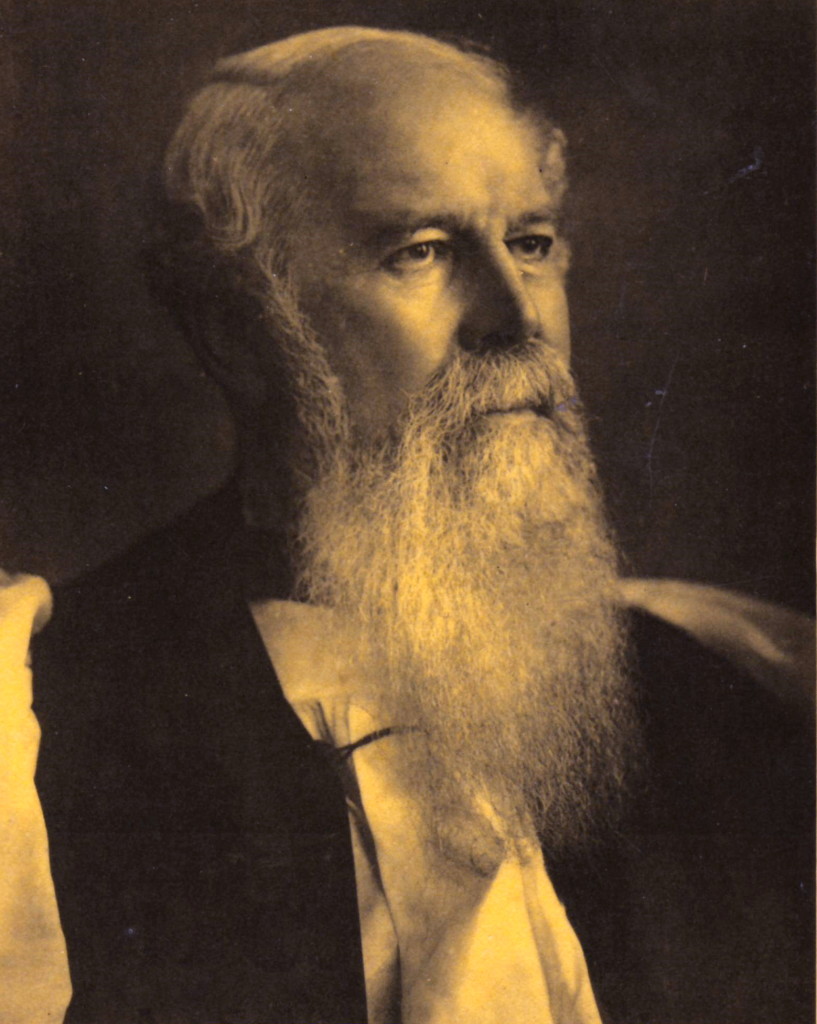
Outline of John 6 by J. C. Ryle
Outline
I. The Feeding of the Five Thousand (6:1-14)
Christ's Almighty Power
- Jesus multiplies five loaves and two fish to feed five thousand men
- The creative power displayed proves Christ is God
- Fragments fill twelve baskets, proving genuine miracle occurred
The Office of Ministers
- Apostles receive bread from Christ and distribute it faithfully
- Ministers are faithful distributors, not mediators or saviors
- Their work is to provide Christ's spiritual food to souls
The Sufficiency of the Gospel for All Mankind
- Simple provision (five loaves, two fish) satisfies vast multitude
- Gospel's message of Christ crucified is sufficient for all nations
- No other teaching can fill hungry consciences
II. Christ Walking on Water and the Storm (6:15-21)
Christ's Humility
- Jesus rejects crowds attempting to make him king by force
- Withdraws to mountain alone for prayer
- Throughout ministry, clothed in humility despite divine power
Trials of Christ's Disciples
- Left alone in darkness on stormy sea without their Master
- Trial proves faith and reveals Christ's absence is painful contrast to His presence
- Winter and storms necessary to mature spiritual fruit
Christ's Power Over Nature
- Walks on water as easily as dry land
- Suspends natural laws as Creator of all things
- His power to rescue disciples in darkest hour parallels His rescue of believers
III. The Crowd Seeks Jesus and He Rebukes Their Motives (6:22-27)
Christ's Knowledge of Hearts
- Jesus exposes false motives: followers seek loaves and fishes, not miracles
- He reads secret springs of conduct that deceive men
- His eyes are flame of fire; nothing hidden from Him
What Christ Forbids
- Labor not for meat that perishes
- Excessive attention to body while soul is neglected
- Minding only life that now is, disregarding life to come
What Christ Advises
- Labor for meat that endures to everlasting life
- Diligent seeking through Scripture reading, prayer, worship, spiritual warfare
- Strive, run, fight, throw whole heart into soul's affairs
What Christ Promises
- Son of Man will give eternal food to all who seek it
- Christ ready to bestow whatever mercy, grace, peace, strength required
- Sealed and commissioned by Father as dispenser of spiritual food
IV. Natural Man's Ignorance and the Honor of Faith (6:28-34)
Spiritual Ignorance and Unbelief
- Jews ask "What shall we do?" expecting works-based salvation
- Demand miraculous signs despite witnessing feeding miracle
- Reference past (fathers and manna) rather than receive present truth
The Honor Christ Puts on Faith
- Believing is "the work of God"—supreme act pleasing to God
- Faith is hardest spiritual act in natural man
- Root of all saving religion; foundation of Christ's kingdom
Greater Privileges Than Moses' Generation
- True bread from heaven contrasts with perishable manna
- Bread of God offers eternal life to whole world, not just Israel
- Those eating this bread never die; those eating manna all died
V. Christ Declares Himself Bread of Life (6:35-40)
Christ the Bread of Life
- "I am the bread of life"—appointed food of man's soul
- Coming to Christ means faith; believing means coming
- Soul satisfaction never taken away; eternal possession
Christ Receives All Who Come
- "Him that cometh to me I will in no wise cast out"
- No matter past sins or present weakness
- Promise belongs to all who truly come by faith
The Father's Will Concerning Salvation
- All given to Son by Father shall come to Him
- Will that nothing be lost; all raised at last day
- Will that everyone who sees Son and believes has everlasting life
VI. Jewish Unbelief and Jesus' Radical Claims (6:41-51)
Christ's Lowly Condition Offends
- Jews murmur at claim of heavenly origin
- Poor, lowly Messiah is stumbling block to pride
- Cross remains offense wherever gospel preached
Man's Natural Impotence
- No man can come except Father draws him
- Inability is moral, not physical—man will not, not cannot
- Needs new will, grace to incline heart toward Christ
Salvation Is Present Possession
- "He that believeth on me hath everlasting life" (present tense)
- Forgiveness and acceptance immediate upon faith
- Name written in Book of Life the day one believes
VII. Eating Flesh and Drinking Blood—True Meaning (6:52-59)
Not Literal Eating
- Would be revolting to Jews; contradicts their law
- Would interpose bodily act between soul and salvation
- Would exclude penitent thief and condemn ignorant communicants
Spiritual Eating by Faith
- Flesh and blood mean Christ's sacrifice on cross
- Eating and drinking mean reception of atonement through faith
- Soul feeds on Christ's sacrifice by faith as body feeds on bread
Union with Christ
- Eating Christ's flesh and drinking blood unites believer to Savior
- Close as union between food and body
- Believer dwells in Christ; Christ dwells in believer by Spirit
The Atonement Is Essential
- "The bread that I will give is my flesh...for the life of the world"
- Christ's vicarious death and substitution core to meaning
- Words unintelligible without sacrificial understanding of Christ's death
VIII. Offense at Hard Sayings and Peter's Confession (6:60-71)
Some Stumble at Christ's Words
- Many disciples offended; say "This is a hard saying"
- Natural corruption shows itself in resistance to humbling doctrines
- Humility needed to receive Christ's teachings without offense
The Spirit Quickens, Not the Flesh
- "It is the Spirit that quickeneth; the flesh profiteth nothing"
- Spiritual benefit not through mouth but through heart
- Christ's words applied by Holy Ghost are spirit and life
Peter's Noble Declaration
- "Lord, to whom shall we go?"
- Confession: "Thou hast the words of eternal life...thou art the Christ, the Son of the living God"
- Act of mighty faith in face of universal Jewish unbelief
The Peril of Privileges Without Grace
- Judas: chosen apostle, witness of miracles, hearer of sermons
- Yet "one of you is a devil"
- Religious privileges alone cannot save; grace is essential
Key Quotes
“The plain truth is, that it requires far more faith to accept such improbable and preposterous explanations as these than to take the whole account simply as we find it, and to believe that a real mighty miracle was wrought.”
“He that humbleth himself shall be exalted...Humility is the queen of all graces. Tell me how much humility a man has, and I will tell you how much religion he has.”
“It is not so much by noisy public demonstrations as by the still quiet work of the Holy Ghost on hearts that God's cause prospers. It is Christ's words entering into consciences which are spirit and life.”
“To whom shall we go? Thou hast the words of eternal life...Whatever others may please to think, however many may go away and forsake thee, we have believed and known that thou art the Christ, the Son of the living God.”
“The possession of religious privileges alone is not enough to save our souls. It is neither place, nor light, nor company, nor opportunities, but grace that man needs to make himself a Christian.”
Scripture References
| Reference | Context |
|-----------|---------|
| John 6:1-14 | Feeding of five thousand with five loaves and two fish |
| John 6:15-21 | Jesus rejects kingship; walks on water during storm |
| John 6:22-27 | Jesus rebukes crowd's carnal motives; commands labor for eternal food |
| John 6:28-34 | Jews ask about works; Jesus teaches necessity of faith; promises true bread |
| John 6:35-40 | "I am bread of life"; promises to receive all who come; Father's will for salvation |
| John 6:41-51 | Jews murmur at heavenly origin; Jesus declares His flesh given for world's life |
| John 6:52-59 | Eating flesh and drinking blood; spiritual communion through faith; Christ's sacrifice |
| John 6:60-65 | Disciples offended; Peter's confession; Jesus' knowledge of unbelief |
| John 6:66-71 | Backsliders depart; Peter's bold faith; Judas identified as "a devil" |
Doctrinal Themes
- Christ's Divine Nature and Power: Creator, sustainer, preexistent; walks on water; knows all hearts
- Substitutionary Atonement: Christ's flesh and blood given as sacrifice for world's sins
- Saving Faith as Personal Reception: Not works but faith in Christ; must come to Him
- Election and Human Responsibility: Father gives elect to Son; all must come by faith; man accountable
- Perseverance of Saints: All given to Christ shall be raised at last day; none lost
- Spiritual vs. Carnal: Flesh profits nothing; Spirit quickens; heart matters more than outward ordinances
- Christ as Sufficient: Only source of soul satisfaction; adequate for all mankind regardless of background
- False Profession: Religious privileges without grace lead to destruction; Judas exemplifies danger
John 6 highlights Christ's ability to perform miracles, especially the feeding of the 5,000, demonstrating His divine authority and the sufficiency of His provision for all needs.
In John 6, we see one of Christ's most impactful miracles—feeding over 5,000 men with five barley loaves and two fish. This miracle serves as a clear testament to Christ's almighty power and affirms that He can create from nothing, calling into existence food that was not there before. This event is not just a display of His miraculous capabilities but also illustrates the sufficiency of the Gospel. Christ’s ability to meet physical needs is a pointer to His greater spiritual provision for the souls of mankind. The fact that the miracle is recorded in all four Gospels indicates its significance and the lessons we are to learn about His nature and mission, primarily that the Gospel meets the deepest needs of humanity.
John 6:1-14
Christ's power to save is illustrated by His miracles, especially in John 6:36-37, where He promises that all who come to Him will not be cast out, showing His capability to grant eternal life.
In John 6, Jesus emphasizes His role as the Bread of Life, highlighting that those who come to Him shall never hunger or thirst. He reassures us that all that the Father gives Him will come to Him, and He will never cast them out. This divine assurance is rooted in His inherent power to save. The miracles serve to reinforce this truth; just as He could create food for the hungry multitude, He can offer new life to the spiritually dead. His authority as the sustainer and giver of life culminates in His promise of resurrection at the last day for those who believe. Thus, Christ’s power is not only sufficient but guaranteed for salvation and eternal life for all who genuinely seek Him.
John 6:36-37, John 6:44, John 6:40
John 6 teaches that God's election is crucial as it underlines that no one can come to Christ unless drawn by the Father, emphasizing God's sovereignty in salvation.
The doctrine of election is a vital theme in John 6, particularly in verse 44, where Jesus states that no man can come to Him unless the Father draws him. This emphasizes the sovereign grace of God in salvation; it is not a result of human will or effort but is initiated by God’s grace. The clear implication is that those the Father has chosen will respond to His call and come to Christ. This doctrine reassures believers of their secure position in Christ, as it underscores that their faith is part of God's sovereign plan. It also shapes our understanding of missions and evangelism, reminding us that while we share the Gospel freely, it is ultimately God who draws individuals to Himself. Recognizing this dynamic encourages humility and deepens our appreciation for grace.
John 6:44, John 6:65
Christ's teaching on eating His flesh and drinking His blood symbolizes the necessity of faith in His sacrificial death for salvation.
In John 6, when Jesus speaks of eating His flesh and drinking His blood, He conveys the spiritual act of faith needed for salvation. It is not about a literal consumption but rather about spiritually receiving and believing in His sacrificial death as the means for eternal life. This doctrine underscores the importance of coming to Christ in faith, recognizing His body as the atoning sacrifice for sin and His blood as the means of our redemption. This metaphor emphasizes that true believers must internalize the reality of His sacrifice in their lives, depending entirely on Him for salvation. Therefore, eating and drinking represent an ongoing relationship with Christ through faith, where the believer finds nourishment and sustenance for their spiritual life.
John 6:53-58
Many disciples turned back from Christ because they found His teachings hard to accept, especially His claims about being the Bread of Life.
The turning back of many disciples in John 6 illustrates the challenge of accepting Christ's radical claims. Upon hearing Jesus declare that He is the Bread of Life and that one must eat His flesh and drink His blood to have eternal life, many found this teaching difficult and offensive. This response underscores a fundamental truth about human nature; it often rejects what is spiritually profound due to a lack of understanding or a desire for a more comfortable faith. The passage serves as a sober reminder that not all who superficially follow Jesus are true disciples. The difficulties associated with true discipleship—such as accepting hard truths about sin, sacrifice, and reliance on faith—can cause many to withdraw. This historical instance also provides a lens through which to examine contemporary responses to the Gospel, as many still struggle with its profound implications.
John 6:66-67

Comments
Your comment has been submitted and is awaiting moderation. Once approved, it will appear on this page.
Be the first to comment!