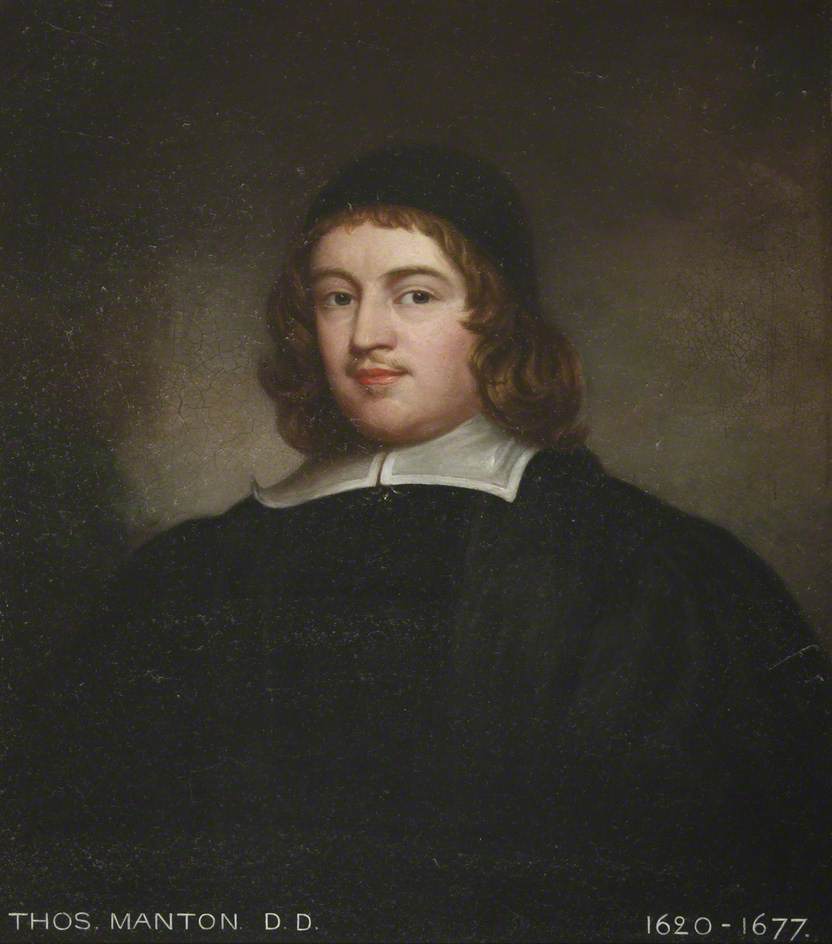
The main theological topic addressed by Thomas Manton in his commentary on James 1:27 is the essence of pure religion as defined by God. Manton emphasizes that true religion is not merely about avoiding sin but actively engaging in acts of charity, particularly towards the vulnerable such as orphans and widows. He supports his argument with Scripture, referencing James 1:27, Psalm 1:1-2, and Matthew 25 to demonstrate that the evidence of genuine faith must manifest in holy behavior and compassion for the afflicted. The article highlights the inseparable connection between charity and personal holiness, asserting that a life lived in true faith must reflect both. Manton's insights carry practical significance for Reformed believers, reminding them that their faith should not only be about piety but also about practical action that reflects the love of God.
Key Quotes
“True Christianity is called a holy faith; so an impure life is incompatible with holy faith.”
“Religion is not adorned by ceremonies but by purity and charity.”
“A great fruit of piety is provision for the afflicted.”
“You must look after orphans and widows and keep [yourself] from being polluted by the world.”
What does the Bible say about pure religion?
Pure religion, according to James 1:27, involves caring for orphans and widows and maintaining personal holiness.
James 1:27, Psalm 1:1-2, 2 Corinthians 1:3, Ephesians 1:3, Proverbs 15:25
How do we know charity is important for Christians?
Charity is vital for Christians as it reflects the love of God in our lives and fulfills the command to love our neighbors.
Matthew 25, James 1:27, 1 John 3:17-18
Why is holiness important for Christians?
Holiness is essential for Christians because it reflects God's character and serves as evidence of true faith.
James 1:27, Matthew 5:8, 1 Timothy 3:9
ReligionthatGodourFatheracceptsaspureandfaultlessisthis:tolookafterorphansandwidowsin their distress and to keep oneself from being polluted by the world.
Here the apostle comes to the positive part of the test. As a man must not take revenge in case his religion proves in vain, so he must do good, that it may be found to be pure and faultless.
Note from the context that negatives in religion are not enough. He must curb his tongue, but also he must look after the orphans. We should not be content with simply removing evil but must be concerned about what is good. There should not only be an abstinence from major sins but care taken to maintain communion with God. Descriptions in the Word are negative and positive: “does not walk in the counsel of the wicked … But his delight is in the law of the Lord” (Psalm 1:1-2). Some people are not drunkards, but are they godly? Is there any power in their religion? Are there any feelings of the spiritual life within their souls? God, who hates sin, delights in grace.
Now I come to the words of this verse. James urges them to do charitable deeds and engage in holy behavior, so that in this way they might show themselves to be truly religious.
Pure and faultless. James is not setting out the whole nature of religion but only some particular evidence of it. Religion also requires faith and worship, but the truth of these is seen in charity and a holy life. Therefore, those who oppose the Scripture in our day misinterpret this; they want to make the whole of religion consist in these outward acts. But the apostle is dealing with hypocrites, who feigned faith and worship and who also neglected charity.
ReligionthatGodourFatheraccepts. That is, God who is the Father of Christ and the Father of us in him. The same phrase is used in many other passages: “Praise be to the God and Father of our Lord Jesus Christ” (2 Corinthians 1:3; see also Ephesians 1:3 and 5:20). Hypocrites may deceive men, who see the outside; but God the Father judges rightly. This is also mentioned to show the sincerity of such Christian acts. They should be carried out as in the presence of God.
Tolookafter. This word embraces all duties of love. Tolookafter them is to comfort them in their misery, to relieve them in their necessities. This one charitable act includes all duties to our neighbor.
Orphansandwidows. These are specified, but others are not excluded. There are other objects of charity, such as the poor, the sick, the prisoners, the foreigners, who are also mentioned in the Scriptures. But orphans and widows most often need help and are most liable to neglect and oppression. They are often mentioned elsewhere in Scripture, as in Isaiah 1:17, “Defend the cause of the fatherless, plead the case of the widow.” See also Psalm 146:9 and Proverbs 15:25 and 23:10.
Intheirdistress. That is, in their oppression. This is added in case people should think they have performed their duty by visiting the rich and wealthy among the fatherless and widows.
Tokeeponeselffrombeingpolluted. This is linked to the previous duty. It shows the inseparable connection between charity and holiness and shows that religion is false when it does not teach holiness as well as charity. Roman Catholics separate them, praising charity as a merit to expiate the defect of unholiness.
Bytheworld.Theworld, when it is taken in a negative sense, sometimes stands for the men of the world and sometimes for the desires of the world: “everything in the world—the cravings of sinful man, the lust of his eyes and the boasting of what he has and does” (1 John 2:16). Tokeep oneself from being polluted by the world is to keep ourselves from the infection of an evil example and the rule of worldly desires.
Notes on Verse 27
Note1. Purity is the glory of religion. True Christianity is called a “holy faith” (Jude 20). So an impure life is incompatible with holy faith. “The deep truths of the faith” must be held “with a clear conscience” (1 Timothy 3:9). We live correctly when we have a pure heart. “Blessed are those whose ways are blameless” (Psalm 119:1). “Blessed are the pure in heart” (Matthew 5:8).
Note2. Pure religion should be kept undefiled. A holy life and a generous heart adorn the Gospel. Religion is not adorned by ceremonies but by purity and charity. The apostle Paul speaks about making “the teaching about God our Saviour attractive” (Titus 2:10).
Note3. A great fruit of piety is provision for the afflicted. In Matthew 25 you see acts of charity. Works of mercy become those who have received mercy from God. This is being like God. One of the chief glories in the Godhead is his tireless love and bounty. He looks after the orphans and widows; so should we.
Note4. Charity singles out those in the greatest misery. The apostle says, widowsandorphans. True generosity is when we give to those who are not able to reciprocate: “When you give a luncheon or dinner, do not invite your friends, your brothers or relatives …” (Luke 14:12-14).
Note5. GodourFather. We serve God best when we consider him as a Father in Christ. “Lord, Lord” is not half so sweet as OurFather. We are not servants but have received adoption as sons. Get an interest in God, that his work may be sweet to you. Mercies are sweeter when they come not only from a Creator but from a Father.
Note 6. Helping the afflicted and living a pure life go together. The apostle links them, and so does Christ: “Blessed are the merciful, for they will be shown mercy,” and “Blessed are the pure in heart, for they will see God” (Matthew 5:7-8). Someone who is charitable and not pure is better for others than he is for himself. Goodness and righteousness are often linked in the Old Testament: see Micah 6:8 and Daniel 4:27. It is strange that people should separate what God has joined. So let the hand be open and the heart pure. You must lookafterorphansandwidows and keep [yourself] from being polluted by the world.
Note 7. The world defiles. One can hardly walk here without defiling one’s clothes.
(1) The things of the world taint our spirits. Through worldly objects we soon grow worldly. Christ prayed, “My prayer is not that you take them out of the world but that you protect them from the evil one” (John 17:15). Christ knew what a temptation it is to live amidst honors and pleasures. It was a happy thing that Paul could say, “The world has been crucified to me, and I to the world” (Galatians 6:14). The world is crucified to many, but they are not crucified to it.
(2) The desires of the world stain and deface your natures. The apostle Peter talks of “corruption in the world caused by evil desires” (2 Peter 1:4). Your affections were made for nobler purposes than to be wasted on your desires.
(3) The men of the world are dirty creatures. We cannot have anything to do with them without being defiled. The apostle says, “If a man cleanses himself from the latter, he will be an instrument for noble purposes, made holy, useful to the Master and prepared to do any good work” (2 Timothy 2:21). “From the latter”—that is, from the leprosy of evil examples, for the apostle is speaking of those vessels of dishonor that are in the great house of God, the world, which a man cannot touch without defilement. A man cannot hold any communion with them without being the worse. “These men are blemishes at your love feasts” (Jude 12); they defile the whole company.
So then:
(1) Let us become more and more weary of the world. In our heavenly home above, “nothing impure will ever enter it, nor will anyone who does what is shameful or deceitful” (Revelation 21:27). There are no devils in heaven; they were cast out long ago (see 2 Peter 2:4).
(2) While we live here, let us keep ourselves as undefiled as we can. “Yet you have a few people in Sardis who have not soiled their clothes. They will walk with me, dressed in white, for they are worthy” (Revelation 3:4). There are a few who escape the corruption of the world. You are kept by the power of God; yet, in some sense you must keep yourselves: “Blessed is he who stays awake” (Revelation 16:15). It is foolishness to think that because power is from God, we therefore have no responsibility.

Comments
Your comment has been submitted and is awaiting moderation. Once approved, it will appear on this page.
Be the first to comment!