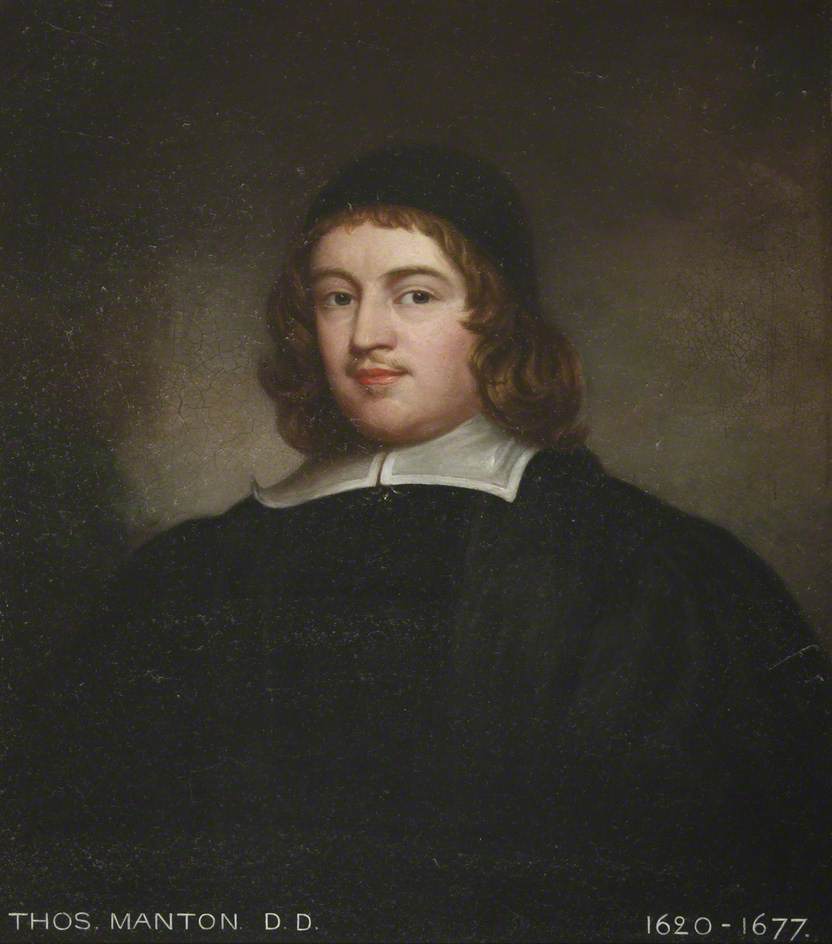
Thomas Manton's commentary on James 2:6 addresses the doctrine of favoritism and the moral obligation of Christians to honor the poor rather than the rich. Manton argues that by favoring the rich while despising the poor, Christians betray their own faith and disregard God's design, as seen in Proverbs 22:2, which emphasizes that both rich and poor share the same Creator. Through questions posed to his audience, Manton highlights the senselessness of their actions, contrasting the poor—who deserve honor—with the rich—who often exploit them (Amos 5:11). He warns against the dangers of wealth, noting that the rich are frequently associated with moral evils such as pride and injustice, and stresses that their conduct towards the poor reflects a serious sin against God's will. The significance of this passage lies in its call for personal repentance and recognition of the unfaithfulness in showing favoritism, urging believers to align their actions with God's intent for equality and justice within His creation.
Key Quotes
“You have insulted the poor; evil must be confronted... You are ruined if you do not put it out.”
“Insulting the poor is a sin not only against the Word but against God’s mind and His dispensations.”
“Rich people are often persecutors or oppressors; their wickedness takes advantage of the opportunity.”
“The rich are prone to moral evils such as pride... There is a danger of luxury and spiritual evils that are worse because they are less easily discerned.”
What does the Bible say about showing favoritism?
The Bible warns against favoritism, particularly in James 2, where it shows that such actions insult the poor and ignore God's creation of all people.
James 2:6, Proverbs 22:2, Amos 5:11
How do we know God values the poor?
Scripture teaches that God honors the poor, as seen in passages like Proverbs 22:2, where all are recognized as equal creators under Him.
Proverbs 22:2, James 2:6, 1 Timothy 6:17
Why is it important for Christians to avoid greed?
Avoiding greed is crucial for Christians because it leads to moral evils and distracts from reliance on God and His provision.
1 Timothy 6:17, Luke 12:19, Ecclesiastes 5:13
Butyouhaveinsultedthepoor.Isitnottherichwhoareexploitingyou?Aretheynottheoneswho are dragging you into court?
Here the apostle confronts them with their own misdeeds. For, having shown that favoritism is a sin, he appeals directly to their consciences. You have been guilty of it, you have despised the poor. And then, to show that their behavior was not only vain and evil, but mad and senseless, he presents a new argument: Is it not the rich who are exploiting you? In effect, he asks them whether they would show so much respect to their executioners and oppressors. But you may ask, is not the apostle here inciting them to revenge? Are we not to “love our enemies, and do good to those who hate us”? I answer:
(1) It is one thing to love enemies, but another to esteem them out of some perverse respect. There is a difference between fawning and ordinary human civility.
(2) Some people have acted so badly toward the church that they cannot command the least respect from the people of God: “Do not … welcome him” (2 John 10).
Butyouhaveinsultedthepoor. He shows how contrary their practice was to God’s dispensation: God has honored the poor, but you dishonor them, as the word signifies. The prophet says the same: “You trample on the poor” (Amos 5:11).
Isitnottherich…? He may mean rich pagans and Jews who had not embraced Christianity. Persecution usually came from the scribes, Pharisees, and high priests: “the leading men of the city … stirred up persecution against Paul and Barnabas” (Acts 13:50). Or James may mean the pseudo-Christians who, being great and powerful, oppressed their brothers and used all kinds of violence against them. Or he may mean any kind of rich people.
Exploitingyou. The word means to abuse their power against you, or to use a power over you that was never given to them. In this sense Solomon says, “The rich rule over the poor, and the borrower is servant to the lender” (Proverbs 22:7)—“rule” means, he exercises power that he has no authority to wield.
Draggingyouintocourt. If this refers to the unconverted Jews, it means they helped the persecution. This is implied in Matthew 10:17, “They will hand you over to the local councils.” Or if this refers to rich men in general, which I think is the case, it shows their violent practices toward the poor, dragging them to court as they used to do to debtors: “grabbed him and began to choke him” (Matthew 18:28).
Notes on Verse 6
Note1. Youhaveinsultedthepoor. Evil must be confronted. Nathan said to David, “You are the man!” (2 Samuel 12:7). When the practice is notorious, a weak accusation does no good. When a city is on fire, will a man come coolly and say, “There is a great fire over there; I pray God it will do no harm”? No; he will cry, “Fire! Fire! You are ruined if you do not put it out!” So, when the practice is public and clearly sinful, it is no good coming with a contemplative lecture or lame homily. You must confront the person. You have insulted the poor. “Sirs, this is your sin, and if you do not repent, it will be your ruin.”
Note 2. But you. He says they are opposing God’s dispensation. Insulting the poor is a sin not only against the Word, the written will of God, but against his mind and his dispensations. It is resisting God. It is against the mind of God as their Creator: “Rich and poor have this in common: the Lord is the Maker of them all” (Proverbs 22:2); that is, they have but one Maker. There is another meeting: they also meet in the grave (see Job 3:13-15). They meet in their death and in their Maker.
Note3. Rich people are often persecutors or oppressors. Their wickedness takes advantage of the opportunity. Many have the will but have no power. The world would be a stage for all kinds of villainies were it not for the restraints of providence. Riches also exalt the mind. The rich have had little experience of misery, and so have little pity. God’s intentions for Israel were these: do good to strangers, for you were a stranger; do good to the poor, for your father was a poor Syrian. Such arguments are frequent in Scripture. Jerome is harsh but too often true: “Every rich man is either an oppressor himself, or the heir of one.” Certainly it is almost impossible to be rich and righteous. The rich are prone to moral evils, such as pride: “Command those who are rich in the present world not to be arrogant” (1 Timothy 6:17). They are prone to boasting, showing contempt of others: “Let not … the rich man boast of his riches” (Jeremiah 9:23). They are prone to injustice: “The rich rule over the poor” (Proverbs 22:7)—that is, by force and violence. The word may be read “domineer.” Then there is the danger of luxury. But there are also spiritual evils, which are worse because they are less easily discerned. These are:
(1) Forgetting God, when he has remembered them most. People who live at ease have little or no sense of duty. Agur prays, “Give me [not] riches.… Otherwise, I may have too much and disown you” (Proverbs 30:9).
(2) Creature confidence. Hence these frequent cautions: “Command those who are rich … not … to put their hope in wealth” (1 Timothy 6:17); “though your riches increase, do not set your heart on them” (Psalm 62:10). Usually the creature comforts rival God.
(3) Worldliness. The more people have, the more sparing they are towards God. Solomon speaks of “wealth hoarded to the harm of its owner” (Ecclesiastes 5:13).
(4) Security. “You have plenty of good things laid up for many years” (Luke 12:19). These are evils that cling to wealth, like rust to money.

Comments
Your comment has been submitted and is awaiting moderation. Once approved, it will appear on this page.
Be the first to comment!