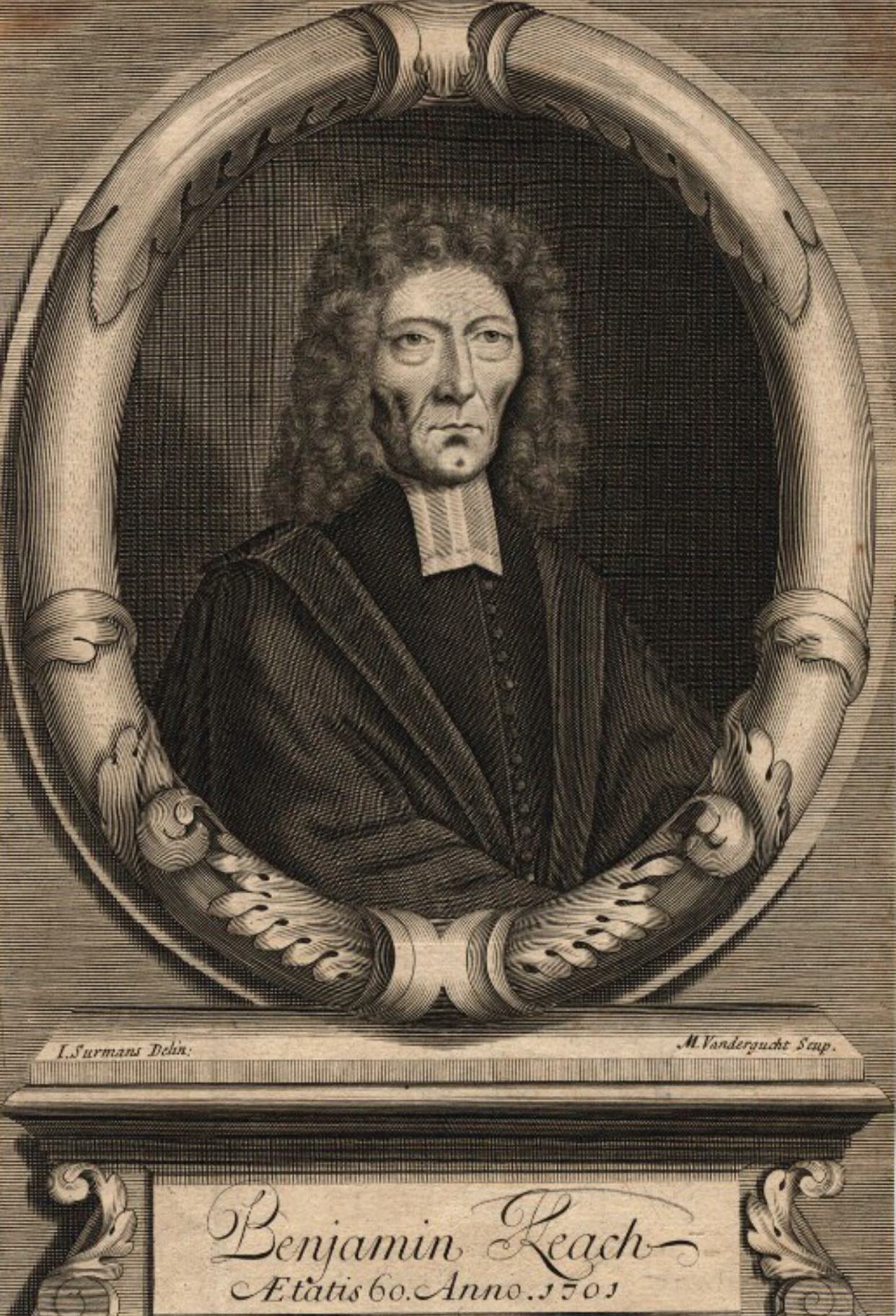
In Benjamin Keach's "XII. of Metaphors Taken From Man, and What Belongs to Him," he explores the various metaphors associated with humanity, emphasizing the essential and accidental aspects of human nature. The primary arguments describe how human body metaphors in Scripture reflect the unity and function of the church as the body of Christ, illustrating how Christ (the Head) is intimately connected to believers (the members). Keach closely analyzes passages from Romans (12:4-5, 1 Corinthians 12:12), Ephesians (4:15-16), and Colossians (1:18), positing that these scriptures underpin the theological understanding of the church's unity in Christ and the diverse gifting of its members. The significance of this doctrine lies in its exhortation to love and mutual support among believers, encouraging harmonious relationships that align with the nature of Christ’s redemptive work.
Key Quotes
“As the head is not at a distance from a living body but most closely joined to it, so there is a sacred and most mystical union betwixt Christ and his church or believers.”
“The various gifts and offices of Christians especially the preachers of the gospel…As one body has divers members which have their particular and distinct offices so there are peculiar gifts and offices in the church.”
“True believers sincerely love each other and by tender sympathizing compassionate fellow-feeling love and mutual aid of each other declare themselves to be living members of the mystical body of Christ.”
“The bond of perfection which is love with its fruits and virtues.”
What does the Bible say about the metaphor of the body and the church?
The Bible often refers to the church as the body of Christ, with believers as its members, highlighting the interconnectedness and unity they share in Him.
Romans 12:4-5, 1 Corinthians 12:12-13, Ephesians 4:15-16
How do we know that Christ is the head of the church?
The New Testament clearly identifies Christ as the Head of the church, illustrating His authority and role in guiding and sustaining His people.
Ephesians 1:22-23, Colossians 1:18
Why is the metaphor of the body important for Christians?
This metaphor emphasizes the significance of unity and interdependence among believers in the church, crucial for fulfilling their God-given purposes.
Romans 12:4-5, 1 Corinthians 12:27, Ephesians 4:16
IN man we are to consider, what are
(1.) Essential.
(2.) What are accidental.
The essentials are his body with its members; and its union with the soul, which is life.
The accidentals are partly internal, as some differences betwixt men, and their actions of divers kinds: partly external, as the containing subjects and various adjuncts.
Of which in order.
Metaphors from a human Body and its Members.
The body swma, (Soma,) is frequently put in the New Testament, for the people of God or the church, Ro 12:5; 1Co 10:17; 12:13,27; Eph 1:23; 2:16; 4:4,12,16; 5:23; Col 1:8,21; 2:19; 3:15. The explication of which trope is easy. And to speak concisely, we shall show it,
1. With respect to Christ the Head of the church, and whose body the church is called.
(1.) As the head is not at a distance from a living body, but most closely joined to it: so there is a sacred and most mystical union betwixt Christ and his church, or believers.
(2.) As the head rules the whole body, and influences it with a vital power; so Christ wisely directs, and moderates, strongly preserves, quickens by counsel, instructs and eternally saves his church, Eph 2:16; 4:16; 5:23, (&c.)
2. With respect to true Christians, who are spiritual members of that body.
Of these the metaphor of a body signifies many things, chiefly these three,
(1.) The various gifts and offices of Christians, especially the preachers of the gospel. For,
1. As one body has divers members, which have their particular and distinct offices; so there are peculiar gifts and offices in the church, which particular persons fitted for their exercise, are chosen for.
2. As the members of a human body differ among themselves with respect to excellency and operation; yet those of an inferior office, do not envy the superior, neither does the superior despise the inferior: so among true Christians there is a society and conversation without envy in the lowest, or scorn in the highest rank, to each other; Ro 12:4-5; 1Co 12:12, (&c.)
(2.) Of the bond of perfection, which is love, with its fruits and virtues. The members of a human body have a natural instinct of love and sympathy, one to another; if one he in pain, the rest are unquiet and ill at ease: if one be well, the rest rejoice, and each contributes to supply the necessity of the other of its own accord, neither will one willingly part with, the other; so true believers sincerely love each other, and by tender, sympathizing, compassionate, fellow-feeling, love, and mutual aid of each other, declare themselves to be living members of the mystical body of Christ, Ro 12:5; 1Co 12:14,27; Eph 4:3-4,16.
3. With respect to the spiritual knowledge of faith and increase of godliness, from the similitude of a human body, which increases and grows greater and stronger, &c., Eph 4:13; Col 2:19.
The head of a man is his chief, supreme, and principal member, and therefore carries a threefold metaphorical notion.
1. The beginning or original of any thing, Ge 2:10; Ex 12:2; De 20:9; Isa 40:4; 51:20; Eze 10:11; 40:1, (&c.)
2. Superiority and eminency, as well with respect to quantity or place; as quality and rule. XXXX caput, a head, the very top or highest part of a thing, Ge 28:12,18, where what we translate "top of Jacob's ladder," in the Hebrew is head, Ge 47:31; Ex 34:2; 2Sa 15:32; 16:1; 2Ki 1:9; Ps 24:7,9; 72:16; Isa 2:2; Am 1:2.---"The head-stone," Ec 4:7, is the highest in a building, which finishes the work.
It denotes a superiority of government, as a prince or chief ruler, Nu 14:4; 36:1; De 1:13,15; 27:26; Jg 10:18; 11:8; 2Sa 22:44; 23:13; 2Ch 31:10; Job 12:24; Ps 18:43; 110:6; Jer 52:24; La 1:5; Eph 2:20; 1Co 11:3, (&c.)
The head of the corner denotes the extreme corner-stone, which by another metaphor is attributed to Christ, Ps 118:22; Mt 21:42; Lu 20:17; Ac 4:11; 1Pe 2:7.
3. The chiefest or most desirable in any thing, Ex 30:23; the head species, that is, the best. See Song 4:14; Eze 27:22; De 33:15; Ps 141:5. (Head oil, that is, excellent oil) Ps 119:160; Isa 7:8-9. "The head of Syria is Damascus, the head of Ephraim is Samaria;" that is, the principal or metropolitan city. Head is put for the chief or principal place, 1Sa 9:22; 1Ki 21:9. It is put for the sum or contents of any thing, Ex 30:12; Nu 1:2,49; 4:2,22; 31:26; Ps 139:17. See Le 6:5. Hence comes the word kefalaioun, to reduce into one sum, which is elegantly spoken of the precepts of the divine law of the second table, the sum, or whole contents of which is charity or love, as the apostle has it, Ro 13:9." See Ac 22:28; Heb 8:1. The distinct squadrons of an army are called heads, because they consist of a certain or select number, Jg 7:16; 9:34,37,43; 1Sa 11:11; 13:17; Job 1:17, Finally, the sections or divisions of books are called heads, (capita) vulgarly chapters, to which we may refer what is spoken, Ps 40:7, "In the volume of thy book," which the apostle, Heb 10:7, renders en kefalidi Bibliou,"in the head (or chapter) of thy book." Upon which Cunæus, Lib. 3. de Repub. Heb. cap. 1, says---, "These kefalidev are nothing else, but those which the Jews, and especially the Talmudists, call XXXX that is, the members or parts of books. Therefore the apostle being himself a Jew, and writing to the Jews, very significantly makes use of that word. There is a synecdoche, joined with the metaphor here, and by kefalida the whole body and volume of the Old Testament, in which the prophecies and types of the Messiah are extant, is to he understood. Jerome on Isa 29. says, "In the head of the book (says our Saviour in the psalm,) it is written of me, not of Jeremy or Isaiah, but in all the Holy Scripture, which is called one book."
A face, the foremost part of a man's head; bare and fit for seeing; and apt to vary its posture or aspect according to the different actions of the mind, carries a threefold metaphorical notion.
1. It denotes the first part of anything, 2Sa 10:9; Jer 1:19; Eze 2:10.
2. The superficies and external species of any substance, which appears to, or is beheld by men, Ge 1:2; 1Sa 14:25; 2Sa 17:29; Isa 14:21; Lu 21:35.
3. The mind or inward faculty or affections, as anger, joy, benevolence, magnanimity, &c. Ge 32:20; 1Sa 1:5,18; Job 9:27; Pr 16:15; 17:17; Eze 3:8.
A forehead, the superior part of the face, is metaphorically brought to denote the interior affection of the mind. A hard forehead denotes obstinacy in wickedness, Isa 48:4, and a persevering magnanimous zeal against the wicked, Eze 3:7-9. A whore's forehead, Jer 3:3, signifies extreme impudence, the metaphor being taken from those graceless, shameless, and immodest prostitutes.
An eye, the organ of sight, by a metaphorical translation oftentimes denotes the mind, judgment, and knowledge; Ge 16:4-5; De 15:18; 2Sa 15:17;Sam. vi. 22, Job 32:1; Ps 15:4; Pr 3:7; 28:22; 30:12; Isa 5:21; Ec 8:6; Mt 6:22; Joh 5:35. Hence the right eye is put for the greatest prudence, Ec 11:10. An evil eye, for a persevere and malignant mind, De 15:9; Pr 23:6; 28:22; Mt 20:15; Mr 7:22. A good eye, for a good and benevolent mind, Pr 22:9, Eccl 35:9.
An eye signifies a providential carefulness, sometimes a solicitude in evil, as Ps 10:8;---17:8, (see 1Sa 18:9,) sometimes in good, Ge 44:21; Nu 10:31; Ru 2:9; Job 29:15; Pr 1:25; 20:9,12; Ec 2:14. Sometimes it denotes experience, Ge 3:6. Sometimes spiritual illumination or renewing of heart, Ps 13:3; 119:18; Isa 32:3; Eph 1:18. Sometimes spiritual blindness, Ps 69:23; Isa 6:10; Mt 13:15; Joh 12:40; Ac 28:27; Ro 11:8,10. See La 5:17.
[1] It denotes a fountain, Ge 49:22; Ex 15:27; Ps 84:6; 114:8.
[1] XXXX oculus et derivatum XXXX
A tear, a humour flowing from the eyes of such as weep, metaphorically denotes wine and oil, because they drop as tears do, when the grapes or olives are bruised in the press, Ex 22:29, see De 7:13.
Eye-salve denotes the spiritual healing of our natural darkness, Re 3:18, three things are said of a man corrupted by sin, verse 17, viz., that he is poor, naked, and blind, and therefore miserable. To remove these three, verse 18, are medicines proposed;
(1.) Gold tried in fire, (that is heavenly treasure) which makes one divinely, rich.
(2.) White raiment (that is, the merits of Christ applied by faith) by which nakedness being covered, a man may be preciously adorned.
(3.) Eye-salve to anoint the eyes (that is, the saving word of the Gospel, by which a man is illuminated) which restores or gives spiritual sight.
A ear, as well as the eye, is translated to denote the mind, and when referred to the word of God, denotes a faithful attention and receiving of it, Ps 49:4; 78:1; 45:10; Isa 55:2, where you may note nevertheless that the external hearing of the word is not excluded, but presupposed.
Heaviness or shutting of the ears, denotes hardness and stubbornness of heart, Isa 6:10; Mt 13:15; Ac 28:27; Ro 11:8. Itching ears, denote such as with a perverse curiosity study after false opinions, 2Ti 4:3, with Ac 17:21.
The phrase, Ga 6:7, "Be not deceived, God is not mocked," is emphatical, for the word mukthrizetai, signifies more than to mock, viz., to fleer with the nose and mouth. And in the times past (as Erasmus[2] and Pliny say,) they were wont to use gestures of derision or mockery by the nose, for which term (mukthr,) the word here is derived. By another metaphor the Jews call their own king the "breath of their nostrils," La 4:20, that is, under whose protection they did breathe and were refreshed, &c.
[2] mukthr Authore Pallace Nasum significant Erasm.
A mouth is more used in a metonymy than a metaphor, yet sometimes it denotes the mind and will of man, Ge 24:57, "We will ask her mouth," that is, learn her mind and will, 2Sa 17:5. To fight with one mouth, so the Hebrew, Jos 9:2, that is, with one consent. See Ps 126:2; 103:4-5; 81:10-11; Ex 4:16.
Pr 6:13, A perverse man is said to "speak with his feet, and teach with his fingers," which denotes some composed artificial gestures of deceit, as when by treading upon another's foot, he signifies something, which is metaphorically called speaking: and so by the gestures or numbering of his fingers, informs another of something he knows not, by way of confederacy to deceive a third person.
A shoulder, because it bears burdens, signifies affliction and tribulation, Ps 21:12; Isa 9:4; 14:25; sometimes obedience, Zep 3:9; Ec 7:11; Ho 6:9; Isa 11:14; De 33:13.
Isa 9:6, "The government shall be upon his shoulders." The sense of this is variously given by interpreters. The Chaldee understands it of the fulfilling of God's law: thus rendering it, he took the law upon himself to keep it. Many of the fathers understand it of the cross of Christ, and quote Isa 22:22. But it seems plainly to denote the whole administration of Christ's office. Brentius upon this place, says, Mundani Monarchæ non gestant principatum super humeros suos, sed, &c. "Worldly monarchs do not bear the burden of government on their own shoulders, but transfer it upon their servants, counsellors, and civil military officers," &c. But Christ is such a king, that he bears all the weight of government on his own shoulders; for he alone rules, preserves, and governs his church. He only expiated sin. He had no helper, as earthly princes are wont to have, &c.
An arm, because it exerts a man's strength, is put for power or strong aid, 1Sa 2:31; Job 22:8; 35:9; 38:15; 40:4; Ps 44:3; Jer 17:5; 48:25; Eze 30:22; 31:17; 22:6; Ec 11:10; Isa 9:20. "They shall eat every man the flesh of his own arm," that is, they will destroy and consume those of their friends and neighbours from whom they were wont to be supplied,
A hand, the extreme part of the arm, by which works are promptly performed, is also put for strength, Ex 18:9; De 32:36; Jos 8:20; Job 34:20; Ps 89:25; Isa 28:2; Da 12:7. Hence it is proverbially said,
An necis longas regibus esse manus?
Dost thou not know that royal hands are long?
that is, the king's power reaches a great way.
It is likewise put for help, ministry, and machination, which require power, Ex 23:1; 1Sa 22:17; 2Sa 3:12; 14:19; 2Ki 17:13; Isa 22:2; Hag 1:1; 2:1. In these last four texts, a hand signifies the ministry. For the prophets are the organs or instruments, of the Holy Spirit, and the dispensers of the mysteries of God, which they receive, to be communicated to the people, or to be reached forth as it were, by the hand. As if when one remits money or treasure, to be distributed or paid by him, it is said to be by such a hand, &c.
Le 25:35, It is said, "and if thy brother waxeth poor and his hand faileth," (so the Hebrew) that is, if through poverty he be rendered incapable of business, trade, or employment, and so not able to provide for his family, &c., then relieve him. The metaphor being taken from a man that is consumed or weakened by a disease, who cannot labour with his hands. On the contrary, to strengthen the hand, is by counsel and help to assist, 1Sa 23:16; Job 4:3; Isa 25:3. When a hand is attribute to the earth, it signifies a certain place or space, De 23:12; Nu 34:3; 2Sa 8:3; Isa 56:5; 57:9; Jer 6:3, (&c.)
The back denotes alienation, estrangedness, or neglect, 1Ki 14:9; Ne 9:26 Sometimes it is a symbol of oppression and affliction, Ps 129:3, "The ploughers. ploughed on my back," &c., Ro 11:10; Jer 32:33.
The loins, because the strength of the body consists in them, Job 40:7, are metaphorically, (or it may be rather metonymically,) put for strength itself, Isa 45:1, "I will loose (or dissolve) the loins of kings," the Septuagint has it kai isxun Basilewn diarrhcw, "And I will break the strength of kings."[3] See Ps 69:23; Ro 11:10.
[3] Et fortitudinem regum frangam.
This metaphor chiefly respects the girding of the loins, which denotes a confirmation of strength and activity, in order to run, labour, or fight, 1Ki 18:46; 2Ki 3:21; Ps 18:40; Pr 31:17; Job 38:3; Jer 1:10; Isa 5:27, (&c.) Hence the phrase of girding the loins, is translated to spirituals, Isa 11:5, denoting the faithfulness, alacrity, and expedition, of the Messiah, in his great mediatorial and redeeming office, Ps 45:3:In the faithful members of Christ, it denotes Christian vigilancy and perseverance in the profession of truth and piety, Lu 12:35; 1Pe 1:13; Eph 6:14. Upon which place Hemingius says, "As the loins, in which is the chiefest strength of the body, are made more firm by girding, making the soldier in fight more steady and active: so the heart is made more firm by the truth of God, which causes, that in our doubts and hesitations, the devil cannot overthrow and destroy us."
A navel, by which nourishment is conveyed to the infant in the womb, is by an elegant metaphor transferred to the sons of the church, Pr 3:8, "It (that is, to fear the Lord, and depart from evil,) shall be health (or a medicine,) to thy navel;" as if he had said, as the child is nourished by the navel, so the knowledge and fear of, and obedience to God, will, by the blessed Spirit feed, educate, and comfort. It is added, "and watering or moistening to thy bones," that is, it shall be thy whole strength, as the bones are moistened and strengthened by marrow, as Job 21:24, (&c.) Not cutting the navel, is allegorically translated to denote the primitive, miserable, and abominable state of the Jewish people, Eze 16:4. It signifies the middle or an eminent place in the earth, as the navel is in the midst, Jg 9:37. Hence God is said to work salvation in the midst of the earth, Ps 74:12, because Judea was esteemed so by the geographers of those times.
A bosom is put for the middle concavity of a chariot, 1Ki 22:35; Eze 43:13-14,17. And because that part for modesty's sake is covered with a garment, it is applied to the hidden and inward parts of man, Job 19:27; Ec 8:10; Ps 79:12; 35:12-13. It carries the notion of love, because of conjugal embraces, De 13:6; 27:26.
Eternal life, is called the bosom of Abraham, Lu 16:22. Upon which Brentius in his commentary:[4] "By the bosom of Abraham, you are not to understand a certain corporal or external place in this world, but either the promise of Christ made to Abraham; 'In thy seed shall all nations be blessed;' or Christ himself, who came of the seed of Abraham; for in this sense all the godly that sleep in the Lord are deposited, or rest in Christ himself, till in the last day they rise together with their bodies, Ac 7:59; Php 1:23. Therefore when Lazarus is said to be carried by angels into Abraham's bosom, we are to understand, that he was in the enjoyment of supreme felicity in Christ, which in the latter day shall be revealed," &c.
[4] Sinum Abrahæ intelligas non corporalem quondam et externum hujus seculi locum, &c.
Abraham is proposed as the father of all believers, Ro 4:11-12, because such as follow his steps, and constantly persevere in faith and godliness to the end, shall, as our Saviour shows, be gathered together in immortal life: for tender children are wont to he carried and cherished in the bosom of their loving parents, Ru 4:16; 1Ki 17:19.
This term denotes the condition of eternal life, for the carrying of infants in the bosom of the parent, denotes love and intimate good will; so in the heavenly life, there is most pure love, from whence arises true joy. In the bosom of the parent, the infant finds rest and defence, so in heaven, there is certain security and a most quiet tranquillity, &c.
A bosom, by a metonymy signifies a garment, that covers it, which being loose, is convenient to receive and carry things, Pr 6:27; 16:33. Therefore metaphorically it is put for the retribution of reward or punishment. Of reward, as 2Sa 12:8; Lu 6:38. Of punishment, as Ps 79:12; Isa 65:6-7; Jer 32:18.
To strengthen feeble knees, signifies to comfort such as are cast down by anguish or sorrow of mind, and confirm them by instruction and counsel, Job 4:4; Isa 35:3; Heb 12:12; the metaphor being taken from outward perils which invade upon a sudden, in which the knees of an affrighted and fearful man are weakened, because the strength of the nerves and muscles, by the terror of sudden danger, leaves its operation, which for bearing the body resides in the knees. Hence a sudden, or panic fear is expressed by the weakness or beating together of the knees, Ps 109:24; Eze 7:17; Da 5:6; Na 2:10.
The feet are metaphorically (as well as by another trope) taken divers ways; of which take some of the chief.
1. With respect to externals, Job says, (Job 29:15), that "he was feet to the lame," that is, he relieved the miserable, as feet help men to get out of danger. See Ge 30:30, noting the marginal reading. The foot of the pride, Ps 36:11, denotes the violence of proud enemies The slipping, halting, &c., of the feet, &c., denotes danger and calamity, Job 12:5; Ps 38:17; 116:8; 140:4,11, (&c.) See Jer 30:16.
On contrary, to deliver the feet from falling, denotes divine protection against any malignant enemies, Ps 56:13; 18:36; 121:3, (&c.) To tread with the feet, denotes to disgrace, or insult over one, as an enemy, Ps 7:5; 91:12-13; Eze 34:18-19; Mt 7:6; Lu 10:19; Heb 10:29.
Lameness or halting, which is a disease, or accidental hurt of the feet, denotes calamity, affliction, and dangers, Ps 35:15, "In mine halting (we translate it adversity) they rejoiced." Ps 38:17; Jer 20:10; Mic 4:6-7; Zep 3:19. In which two last places the term XXXX is feminine, alluding to sheep, upon which Illyricus says, "That it is a speech taken from sheep: for many of them in the summer, especially those of hotter countries, do halt, or go lame: or else it may relate to the people and church, of which the scripture speaks in the feminine gender, as before."
2. With respect to internals and spirituals, because the life of man and the exercise of godliness is compared to walking or running, and so the feet translated to the mind, signify desire and a holy endeavour, as the outward running or hastening to a place is performed by the feet, Ps 17:5; 119:59,105, with verse 32,) Pr 4:26-27; Ec 5:1. The beautifulness of the apostles' feet, Isa 52:7; Ro 10:15, is not to be understood of their bodily feet, but of the interior and divine, as well with respect to their mission, or being sent, as also the parrhsia, or fervour in teaching, as a foot-man in an errand of great concern performs his journey speedily, Na 2:1. Some interpret it thus: "It is not prancing horses, cathedral seats, costly and magnificent vestments, cardinals' hats, and other precious worldly accoutrements, that are commended, but simply the feet, which denotes the humility of their apostolical legation or embassy, and all their successors are exhorted to the same virtue, 1Co 2:3-4; Ga 4:13-14, (&c.)
Eph 6:15, the feet are said to be shod, upon which a learned expositor says, "The feet signify the ministry of the Gospel, which must be shod, that is, defended with boots or shoes, from thorns, briars, and dirt," that is, that they may be able to go through all dangers in teaching and confessing the Gospel. See Eze 16:10. What we translate (uprightly) Ga 2:14, is in the Greek orqopodousi, recto pede incederent, that is, walk with a right foot, viz., according to the rule and measure of the Gospel. See Heb 12:13.
Hitherto we have treated of the dissimilary parts of a human body. The similary parts yield but few metaphors.
The biting of the flesh, Job 13:14, is transferred to the mind, "why should I take away my flesh with my teeth," that is, consume myself with cares. See 1Sa 19:5; Ec 4:5.
Blood in a metaphor, as Illyricus says, Cl. Script. Col. 1083, signifies spiritual death, or eternal destruction, Eze 3:18; 33:8, Acts 18:0, Ac 20:26, (&c.)
Of Metaphors from such things as concern the Life of Man.
To the body, and its members, aptly succeeds its union with the soul, whence life proceeds. The word soul has no metaphorical notion, except when attributed to God, which belongs to an anthropopathy, as was before expounded.
Life is used metaphorically: as living waters are put for such as flow briskly, and plentifully, Ge 26:19; Pr 10:11; Jer 2:13; 17:13, (&c.) Time is said to live, and a building to be quickened, of which before chap. 9, sect. 4. See Hab 3:2. To live, and life, are put for happiness, strength, and health, 1Ki 1:25; Ps 69:32-33; Ec 6:8.
Health, or soundness, is put for the word or doctrine of God and eternal life, the consequence of receiving it, 1Ti 1:10; 6:3; 2Ti 1:13; 4:3; Tit 1:9,13; 2:1-2,8. Hereby is denoted the condition and quality, as well as the fruit and efficacy of both, &c.
To cure, or heal, metaphorically signifies a deliverance or restoration from calamity, adversity, or trouble, Ex 15:26; 2Ch 7:14; 36:16; Joh 13:4-12; Pr 3:8; 12:18; 13:17; 14:13; Isa 3:7; 58:8; Jer 8:22; 30:13-14,17; La 2:13; Ho 14:4. And when translated to the soul, it denotes the free pardon and remission of sin, (that disease of the soul,) through the merits of our blessed Redeemer. Ps 6:2; 41:4; 147:3; Isa 6:10; 19:22; 30:26; 53:5; Jer 3:22; Mal 4:2; Mt 13:15, (with Mr 4:12,) Joh 12:40; Ac 28:27; 1Pe 2:24, (&c.)
And in regard the knowing and manifestation of the disease and its cause, is the beginning of a cure, therefore this term is elegantly transferred to the ministers of the word, whose office it is to show people their sins, and rebuke them, Jer 6:14, "They have healed the bruise of the daughter of my people slightly,"---that is, did not reprehend, as much as need was.
To health, are opposed in general, diseases, griefs, pains, wounds, stripes, &c., in which there is a metaphorical translation,
1. To Inanimates, 2Ki 3:19, "And ye shall grieve, (or pain,) every good piece of laud with stones;" XXXX, that is, cover, corrupt, or mar it. It denotes the irruptions of the enemies to annoy the whole Jewish polity, De 29:22-23; Isa 1:5-8.
2. To man, denoting his depraved nature, Jer 17:9; Ps 38:3,5,7-8; Isa 53:4; Mt 9:12-13; Mr 2:17; Lu 5:31-32; 1Ti 6:4, a corrupt captious wrangler about words and questions is called noswn sick about questions, to which is elegantly opposed, verse 3, of the wholesome words (logoiv ugiainousi for sound speeches) of our Lord Jesus Christ.
All human calamities which afflict a man, like a disease, are represented by this similitude, Ps 77:10; Jer 10:19; Job 9:17; Ec 5:12,15; 6:2; Isa 1:6; 30:26; Jer 15:8; 30:12,14-15; La 2:13; Ho 5:13. Wounds denote sharp reprehensions, Pr 27:6, see Ps 141:5.
More especially what are adverse to health, and metaphorically used are,
Brands, or marks, or scars of wounds, are put for the persecution for the confession of Christ, which St. Paul gives an account of with respect to himself, as you may see by their catalogue, 1Co 4:10-13; 2Co 6:5-10; 11:23-30. What a seared conscience is, we have before spoken in metaphors taken from fire.
Leanness, thinness, &c., are put for calamities, punishments and anguish, Isa 17:4; 24:16; Eze 33:10; Zep 2:11, (Ps 73:8,it is spoken of tyrants.) Rottenness of bones, denotes dolours and terrors of mind, Pr 14:30; Hab 3:16; Pr 12:4. To rot, is to perish, Pr 10:7.
The plague denotes a very mischievous and destroying man, Ac 24:5, where Paul was accounted by the wicked Jews a pestilent fellow. Poison, a very killing and fatal ingredient, that commonly destroys men, unless expelled by very sovereign and powerful antidotes, denotes devilish doctrine, as also the malice and malignity of the wicked, who (as far as they can) destroy the souls, bodies, and good name, of honest, pious men, De 32:33; Ps 58:4; Ro 3:13.
To life is opposed death, which is either the privation of natural life, because of the separation of the soul from the body: or the privation of spiritual and heavenly life, because of the separation of the soul from God through sin. Both these not metaphorically, but properly, are to be understood, Ge 2:17.
But to die is used metaphorically, when believers are said to die to sin, Ro 6:2,7,11, that is to renounce it, and to be idle and unfruitful with respect to it, as a dead man naturally neither acts nor operates.
But "to be dead in sins and trespasses" is quite another thing, Eph 2:1,5; for that denotes spiritual death, when men by sin separate themselves from the grace of God, and the hope of eternal life, when their sins are not remitted: in which sense Mt 8:22; Joh 5:25; 1Ti 5:6, are taken. Paul asserts himself to "be dead to the law," Ga 2:19, that is, the accusation or curse of it, for he could not by that be justified, nor did he depend upon works, but upon free grace, and so was dead as to that hope, (viz., of a legal justification,) as a dead man has not the power of operation, see Ro 7:4,10. To be dead from the elements of the world, Col 2:20, is to be freed by Christ from the observation of the difference of Levitical meats and the Mosaical ceremonies (this was the Jewish Paedogogy,) by which God informed the world, Ga 4:3, and Col 2:3, (see 1Jo 3:1.) Believers are said to be dead to the world, &c., which denotes a renunciation of its depraved concupiscences, and mad pleasures. The text says, "for ye are dead, and your life is hid with Christ in God;" that is, as Erasmus says in his paraphrase: "ye seem dead to this world, because ye do not relish the glories thereof, nor are moved with those vanities which worldlings admire. Therefore you do not live here, so as to attract the splendid notice of men, but you live in Christ with God, although your life is bid according to the judgment of the world, &c."
Death is attributed to seed, or corn cast into the earth, Joh 12:24; 1Co 15:36, not because it perishes, but because of its change, it becoming the root of much fruit. In the first text, it tacitly denotes the death of Christ, and in the second the death of believers, whose resurrection is also denoted by this similitude or metaphor of a corn, or grain.
Of Metaphors from Human Sense.
Generally, feeling, sense, or the instrument of sense, (called in Greek aisqhma, aisqhsiv, aisqhthrion,) are transferred to the mind, which metaphor is frequent among the Latins, Lu 9:45, "that they may not, aisqwntai, feel it," that is understand it, as it is expounded, Lu 18:34; Php 1:9, what we translate "judgment" in the Greek is asqesiv, sense, viz., a lively faith in Christ. Tit 1:1-2; Joh 17:3; Isa 53:11. See Ro 5:1,5; 8:10,17; 14:17. See also Heb 5:14, with 1Co 2:13,15.
Sight, or seeing, denotes experience, or enjoyment, Ex 20:18; Ps 4:6-7; 16:9-10; 27:12-13; 34:12-13; 49:10-11; 63:2; 89:48-49; 91:15-16; 98:2-3; 128:6; Ec 8:16 (where, to see sleep, denotes to sleep; so, to see corruption in death, Ps 16:9-10,) Ec 9:9; Isa 44:16; Jer 16:10; La 3:1; Lu 2:26, (where to see death signifies to die,) Lu 17:22; Joh 8:51,56; Re 18:7, (&c.)
Especially the verb to see, is used to denote a real experience of promises of great things, Isa 53:11; 60:5; 66:14; and of punishment under commination, Isa 26:11.
2. It is transferred to the mind and intellect, and signifies to know or understand, Ge 42:1; Ec 1:16; Jer 2:31; Mt 2:16; 9:2,4; Ro 7:23, with verse 7, Re 1:12; to think or consider, Ge 20:10; 49:15; Ec 1:14; Isa 22:9; 5:12; Mt 6:26, (see Lu 12:24,) Ro 11:22; Col 4:17; Jas 1:25; to provide carefully, Ge 41:33, (&c.,) or, avoid hurt, Mt 9:30; Mr 12:38,4 (&c.)
3. It signifies spiritual vision, as the prophecies, Nu 24:16-17; 1Sa 9:9; Isa 30:10, (&c.)
It is said of angels, that they desire parakuyai to look into the mysteries of the Gospel, 1Pe 1:12, that is, they coveted a full and perfect knowledge of it, such is the majesty and beauty of that blessed mystery.
To sight, is opposed blindness, by which the want of true faith and Gospel illumination is noted, Isa 42:18-19; La 4:14; Mt 15:14; 23:16,24,26; Joh 9:39; Ro 2:19; 2Pe 1:9; 1Jo 2:11; Re 3:17.
Blindness, attributed to the wicked denotes three things, as
1. 1Jo 2:11, "Darkness hath blinded his eyes," that is the proximate and immediate cause, viz., a corrupt mind and will expressed by the term darkness, (see Eph 4:18).
2. 2Co 4:4, it is said, that "the god of this world hath blinded the eyes of them that believe not," &c., that is the first cause of all evil and condemnation, viz., the devil seducing and hardening men.
3. Joh 12:40, it is said, "He (that is God) hath blinded their eyes," in what respects this is attributed to God the great and sole Fountain of goodness and mercy, you may find expounded in Gram. Sacra, p. 285, 286.
It is said, Ex 23:8, that "gifts blind the seeing," that is, bribes corrupt the wise and skilful to pervert justice. And therefore blindness with the synonymous terms is ascribed to the wicked that will not take counsel, De 28:28; Isa 8:21-22; 59:9-10; Zep 1:17.
The object of sight are colours. Of these whiteness is a most exact symbol of inward purity and cleansing from sin, Ps 51:7; Isa 1:18; Re 7:14. A metaphor taken from linen, which when foul is restored to its colour by washing, and cleansing it from all spots.
Outward whiteness, as by rubbing with chalk or washing with lime, denotes hypocrisy, Ac 23:3, see Mt 23:27; Eze 13:10; 22:28, (&c.) Of the white stone, Re 2:17, we will treat anon.
Redness, or a red colour, is attributed to sin, Isa 1:18, where the prophet means blood, as verse 15, by which, not only homicide or killing of men, is metonymically understood, but also all enormous sins, by a synecdoche. For as blood rashly spilt, contaminates the homicide, and renders him guilty, 1Ki 2:5-6,31-33, so sins are nothing but an abominable spot and contamination in the sight of God.
To this cursed redness, the blessed blood of Christ is opposed, which expiates sin, and converts it into whiteness. See Re 1:5; 7:14, (&c.)
Blackness with comeliness, is mentioned as the beauty of the spouse, Song 1:5. The first denoting sin and affliction, the latter divine grace, which regenerates and renews. Augustin [5] says, "Black by nature, fair by grace; black in original sin, fair by regeneration Beda, upon the place, "Black by the adversity of oppressions, but fair by the beauty of virtues." Whiteness and redness are attributed to the heavenly spouse Song 5:10, denoting extraordinary beauty, loveliness, and health, the native sign of which that colour is. Some say, that he is called white, with respect to his divinity, and red, with respect to his humanity: white, because of his purity, and anamarthsian (that is,) being without sin and red, because his blood was poured out, &c.
[5] Serm. 8. de Temp.
Hearing, and to hear, denotes,
1. The inward understanding, intelligence, or discretion of the mind, Ge 11:7; 41:5; 42:23; 2Ki 18:26; Isa 36:11; Jer 5:15; Mt 13:13; 1Co 14:2, (&c.)
2. Approbation and obedience, Ge 3:17; 21:12; Jos 1:17-18; Jg 2:17,20; De 18:19; 1Sa 2:25; Pr 4:1; Isa 33:15; Mt 17:5; Joh 8:47; 9:27; 10:27; 1Ti 4:16, see Jas 1:22, (&c.)
To hearing is opposed deafness, denoting unbelieving, wicked, and obstinate sinners, Isa 42:18-19, with Isa 6:10; it is spoken of the converted, Isa 29:18.
Smell; what relates to this sense we have in part shown before, a thread of tow is said to smell the fire, so the Hebrew, Jg 16:9, when it touches it, and finds its force. See chap. 15:14, also Job 14:9; 39:25. Bad report is said to stink, Ge 34:30; Ex 5:21; 1Sa 13:4; 2Sa 10:6; 16:21; Da 6:14.
To taste, is put for to understand, experience, or enjoy, Ps 34:8-9; Pr 31:18; Mt 16:28; Joh 8:52; Heb 6:4-5; 1Pe 2:3. Hence the noun XXXX, gustus, taste, translated to the mind, signifies counsel, judgment, or reason, 1Sa 21:13; 25:33; Ps 119:66; Pr 11:22; Job 12:20; Da 3:10,12; Jon 3:7.
Sweetness, or to be sweet, is a metaphor well known, and signifies to delight, or to be well pleased in a thing, Job 20:12; Ps 55:14; Pr 3:24; 9:17, (where by a metaphor of stolen waters, which are said to be sweet, and bread of secrecies to be pleasant, wicked company-keeping with an adulteress is expressed,) Song 2:3,14; 5:16; Jer 31:26; Ps 19:10-11; 119:103.
Bitterness, or to be bitter, denotes an overwhelming with calamity, which is as hateful to the mind and sense as bitterness is to the taste, Ge 26:35; Ex 1:14; Ru 1:20; 1Sa 30:6; 1:10; 2Ki 4:27; Job 13:26; 21:25; Pr 17:25; Isa 38:17; La 3:15; Eze 3:14; Ec 12:10, (&c.,) Isa 24:9.
It betokens that which is evil and hurtful, Pr 5:4; Jer 2:19, and so is applied to idols, Ho 12:14. More especially it denotes anger, or fierceness and cruelty of mind, Ge 49:23; Jg 18:25; 2Sa 17:8; Hab 1:6; Eph 4:31; Col 3:19. It denotes calumny, Ro 3:14; Jas 3:14, with Jas 3:8-11; sin, as Ac 8:23; Ro 3:14; Heb 12:15; Mt 26:75; Lu 22:62.
The object of touch is hard and soft. Hardness is spoken,
1. Of men; and denotes,
(1.) Depravity, pertinacy, and stubbornness of mind, Ex 7:3; 13:15; De 2:30; 10:16; Pr 28:14; Isa 48:4; 63:17; Eze 2:4; Mt 19:8; Mr 10:5; Ac 19:9; Ro 2:5; 9:18; Heb 3:8,13,15; 9:7.
(2.) It denotes cruelty and unmercifulness, Ge 49:7; Jg 4:24; 1Sa 5:7; Isa 8:22; 19:4; Mt 25:24.
(3.) Afflictions and sadness, 1Sa 1:15; Job 30:25; Ps 60:5, (&c.)
2. Of things, and so their perplexity, difficulty, and grievousness, is intimated, Ge 35:16-17; De 1:17; 15:18; 2Sa 2:17; Ac 9:5; Jas 3:4.
3. Of speech, and words, as when they are bitter, xlii. 7, 2Sa 19:43; Ps 31:18; when they are difficult to be understood, 2Ki 2:10; Joh 6:60. He is called hard, who denounces evil or adversity, or any misfortune, 1Ki 14:6.
Softness is applied,
1. To the heart of man, and denotes consternation and fear, De 20:3; Job 23:16; Jer 51:46; Isa 7:4; also contrition and repentance, 2Ki 22:19, with Eze 36:26. By softness or effeminacy, 1Co 6:9, are meant those impure wretches that unnaturally abuse themselves or others, as Illyricus says.
2. To speech, as flattery, Ps 5:9; 12:3; 55:21; Pr 2:16; 7:5; 26:28; 28:23; 29:5. In which places the term XXXX molle, mild, or soft, is used for flattery. Sometimes it notes mildness and humanity joined with prudence, Pr 15:1; 25:15, where the word[6] XXXX is used. See Job 40:4.
[6] Mollis, mild.
Sleep is the cessation of the senses, by which is signified,
1. Security, as that of faith, by those that depend upon and acquiesce in the Lord, Ps 3:5; 127:2; Eze 34:25. Sometimes it denotes the carnal security of wicked and unbelieving men, Ro 13:11; Eph 5:14; 1Th 5:6-7. Hence it is said, Isa 29:10, "He hath poured on them the spirit of deep sleep," &c.
2. Sloth, laziness, or sluggishness, which sleepy persons are very subject to, Pr 6:9-10; 24:33; Isa 56:10; Na 3:18; Isa 5:27; 2Pe 2:3, (&c.)
3. Death and destruction, Job 3:13; 14:12, with Job 16:22; Ps 13:3; 76:6; Jer 51:39. Hence the profane authors call sleep the "Image of death;" Homer calls sleep and death twins, and Hesiod calls sleep the brother of death.
Believers are said to sleep when they die a corporeal death, Mt 27:52; Joh 11:11,13; Ac 7:60; 13:36; 1Co 15:18,20,51; 1Th 4:13-15. The reasons are elsewhere given, the substance of which is, that their souls have blessed rest, with God, and their bodies have rest in the grave, Isa 57:1-2, in the certain hope of a future resurrection, Ac 2:26; Re 14:13; Ps 17:15. Sleep being a representation or figure of both, in which there is rest from labour, and a refreshing of strength, &c.
To sleep is opposed watching, therefore the reason of it in signification is opposite with respect to sleep.
1. As sleep denotes carnal security, so watchfulness signifies true repentance, and a serious and diligent exercise of piety, Mt 24:42; 25:13; Mr 13:35; Lu 21:36; 1Co 16:13; Ro 13:11; 1Co 15:34; Eph 5:14,18; Col 4:2; 1Th 5:6,10; 1Pe 5:8; Re 3:2-3; 16:15, (&c.)
2. As sleep denotes sloth and laziness, so watchfulness signifies alacrity, diligence, and prudence, in the management of duty or office, Ps 127:1; Ac 20:31; Heb 13:17.
3. As sleep denotes death, so watchfulness denotes life, both are joined together, 1Th 5:10. See Ro 14:8, more comparisons might be made, but they are obvious.
Metaphors from the various Differences of Mankind.
WE will consider the differences of human kind with respect, 1. To sex. 2. Age. 3. Relation. 4. Country or family. And although some of these belong to the head of adjuncts, yet for more commodious order we will place them here.
1. As to sex; they are man and woman. A man XXXX metaphorically denotes a stout, courageous, eminent person. 1Sa 26:15. In that irony of David, "Art not thou a man?" that is, hast thou not behaved thyself gallantly? Jer 5:1, "Seek in the broad places thereof (that is, Jerusalem) if ye can find a man;" that is, a wise man, &c. 1Ki 2:2-3; Ps 49:10; 4:3; 118:5-6; 144:3-4; 82:6-7; 1Co 3:21; 7:23; 16:13, (&c.)
A woman on the contrary, denotes one that is timorous, weak, and dispirited, Isa 3:12; Jer 51:30; Na 3:13. See Jer 48:41; Isa 19:16. Hence a sort of men are called effeminate, &c.
The church is likened to a chaste virgin; 2Co 11:2, see Ho 2:19. This metaphor alludes to the legal type of the High-Priest, who might marry none but a virgin, Le 21:14, see Song 1:3; Ec 9:17; Re 14:4. To which spiritual whoredom and adultery is opposed.
2. The age of man may be thus distinguished, viz., infants, boys, youths, men, old men. A sucking infant and boy, metaphorically denote,
(1.) True believers, Ps 8:2-3; Mt 11:25; Lu 10:21, see Mt 18:3-4; 1Co 14:20; 1Pe 2:1-2, (&c.)
(2.) Such as are ignorant in the faith, Ro 2:20; 1Co 3:1-2; Heb 5:12-14; Ga 4:3.
(3.) Fools and wicked men destitute of the knowledge of truth, Isa 28:9; 65:20; Eph 4:14. Sucking is attributed to the church, Isa 49:23; 60:16; 2Co 8:1-4. The consolation of the gospel which the faithful enjoy in the church, is compared to sucking, Isa 66:11-12.
When the term boy, or little one, is attributed to princes or magistrates, it denotes folly and lack of prudence, Ec 10:16; Isa 3:4,12.
Childhood signifies the time of Israel's departure out of Egypt, Jer 3:4, "Thou art the Guide of my childhood." See Ho 2:15; 11:1; Eze 23:19. It denotes spiritual strength, Ps 103:4-5.
Manhood, Eph 4:13, denotes the perfection of wisdom and knowledge in believers, viz., so much as is attainable in this world, to which childhood is opposed, ver. 14.
Old age sometimes has the notion of wisdom. Hence the term elders is applied to senators, in whom not always age, but prudence is respected, 2Ki 10:1, (&c.) Hence also the term is used of the chief officers of the church, 1Ti 5:1,17,19; Tit 1:5; Heb 11:2; Jas 5:14; 1Pe 5:1,5.
3. The relations which afford any metaphors are, a spouse, husband, wife, widow, father, mother, son, brother, sister; lord, servant; master, scholar.
By the metaphor of espousals, (which is the most pleasant metaphor of all,) the spiritual union between Christ and the church is expressed, Ho 2:19-20; Mt 22:20, and the following verses, 2Co 11:2; Re 21:2,9-10. (&c.) See the metaphor of a bridegroom in the second book, where the parallel is run.
From the names of husband and wife, a few metaphors are taken, as Isa 54:5, where God calls himself the XXXX husband of the church. The text is word for word from the Hebrew, "Thy Makers are thy Husbands," which plural phrase denotes the mystery of the Trinity. Hence the land of Sion, (that is the church,) is said to be XXXX, Beulah, that is married, Isa 62:4, (&c.)
Widowhood denotes desolation, Isa 47:8-9. Hence it is said, Jer 51:5, "Israel hath not been XXXX widowed (or left a widow) nor Judah of his God."
A father XXXX with respect to diverse attributes, yields diverse metaphors.
1. With respect to begetting and production, he is put for the author of any thing, Ge 4:20-21; Job 38:28; Joh 8:4.
2. With respect to the education of his children, he is put for a doctor, teacher, or master, Jg 17:10; 2Ki 2:12. (Hence comes the appellation of the children of the prophets, 2Ki 6:1, and elsewhere, by which their disciples are understood,) Mt 23:9; 1Co 1:17; Ac 18:8-11.
3. Because he governs his children, he is put for a prince or superior, 1Sa 24:11; 2Ki 5:13; Isa 22:21. Hence Deborah is called a mother, Jg 5:7.
4. Because of his conversation with his children, he is put for any thing most conjunct, Job 17:14.
5. Because of his love, he is put for any thing loving or benevolent, Ge 45:8; Job 29:16.
6. He is put for an example (or exemplar rather,) proposed for imitation, Ro 4:11-12,16,18. Of the word (mother) see chap. ix. sect. 5, 4. Babylon or the antichristian church is called the mother of fornications and abominations of the earth; that is, that invented, confirmed, propogated, and defended the idolatries, damnable doctrines, errors, nefarious wickednesses of all sorts of men, which are mystical whoredom, and the greatest abomination in the sight of God.
By allusion to the man's words that said to Christ, Mt 12:47, "Thy mother and thy brethren stand without, desiring to speak with thee;" Christ calls his disciples, and all believers "his mother, brothers, and sisters," that is, they were as dear to him as such, and denotes, that spiritual relation is of higher value, than earthly. The parting of two ways is called a mother, Eze 21:21, because two ways, as if they were two daughters, proceed from it.
A son XXXX, Ben, what signification this is of, may be read, chap. vii. All believers are called "the sons of God," Joh 1:12-13; Ro 8:14,16-17,19,21; Ga 3:26; 4:5-6; 1Pe 1:14,23; 1Jo 3:1-2, (&c.,) because of the mystery of regeneration, and because this is effected by preaching the word. Paul calls his converts his sons, 1Co 4:14,17; Phm 1:10. Thus such as believe as Abraham did, and only such, are called his seed or children, and he their father, Ro 4:16. See Ro 9:7-9, and Ga 4:22, (&c.)
The impious and unbelieving, on the contrary, are called the children of the devil, Ac 13:10; 1Jo 3:10, (see verse 8,) and Joh 8:44, because they imitate him in wickedness.
Princes and magistrates, are called sons of the Most High, Ps 82:6; not with respect to their faith, but
(1.) Because they are on earth as it were God's heirs, succeeding in a certain part of judiciary authority.
(2.) Because they are of such authority on earth that God tenders and loves them, and commands reverence and obedience to them, Ro 13:1, (&c.)
First-begotten son, in a metaphor, obtains the notion of excellence and prerogative, and is put for one very dear and precious, as the eldest son is to the parent, Ex 4:22; Jer 31:9,20.
An orphan denotes a forlorn and helpless condition, Ps 10:14,18; La 5:3. Hence Joh 14:18, Christ promises his disciples that he would not leave them (arfanouv) orphans, that is, destitute of help. A brother is put for that which is like a thing, Job 30:29; Pr 18:9. A man and his brother denote society or mutual engagement, Ge 26:31; 37:19 and Ge 42:21,28; Ex 16:15; Nu 14:4; Jer 23:25; 25:26; Mal 2:10. See Ex 25:20; Joe 2:8; a woman and her sister, Ex 26:3,5-6,17; Eze 1:9,23; 3:13, (&c.) See also Jer 23:35; 31:34; Isa 34:15-16.
A Lord, XXXX [Baal,] the metaphorical significations hereof are at large given[7] elsewhere. The principle species of lordship is royalty, which to figure the eminency of heavenly glory is attributed to believers, who are called kings, Re 1:6; 5:10, see Mt 25:34; Da 7:22,27; 1Pe 2:9. Hence is the mention of thrones, Re 3:21; 4:4; Mt 19:28; 23:20. Of royal government, Re 2:26-27. And a crown, verse 10, and elsewhere frequently.
[7] Gram. Sacr. P. 120. seq.
A servant, to serve, and servitude, have many metaphorical acceptations, denoting sometimes good, sometimes evil.
1. Good, as the service of God, (of which there is frequent mention in scripture,) by which his sincere worship, in faith and obedience, is noted. So a man is said to be the servant of righteousness, when he serves God in faith, holiness, and righteousness, Ro 6:16,18-19; Lu 1:75. To serve other men, Mt 20:27; Mr 10:43-44; Ga 5:26, denotes an officious humility, and beneficence, the fruit of faith. So Paul was the servant of Christians; 2Co 4:5, see 1Co 9:19. Paul says that he brought his body into doulagwgein "servitude" 1Co 9:27, which denotes mortification.
2. It denotes evil, when it respects sin, and what relates to it. To serve sin, denotes impenitence, Joh 8:34; Ro 6:6,17,19-20; Tit 3:3; 2Pe 2:19. To serve mammon, denotes worldly-mindedness, and a greedy desire after ill-gotten riches, Mt 6:24. To serve the belly, denotes an indulging one's self in carnal pleasures, Ro 16:18, see Php 3:19; Tit 2:3. To serve much wine (oinw pollw dedoulwmenav) denotes drunkenness, Tit 2:3. To serve men, denotes an obedience to their prescriptions in opposition to the commands of God; 1Co 7:23; Ga 5:1; 4:9, with Ac 15:10, which two last texts respect the legal ceremonies, and hence that phrase is taken, Ro 8:15, "spirit of bondage," to which is opposed the "Spirit of adoption:" the one denotes legal strictness and terror, the other evangelical grace. See Heb 12:18, (&c.,) also Heb 2:15.
The law is called a school-master, because it taught the way to Christ, Ga 3:24. There is a very fair metaphor taken from a schoolmaster's instruction, Isa 28:10. "For precept must be (or hath been) upon precept, precept upon precept; line upon line, line upon line; here a little and there a little" (was added,) as rules and precepts are given and inculcated into the minds of children, and their hands guided to write (as in the old verse, Adde parum parvo superadde pussillum, i.e. "Add little to little, and to little superadd very little, that at length they may acquire the whole treasure of learning;" so God, by his prophets, (2Ch 36:15,) and ministers, instructs his people in divine learning, &c.
4. The metaphors from a country or family are these;
A Canaanite, is put for a stranger or impure person, Ecclesiastes 14. last verse, Isa 30:8. For a merchant, because their country was near the sea, Pr 31:24; Isa 22:8; Jer 10:25; Ho 12:8; Zep 1:11.
An Arabian is put for a thief or robber, because they were infamous that way, Jer 3:2; Isa 12:6; the Edomites and Moabites are put for the church's enemies, because they were such to the Jews, (Ps 137:7; La 4:22; Am 1:11; Ob 1:21; Eze 25:12,) Isa 34:5-6; 63:1; 25:10. Chaldeans are put for mathematicians or fortune-tellers, because that nation was given to it, Da 2:2, (&c.) The names of Sodom and Gomorrah are attributed to the rebellious and stubborn Jews, Isa 1:10, see Isa 3:9; Eze 16:48-49,53.
Home, the seat of Antichrist, is called Sodom and Egypt, Re 11:8; Sodom, because of its corporeal and spiritual whoredom, and other enormous sins; Egypt, because of its tyranny and cruelty against the people of God.
Metaphors from the various Actions of Men.
Such of the actions of men as we have not treated of before shall be briefly given, these may be distinguished into such as are necessary, and such as are contingent.
1. Necessary actions, as to eat and drink, denotes,
(1.) To consume or destroy, Ge 31:15; Ex 3:2; De 31:17; 7:16; Pr 30:14; Ps 14:4; 69:10; Isa 1:20; Jer 30:16; Ga 5:15; Jas 5:2-3, (&c,)
(2.) To enjoy, or receive benefit, as eating nourishes the body this enjoyment is either corporeal, as Ge 45:18; Ps 128:2; Isa 1:19; 3:10, (&c.;) or spiritual, Pr 9:6; 8:5-6,10, (&c.,) Jer 15:16; 1Ti 4:6.
2. It denotes a participation of the merits and blessings of Christ, Joh 6:60, (&c,) 1Co 10:16.
3. The completing of eternal happiness, or everlasting life itself, Lu 14:15; 22:30; Joh 6:27; Re 2:7; 3:20. (&c.) To be filled, that is after eating, denotes any fulness, as when an old man is said to be XXXX (Sept. plhrhv hmerwn) full of days, Ge 25:8; 35:29. See Ho 13:6; Lu 6:25; 1Co 4:8. It denotes a sufficient enjoyment of things pleasing and profitable, Ps 16:11; 17:15; 81:10; 103:5; 107:9; Mt 5:6; Lu 6:21. Sometimes it denotes loathing, as a full stomach does meat, Ps 88:3; Hab 2:16. Hence by an anthropopathy it is attributed to God, Isa 1:11.
To hunger and thirst denotes an ardent desire in the godly after heavenly things, Ps 42:2; 63:1; Isa 41:17; 55:1; Mt 5:6; Lu 6:21; 1:53. In the wicked it denotes eternal malediction for the want of those blessings, Isa 65:13; Lu 6:25, see Lu 16:24, and Am 8:11.
To drink denotes the enjoyment of good and pleasant things, Jer 2:18, victory, as Nu 23:24. See Pr 5:15; Isa 37:25; participation of heaven, Pr 9:5; Isa 65:13; Joh 4:14; 7:38. See Re 22:17, (&c.;) to suffer inconveniences, as Job 21:20; Jer 25:16; 49:12; Ob 1:16; Hab 2:16; Pr 20:5; Mt 20:22; 26:39, (&c.;) to be accustomed to a thing, Job 15:16; 34:7; Re 18:3; Pr 9:5.
To be drunk denotes to be filled with good things, De 29:19; Ps 36:8-9; Pr 5:19; 11:25; Song 5:1; Jer 31:14; to be overwhelmed with calamities, Isa 51:21; 63:6; Jer 48:26; Eze 23:33; to be obstinately confirmed in impiety by the just judgment of God, Isa 29:9-10. Hence sobriety, on the contrary, both of body and mind, is attributed to a godly man, 1Th 5:6,8; 2Ti 4:5; 2:25; 1Pe 1:13; 4:17; 5:8.
To beget and bring forth is put for the production or event of any thing, Job 38:28; Ps 90:2; Pr 25:23; 27:1; Zep 2:2; Jas 1:16, hence generations signify things done, or histories, Ge 2:4; 5:1; 37:2. It is attributed to spiritual renovation, Isa 66:9; Joh 1:13. The church being as it were the mother of believers, Isa 54:1; 66:7-8; Ga 4:26-27; to the ministers of the gospel, 1Co 4:15; Ga 4:19; Phm 1:10, (&c.) When a man is said to bring forth wind, stubble, vanity, &c., it denotes the ill success of his malignant endeavours, Job 15:35; Ps 7:14; Isa 26:18; 33:11; 59:4.
Hitherto of the necessary actions of men; now we shall briefly touch such as are contingent, which are good or bad; with respect to the agent or others.
What concerns site or local motion, as to go or walk, is put for the life, manners, and actions of men, Ge 17:1; Ps 1:1; 119:1,3,9, (&c.,) Ro 8:1; Eph 2:2,10, (&c.,) 2Co 12:18. Hence "a way" is put for the course of life or conduct of men, Ge 18:19; 31:35; Pr 28:6; Jer 6:16; Mt 21:32; Ac 14:16, (&c.) To go signifies to die, Ge 15:2; Jos 23:14; Lu 22:22, (&c.) To stay or tarry signifies to live, Joh 21:22; Php 1:25. To follow signifies imitation and conformity in life and actions, 1Ki 18:21; Mt 16:24; Joh 8:12; 1Pe 2:21; 2Pe 1:16. To run betokens diligence, Ps 119:32; Song 1:4; Jer 12:5; Ro 9:16; 1Co 9:26; Ga 5:7; Php 2:16; 2Ti 4:7; Heb 12:1. The word of God is said to run, when it is largely propagated, 2Th 3:1, and when the will of God is fulfilled, Ps 147:15. To hasten signifies temerity, rashness, precipitancy, and folly, Job 5:13; Isa 35:4. To stand signifies to be happy, or in a good condition, 1Sa 24:21; Ps 30:7-8; Da 11:2; Ro 14:4; to believe firmly and persevere, Ex 14:13; Ro 5:2; 11:20; 1Co 10:12; 16:13; 2Co 1:24; Php 4:1.
It denotes perseverance in sin, Ps 1:1; Ec 8:3; Ho 10:9. The confirmation or ratifying a word or decree, Le 27:14; De 9:5; 19:15; Isa 40:8; Jer 44:28; 2Co 13:1, (&c.)
To sit denotes to be quiet and steadfast, Ge 49:24; Ps 113:9; Mic 5:3, (&c.) To fall denotes to sin, Jer 8:4; 1Co 1:2, and to be overwhelmed with calamities, Isa 24:16-18; Am 5:2; to be despicable or low, Ne 6:16; Es 6:13; Joh 12:3; to die, Ge 25:18; 1Co 10:8. See more examples, Ga 5:4; 2Pe 3:17; Re 2:5; Mt 8:11; Lu 13:29; Mt 22:1, (&c.,) Isa 25:6, (&c.)
To gird denotes fortitude, preparation, and dispatch of business, 1Sa 2:4; Job 38:3; Pr 31:17; Jer 1:17. To put on denotes a close union, Job 10:11; Jer 43:12. Putting on, denotes regeneration or renovation, 2Co 5:3; Ro 13:12,14; Eph 4:24; Col 3:9-10; 1Pe 5:5.
There are many transient actions of men used metaphorically, of which take a few examples instead of many, by which you may judge of the rest.
To take is put for to learn or understand, Job 22:22; Pr 1:3, (&c.) To build (XXXX banah,) for getting of children, Ge 16:2; De 25:9; Ru 4:11. To restore, exalt, or make prosperous, Job 22:23; Isa 58:12; Jer 12:16; 31:4; Mal 3:15, (to which, to destroy, is opposed, Jer 42:10, (&c.)) To establish and confirm, Ps 89:2; Mt 7:25. To inform by doctrine and example, Ro 15:20; 1Co 8:1; 10:23; 14:4,17; Ga 2:18; 1Th 5:11; Jude 1:20. (Hence oikodomh, edification, is put for information by word and life, Ro 14:19; 15:2; 1Co 14:3,5,12; 2Co 10:8; 13:10.) Thus is the church built, which is the house and city of God, Ps 51:18; 102:14; Isa 60:10; 54:11-12; Mt 16:18; 1Co 3:9; Eph 2:21-22; 4:12; 1Pe 2:5. Hence such as should preserve and restore the church are called builders, Ps 118:22; Mt 21:42; Ac 4:11; 1Pe 2:7. To build is also put for seducing by false doctrine, 1Co 8:10, (&c.)
To war, fight, &c., is put for the spiritual fight of believers against the devil, the world, and the flesh, Isa 40:2; 2Co 10:4; Eph 6:12; 1Ti 1:18; 2Ti 2:3-4; 4:7; Php 1:27. It is said of such things as disagree amongst themselves, as flesh and spirit, Ro 7:23; Jas 4:1; 1Pe 2:20. Prayers are spiritual weapons, Ro 15:30; Col 4:12, (&c.) To commit adultery, or play the whore, is put for idolatry and impiety, of which there are abundance of examples in scripture, Ex 34:15-16; De 31:16; Jg 2:17; 8:27,33; 2Ki 9:22; 1Ch 5:25; Isa 1:21; 57:3-4; Jer 2:20; 3:1,6,8-9; 13:27; 23:14; Eze 16:15,20; 23:3; Ho 1:2; 4:12; 5:3; 6:10; Na 3:4; Re 2:20-22; 14:8; 17:2; 18:3, (&c.) The reason of the metaphor is, because God hath joined, and as it were espoused his church to himself in a spiritual contract or covenant, that thereby he may beget spiritual children, to be eternally saved. If the church therefore will basely forsake him, and run to idols, without any respect to the violation of that conjugal engagement, it is spiritual adultery, and the scripture so styles it, &c. To bewitch is put for to seduce by wicked doctrine, Ga 3:1.
Apostates and such as persecute the saints are said, Heb 6:6, "To crucify the Son of God afresh." In which sense Rome, the seat of Antichrist is thus described, Re 11:8, "The great city, which spiritually is called Sodom and Egypt, where also our Lord was crucified." Which periphrasis denotes the cruel persecution of true Christians, with all the oppression, and massacres, perpetrated by Rome and its instruments, whereby they have power to act. For whatsoever injuries are offered to believers, are by the Holy Spirit said to be offered to Christ himself; because none of the members can be hurt, but the head sympathizes and suffers with it, as was said before. [8] Origen says, "By every martyr's condemnation, Jesus is condemned: for if a Christian be condemned for this alone, that he is a Christian, it is Christ then, that is condemned;" (and so crucified.)
[8] Homil. 11. in Jer.
Metaphors taken from the containing Subjects.
To this belong
(1.) Generally place and its dimensions.
(2.) Particularly the habitations of men.
To the dimensions or differences of place, belongs altitude or height, which when referred to the mind and understanding of man, metaphorically denotes an abstruse thing, or that which is difficult to be understood, Pr 24:7, "Wisdom is too high for a fool," that is, he cannot attain it. See Pr 14:6. A word that has affinity with this denotes the distraction of an irresolute mind, by reason of divers cares and doubts, Lu 12:29, kai mh metewpizeqe, "Be ye not lifted up on high," we translate it, "be ye not of a doubtful mind;" this metaphor is taken from meteors, and denotes a mind as it were hung up in the air, apt to be blown hither and thither by every blast; the meaning is, be not distracted with various cares for your sustentation, but acquiesce in the hope of divine help.
Ge 43:18, "We are brought in, that he may roll himself upon us, and fall upon us, and take us for bondmen." This is an elegant metaphor taken from the fall of a body from an high place or precipice, upon which Junius says, Metaphora duplex, a corporibus magnæ et ponderosæ molis, &c. "A double metaphor taken from bodies of a great and weighty bulk, which by wheeling (as it were) are tumbled down from on high, and the higher they are, with so much the more violence do they fall; as if he had said, whereas he has no lawful cause of quarrel against us, he will make us captives, or bondmen, by this pretext of money," &c.
To go backward denotes apostacy, Jer 7:24. To turn their hearts back again, signifies repentance, and their abhorring Baal whom they thought to be a God, 1Ki 18:37, see Isa 50:5.
To turn to the right hand, or left hand, Ge 24:49, signifies a desire what to do, or not to do; the metaphor being taken from such as are doubtful, when they come to a parting-way, which to take, and are wont to be directed by that phrase, turn to the right or left hand.
This phrase is used with respect to divine obedience, when men are commanded to walk neither to the right nor left hand, that is, to keep exactly to that rule and order with respect to God's worship, which he hath set down in his word, De 5:32; 17:11,20; 28:14; Jos 1:7; 23:6; Pr 4:27; Isa 30:21, (&c.) The right side is a symbol of prudence, circumspection, and honesty; and the left of imprudence, temerity, and incogitancy, Ec 10:2, (&c.)
Latitude or largeness gives some metaphors, XXXX dilatare, to enlarge, signifies a deliverance and help from calamity, Ps 4:1; 18:19; 31:8-9; Pr 18:16. So narrowness betokens trouble and affliction, Ps 25:16-17; 31:9; 138:6-7; Pr 11:8; 24:10. The metaphor being taken from narrow places, or men shut up, besieged, or surrounded by an enemy in a narrow compass, which exposes them to much distress and difficulties of deliverance. A heart enlarged signifies joy, Ps 119:32; Isa 60:5. See 2Co 6:11-13, (&c.)
This enlarging of heart, denotes sometimes great wisdom and virtue, 1Ki 4:29. Sometimes pride and audacity, Ps 101:4-5; Pr 21:4; 28:25. See 1Sa 2:1; 2Co 6:11; Eph 6:19; Ps 81:10-11; 119:131, (&c.)
Of places where men dwell we will show, (1.) Their parts. (2.) Their species or kinds. The parts, from which metaphors are taken, are,
1. Foundation, in which we are to consider,
(1.) Its dignity, being the principal part of the edifice, which supports the whole weight of the building. Hence Christ is called the Foundation of the Church, which is his spiritual house, Isa 28:16; 1Co 3:10-11; Eph 2:20. See Mt 16:16,18; 1Pe 2:4-5; Jude 1:20; Re 21:14, because from him and by him are all things, which are needful for the gathering, preserving, and saving of his church.
(2.) Its steadfastness, stability, and firmness; which makes the whole building strong and durable. Hence it is said of the creation of the earth, that solid and immoveable body, together with its parts, Ex 9:18; Job 38:4; Ps 24:1-2; 104:5; Pr 3:19; 8:29; Heb 1:10. Henee it is put for the ground, which we tread upon, Hab 3:13, "by making naked the foundation," (so the Hebrew,) that is, by clearing your land of its enemies, who so covered it, as if they had taken a perpetual root in it verse 6. More metaphors you may find, Pr 10:25; 2Ti 2:19; Joh 6:27; Isa 14:32; Eph 3:17-18; Col 1:23. It is put for to consult or deliberate, because every design must have a beginning, Ps 2:2; 31:13-14, and to appoint, decree, or ordain, so as that a thing should be firm and certain, 1Ch 9:21; Es 1:8; Ps 8:2, "Out of the mouths of babes and sucklings hast thou founded (so the Hebrew) strength." &c.
(3.) Its order, because it is the first thing in a building, and the last in destroying of a house; hence it is put for beginning with respect to time, Isa 7:9, and for the very extreme or end in the destruction or utter rooting out of the people, Ps 137:7.
A wall is transferred to a human body, Jer 4:19, "I am pained at the walls of my heart," (so the Hebrew) that is, my bowels and sides which environ or encompass my heart, in which places, such as are troubled with an hypocondriac disease, are much pained, &c., Ac 23:3, Paul calls the chief priest a "whited wall," that is, an hypocrite and vain speaker, who bragged of the dignity, and title of his office, whose outward appearance was gaudy and splendid, bespeaking much sanctity, whereas within he was full of impiety and uncleanness. See Mt 28:20. It seems this kind of wall which he alludes to, was made of mud, that is a slight wall of untempered mortar, as Eze 13:10, which had no solid or durable substance in the inside, but was curiously whited with lime on the outside.
Eph 2:14, mesotoixon intergerinus paries, "the middle wall of partition," denotes the Mosaical law, which like a partition divided the Jews from Gentiles, which being now taken away they are all one in Christ.
A wall, in a metaphor, is a symbol of strength and defence, 1Sa 25:16; Ps 18:29; Isa 26:1; Jer 1:18; 15:20. A hedge denotes also defence, Eze 13:5; 22:30; Jer 5:10; Ps 106:23.
A step, stair, or degree, baqmov, is put for increase of spiritual gifts, 1Ti 3:13. See Mt 13:12. A pillar metaphorically signifies things like it, whether with respect to figure and shape, Ex 13:21-22; Jg 20:40; Re 10:1; or use, for it is firm, and bears great weight, and therefore denotes firmness, constancy, and lastingness, Pr 9:1; Jer 1:18; Job 9:6; 26:11, Tim. 3:15, Re 3:12; dignity and pre-eminence in the church, Ga 2:9; the commonwealth, Ps 75:3.
A corner denotes extremity, because it is the extreme part of the building, as
1. The extremes of the earth, Ex 27:9; Nu 34:3; Ne 9:22; Jer 9:26; De 32:26.
2. Of a field and country, Le 19:19; Nu 24:17, where the Chaldee and Septuagint understand princes.
3. Of the head, as the forehead and temples, Le 13:41; 19:27. The outward corner of a house, signifies a prince or grandee, Jg 20:2; 1Sa 14:38; Isa 19:13. Hence Christ is called a Corner-stone, Ps 118:22, expounded Eph 2:15-17,20.
A nail signifies one fixed for common good, Isa 22:23. The Chaldee renders it faithful governor, and the Septuagint arxwn, a prince.
A gate or door, is put for a populous city, through which the passage of traffic or commerce is wont to be, Eze 26:2; for the entrance into a country, Mic 5:5; for the lips, Job 41:19, See Ps 141:3; 78:22-23; Job 3:10. What a door of hope denotes is shown before in the mention of the valley of Achor, Ho 2:15. The opening of a door denotes preaching the gospel, Isa 26:2; 60:11; Ac 14:27; 1Co 16:9; 2Co 2:12; Col 4:3; Re 3:8. "The door of heaven" denotes the means of arriving to blessedness, Ge 28:17; Mt 7:14; Lu 13:24. Christ calls himself a door, Joh 10:1-2,7,9, because none can get into heaven or rightly into the church but through him. See metaphor Door in the second book.
Mt 23:13, the Pharisees are said "to shut the kingdom of heaven and prohibit entrance therein," because they hindered men from looking after the saving graces of the Messiah, who is the only Door of salvation, and because they depraved his holy word: to be at the door denotes nearness of time, Mt 24:33; Jas 5:9. The gates of death denote extreme peril, Job 38:17; Ps 9:13; 107:18; Isa 38:10. The gates of hell, Mt 16:18, denote the stratagems, machinations, plots, and power of the devil and his ministers, &c. Believers are said to knock at the door, when they pray earnestly, Mt 7:7-8; Lu 11:9. God is said to knock at the door (of our heart) when he earnestly invites men to repentance, Re 3:20, (&c.)
Bars, which strengthen gates, 1Sa 23:7, are metaphorically put for any kind of fortification or strength, Job 38:10; Ps 147:13; Eze 30; Am 1:5; Isa 15:5; 43:14.
A key denotes authority and power, Isa 22:22. It is attributed to Christ with respect to hell and death, Re 1:18, and the church and heaven, Re 3:7, which ' denotes chief dominion. The keys of the kingdom of heaven, Mt 16:19, denote the ministry and office of the apostles, (Job 20:23,) in retaining sins, (viz., excommunicating scandalous sinners) and remitting sins, (that is, receiving the penitent,) set forth by the metaphors of a key, which shuts or opens the door.
The species of buildings, are (1.) A city, which metaphorically denotes the church militant, Isa 26:1; Heb 12:29, see Mt 5:14. The church triumphant, Heb 11:10; 13:14; Re 21:2, (&c.) See Php 3:20; 1:27, where heavenly conversation is expressed by a word derived of poliv a city, as civility is from civis a citizen, because their conversation should be civil, in opposition to the rudeness and barbarity of such as live in the country. It is said of a fool, Ec 10:15, "that he knows not how to go to the city," that is, he cannot perfect what he undertook.
Strong holds, or munitions, are elegantly used by the apostle, 2Co 10:4, for all that which the church's enemies put their confidence in, as carnal wisdom, learning, eloquence, &c., which those divine weapons pull down, &c.
Towers sometimes denote proud tyrants, and worldly grandees, Isa 2:15; 30:25. Other significations of these, see before, chap. viii., and in the metaphorical parables, Book 2.
A house denotes the church militant, Ps 27:3-4; 69:9, (Joh 2:17,) Ps 84:4; 92:13; Isa 56:5,7; Eph 2:19,22; 1Ti 3:15; Heb 3:6; 10:21; 1Pe 2:5; 4:17. Hence the apostles are called oikonomoi, the house-servants or stewards of God, 1Co 4:1. The temple of Jerusalem is frequently called the house of God, 2Sa 7:5-6; Ps 26:7-8; Jer 7:11; Mt 21:13, (&c.) The church triumphant and eternal life, is called a house, Ps 36:8; Joh 14:2; 2Co 5:1-2. The reason is, because.
(I.) God lives there with the blessed, as the master of a family with his domestics.
(2.) Because it is a most quiet and secure habitation.
(3.) Because of the perfect and clear vision of God.
(4.) With respect to the glorious ornaments of his family; for the grandees of the world maintain their families as splendidly as they can.
(5.) Because all the spiritual sons of God are gathered into this house, where there is perfect harmony and concord, &c.
A tabernacle is almost of the same signification, and is put for the church militant, Ps 15:1; 27:4-5; 84:1; for the church triumphant, Re 21:3. The tabernacle of David, Am 9:11; Ac 15:16, denotes the kingdom and church of the Messiah, &c.
The word "tabernacle" is said of the sun's tarrying in heaven, Ps 19:4; and of a human body, 2Co 5:1,4; 2Pe 1:14, because the soul dwells in it, as its habitation till death.
[9] A chamber or inner room, which the Latins call Penetrale, is attributed to God, which is a symbol of that divine and intimate communion which the saints enjoy with him, Song 1:4, see Joh 14:2, where the many mansions there, are thus to be metaphorically understood, viz., variety of heavenly joys.
[9] XXXX cheder. This word signifies the inmost and most retired part of any place.
Chambers of the south, Job 9:9; 37:9, this denotes that part of heaven which is near the Antarctic pole, or southern Axis, which being below our horizon cannot be seen of us. See Pr 24:4; 18:8.
By chambers of death, Pr 7:27, is denoted damnation. The chambers of the people, Isa 26:20, are temporal death, or the graves of the godly, from which at the last day there will be a resurrection.
A prison and imprisonment, is most elegantly translated to denote God's vengeance against his enemies, Isa 24:21, "And it shall come to pass in that day, that the Lord shall visit (that is, take, notice of) the host of every high one, with him that is on high, and the kings of the earth with their land," (that is, he will punish high and low, king and subject,) verse 22, "And they shall be gathered together with the gathering of prisoners into the dungeon, and shall be shut up in prison (that is, they shall be held captive by the power of God, whosoever they are that are his adversaries, for this shutting up in prison denotes any kind of punishment,) and after many days they shall be wanting," that is, they shall never be able to extol or lift themselves up more against God. See 2Co 10:4-5. A freeing from prison, denotes divine deliverance, Ps 141:7.
A ship, Isa 33:21, denotes all the force of the church's enemies, Ps 48:7, "The breaking of the ships of Tarshish," betokens (as many interpreters say) the confusion of those enemies. See Isa 2:16-17. Besides this nauagein to make shipwreck of faith, denotes apostacy from the faith, &c.
A grave denotes the depraved nature of man, Ps 5:9; Ro 3:13, "Their throat is an open sepulchre," the metaphor being taken from the noisome scent of a grave, "which is translated to the corrupt and wicked discourse of ill men. See Mt 23:27-28, (&c.) See also Isa 14:11, "Thy pomp is brought down to the grave," that is, none will honour thee, &c.
Metaphors from the various adjuncts of Men.
These may be divided into internal and external; of the internal we have before expounded many; of the external, by which the various utensils or instruments, &c., useful for human life are to be understood, we will here treat briefly.
Arms are translated by a notable emphasis, to denote the spiritual fight or struggling of a pious soul against sin and temptation, Ro 7:23; 13:12; 2Co 6:7; 10:4; 1Pe 4:1. Of which the apostle treats most elegantly, Eph 6., upon which see Mr. Gurnal, who hath well handled the subject.
The devil is said to be a strong man armed, Lu 11:21, that is, well provided with craft, guile, and subtlety, to over-reach and overcome a soul.
A sword denotes, 1. A thing hurtful, because it is cutting, and so betokens most bitter griefs, Ps 22:20; Lu 2:35. Hence it is said of an ill-speaking and virulent tongue, Ps 55:21; 57:4; 59:7; Job 5:15. see Ps 64:3, (&c.) To put a knife to the throat, denotes extreme peril, Pr 23:2.
2. It denotes, a thing very penetrating, and efficacious, Ps 149:6; Mic 5:5; Eph 6:17. It is said of the word of God. that it is "sharper than a two-edged sword," Heb 4:12, Gladio ancipiti tomwterov, scindendo penetrabilius esse, which denotes its piercing efficacy, to reach the heart, when set home by the Spirit. See Isa 49:2; Re 1:16; 2:12,16, (&c.)
A bow and arrows signify the same thing, that is, are put for an ill-speaking and lying tongue, Ps 64:3; 120:4; Jer 9:3. "An arrow flying by day," denotes any sudden or invading danger, Ps 91:5. How attributed to God, we have shown in the chapter of an anthropopathy, page 70.
A quiver, wherein arrows are kept, is put for a family wherein children are well educated; Ps 127:5, (see verse 3, 4, and Ps 8:2; Isa 41:16; Ps 45:5; Isa 49:2,) the Chaldee renders it, "It is good for that man that fills his school with them."
A shield is put for princes, Ps 47:9; Ho 4:18; who defend their subjects as a shield does the body. Paul calls the word of God, "the shield of faith," Eph 6:16, which "quenches all the fiery darts of the wicked one;" because when received in faith, it defends a soul from all the temptations of the devil, which are as darts, that would obstruct its passage to heaven. See Gurnal as before. See 1Th 5:8, (&c.)
Elisha and Elijah are called the chariots and horsemen of Israel, 2Ki 2:12; 13:14, that is, their principal strength, as chariots and horsemen are in war, &c.
A staff, because it is the supporter of a weak or lame man, denotes help and support, 2Ki 18:21; Ps 18:18. Hence the staff of bread, water, &c., is put for meat and drink, by which the life of man is supported and refreshed, Le 26:26; Ps 105:16; Isa 3:1; Eze 5:16; 14:13, (&c.) Hence bread is said to support (in our version, strengthen) the heart of man, as a staff does the body; that is, comforts and refreshes him. Hence also XXXX fulcire, to prop, is put for eating, 1Ki 13:7, (&c.)
On the contrary, a staff is a symbol of meanness and poverty, as in the prayer of Jacob, Ge 32:10, "With my staff I passed over this Jordan," that is, weak and poor, the metaphor being taken from such as are taken captives in war, and despoiled of all their arms, and are dismissed with a staff.
Because a staff is an instrument whereby men use to beat, it is put for tyranny, cruelty, and severe government, Pr 10:13; 22:8; 26:3; 2Sa 7:14; Ps 89:32; Isa 10:5,24; 14:5.
A prize is put for the reward of the godly; the metaphor being taken from such as win a race, or overcome any challenger or adversary that contended with them at any exercise, 1Co 9:24; Php 3:14. For the exercise of faith and piety is compared to a race or strife, 1Co 9:24-26; Ga 5:7; Heb 12:1, (&c.)
Col 2:18, katabrabeuein "signifies to defraud of that reward"---the metaphor is taken from the custom of heathens, who in their games and public exercises of wrestling, and the like, had some that used to sit as umpires to give to them that did best, the reward of a garland or crown, or some such thing, yet were sometimes unjust, and defrauded, by some corrupt dealing, those that really won the prize. The sense is, that they should not trust the judgment of divine matters, and the mysteries of God's law with respect to worship, to the folly of human reason, and the comments of will-worshippers, lest they should lose truth, and consequently the prize of eternal salvation, Col 3:15.
The white stone, Re 2:17, is a symbol of heavenly glory, "To him that overcometh will I give a white stone, and in the stone, a new name written," &c. The metaphor (as some conjecture) is taken from an ancient custom, that a white stone was given to an acquitted person that was accused and tried; and a black one, to guilty and condemned, according to that of Ovid. 15. Metam.
Mos erat Antiquis, niveis, atrisque lapillis
His damnare reos, illis absolvere culpa, &c.
"The custom was, by white and black small stones,
T' acquit the guiltless; and damn guilty ones."
"The writing of a new name in the white stone," is said by interpreters to denote, not only a freedom from condemnation, but also an adorning with heavenly glory, 1Jo 3:2. Others say that it is a symbol of victory, &c.
A cup, XXXX because the guests drink out of it, Jer 16:7; Lu 22:17; and because it holds sometimes bitter liquor, sometimes sweet, metaphorically denotes sometimes a prosperous and happy condition, as Ps 16:5; 23:5; 116:13. Sometimes punishment and affliction, Ps 11:6; 75:8; Isa 51:17,22; La 4:21; Jer 25:15; 51:7; Eze 23:33-34; Mt 20:22-23; 26:39,42, (&c.)
A hand-writing, commonly called a bond, Col 2:14, is put for an obligation, or that guilt that sinners incurred by sinning; the cancelling of which, and fixing it upon the cross, is the full or plenary satisfaction for sin made by Christ, and applied to the soul by true faith, upon which see Erasmus in his paraphrase, who does excellently expound it.
A crown, that peculiar and principal ornament of the head in general, denotes any beautiful or very pleasing ornament or profitable thing, Pr 4:9; 17:6; Jer 13:18; Php 4:1; 1Th 2:19. Hence to crown is put for, to adorn, bless with good things, and so to make joyful, Ps 8:5; 103:4, see Ps 65:11; Isa 23:8. Tyre is called the "crowning city," that is, a place that made its inhabitants great and wealthy; for it is added, whose merchants are princes, whose traffickers are honourable of the earth."
2. A crown is the symbol of an empire or a kingdom, hence the kingdom of Israel is called a crown of pride, Isa 28:1, (see Ho 5:5; 7:10;) viz., a most proud kingdom. More examples are to be read, Ps 21:3; 89:39; La 5:22; Eze 21:26. But this rather belongs to a metonymy of the sign. But it is metaphorically, when crowning is attributed to Christ the heavenly King, Ec 6:11-12; Ps 8:5; Heb 2:7,9, (&.)
3. It denotes heavenly reward or eternal life, 1Co 9:25; 2Ti 2:5; 4:8; Jas 1:12; 1Pe 5:4; Re 2:10; 3:11, (&c.)
Riches, ploutew, are put for plenty of heavenly things, and the spiritual gifts received through Christ, Lu 12:21; 1Co 1:5; 2Co 6:10; 8:9; Heb 10:34; 11:26; Col 2:2; Jas 2:5; Re 3:18. See Isa 53:9. Serious Piety, 2Co 8:2; 9:11; 1Ti 6:18; the conversion of the Gentiles, Ro 11:12.
Treasure denotes plenty of heavenly good, Isa 32:6; Mt 6:20, (&c.;) which is called klhronomia the inheritance of believers, Ac 20:32; Eph 1:14,18; Col 3:24; Heb 9:15; 1Pe 1:4. And believers themselves are called "heirs and co-heirs with Christ," Ro 8:17; Ga 4:7; Tit 3:7; Heb 6:17; Jas 2:5; 1Pe 3:7. Hence the phrase "to inherit the kingdom of heaven," Mt 19:29; 25:34, and sundry other places; the metaphor is taken from the Jewish inheritance, which were kept very sacredly and strictly by the possessors, and left to their posterity, as appears by that heroic speech of Naboth, 1Ki 21:3, who refused to exchange his vineyard for a better, &c.
To riches, treasure, &c., are opposed poverty and begging, which denote the want of spiritual good things, Re 3:17. Sometimes repentance and contrition, with a desire after them, Mt 5:3; 11:5; Lu 4:18; 6:20, (&c.)
A debt denotes sin, Mt 6:12. (See Lu 11:4,) Lu 13:4, because we become thereby obnoxious to the wrath of God, as a debtor does to the arrest and suit of his creditor. See the parables, Mt 5:26; 18:23, (&c.,) Lu 7:41-42,47, and the appellation of a bond, Col 2:14, of which before.
A whip metaphorically denotes affliction, calamity, and loss, 1Ki 12:11,14; Jos 23:13; Job 5:21; 9:23; Isa 10:25; 28:18; Mr 3:10; 5:29,34; Lu 7:21; Heb 12:6, (&c.)
The hammer of the whole earth, is a metaphorical epithet of the Babylonian monarch, Jer 50:23, because God (as if it were with a great hammer) made use of him at that time to break in pieces the kingdoms of the whole world. See Jer 23:29; 51:20.
A table denotes heavenly good things, Ps 23:5; 69:22; Pr 9:2; Ro 11:9.
A Measure, metron, metron, has three metaphorical significations,
1. Because it contains part of an entire heap or parcel, it is put for that portion or proportion of the gifts of the Spirit which believers have, Ro 12:3; Eph 4:7,16. Thus it is said of Christ, Joh 3:34, "That God giveth not the Spirit by measure unto him;" on which[10] Tertullian most elegantly, "Spiritus Sanctus habitat in Christo plenus et totus, nec in aliqua mensura, aut portione mutilatus sed cum tota sua redundantia cumulate admissus, ut ex illo delibationem, quandam gratiarum cæteri consequi possint, totius Sancti Spiritus, in Christo, fonte remanente, ut ex illo donorum atque operum venæ ducerentur, Spiritu Sancto in Christo affluenter habitante;" that is, "The Holy Spirit dwells fully and entirely in Christ only, neither does he so in a defective way or measure, but heaped up to the full in the greatest redundancy, that others may receive the communications of graces from him, the whole spring or fountain of the Spirit remaining in Christ, that the veins of gifts and works may convey influence from him, the Holy Spirit dwelling most abundantly in him."
[10] Lib. de Trinit. F. 630.
2. In regard a measure is filled, when a thing is sold, it is put for a large remuneration of benefits, (Lu 6:38,) or blessings. As also the abundance or termination of evil and wickedness, Mt 23:32, (with 1Th 2:16,) "fill up then the measure of your fathers;" viz. of the sins of your fathers, as Erasmus paraphrases it, goon, imitate your ancestors, and what they wanted of extreme cruelty, do ye make it up; they killed the prophets, and you him, by whom, and of whom they prophesied. The highest pitch of villany is noted by this phrase, beyond which there is no farther progress, and makes ripe for divine vengeance, and severest punishment, which certainly follows it, as payment follows things fully measured and sold. See the examples of the Amorites, Ge 15:16. Of the Sodomites, Ge 18:20, (&c.) Of the Amalekites, Ex 17:14; 1Sa 15:2, (&c.)
3. Because there is a mutual equality and proportion, in giving and restoring, therefore it is metaphorically said in a proverb, "with what measure ye mete, it shall be measured to you again," which we find three times, with a different or diverse scope.
(1.) Denoting just retaliation, either with respect to reward or punishment, Mt 7:2., Lu 6:38, relating to our neighbour.
(2.) A legitimate and saving handling of the word of God, Mr 4:24. As Euthymius says, "As ye attend the word, so ye shall profit in knowledge." Or,
(3.) As Piscator says, "If ye communicate the word of God liberally, God will communicate the knowledge of his divine mysteries more liberally to you, and augment your gifts," &c. For this heavenly talent is improved and multiplied by communicating it to others.
A razor which shaves off hair, is put for the king of Assyria, Isa 7:20, denoting that God would permit him to destroy Israel. It is called "hired," with respect to the fact of Ahaz, who hired the king of Assyria to assist him against the king of Syria, 2Ki 16:7-8. Moab is called a wash-pot by David, Ps 60:9, denoting the baseness of those people, and that they were only fit for the vilest offices, 2Sa 8:2.
A burden denotes things troublesome and difficult, Ex 6:6; Ps 55:22; Isa 9:4; 10:27; 14:25; Mt 23:4, (&c.)
Weight, barov, signifies the greatness of heavenly glory, 2Co 4:17; frequently, trouble and misfortune, Ac 15:28. Ga 6:2; 1Th 2:6; Re 2:24. See Pr 27:3. Sin is called heavy, Heb 12:1, because it is an impediment in our heavenly race or course to heaven.
Of a seal we have treated before.
A looking-glass denotes an imperfect knowledge of the mysteries of God in this life, 1Co 13:12, because it gives but an imperfect reflection of the figure or object, compared to the object itself. And because some looking glasses reflect the rays or beams of the sun when it shines on them to an object. The Apostle elegantly uses the verb (katoptrizesqai,) beholding in the glass for a light of divine knowledge, 2Co 3:18, "But we with open face, beholding as in a glass the glory of the Lord, are changed into the same image (that is, are eminently illuminated, and communicate light to others) from glory to glory, as by the Spirit of the Lord.
Spoils taken from an enemy, denote Christ's victory over Satan, Isa 53:12; Lu 11:22; Col 2:15. A man's life is said to be to him for a prey, which denotes deliverance from present death, as he that takes a body exposes his life to danger, Jer 21:9; 38:2; 39:18; 45:5. Stipend or wages given to a soldier, is attributed to sin, Ro 6:23, whose due wages is death eternal. A table is attributed to the heart, when it is fixed upon any thing, Pr 3:3; Jer 17:1. A cover or covering, denotes ignorance, because if a thing be covered we cannot see it, Isa 25:7; 2Co 3:14-16,. La 3:44. A sheath, or Scabbard, is put for the body, because the soul lodges there as a sword in the sheath, Da 7:15. A vessel is put for a man's body, 1Sa 21:5; 1Th 4:4. Paul calls himself and his colleagues earthen vessels, 2Co 4:7, because of the contempt, calamities and hazards that they were exposed to in the world; as earthen vessels are more despised and more obnoxious to be broken, than such as are made of silver and gold, 1Pe 3:7. Peter calls a woman the weaker vessel, because more subject to weaknesses and infirmities than men. Paul is called a "chosen vessel" by Christ, Ac 9:15, that is, a most choice and excellent instrument whom he would use to convert the Gentiles. Vessels of grace or honour are such as are saved by grace; and vessels of wrath and dishonour, such as are rejected and damned for their infidelity and contempt of the Messiah, Ro 9:21-23. See 2Ti 2:20-21, where there is an express comparison. See Isa 22:8, (&c.)
A garment which covers the body, defends and adorns it, yields a double metaphor.
1. It denotes salvation by the application and appropriation of the great benefits of Christ as well in this life as in that which is to come, Ps 45:8,13-14; Isa 61:10; 3:18; 7:14; 16:14. The reason of the comparison is excellent.
(1.) From the hiding of indecent nakedness, of which Ps 32:1; Ro 4:6-7.
(2.) Because thereby the body is defended from cold, and other noxious things, Mt 24:12; Ro 8:30, (&c.)
(3.) Because it adorns and beautifies, Ps 110:3, (&c.) See the parables, Eze 16:10, (&c.,) Mt 22:11-12; Lu 15:22. The typical visions, Ec 3:3, (&c.,) Re 7:13-14; 19:8; 21:2. The typical actions, Ge 3:21; 24:53. The putting on and constant keeping of this spiritual garment is, primarily, by faith in Christ, Ro 13:14; Ga 3:26-27, and consequently, by the renovation of the Holy Spirit, and the conversation of a holy life, Ro 13:12; Eph 4:24; Col 3:10,12; 1Pe 3:3-4. Contrary to this, is the "garment spotted with the flesh," Jude 1:23; the defiling of garments, Re 3:4, which is the old man, Eph 4:22; Col 3:8-9: see Isa 59:5-6, (&c.)
2. With respect to outward conversation, "sheep's clothing" is attributed to the false prophets, and false teachers in the church, Mt 7:15, which denotes any outward things which are specious, and made use of craftily to acquire authority and popular favour, as when men make use of a dissembling, personated, or hypocritical sanctity, as a cloak to inveigle and deceive others; when they pretend to be called of God, Jer 23:25,30; 1Ki 13:18; Mt 7:22; when they make a flourish about the knowledge of tongues, universal learning, great eloquence, and other acquired ornaments, Ro 16:18; 1Co 13:1-2, and gifts, especially the working of miracles, whether truly done, or by mere imposture, De 13:2; Mt 7:22; 2Th 2:9, see 1Ti 4:1-3; 2Ti 3:5-6; Col 2:18. To this "sheep's clothing" is fitly opposed a wolfish mind, denoting,
(1.) The quality of their doctrine, viz., it was damning, and a wolf is a destroyer of sheep.
(2.) Their bloody principles, that would cruelly lord it, and tyrannize over men's consciences, &c.
Mt 11:8, "a man clothed in soft raiment," that is, one given to pleasures, as appears, Lu 7:25, and withal a court flatterer, who either approves of, or at least connives at, the sins or debaucheries of grandees; and if he admonishes, does it in fawning, flattering expressions, with all his artifice of extenuation. Christ says, that John is no such person, but was very remote from the pleasures of the flesh, living by a slender and coarse diet, Mt 3:4; 11:18, and was no flatterer, as appears by his reproof of Herod for his incest, Lu 3:19.
Bonds and ropes or cords are metaphorically symbols of oppression, calamity, and punishment, Ps 18:5-6; 116:3; Pr 5:22; Isa 28:22; 49:9; 52:2; 58:6; Na 1:13; it denotes also a covenant, obedience and obligation prescribed by law, Ps 2:3; Jer 2:20; Eze 20:37. God is said to lay bonds upon the prophet, Eze 4:8; when he obliges him to a constant perseverance in his prophecy. See Eze 3:15. Charity is called the bond of perfection, Col 3:14, by which is not meant that it makes us perfect in the sight of God, but that the faithful are so joined together by love, as members of the same body, which have a perfect harmony, sympathy, and concord towards each other. The same is called the bond of peace, Eph 4:3, see Ec 9:12; Ac 20:22. Cords of iniquity or bonds of iniquity, Isa 5:18; Ac 8:23, denote the conspiracy of the wicked and the spiritual captivity of sin.
A rod denotes any castigation or correction, Job 21:9; Isa 9:4; 1Co 4:21, see staff, for the Hebrew word (XXXX) properly signifies both. See also chap. vii., towards the end.

Comments
Your comment has been submitted and is awaiting moderation. Once approved, it will appear on this page.
Be the first to comment!