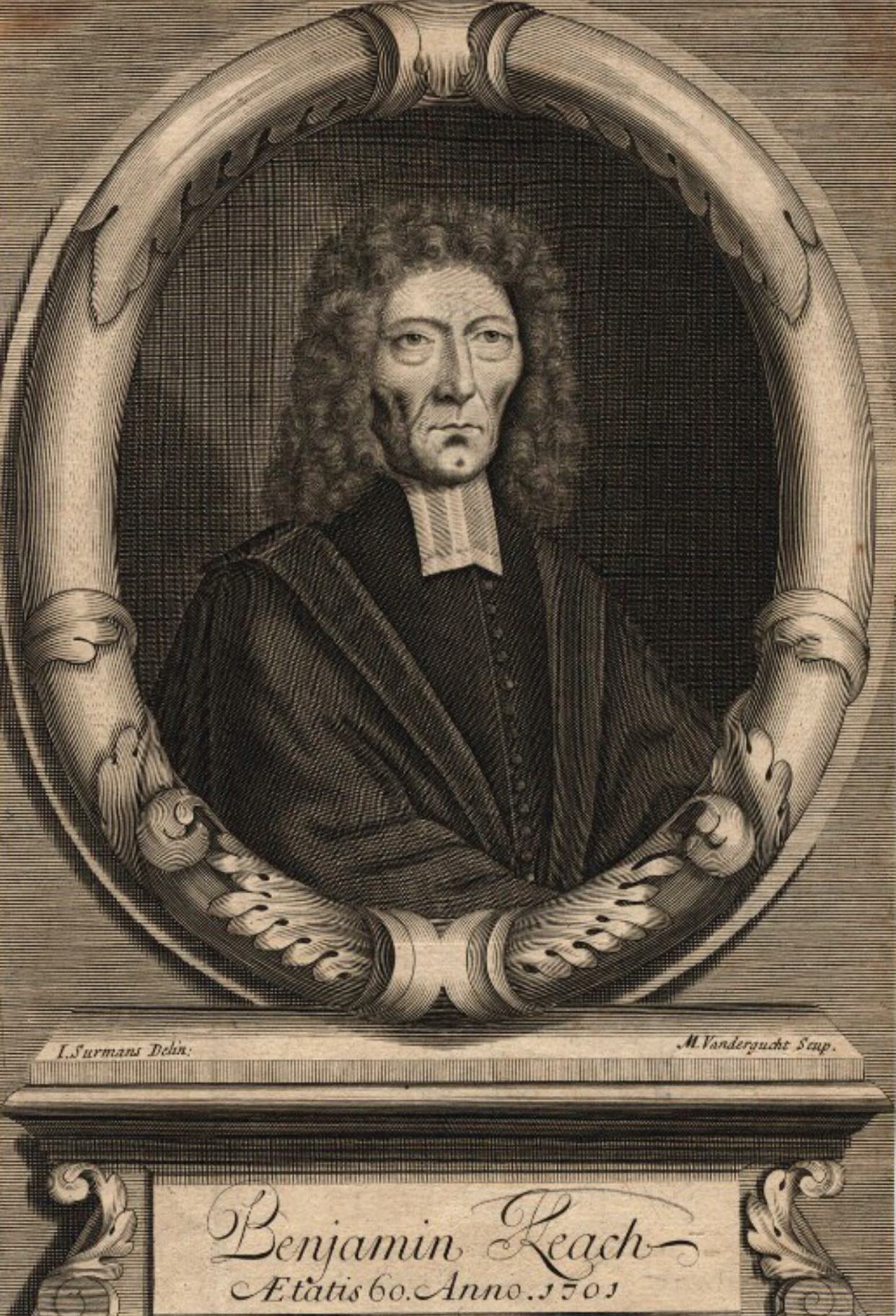
The main theological topic addressed in Benjamin Keach's chapter "Of a Synecdoche of the Species" revolves around the interpretative principle of synecdoche in Scripture, where a part (species) is used to represent the whole (genus) or where specific terms are employed with broader implications. Keach argues that various scriptural examples illustrate how specific words can signify broader concepts or categories, suggesting a rich interconnectivity in biblical language. He cites numerous Scriptures, including Daniel 12:2, John 5:28, Romans 5:18-19, and more, showing how these examples affirm the theological significance of using particular words to convey universal truths. This understanding holds doctrinal significance as it provides insight into interpreting biblical texts and enhances the reader's appreciation of the depth and complexity inherent in Scripture, emphasizing the need for careful exegesis in light of Reformed theology.
Key Quotes
“The word many is put for all...this distinction is conformable to the former kind.”
“A proper name is put for a common as Abraham and Israel for the patriarchs.”
“The singular number is put for the plural.”
“The scripture sometimes proposes any thing that is general by some illustrious species for evidence sake.”
What does the Bible say about synecdoche in scripture?
The Bible employs synecdoche to express broader concepts through specific terms, illustrating how specific words can represent larger ideas.
Daniel 12:2, John 5:28, Isaiah 52:15
Why is the concept of synecdoche important for understanding the Bible?
Understanding synecdoche enriches our interpretation of Biblical texts and reveals the layered meanings in scriptural language.
Psalms 22:4, Romans 14:10
How do we know that biblical figures of speech like synecdoche are true?
Biblical figures of speech, including synecdoche, are affirmed through their consistent application across scripture and their role in communicating divine truths.
Isaiah 15:9
CHAPTER XV.
0F A SYNECDOCHE OF THE SPECIES.
A SYNECDOCHE of the species, is when the species is put for the genus, or particular for the universal, and its distinction is conformable to the former kind. As
The word many is put for all, Da 12:2, compared with Joh 5:28; Isa 52:15; see Mt 16:28; 26:28; Ro 5:18-19.
1. Words of a narrower or more special signification are put for those of a more large or universal signification. The word XXXX vir, a man, is the special attribute of the male sex, yet is put for any man or woman, Ps 1:1; 32:1; 112:1; Jer 17:5,7; Joe 2:7-8. Fathers are put for ancestors, Ps 22:4; 106:6. Father is put for a grandfather, 2Sa 9:7; 19:28; Da 5:11,18. A mother for a grandmother, 1Ki 15:10,13, see verse 2, &c. Brothers for kinsmen, Jg 9:1; 1Ch 12:32; Mt 12:46-47.
Jerom recites four kinds of brothers, or such as are so by nature, Ge 27:11, by country, De 15:3; by kindred, Ge 13:8; by affection or union of mind, Ps 133:1. Hence the brotherhood of one faith in Christ, Ro 14:10; 1Pe 2:17. Sons and daughters for posterity, Ex 1:7; Jer 31:29, A son for a nephew, and a daughter for a niece, Ge 29:5; 24:48. See Jos 7:24, with verse 1. A son for more remote posterity. Hence Christ is called the Son of Abraham and David, Mt 1:1; see Lu 19:9.
2. A proper name is put for a common, as Abraham and Israel for the patriarchs, Isa 62:12; Paul and Apollos for any gospel ministers, 1Co 3:6, see Ro 2:17; 9:19-20; 1Co 7:16, where a speech is directed to one that concerns all.
3. The species is put for the genus; as a bow and spear for all kinds of weapons, Ps 44:6; 46:9; Ec 10:4. Gold for any gift, Ps 72:15; Isa 9:6, A lion, for any great beast, Isa 15:9. A command, for any doctrine, 2Pe 2:21; 3:2. Honey for any sweet thing, Ex 3:8,17, and many other places. "A land flowing with milk and honey," Eze 20:6,15, denotes abundance of good things; bread for any victuals, Ge 3:19; 39:6; Mt 6:11; Lu 14:1, (&c.) A garment for any necessaries, Isa 3:6-7. A widow and orphan for any in distress, Ex 22:22; Jas 1:27.
4. A certain species of number, is put for an undetermined multitude; as two for many, Isa 40:2; 61:7; Jer 16:18; Ec 9:12; Re 18:6. Twice, for as often, Ps 62:11. Five words, are put for a few, 1Co 14:19; and ten thousand words for prolix speech. The number seven is frequently put for an indefinite multitude, Le 26:18,21,24,28; 1Sa 2:5. Sevenfold for a vast number, Ge 4:24; Mt 18:12. Ten for many, Ge 31:7; Nu 14:22. A hundred for many; Ec 6:3; 8:12; Pr 17:10; Mt 19:29. Thousands for very many, Ex 20:6. Myriads or ten thousands for a vast number, 1Sa 17:7. See Ge 24:60; Nu 10:36; Da 7:10; Re 5:11, (&c.)
5. The singular number is put for the plural, Ge 32:5; Ex 10:12; Jg 4:5; Job 14:1; Isa 1:3; 16:1; Jer 8:7; Joe 1:4; Mt 6:17; Ro 2:18,29.
6. Special verbs are put for general, as to go in and out is for the actions of life, or for life in general, Nu 27:17,21; Isa 37:28; Ac 1:21, (&c.) To call upon God, is put for divine worship, Ge 4:26; Isa 43:22; Joh 4:23-24, with many others.
7. The scripture sometimes proposes any thing that is general, by some illustrious species, for evidence sake; as,
(1:) In the actions of men, De 30:5, the example of the axe slipping from the helve, and killing a man by chance, is put for any involuntary man-slaughter. See Ps 112:5; Pr 20:10; Mt 22.
(2.) In the precepts and divine admonitions, Ex 20:12, "Honour thy father and thy mother," denotes reverence to all superiors. See Ex 22:22,26; 23:4-5; De 22:3, (&c.,) Le 19:14; Pr 25:21; Ro 12:20; Lu 3:11; Joh 13:14, The "washing of feet," denotes all sincere offices of love and humility to each other. See 1Sa 25:41; 1Ti 5:10.

Comments
Your comment has been submitted and is awaiting moderation. Once approved, it will appear on this page.
Be the first to comment!