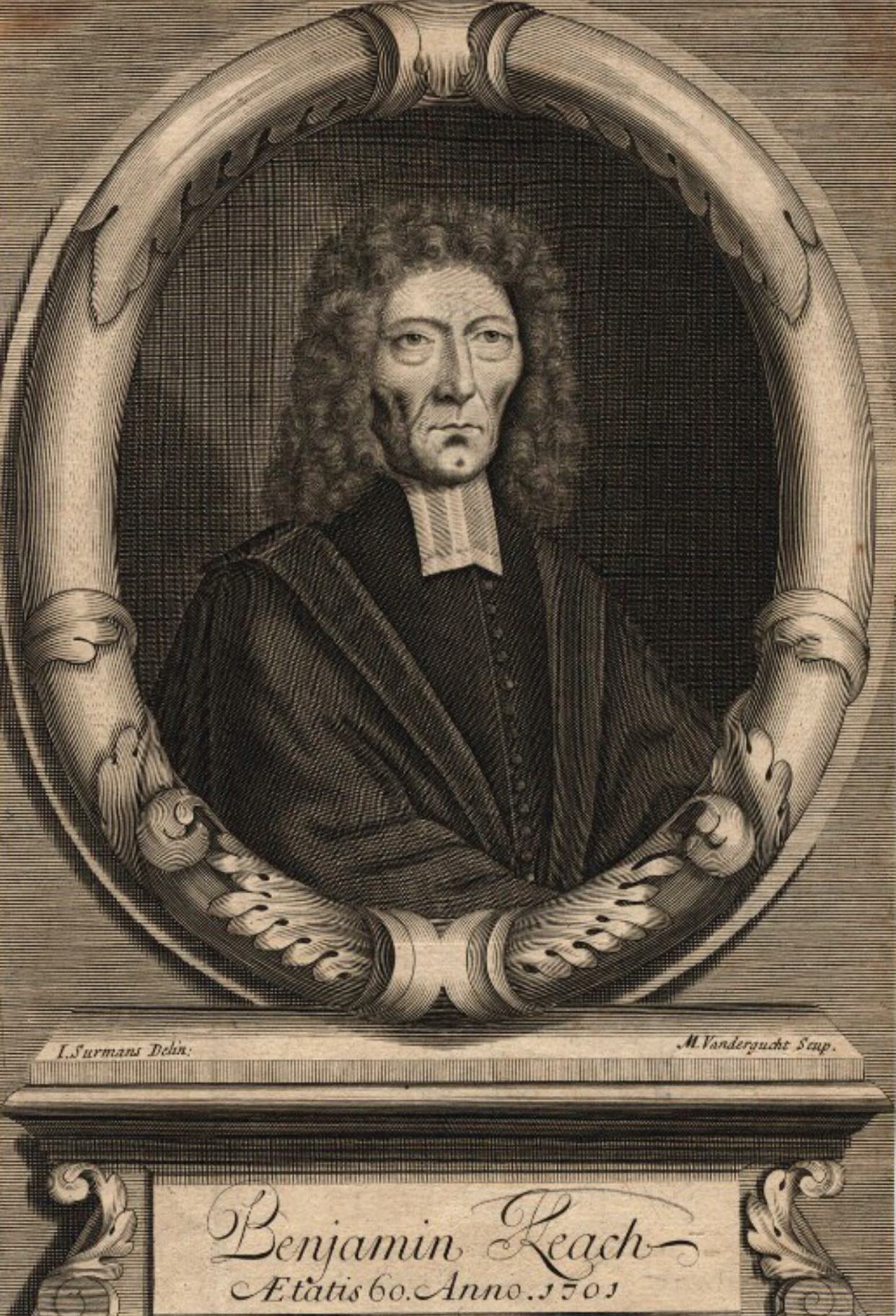
The theological topic addressed in Benjamin Keach's "God as a Leopard" revolves around the fierce and swift judgment of God against the wicked, as illustrated by the metaphor of a leopard. Keach makes key arguments that God observes the ungodly with intention to execute His judgment at the opportune time, emphasizing the attributes of God's wrath and patience. He draws upon various Scripture references, including Hosea 13:7, Habakkuk 1:8, and Jeremiah 44:27, which affirm that God actively watches over the wicked to eventually meet them with judgment, akin to a leopard poised for attack. The practical significance of this theological reflection serves as a warning to the ungodly, urging them to recognize God's imminent justice, underlining the Reformed emphasis on God's sovereignty and righteousness.
Key Quotes
“As a Leopard will I observe them... I will watch over them for evil.”
“When alas poor souls they are greatly mistaken God is watching for a fitter time wherein he will get himself a greater name and more glory in their destruction.”
“Though he may seem to be asleep and to hold his peace and let sinners alone yet will he at last awake out of the sleep.”
“The wicked will be surprised when vengeance comes to be executed upon them.”
What does the Bible say about God's judgment on the wicked?
The Bible depicts God's judgment on the wicked as swift and inevitable, akin to a leopard watching its prey.
Furthermore, in Jeremiah 44:27, God states that He will watch over the wicked not for their preservation but for destruction, showing His determination to execute justice at the right moment. This underscores the idea that while God's patience may appear extended, it is not an indication of indifference. Instead, He patiently waits for the opportune time to display His wrath and bring about His glory in judgment, as highlighted in passages like Psalm 50:21. Therefore, understanding God's nature in relation to judgment encourages believers to reflect on their ways and the seriousness of sin.
Hosea 13:7, Jeremiah 44:27, Psalm 50:21
How do we know God's wrath is certain?
God's wrath is certain as shown through His continual observation of wickedness and eventual judgment.
Moreover, the imagery presented in Scripture serves as a caution to those who persist in their rebellion against Him. As seen in the story of Pharaoh in Exodus, God observed Pharaoh’s obstinance and chose the moment of judgment to display His power and sovereignty. This not only serves as a warning but also reinforces the understanding that God's wrath is both a reality and a necessary aspect of His holy nature. Ultimately, God's wrath fulfills His justice, affirming that unrepentant sin leads inexorably to judgment, which should encourage believers to pursue holiness and repentance.
Habakkuk 1:8, Exodus 7-14
Why is God watching the wicked important for Christians?
God's vigilance over the wicked is a reminder of His justice and serves as a call to repentance for all.
Moreover, this vigilance prompts believers to remain vigilant in their own lives. Knowing that God observes not only the actions of the wicked but also the hearts of individuals challenges Christians to evaluate their own spiritual health and pursue righteousness. The metaphor of God as a leopard emphasizes the reality as well that while He is patient, His judgment will come suddenly, reminding the faithful to live in constant awareness of His holiness and justice. Therefore, this awareness encourages believers to extend grace and call others to repentance, knowing that God delights in mercy yet will be just in His dealings with sin.
Jeremiah 44:27, Psalm 10:11, Hosea 13:7
GOD AS A LEOPARD
"And as a Leopard will I observe them" Ho 13:7.
SIMILE
I. THE Leopard is a great enemy to man, and so fierce, that he immediately flies into the face of him, and pulls out his very eyes.
PARALLEL
I. WICKED men fly in the face of God; they are said to fight against him, Ac 5:39, and Ac 7:51, and now saith God, "I will be like a Leopard," I will as it were fly in your faces, I will come furiously upon you in the way of my judgments: I will not only as a lion, tear the caul of your hearts: but as a Leopard, I will pull out your eyes, and ye shall wander in darkness.
SIMILE
II. The Leopard is a very swift beast: "Their horses are swifter than the Leopards," Hab 1:8.
PARALLEL
II. God says, he will be a "swift witness" against the wicked: "Swiftly will I (saith God, speaking to the enemies of his people) return your recompence upon your own heads," Joe 3:4.
SIMILE
III. The Leopard in watching his prey is very subtil; he observes fit times and seasons when to come upon them. Pliny shows us,[1] how they hide their heads, and what great policy they use in seizing their prey.
[1] Pliny, Lib. viii. p. 204.
PARALLEL
III. In this scripture chiefly God compares himself to a Leopard, in respect of watching the ungodly:"As a Leopard will I observe them." This sets out the fearful wrath of God against wicked men. God sets his infinite wisdom on work, to find out fit times and opportunities to let out his wrath and fury upon them; "I will watch over them for evil," Jer 44:27. The Lord watches over his own people for good; But woe to them, that he like a Leopard, observes, and watches over to destroy. It is marvellous to consider, how long the patient God bears with an ungodly soul, people, or nation, ere he brings his sweeping judgments in upon them. The wicked think God will never strike, because he defers the execution of his wrath, and hence they are hardened in an evil work. When, alas poor souls! they are greatly mistaken; God is watching for a fitter time, wherein he will get himself a greater name, and more glory in their destruction, Ps 50:21, and Ps 10:11,13-14. We have a plain proof of this in Pharaoh king of Egypt; God, like a Leopard, observed him, and watched over him for evil; and at last, though it was not presently, got hold of him, and broke his bones, and destroyed his power, and all his mighty host. God's time of executing his judgments and wrath upon the ungodly, is the most amazing and terrible: "in due time shall the feet of the wicked slip."
SIMILE
IV. Naturalists observe, that when a Leopard comes upon his prey, he leaps upon it suddenly.
PARALLEL
IV. God, though he seems to tarry long before he comes upon the ungodly, yet when he doth come, he leaps (as it were) upon them, comes on a sudden: "I will come upon thee as a thief," Re 3:3. The wicked will be surprised when vengeance comes to be executed upon them.
SIMILE
V. It is observed of the Leopard, that he will sleep long, even three days together; but after he awakes, he is more fierce.
PARALLEL
V. God, though he may seem to be asleep, and to hold his peace, and let sinners alone; yet will he at last awake out of the sleep, and then let sinners look to it, Isa 42:14.

Comments
Your comment has been submitted and is awaiting moderation. Once approved, it will appear on this page.
Be the first to comment!