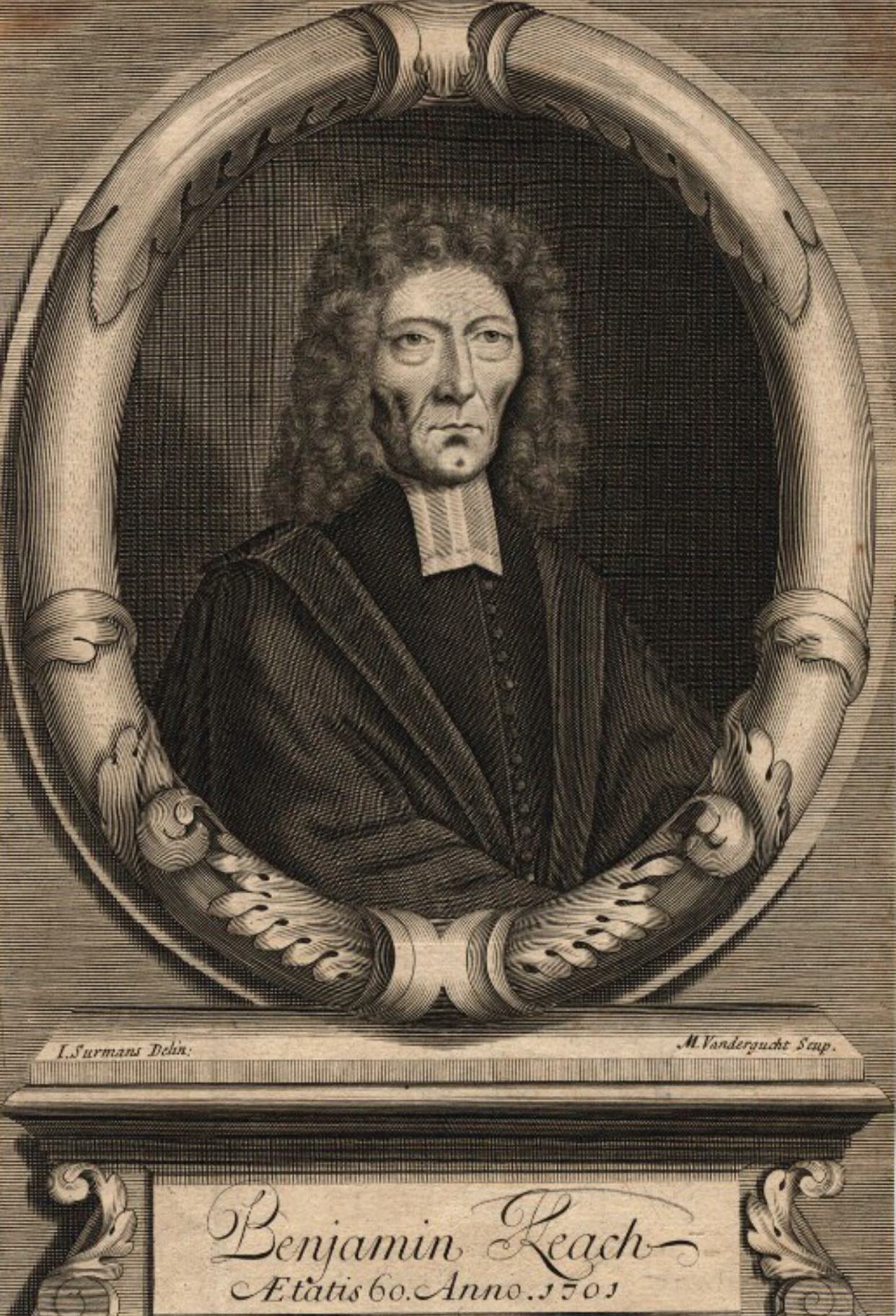
In "Christ the Pearl of Great Price," Benjamin Keach explores the metaphor of Christ as the ultimate treasure reflected in the parable of the pearl found in Matthew 13:45-46. He argues that the search for Christ, akin to the diligent pursuit of a rare pearl, requires perseverance and a willingness to face adversity. Keach uses various scriptural references, including Luke 1:35, Philippians 3:8, and 1 Timothy 2:5, to illustrate Christ’s divine origin, unparalleled worth, and the necessity of recognizing His value compared to worldly treasures. The practical significance of this teaching invites believers to prioritize their relationship with Christ above all earthly possessions and distractions, emphasizing that true fulfillment and eternal joy are found solely in Him.
Key Quotes
“Christ is of an inestimable value... more precious unto believers than rubies and all that can be desired cannot be compared unto him.”
“Those that would find the Pearl of great price must search and seek after him diligently as for hid treasure.”
“He that finds this Pearl of great price can never be miserable; Christ supplies all the wants and necessities of believers.”
“Many seek him where he is not to be found... few they be that find this precious Pearl.”
What does the Bible say about Christ as the Pearl of Great Price?
The Bible illustrates Christ as the Pearl of Great Price, emphasizing His infinite worth and the sacrifices made to obtain Him.
This metaphor also established that not everyone recognizes the value of Jesus. Many prioritize transient gain over eternal treasures, as seen in Philippians 3:8, where Paul compares all earthly accomplishments to dung in light of knowing Christ. The call is to part with all for the sake of gaining Him, acknowledging that true happiness is found not in temporary wealth but in a profound relationship with the Savior.
How do we know the value of Christ is true?
The value of Christ is affirmed in Scripture, demonstrating His unique role as the mediator and Savior, unparalleled in worth.
Moreover, Christ is described as the brightness of the Father’s glory and the express image of His Person (Hebrews 1:3), illustrating that His value is not merely subjective but objectively rooted in His divine attributes, His redemptive work on the cross, and His continual intercession for believers. Thus, acknowledging Christ as the Pearl of Great Price is founded on a comprehensive understanding of His theology and is intended to inspire believers to recognize His incomparable worth.
Why is seeking Christ compared to finding a pearl?
Seeking Christ is likened to finding a pearl to illustrate the diligence and sacrifice needed to truly know Him.
Moreover, pearls represent scarce value. The teaching emphasizes that while many may search for fulfillment in various worldly avenues, understanding Christ’s true worth often necessitates personal trials and a heart willing to forsake temporary pleasures. This quest is intrinsic to the Christian journey, as believers must discern with clarity where to find genuine spiritual treasure in a world filled with counterfeit offerings.
CHRIST THE PEARL OF GREAT PRICE
"And when he had found one Pearl of great price, he sold all that he had, and bought it? Mt 13:45-46.
METAPHOR
I. PEARLS (as naturalists tell us[1] ) have a strange birth and original; it is the wonderful production of the shell-fish, congealed into a diaphonous stone. The shell, which is called the mother of pearl, at a certain time of the year, opens itself, and takes in a certain moist dew, as seed; after which they grow big, till they bring forth the pearl.[2]
[1] Pliny, lib. ix. cap. 35.
[2] Reperiuntur in conchis marinis, ex rore cælesti certo anni tempore hausto producta, vel potius nata.
PARALLEL
I. THE original and birth of Christ is wonderful; God manifested in the flesh is the admiration of angels: a virgin (the mother of this pearl according to the flesh) being over-shadowed with the Holy Spirit (which is compared to dew) conceived, arid when her time was come, travailed, and brought forth Christ, the pearl of great price: "And the angel said unto her, the Holy Ghost shall come upon thee, and the power of the Highest shall overshadow thee," &c. Lu 1:35.
METAPHOR
II. Those that would find Pearls, must search curiously for them, and resolve to run through many dangers, among those huge and terrible monsters of the sea, saith Pliny, lib. ix. cap. 35.
PARALLEL
II. Those that would find the Pearl of great price, must search and seek after him diligently, as for hid treasure; and must resolve to pass through all the troubles and difficulties that attend the way of true piety and godliness, Ec 2:4
METAPHOR
III. It is not an easy thing to find Pearl; very few know where to seek for it, it lying usually at the bottom of very deep waters.
PARALLEL
III. It is no easy thing to find Christ, and obtain an interest in him; many seek him where he is not to be found, in the broad way, and by the merit of their own performances; few they be that find this precious Pearl, Song 3:2.
METAPHOR
IV. Pearls are things of very great worth: "The richest merchandize of all, and the most foreign commodity throughout the whole world, are these Pearls," saith Pliny, lib. ix. cap. 35. Moreover, he tells us of one Pearl that Cleopatra had, which was valued at six hundred thousand Sestertii; hence men will part with all for Pearls.
PARALLEL
IV. Christ is of an inestimable value; may well he called the Pearl of great price. The worth and excellency of Christ far exceeds the riches of both Indies. He is the rarest Jewel the Father hath in heaven and earth, more precious unto believers than rubies, and all that can be desired cannot be compared unto him: "No mention shall be made of Pearl," Job 28:18. Hence the saints part with all for him, and do account the best of earthly things but dung, that they may win Christ, Php 3:8:
METAPHOR
V. Yet, notwithstanding, many men and women do not know the worth and value of Pearls, and hence they through ignorance esteem them not above pebbles; swine tread them under their feet; they value peas above Pearls.
PARALLEL
V. The Lord Jesus, though in himself he is so precious, and prized above all by the godly; yet wicked and carnal persons, by reason of that sordid ignorance and blindness that is upon their understanding, esteem him not above the perishing things of this world; nay, some swinish men prize their own beastly lusts above Christ.
METAPHOR
VI. Pearls have a hidden virtue in them; though in bulk but small, yet in efficacy they are very great.
PARALLEL
VI. Christ hath a hidden virtue, most excellent in nature; though he seems weak, small, and despised in the eyes of the carnal world, yet he is the power of God to salvation, Ro 1:10.
METAPHOR
VII. Pearls are of a splendid and oriental brightness; for which reason the Greeks call them margazithv, a nitore splendente; their beauty is as much within as without.
PARALLEL
VII. Christ is beautiful, fair, and shining; his oriental brightness is far above the glorious splendour and brightness of the sun shining in his strength: "He is the brightness of his Father's glory, and the express image of his Person," Heb 1:3. Christ's beauty is as much within as without.
METAPHOR
VIII. A Pearl is round, which is an emblem of eternity, it hath no end.
PARALLEL
VIII. Christ in respect of his Divinity, is from eternity to eternity, without beginning, and without end.
METAPHOR
IX. Pearls are firm, strong, and well-compact so as fire cannot consume them, nor ordinary strength break them.
PARALLEL
IX. Christ is called a Stone, a tried Stone, and sure Foundation; there is no fire can consume him, nor can all the powers of hell break or mar him.
METAPHOR
X. They need no other riches, that find a Pearl of great price and and value; they are made for ever, as the proverb is, in respect of this world.
PARALLEL
X. They that find Christ have enough, they need no more riches; they are not only made happy here, but also to eternity, and may say, with Jacob, they have all.
METAPHOR
XI. Pearls are a rich ornament: such as have precious pearls in their ears, or rich strings of them about their necks, are looked upon as honourable persons.
PARALLEL
XI. Christ is the saint's richest ornament: those that are graced and adorned with this Pearl, are the most renowned and honourable ones in the world: "The righteous are more excellent than their neighbours," Pr 12:26.
METAPHOR
XII. Pearl is a very rich and sovereign cordial, and is of excellent use and virtue to prevent poison, to preserve natural strength, and to purge melancholy.
PARALLEL
XII. There is no cordial to a disconsolate and drooping spirit like Christ; the virtue of his blood, and the comforts of his Spirit, revive immediately the sick and fainting soul. It is he that keeps us from the poison and venomous sting of the old serpent, that strengthens us, and purges out all our corruptions.
METAPHOR
XIII. Pearls are called Uniones by the Latins, because they are found one by one, quod conjunctim nulli reperiantur.[3]
[3] Scultel. Exercitat. Evang. lib. ii. cap. 41.
PARALLEL
XIII. Christ is singular; there is but one Christ, one Mediator between God and man, 1Ti 2:5.
METAPHOR
I. PEARLS are of an earthly original.
DISPARITY
I. Jesus Christ is the Lord from heaven.
METAPHOR
II. Pearls are of a very small dimension; for though they be very considerable in value, yet are the least of all precious stones.
DISPARITY
II. Christ is infinite in respect of his Deity, without measure, filling heaven and earth with his presence. He is in heaven, and yet with his people on earth, to the end of the world, Mt 28.
METAPHOR
III. Men may find a rich and precious Pearl, and yet be miserable in divers respects, and that cannot help him.
DISPARITY
III. He that finds this Pearl of great price, can never be miserable. Christ supplies all the wants and necessities of believers.
METAPHOR
IV. Men that find precious Pearls may sell them if they please, and sin not, nor injure themselves thereby.
DISPARITY
IV. No man can sell Christ, nor part with him, but he sins thereby, and ruins himself, as Judas did.
METAPHOR
V. Other Pearls are of a perishing nature, they may be defaced, broken, dissolved, and come to nothing.
DISPARITY
V. Christ is durable; this Pearl of price can never be spoiled or dissolved, nor diminish or lose his beauty.
INFERENCES.
I. HAPPY are they that find this Pearl.
II. They are fools who will venture the loss of all for him.
III. Esteem Christ highly, you can never overvalue him.
IV. Bless God for bestowing his chiefest and best Pearl upon you.

Comments
Your comment has been submitted and is awaiting moderation. Once approved, it will appear on this page.
Be the first to comment!