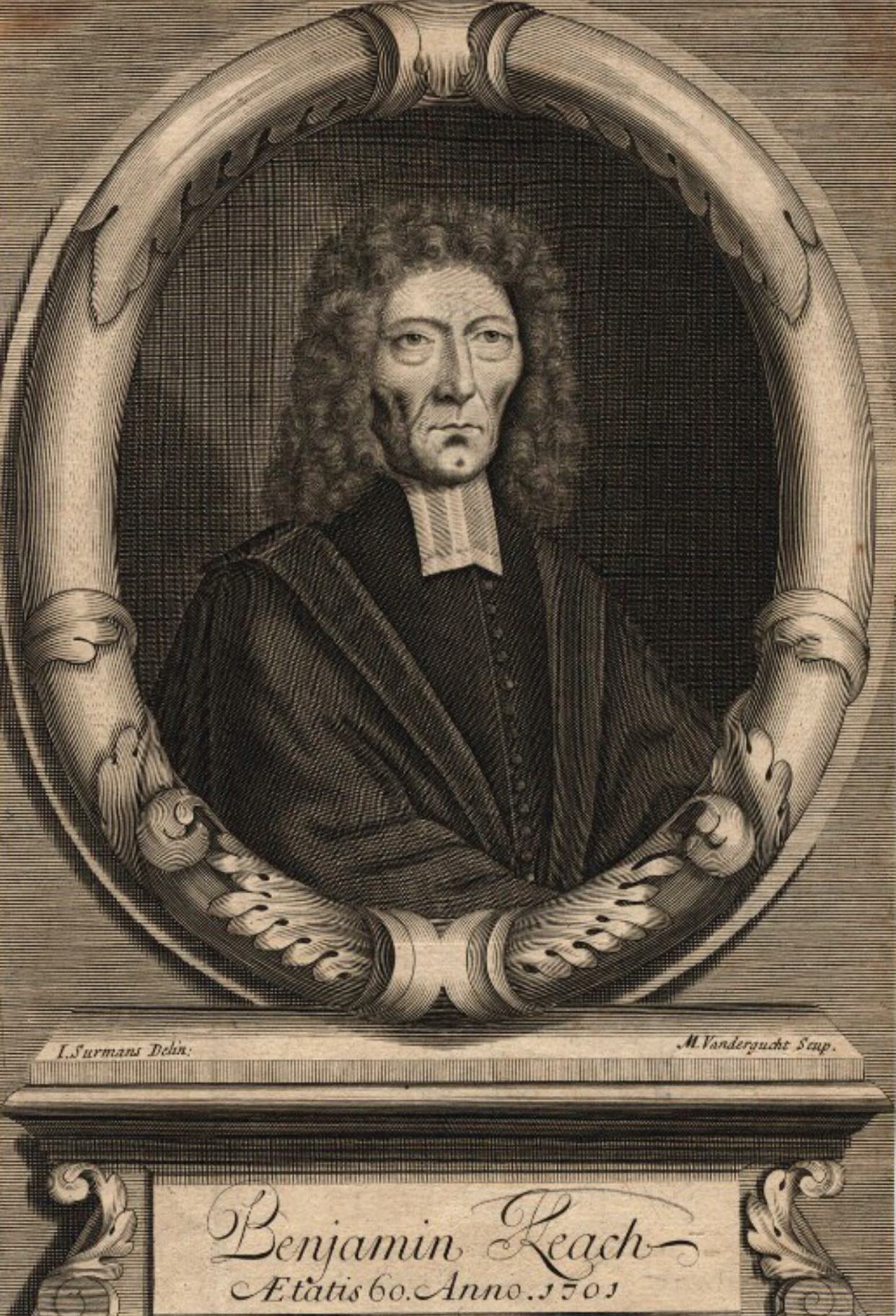
In "Christ the Bread of Life," Benjamin Keach explores the profound theological metaphor of Christ as the Bread of Life, emphasizing His suitability as spiritual sustenance for believers. Keach articulates several key metaphors that illustrate how Christ fulfills the role of bread in various aspects: He is prepared by God (Hebrews 10:5), good in nature (Matthew 19:17), and necessary for spiritual vitality (Romans 5:6). The article references Scripture to affirm that just as bread is essential for physical life, Christ is vital for spiritual existence; rejecting Him leads to spiritual death (John 6:53, Revelation 3:17). The significance of this doctrine lies in the necessity of believers to actively partake in Christ for spiritual nourishment, highlighting the fatality of neglecting the Bread of Life.
Key Quotes
“Jesus Christ is the best of blessings beyond compare the chiefest among ten thousand.”
“If relations speak what is it...all is as nothing it will not stop the mouth of hunger nor minister one night's solid content or satisfaction the height of all his happiness lieth but in the folly of advancement that vanisheth upon the first opening of his eyes.”
“A true and real sense of the want of Christ will occasion violent motions as it did when the poor pressed into the Gospel.”
“It teaches the indispensable necessity of men coming to him, their receiving and being partakers of him; all soul Bread is in him.”
What does the Bible say about Christ being the Bread of Life?
The Bible teaches that Christ is the Bread of Life, emphasizing His role as essential spiritual nourishment for believers.
John 6:48-51, John 6:53
How do we know Jesus is the true Bread from heaven?
We know Jesus is the true Bread from heaven through Scripture, which reveals His divine origin and sustaining power for our souls.
John 6:51, 1 Corinthians 10:16
Why is recognizing Christ as the Bread of Life important for Christians?
Recognizing Christ as the Bread of Life is crucial for Christians as He is the source of nourishment, strength, and eternal life.
John 6:35, Philippians 4:13
CHRIST THE BREAD OF LIFE
"I am the bread of Life: this is the bread which cometh down from heaven. I am the living Bread which came down from heaven," Joh 6:48,50-51.
IT is not my business here to give the various opinions of men touching the Bread in the text, (some hold it to be Christ's doctrine; others, Christ in the sacrament; others hold it is Christ in a more invisible administration); but to show metaphorically, that whatsoever Bread properly so called, is to men, considered as men; that Jesus Christ is unto believers, and all true Christians, according to the gospel.
METAPHOR
I. BREAD is prepared and made fit for food.
PARALLEL
I. THE Lord Jesus was prepared by God the Father, to be a meet and fit Saviour, and food for our souls; "a body has thou prepared me," Heb 10:5.
METAPHOR
II. Bread is a substance well suited for the subject to which it is appointed.
PARALLEL
II. Jesus Christ is well suited to the soul or subject that is to receive him, all qualifications which are really useful to support and refresh the soul are in him; viz., mercy, kindness, goodness, gentleness, pity, and sympathy, Mt 11:28-29. He administers to the poor, feeds, fills, satisfies, &c. "Of his fulness we receive, and grace for grace," Joh 1:16.
METAPHOR
III. Bread is good in itself, and of its own nature.
PARALLEL
III. Christ is good in himself, and in his own nature, and he cannot but be so, because there is no evil quality can mix, incorporate, or convey the least tincture into him; although he seems to refuse the attribute of absolute good: "Why callest thou me good?" &c. Mt 19:17. Yet was he really and completely good in his whole nature and quality, being God, &c.
METAPHOR
IV. Bread is not inherent in us, but a distinct thing from us, and a gift from another.
PARALLEL
IV. Jesus is not inherent in us, as some imagine, but is a distinct person, or substance without us, "the gift of God to us," Joh 4:10. "He came to his own, but his own received him not; but to as many as received him, to them gave he power to become the sons of God," &c. Joh 1:11-12.
METAPHOR
V. Bread is ordained to an high and most excellent end, even to preserve the whole race of mankind.
PARALLEL
V. Christ was ordained of God to a very high and excellent end, even to uphold the whole race of mankind; this Lamb was fore-ordained, "That through him sinners might be saved," 1Ti 1:15. Thou shalt be my salvation to the ends of the earth," Ac 13:47.
METAPHOR
VI. Bread, though it be prepared, be suited, be good, given and ordained to an high, a very high and excellent end, yet it must be taken and used according to the intent of the giver, and proportionable to the end of it, otherwise we shall starve in the midst of plenty.
PARALLEL
VI. In like manner, though Jesus Christ the blessed Saviour be prepared and suited, be good and given, be ordained and appointed to a very high and excellent end, yet if he be not taken and made use of according to the intent of the giver, and proportionable to the end, for which he was given, misguided and careless men may perish: the supper of the great king did only benefit the receiver, the rest that came not when invited, perished: "They that were bidden shall taste of my supper," Lu 14:24. The Prodigal had starved, had he not come to his father's house for Bread.
METAPHOR
VII. Bread is pleasant to the taste of all, but especially to the needy. "The full soul loathes the honey comb, but to the hungry every bitter thing is sweet," Pr 27:7.
PARALLEL
VII. In like manner Jesus Christ is pleasant and sweet to a hungry soul that is sensible of the want and need of him; "Unto those who believe, he is precious, &c.," 1Pe 2:7.
METAPHOR
VIII. Bread renews strength and preserves persons' lives: not only David and the Samaritans found it so, but it is the common experience of all mankind, without it faintness immediately succeeds, and soon after life expires.
PARALLEL
VIII. In like manner Jesus Christ renews, strengthens, and preserves the souls of men: before he comes, they are without strength, and those that refuse him, shall certainly die in their sins, &c., Ro 5:6; Joh 8:2,4.
METAPHOR
IX. Bread as it renews strength and preserves life, so it fits for work and business, no man can work much, or continue long in business without it.
PARALLEL
IX. Even so Jesus Christ received, doth fit for spiritual work and business: "I can do all things through Christ that strengthens me:" but without him nothing can be done to any purpose: "Without me ye can do nothing," Joh 15:5.
METAPHOR
X. Bread is of universal necessity and benefit, the rich want it as well as the poor, the landlord as well as the tenant; the king as well as the subject: children in their non-age, young men in their full strength, and the old man that is going out of the world, they all need it, and have benefit by it.
PARALLEL
X. The Lord Jesus is of universal necessity and benefit; the rich want him as well as the poor, the landlord as well as the tenant, the king as well as the peasant; young men in their full strength, old men when they are going out of the world, they all need him; "for there is no other name given under heaven, by which men can be saved," Ac 4:12. All have some benefit by him; "he is the Saviour of all men, but especially of them that believe."
METAPHOR
XI. Bread is the best of all earthly blessings; beauty, ornament, wealth, treasures, are below it; and inferior to it, and not to be valued with it: a man will pawn his clothes, dispose of his treasure, mortgage his land rather than want bread.
PARALLEL
XI. Jesus Christ is the best of blessings, beyond compare; "the chiefest among ten thousand," Song 5:10. He is that bread that addeth strength to the faculties, creates a healthful appetite in every right receiver; yea, beauty, ornament, wealth, treasures, are below him, and not to be valued with him, he is better than gold; yea, "the most fine gold; better than rubies, and all things that can be desired," Pr 3:13-15, are not to be compared unto him. Wise men, masters of the best reason have sold, left, forsaken all, for him. Moses left all the riches and honours of Egypt, for Jesus Christ, David cries, "Whom have I in heaven but thee?" &c., Ps 73:25. The primitive saints parted with their substance, their clothes, their peace; yea, their lives, and all, for Christ's sake; "we have left all and followed thee," &c. "I account not my life dear unto myself," &c., for whom I have suffered the loss of all things," &c. Heb 11:24-26.
METAPHOR
XII. Bread hath a hidden virtue in it, which cannot be known, but by taste, or experience. A man may see and hear much, but this is nothing, it is taste, relish and experience that discovers the virtue of it: and a small morsel tasted, is better than, the great king of Babylon's feasts that were seen, and not partaken of.
PARALLEL
XII. In like manner the Bread of life, the Bread of God hath hidden virtue in him, which none can know but those that have tasted, that the Lord is gracious: therefore "O! taste and see how good the Lord is," Ps 34:8. Experience worketh hope. This was that which Christ meant when he said, "Except ye eat the flesh of the Son of man, and drink his blood, ye have no life in you," Joh 6:53. Unless you taste, relish, and experience the hidden virtue that is in Christ, the use of his name, the sight of his Person, the hearing of him preached will do you no good.
METAPHOR
XIII. Bread is a free portion, and common to all that will work for it, it belongs to the poor as well as the rich, none excepted from it; but on a forfeiture. "He that will not work, neither let him eat."
PARALLEL
XIII. Christ is a free portion, a common right to the poor as well as the rich; he that will endeavour to get him, that will labour for the meat that perisheth not, may have him, Joh 6:27. "He feeds the hungry with good things," Lu 1:53; none are forbidden to take of this bread; those that will not look out for it, will certainly lose their souls at last. "The slothful shall beg in harvest, and have nothing," his desire stayeth him. "We are to seek, to ask, to knock, to strive, to labour for the meat that perisheth not," Pr 19:15, or perish for the want of it.
METAPHOR
XIV. Bread is absolutely necessary to common happiness; a man cannot enjoy himself, or his relations without it; if he hath glorious apparel, sumptuous and fair buildings, spacious gardens, large fields, and pastures, if it were possible to have the wisdom, wealth, and glory of Solomon, and want Bread, he could take no comfort in it; the fretting and hungry humour would haunt him, and like the worm, and devouring caterpillars of Egypt, eat up and devour all his comforts.
PARALLEL
XIV. Jesus Christ is absolutely necessary to men's happiness; there is no joy, no peace, no tranquillity of mind, no content or satisfaction, no freedom from the fretting humour of a distempered mind, from the hungry craving of a galled conscience without him. If relations speak, what is it? if he clothe himself with silver, if he adorn himself with jewels, if his rooms be hung with rich tapestry, if he stretcheth himself on a bed of ivory, all is as nothing, it will not stop the mouth of hunger, nor minister one night's solid content or satisfaction; the height of all his happiness lieth but in the folly of advancement, that vanisheth upon the first opening of his eyes, and seeing himself lost, and, the saddest case without Christ in the world: he dreams he hath spiritual food; but when he wakes, his soul is starved, and sinks within him, he thinks he is full and needs nothing, but is naked, poor, and miserable, and wants all things, Re 3:17; and there can be none but miserable comforters round about him, that can say little more than there is no help for him in his God, because he hath neglected this spiritual Bread; "For he that hath not the Son, hath not Life, but the wrath of God abideth upon him," Joh 3:36.
METAPHOR
XV. Bread, in a sense of the want of it, will occasion violent motions, according to the old proverb: hunger will break through stone walls, &c.
PARALLEL
XV. A true and real sense of the want of Christ, will occasion violent motions, as it did when the poor pressed into the Gospel; "The violent took it by force:" the blind man cried when forbidden: the woman came for crumbs upon the sharp point of great repulses, and would have no denial, Mt 15:25-28.
METAPHOR
XVI. Bread as it comprehends the greatest of blessings when promised, so the greatest of judgments when denied; "Bread shall be given, and thy waters shall be sure."
PARALLEL
XVI. Jesus Christ, as he is the Bread of God, the Bread of heaven, the Bread of souls, is comprehensive of the greatest blessings when promised or enjoyed, he is the Light of our eyes, the joy of our hearts, and Life of our souls, his approach to us far exceeds the joy of harvest to an husbandman; but the greatest of judgments when denied; there follows a lean, miserable, starved, decayed, sinking, dying, destroyed, and damned soul for ever and ever: "My servants shall eat, but you shall be hungry, I will break the staff of bread," &c.
METAPHOR
I. Bread is an earthly substance.
DISPARITY
I. But Christ is the Bread that came down from heaven, the second man was the Lord from heaven.
METAPHOR
II. Bread is a dead substance.
DISPARITY
II. But Jesus Christ is living Bread, was dead for a while, "but is alive, and lives for evermore:" "He ever lives to make intercession, dies no more," &c., Re 1:18; Heb 7:25.
METAPHOR
III. Bread properly is for the body.
DISPARITY
III. But Jesus Christ is Bread, meat, refreshing, Life for the soul: "Whosoever hath Christ, shall have him for ever, shall never die," Joh 6.
METAPHOR
IV. Bread properly so called will perish, as the manna in the wilderness.
DISPARITY
IV. But Christ is durable, "The same yesterday; and to-day, and for ever, whom God would not suffer to see corruption."
METAPHOR
V. Bread properly so called, is literally eaten, as the fathers did eat manna.
DISPARITY
V. But Jesus Christ is eaten spiritually, not as the papists do imagine, not to his hurt or punishment, but to his honour and delight: not as the fathers eat manna in the wilderness.
METAPHOR
VI. Literal or corporeal Bread is given by the hands of men, as parents give to their children, when they ask it.
DISPARITY
VI. Christ is given by the hand of God, and by the ministration of the Spirit. "He shall take of mine and show unto you," Joh 16:14.
INFERENCES.
IF this doctrine be true (as it certainly is) which hath been discovered, then it affords us matter of instruction:
1. It teacheth us God's great goodness in providing such Bread for us, that is so good in itself, so necessary unto us, that we die and perish without it.
2. It shows Jesus Christ's great goodness, in vouchsafing to become Bread and food for us; what manner of love is this, that the Son should undertake to feed and save us, &c.
3. It shows the indispensible necessity of men coming to him, their receiving and being partakers of him: all soul Bread is in him, all life, yea, all spiritual life is in him. Those that refuse him, choose death. The eternal life that God gives, is in his Son, Pr 8; Joh 1.
4. It shows the blessedness of those that are made partakers of him: "Whosoever hath the Son, hath the Father also," Joh 5:24. "And he that hath the Son, hath life, and shall never come into condemnation."
5. It teacheth good and bad to pray: the good, that God would evermore give them this Bread, every day give them Bread: "Give us this day our daily Bread," Mt 6. The bad, that God in mercy would not let them die before they are made partakers of Christ, the true Bread, the Bread of God, the Bread of Life, that whosoever dieth without, dieth never to live again, he dies the second death. O! cry to God, to the Lord of Life, that whatsoever you want of this life, you may not eternally perish without Jesus Christ.

Comments
Your comment has been submitted and is awaiting moderation. Once approved, it will appear on this page.
Be the first to comment!