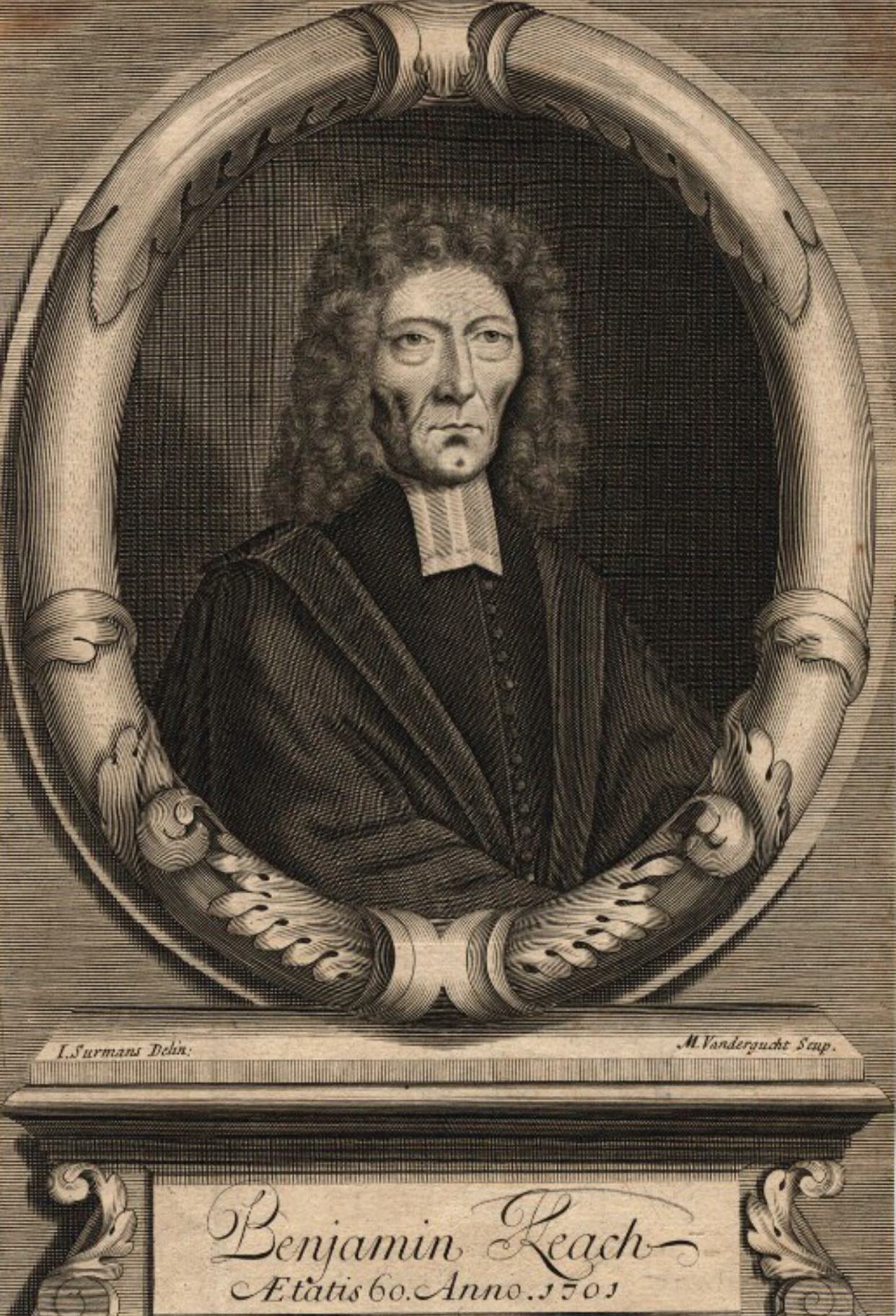
The article "Christ an Altar" by Benjamin Keach explores the theological significance of Christ as the ultimate altar and sacrifice in the Reformed Christian faith. Keach articulates how the various altars and sacrifices in the Old Testament serve as metaphors for Christ's sacrificial work, emphasizing that only through Christ can believers partake in spiritual benefits (Hebrews 13:10). He discusses multiple parallels, such as the altar of incense representing Christ's mediation and the altar of burnt offerings symbolizing His propitiatory sacrifice (Hebrews 9:14; 1 John 2:2-3). Furthermore, Keach highlights the permanence and sufficiency of Christ's sacrifice compared to the temporary nature of Old Testament altars, reinforcing the significance of relying solely on Christ as the true and singular means of access to God (Hebrews 5:6). The implications are that any attempt to revert to Old Covenant practices, such as priestly services at Jewish altars, denies the sufficiency of Christ's sacrifice and detracts from the glory of the Gospel.
Key Quotes
“They cannot eat of this spiritual Altar that is, they cannot be partakers of the benefits of this sacrifice purchased by the death of Christ.”
“Christ alone is both the sacrifice and Sacrificer.”
“The Lord Jesus our spiritual Altar doth sanctify all our duties and prayers which are in themselves impure.”
“It is a sin now to erect such Altars because the antitype or substance of them is come.”
What does the Bible say about Christ as an altar?
The Bible presents Christ as the spiritual altar, signifying His sacrifice as the ultimate means for atonement and acceptance.
Hebrews 13:10, Hebrews 9:14, 1 John 2:2-3
Why is Christ's sacrifice important for Christians?
Christ's sacrifice is crucial as it provides the sole means of atonement for sin and access to God.
Hebrews 9:26, Colossians 3:17, Hebrews 13:12
How do we know Christ's atoning work is sufficient?
Christ's atoning work is sufficient as it satisfies God's judgment and fulfills the sacrificial system.
Hebrews 9:14, Hebrews 5:6, 1 John 2:2
CHRIST AN ALTAR
"We have an altar, whereof they have no right to eat which serve the tabernacle," Heb 13:10.
THE Greek word Qusiashrion, properly signifies an altar, where the slain sacrifices were offered; and sometimes, as Brightman says on Re 16:7, the altar of incense or perfumes.---It is derived of qusia, which signifies a sacrifice or offering. In this text it metaphorically denotes the whole mystery of Christ the Mediator, and is put by a synecdoche for the oblation or sacrifice, (viz. Christ,) See 1Co 9:13; 10:18. The meaning is, that such as still stick to the ceremonies of the law by serving the legal tabernacle, and thereby seek their justification, cannot eat of this spiritual Altar; that is, they cannot be partakers of the benefits of this sacrifice purchased by the death of Christ.
METAPHOR
I. THE Altar of perfume was appointed by the Lord, to be made of shittim wood, overlaid with gold, having a crown of gold about it.
PARALLEL
I. CHRIST'S human nature was covered and over-laid, as it were, with the divinity, and crowned with majesty, as the gold adorned the wood, and circled the Altar.
METAPHOR
II. The Altar of burnt-offerings was ordained for sacrifices, to atone for sin; the flesh of beasts was offered thereon.
PARALLEL
II. Christ was appointed for sacrifice, his human nature was offered up as a propitiatory sacrifice for the sins of the whole world, Heb 9:14; 1Jo 2:2-3.
METAPHOR
III. All sacrifices were to be offered upon the Altar of burnt-offerings; and all incense to be burnt upon the Altar of incense.
PARALLEL
III. All our duties are to be performed and done through Christ's name, and all our prayers, which are our spiritual incense, are to be made through his mediation; all must be done which God hath appointed, upon his own Altar, or it will be abhorred, Col 3:17; Re 8:4.
METAPHOR
IV. The Altar of burnt-offerings was but one, and in one place; and the sacrifice to be offered thereon, in this place only.
PARALLEL
IV. The saints' spiritual Altar, Jesus Christ, is but one, who only once, and in one place offered up a sufficient sacrifice for sin, Heb 9:26; 13:12.
METAPHOR
V. The Altar did sanctify the sacrifices which were laid upon it.
PARALLEL
V. The Lord Jesus, our spiritual Altar, doth sanctify all our duties and prayers, which are in themselves impure, Re 8:3-5.
METAPHOR
VI. The Altar was a place of refuge; men that were in danger, fled to the horns of the Altar, and there intreated for favour, 1Ki 1:50; 2:28.
PARALLEL
VI. Jesus Christ is a believer's only refuge it is through him, and by flying to him, God comes to be intreated, and is kind, and merciful unto us.
METAPHOR
VII. The horns of the Altar were to be sprinkled with blood, and so was the Altar of incense once a year, Ex 29:12; 30:10.
PARALLEL
VII. Christ was not only sprinkled with his own blood, but we may thereby learn, that all our prayers and duties are not only accepted through his intercession, but also by the means of his shedding, and sprinkling of his blood.
METAPHOR
VIII. The Altar had four horns on the four corners thereof, Ex 27:2.
PARALLEL
VIII. These four horns signified the power and glory of Christ's priesthood, for the salvation of his elect from the four corners of the earth.[1]
[1] Ainsworth.
TYPE
I. The Altar and sacrifice, the Altar and incense, were two things.
DISPARITY
I. CHRIST alone is both the sacrifice and Sacrificer.
TYPE
II. Other Altars only sanctified the gift ceremonially or figuratively, and could not other ways.
DISPARITY
II. Christ sanctifies all the prayers and duties of the godly, really by reason of that intrinsic worth, virtue, and excellency there is in him, and in his death, &c.
TYPE
III. Other Altars were to stand but for a time; it is a sin now to erect such Altars; because the antitype or substance of them is come.
DISPARITY
III. Christ our Altar and High-priest abides for ever. "Thou art a priest for ever after the order of Melchisedec," Heb 5:6.
TYPE
IV. Other altars were made of corruptible matter, viz., shittim-wood.
DISPARITY
IV. Christ is incorruptible; that was of a perishing nature, but this Altar perisheth not.
INFERENCES.
I. THIS reproves those that erect Altars in their churches, as the papists and others do; saints own no Altar but Christ.
II. We may infer from hence, that those that serve at the Jewish tabernacles, have no right to eat of this Altar, for they thereby deny him to be their Altar.
III. This shows the Gospel Church and worship, is far more glorious than the legal church and worship was.

Comments
Your comment has been submitted and is awaiting moderation. Once approved, it will appear on this page.
Be the first to comment!