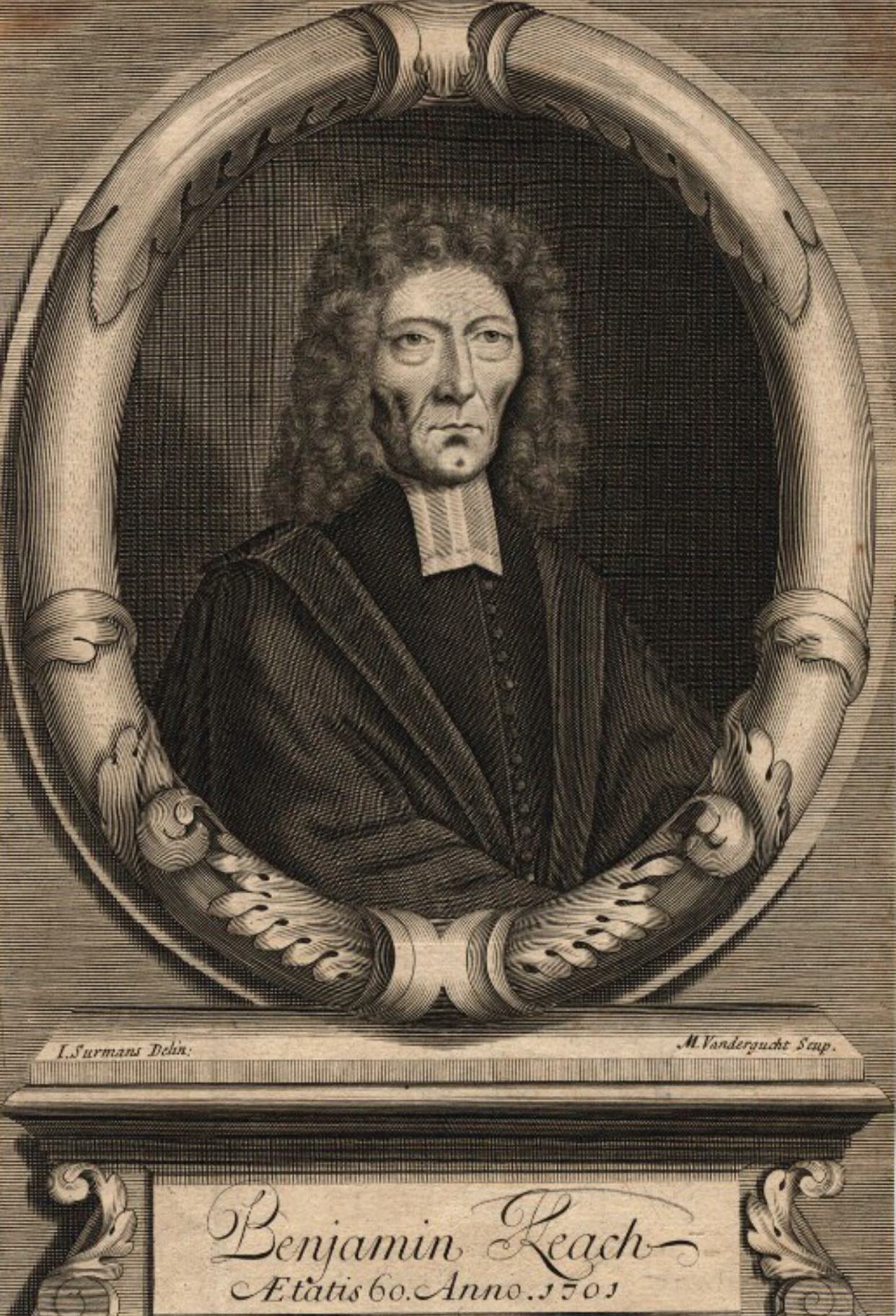
The article "The Holy Ghost a Comforter" by Benjamin Keach meticulously examines the role of the Holy Spirit as the Comforter in the life of believers, emphasizing that this third person of the Trinity brings solace to those in distress. Key arguments include the personal nature of the Holy Spirit, who not only comforts but also intercedes and empathizes with the struggles of Christians. Keach references Scripture such as John 14:16-18 and Romans 8:26-27 to underline the Spirit's active involvement in comforting believers amidst their afflictions. The practical significance lies in its encouragement for Christians to deeply rely on the Holy Spirit throughout their trials, affirming that genuine comfort is found in His presence and work, especially in times of sorrow and temptation.
Key Quotes
“A Comforter implies one or more to be in trouble and distress or attended with sorrow and affliction...”
“The Holy Spirit is a Divine Person... He is placed in the same rank and order... with the other Divine Persons.”
“The Spirit... is able and willing at all times to comfort sincere Christians in their afflictions.”
“If he speak peace, who can cause sorrow?”
What does the Bible say about the Holy Spirit as a Comforter?
The Bible describes the Holy Spirit as the Comforter who teaches, guides, and provides relief in times of trouble (John 14:16, 26).
The Holy Spirit’s comfort is significant because it assures believers of God’s presence and love amid trials. The Scriptures highlight that the struggles of the righteous are many, yet the Holy Spirit comes alongside them in their sorrow—applying the promises of Christ and ministering to their needs. This fulfillment of His promise reflects the deep compassion and understanding the Spirit has for mankind, as He is aware of our weaknesses and suffers alongside us. In all these roles, the Holy Spirit demonstrates His divine nature and responsibility within the Trinity as He provides comfort, guidance, and strength to those who belong to Christ.
How do we know the Holy Spirit is God?
The Holy Spirit is affirmed as God through Scripture, where He is mentioned alongside the Father and the Son (Matthew 28:19, Acts 5:3-4).
In addition to these scriptural affirmations, the personal attributes and actions of the Holy Spirit further confirm His divinity. He possesses a will, understands the deep things of God, and has the authority to inspire and act through believers. His role in the process of salvation, sanctification, and intercession all demonstrate His Godhood and intimate involvement in the lives of God’s people, aligning perfectly with the teachings of sovereign grace theology.
Why is the Holy Spirit important for Christians?
The Holy Spirit is crucial for Christians as He provides comfort, guidance, and strength in their spiritual journey (John 14:17, 2 Corinthians 1:3-4).
Moreover, the Holy Spirit empowers believers for service, equips them with spiritual gifts, and guides them into all truth (John 16:13). He plays a vital role in sanctifying the believer, helping them grow in holiness and obedience to God. The Scripture teaches that the comfort and hope provided by the Spirit are not merely for emotional uplift but serve to embody the grace and truth of the gospel in practical, life-changing ways for Christians. Overall, He is essential for enabling a true, authentic Christian life marked by faith, obedience, and joy.
METAPHORS, ALLEGORIES, SIMILIES,
TYPES, ETC.,
RESPECTING
THE HOLY SPIRIT,
THE
THIRD PERSON OF THE BLESSED TRINITY.
THE HOLY GHOST A COMFORTER
"And I will pray the Father and he shall give you another Comforter, that he may abide with you for ever,"--- Joh 14:16.
"And the Comforter which is the Holy Ghost, whom the Father will send in my name, he shall teach you all things" &c., Joh 14:26.
THE Comforter, Paraklhtov, or the Advocate: "He shall give you another Comforter." The word [Paraclet] in the Greek comes from a word of large signification, and consequently may be rendered Advocate, Exhorter, or Comforter.
METAPHOR
I. A Comforter implies one or more to be in trouble and distress, or attended with sorrow and affliction: a man that is not in any trouble, stands not in need of a Comforter.
PARALLEL
I. The saints and people of God are in this world attended with manifold troubles, afflictions, and sorrows: "Many are the afflictions of the righteous; for all the day long have I been plagued, and chastened every morning," Ps 72:14. "Verily, verily, I say unto you, that ye shall weep and lament, but the world shall rejoice; and ye shall be sorrowful, but your sorrow shall be turned into joy," Joh 16:20.
METAPHOR
II. It implies or holds forth, that those who are troubled, and in a sorrowful condition, are capable of relief and succour.
PARALLEL
II. The disciples of Christ, though they mourn here or are in a sorrowful state, upon many considerations, yet they are capable of comfort, and fit subjects of it; they are not such as utterly refuse, or are unable to receive relief and comfort. Such as have committed the unpardonable sin, or are already in hell, are incapable of receiving true peace and comfort; but so it is not with God's people. Whatever their state and condition be, it admits of relief, though through Satan's temptations they are sometimes backward to take hold of it.
METAPHOR
III. Comforter is a name or appellation belonging to a person, or a personal appellation.
PARALLEL
III. The Holy Spirit is a Divine Person; he is placed in the same rank and order, without any note of difference or distinction, as to a distinct interest, in the Divine nature, with the other Divine Persons: "Baptizing them in the name of the Father, and of the Son, and of the Holy Ghost." "There are three that bear record in heaven, the Father, the Son, and the Spirit; and these three are one," Mt 28:19; 1Jn 5:7. 2. He hath also the names proper to a Divine Person only, for he is called God: "Why hast thou lied unto the Holy Ghost? thou hast not lied unto man, but unto God," Ac 5:3; 4:3. He hath personal properties assigned him, viz., a will: "He divideth to every man severally as he will; and an understanding: "The Spirit searcheth all things, yea, the deep things of God." 4. He is a voluntary Author of divine properties; he of old cherished the creation, he formed and garnished the heavens; he inspired, acted, and spake in and by the apostles. 5. The same regard is to be had to him in faith, worship, and obedience, as unto the persons of the Father and the Son; for our being baptized in his name, is our solemn engagement to believe in him, yield obedience to him, and worship him, as it puts the same obligation upon us to the Father and Son.
METAPHOR
IV. A choice and true Comforter takes care to come unto a person he loveth, at the greatest time of need, when he is most cast down and discomforted. Thus the Jews came to Mary, to comfort her, when they heard that her brother Lazarus was dead; and Job's friends, when he was in the depth of sorrow, came to comfort him.
PARALLEL
IV. So the Holy Spirit comes unto a gracious person in the time of greatest need, when he is most dejected and discomforted, whether it be under temptation, affliction, or persecution, for Christ's sake. Hence the apostle saith, "When we came into Macedonia, our flesh had no rest, but we were troubled on every side; without were fightings, and within were fears; nevertheless, God that comforted those that are cast down, comforted us," &c., 2Co 7:5,7. "I will not leave you comfortless, I will come unto you," Joh 14:18.
METAPHOR
V. A Comforter imports a person able and willing to comfort and relieve such as are in a sorrowful, mournful, and afflicted condition.
PARALLEL
V. The Holy Spirit is able and willing at all times to comfort sincere Christians in their afflictions. Such is the power, ability, and efficacy of the Spirit upon this account, that it is more capable and able to comfort believers, than the bare bodily presence of The Lord Jesus is able to do: "Nevertheless, I tell you the truth, it is expedient for you that I go away;" pray mind the reason our Saviour gives for it: "If I go not, the Comforter will not come unto you; but if I depart, I will send him," Joh 16:7.
METAPHOR
VI. A faithful Comforter manifesteth much love and tenderness to his oppressed and afflicted friend; particularly, 1. In coming to him. 2. In supplying the want he sustains of those things he is deprived of.
PARALLEL
VI. The Holy Spirit doth manifest much love and tenderness to believers, which appears, 1. In his coming to them that are poor and contemptible in the eyes of the world. 2. By making up the want of Christ's bodily presence. 3. In bearing repulses from them; how often hath the Spirit been slighted, and his motions rejected, instead of being friendly entertained, when in love he comes to them.
METAPHOR
VII. A wise Comforter uses many and weighty arguments to infuse comfort into a distressed and disconsolate soul: it is not enough to come and give a bare visit and look upon a friend, but to take apt and suitable words and motives to do it.
PARALLEL
VII. The Holy Spirit doth not only come and give poor believers a bare visit in their distresses, but also uses fit and suitable ways and means to comfort and support their souls, "He shall bring all things unto your remembrance that I have spoken unto you," Joh 14:26. "He shall take of mine and shall show it unto you, and he shall show you things to come," &c., Joh 16:15. The Spirit usually comforteth believers in and under their sorrows and afflictions.
(1.) By showing them whatsoever Christ hath done and suffered for them.
(2.) By opening and applying the gracious promises of Christ unto them, "He shall bring whatsoever I have said to your remembrance."
(3.) By sealing up Christ's love unto them; "As many as I love, I rebuke and chasten." It is no sign they are hated by Christ, or not in his love and affection, that they are chastised and so often under this and the other exercise of affliction; and this the Spirit labours either by his word, or ministers, and other ways to convince them of.
(4.) By showing from the word that the like afflictions, if not greater, many of God's children have met with before them, or are now under, "Knowing that the same afflictions are accomplished in your brethren that are in the world;" what are thy sorrows, saith the Spirit, to those that holy Job and many of the blessed martyrs met with?
(5.) By showing them the design and gracious end of God in all his dispensations afflictions: he doth it not simply for his own pleasure as an act of sovereignty, "But for our profit, that we might be partakers of his holiness," Heb 12:10. This is the fruit of all, the taking away of your sins, it is for the trial of your graces; saith the Spirit, "When he hath tried me, I shall come forth as gold," Job 23:10. It is to convince the devil and wicked men, that they are sincere and upright ones, and do not follow Christ for loaves. "Doth Job (saith Satan) fear God for nought? But put forth thine hand now, and touch all that he hath, and he will curse thee to thy face," Job 1:9,11. God saith the Spirit, hath brought this and the other troubles upon thee, to clear thy innocency, and to show that Satan is a liar.
(6.) But showing them that all their afflictions are but short lived, that they will soon be over, they will last but a moment.
(7.) That they will add to their advantage here and hereafter. "Our light affliction, which is but for a moment, worketh for us a far more exceeding and eternal weight of glory," 2 Cor. iv 17. It is, saith the Spirit, to show forth the excellent nature of true grace; faith, love, and patience never shone forth in their proper lustre and glory, until they come under exercise. "The trial of your faith is much more precious than gold that perisheth, though it be tried with fire," 1Pe 1:7. And it will hereby be found unto praise, honour, and glory, at the appearing of Jesus Christ.
(8.) The Spirit comforteth believers, by showing them that all their sorrows will in a little time be turned into gladness. "Now ye are sorrowful, but I will see you again, and your hearts shall rejoice, and your joy no man taketh away from you." "Ye shall be sorrowful, but your sorrow shall be turned into joy." "Those that go forth weeping, bearing precious seed, shall doubtless come again rejoicing, bringing their sheaves with them." "God will give unto them (saith the Spirit) that mourn in Zion, beauty for ashes, the oil of joy for mourning, the garments of praise for the spirit of heaviness, that they may be called trees of righteousness, the planting of the Lord, that he may be glorified," Isa 61:2-3.
(9.) The Spirit comforteth by showing believers that all their sorrows will be in this world, the wicked have their sweet things here, and the godly have their bitter things here; but as the wicked shall have nothing but bitter hereafter, so the godly shall have nothing but sweet hereafter. "Son, remember that thou in thy life-time receivedst thy good things, and likewise Lazarus evil things, but now he is comforted, and thou art tormented," Lu 16:25.
(10.) The Spirit comforteth by convincing believers, that God doth not punish them as their sins deserve; "He hath visited thee little or nothing," saith Elihu, so the word will bear it. The least mercy is more than we deserve; he hath not dealt with us after our sins, nor rewarded us according to our iniquities.
METAPHOR
VIII. A Comforter sympathizes with him he comes to visit, to comfort him in his grief and trouble. "Job's friends lifted up their voice, and wept, and they rent every one his mantle, and sprinkled dust upon their heads: so they sat down with him upon the ground seven days, and seven nights," &c., Job 2:12-13.
PARALLEL
VIII. The Holy Spirit sympathizes with every gracious soul in their distresses and troubles (according as God in his word speaks to our capacities,) "In all their afflictions he was afflicted; his soul was grieved for Israel." And in that of the eighth chapter to the Romans, the Spirit particularly is said to sigh and groan after such a sort that cannot be uttered, Ro 8:26. And hence the apostle exhorts the saints not to grieve the Holy
Spirit of God, whereby they are sealed to the day of redemption, Eph 4:30.
METAPHOR
IX. A true Comforter will intercede to others, (to administer sup port and relief) in whose power it is to succour, as well as himself.
PARALLEL
IX. "Likewise the Holy Spirit also helps our infirmities; for we know not what to pray for as we ought: but the Spirit itself maketh intercession for us with groans, which cannot be uttered. And he that searcheth the hearts knoweth what is the mind of the Spirit, because he maketh intercession for the saints, according to the will of God," Ro 8:26-27. Hence the word Advocate or Comforter.
METAPHOR
X. A true Comforter will search into a person's state and condition, to know how it is with him, that thereby he may the better understand how to speak a word of comfort to him.
PARALLEL
X. The Holy Spirit searches the heart and reins of every soul he comes to comfort, to discover the state and condition of a person to him; David cries out, "Search me, O God, and know my heart," Ps 139:23. "I the Lord search the heart," &c., Jer 17:10. "He that searcheth the heart," &c., Ro 8:27. "The Spirit searcheth all things, &c., 1Co 2:10.
METAPHOR.
XI. A Comforter sometimes is slighted, by the person or persons he comes to visit, and administers succour unto, and all his good and sweet advice is not regarded for a time.
PARALLEL
XI. So the Holy Spirit is sometimes slighted and grieved, through the power of temptation, by a believer, and his sweet and heavenly advice is not minded, nor followed as it ought to be, but all comfort is rejected for a time, but afterwards (though sometimes long first,) the soul with joy takes hold of it, Eph 4:30.
METAPHOR
XII. A Comforter many times keeps his friends from utter despondency, and wonderfully revives and consoles his soul, and thereby makes sighing and heaviness to fly away. "The moving of my lips should assuage your grief," Job 16:5.
PARALLEL
XII. The Holy Spirit keeps the heart of a believer from utter despondency, and greatly revives and consoles him; hence the apostle saith, "God hath given us everlasting consolation, and good hope through grace," 2Th 2:16. "We are troubled on every side, but not in distress; we are perplexed, but not in despair," 2Co 4:8. "I have seen his ways, and will heal him also, and restore comforts to him," &c., Isa 57:18.
METAPHOR
XIII. A faithful and true Comforter will not only give his distressed and disconsolate friend a visit, but if he sees there is need of it, will make his abode, even stay with them many days; Job's friends did so.
PARALLEL
XIII. The Holy Spirit knows there is an absolute necessity for him not only to give the saints a visit and immediately be gone, but also to abide with them always, for they cannot be without his glorious presence one moment: it is true sometimes they may be without his eminent comforting presence, which causes the Church to cry,
"The Comforter that should relieve my soul is far from me," La 1:16; yet his supporting presence is ever with them. "I will pray the Father, and he shall send you another Comforter, that he may abide with you for ever, even the Spirit of truth," &c., and he is said to dwell in us, and to make his abode with us. "But if the Spirit of him that raised Jesus from the dead, dwell in you, he that raised up Christ from the dead, shall also quicken your mortal bodies by his Spirit that dwelleth in you."
METAPHOR
XIV. A good and faithful Comforter is highly esteemed and greatly beloved by his friend, especially when the work of him is known, or he is sensible of the profit and much good effected by him.
PARALLEL
XIV. The Holy Spirit is exceedingly prized, and much beloved by every godly man, but more especially when they find by experience the great worth of him, and the great good and profit they receive by his means.
METAPHOR
XV. A faithful Comforter will deal plainly with his friend, and not speak peace and comfort when he knows there is not just and good reason so to do, but will reprove sometimes also if he find cause for it.
PARALLEL
XV. The Holy Spirit deals faithfully with every man, he will not speak peace to any person but to those to whom it doth belong, nor at a time when the soul is fallen into any sin, or under some great temptation to sin, but will at such times rather rebuke and reprove them. The Spirit is first, a Spirit of burning, and then a Spirit of consolation: the humble, sincere, and broken-hearted ones he comforts and revives.
METAPHOR
I. ANOTHER Comforter, though wise and very compassionate, and every way capable to speak words to a disconsolate person, yet finds sometimes the condition of his friend to be such, that all he can say and do will not take place, nor administer present relief to him, but after all, remains very sad and disconsolate.
DISPARITY
I. THE Holy Spirit sometimes finds a gracious person very much disturbed and cast down under heavy pressures of affliction, and that no other can comfort him; yet when he comes to a resolution to relieve, refresh, and comfort him, all his sorrow, temptations, and disquietudes fly away. Let a saint be never so sad, if the Spirit see it is a fit time to speak peace and comfort to him, he doth it effectually. "If he speak peace, who can cause sorrow? "For I have satiated the weary soul, and I have replenished every sorrowful soul," Jer 31:25.
METAPHOR
II. Another Comforter many times misses the case of a poor afflicted person, and thereby cannot accomplish the work; this did Job's Comforters, they mistook his case, whereby they proved miserable Comforters to him.
DISPARITY
II. But the Holy Spirit never doth, nor can mistake any person's condition. Being God, he
knows, and is the Searcher of the heart; all things lie naked and open to his eyes. "The Spirit searcheth all things, yea, the deep things of God!"
METAPHOR
III. Other Comforters are many times wearied out, and leave their friends in the midst of their sorrow.
DISPARITY
III. But the Holy Spirit cannot be wearied nor tired out. "The Creator of the ends of the earth fainteth not, there is no searching of his understanding," Isa 40:28.
METAPHOR
IV. Another Comforter may be absent, nay at a great distance when his poor distressed friend stands in most need of him; besides, he can visit but a few persons at one and the same time, and cannot be at above one place at once.
DISPARITY
IV. But the Holy Ghost is omnipotent. "Whither shall I go from thy Spirit? or whither shall I fly from thy presence?" Ps 139:7. He is always near, and at hand, and needs none to bring him news how it goes with any person. Being the omniscient God, he can visit thousands, and ten thousands at one and the same time; is every where, not circumscribed or limited to place.
METAPHOR
V. Other Comforters can speak to the ear, but scarce able to reach the heart; Spira had many words of comfort spoken to his ear, but they could not speak to his heart.
DISPARITY
V. The Spirit can speak to the heart of a poor sinner. "I will (saith God) allure her, and bring her into the wilderness, and speak comfortable words unto her." In the Hebrew, nab-to rrm, loquar super cor, or ad cor ejus, "I will speak to her heart," Ho 2:14. In this the Holy Spirit infinitely excels all other Comforters, he can in a moment cause all sorrow to cease, by speaking to the heart.
INFERENCES
I. WE may infer from hence, the great love of Christ to his own people, he will not leave them comfortless, nor send one to them that is not able to speak peace, or administer true comfort and consolation to their souls.
II. It should teach us in our trouble, to cry for the Holy Comforter to come unto us.
III. It reproves such, who deny the Holy Ghost to be God, and a divine Person; this being an appellation that properly belongs to a distinct person.
IV. Let us take heed we never grieve the Holy Spirit, who is such a choice and blessed Friend to us.
V. It may also caution every soul against receiving comfort, when God by the Spirit speaks it not to them.
1. The Holy Spirit speaks not comfort to any unconverted souls, who love and live in their sins, but rather terror.
2. The Holy Spirit speaks not comfort to carnal and loose professors, and hypocrites in the Church, "That have lamps and no oil," Mt 25:3: the name of Christ upon them, but not his nature in them; much knowledge, but want charity: "Fearfulness will (saith the Spirit) surprise the hypocrite," Isa 33:14.
3. The Spirit speaks no comfort to an apostate and backslider in heart and life; he tells them, "They shall be filled with their own ways, and led aside with the workers of iniquity," Ps 125:5.
4. The Spirit speaks no comfort to the moral person, who wholly rests upon his own righteousness, and sees no need of a Saviour, nor of "The righteousness of God, which is by faith in Jesus Christ."
5. The Spirit speaks no comfort to persecutors and murderers of the godly, to cursed plotters and haters of the true religion, and lovers of idolatry, such that worship the Beast, and are followers of the Romish church, or upholders of the same; They (the Spirit saith) shall drink of the wrath of God, and be tormented with fire and brimstone for ever and ever," Re 14:9-11.
But the Spirit speaks comfort to all true penitent ones; to such, who though they have been great sinners, yet now loathe themselves in a true and thorough sense thereof, and forsake it.
1. To those who do believe and wholly rely upon Jesus Christ for life and salvation.
2. To those who desire to be holy as well as happy, to have their sins mortified as well as pardoned, to be sanctified as well as saved, to live to God here as well as to live with God hereafter.
3. To such who are universal in their obedience, that take up their cross and follow the Lamb whithersoever he goeth.
4. To such that obey the precepts of God, as well as believe the promises.
5. In a word, to all sincere and upright ones.
Quest. How doth the Spirit speak comfort to the souls of men?
Ans. 1. Usually by bringing Christ's word and promises to their remembrance.
2. By using many arguments, some of which I have hinted at already.
3. By his shining influences, sweet and comfortable operations upon the soul.
4. By sealing up Christ's love, and giving good hope and assurances of eternal life unto them.

Comments
Your comment has been submitted and is awaiting moderation. Once approved, it will appear on this page.
Be the first to comment!