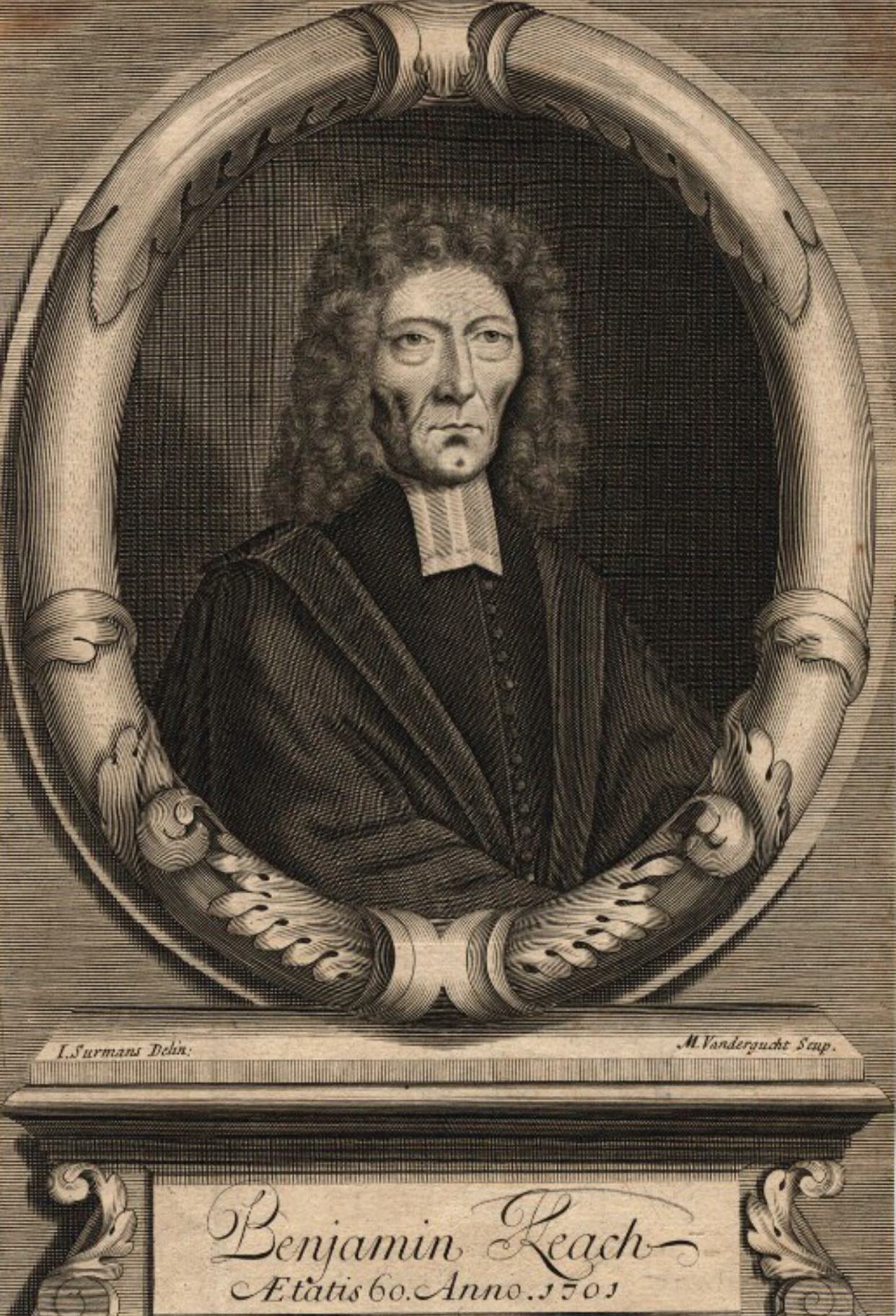
The article "The Holy Angels Compared to the Wind, and to Flaming Fire" by Benjamin Keach examines the nature and role of angels as depicted in Scripture, specifically emphasizing their comparison to natural elements like wind and fire. Keach argues against modern Jewish interpretations that limit the Psalmist’s meaning in Psalm 104:4 solely to winds, asserting that both ancient translations and the apostolic interpretation in Hebrews 1:7 affirm that the Psalm refers to angels as God’s messengers. He explores the invisibility of angels, their obedience to God’s commands, and their power in executing divine will, drawing parallels to wind and fire to illustrate these features. The significance of this study lies in its encouragement for believers, highlighting God’s protection through angels and urging them to emulate the zeal and agility of the angels in their service to God.
Key Quotes
“The consent of the ancient Jews lies against the sentiments of the modern both the old translations either made or embraced by them expressly refer the words unto Angels.”
“Angels go at God's command; he hath them at his beck Ps 103 20.”
“This may comfort the godly who dwell among blood-thirsty enemies; they are surrounded with a Flame of Fire viz the holy Angels of God.”
“We should do the will of God on earth as the Angels of God do it in heaven.”
What does the Bible say about angels?
The Bible describes angels as spirits and ministers of God, often likening them to winds and flames of fire (Psalm 104:4, Hebrews 1:7).
Psalm 104:4, Hebrews 1:7
How do we know angels are real and important in Christianity?
Scripture consistently affirms the existence and role of angels as God's messengers and protectors, underscoring their importance for believers.
Psalm 34:7, Hebrews 1:14
Why are angels compared to fire in the Bible?
Angels are compared to fire to illustrate their purity, zeal, and powerful authority in carrying out God's commands (Hebrews 1:7).
Hebrews 1:7
THE HOLY ANGELS COMPARED TO THE WIND, AND TO FLAMING FIRE
---"Maketh his Angels spirits, and his ministers a Flaming Fire" Ps 104:4.
"And of the Angels he saith, who maketh his Angels spirits, and his ministers a Flame of Fire," Heb 1:7.
SOME of the modern Jews deny there is any mention made of Angels, in Ps 104:4, affirming, that the subject the Psalmist treats of, are the Winds, with thunder and lightning, which God employs as his messengers and ministers, to do his will and pleasure. But that the Psalmist means the Angels, is evident from the design and scope of the words.
The consent of the ancient Jews lies against the sentiments of the modern; both the old translations, either made or embraced by them, expressly refer the words unto Angels; so Dr. Owen, on Heb 1., observes, as do the seventy; and so doth the Targum, thus rendering the place: "Who maketh his messengers or angels swift as spirits, and his ministers strong and powerful as a Flaming Fire." The supply of the note of similitude makes it evident that they understand the text of Angels, and not of Winds; and of making Angels as spirits, and not of making Winds to be Angels or messengers, which is in inconsistent with their words.
The word XXXXXXX doth usually denote the Angels themselves, and no reason can be given why it should not do so in this place. The apostle puts it out of doubt positively, saying, "And of the Angels he saith," &c. That the apostle speaketh not here of the nature aud essence of Angels, but their dignity, honour, and employment, is evident; upon which account, saith our reverend author, he preferreth the Lord Jesus Christ before them.
Observ. "God sendeth his Angels like the Winds, or like a Flame of Fire.
METAPHOR
I. The Wind is invisible, who can see it?
DISPARITY
I. Angels are invisible spirits; we are daily attended upon by them, but see them not.
METAPHOR
II. The Wind blows at God's command; he is said to "Hold the Wind in his fist."
DISPARITY
II. Angels go at God's command, he hath them at his beck, Ps 103:20.
III. The Wind is quick, piercing, and powerful in its operation, the cause of many gracious effects, though sometimes sent as a judgment.
DISPARITY
III. Angels are quick, agile, and powerful in their working; and many great and glorious blessings, saints receive from their ministration, though sometimes sent as a scourge to nations, and particular persons, to execute God's displeasure, as on Sodom, &c.
FLAMING-FIRE.
METAPHOR
I. A flaming Fire is of a burning quality.
PARALLEL
1. Seraphims signify burning, noting that mighty zeal they are attended with, in doing God's will.
METAPHOR
II. A flaming Fire is of a consuming, destroying, and devouring nature.
PARALLEL
II. So have the Angels of God been to many of God's implacable enemies, as hath been hinted.
METAPHOR
III. A flaming Fire is a good defence in a howling wilderness, especially if it be round about such as dwell therein.
DISPARITY
III. The Angels of God are a glorious defence to the Church, whilst in the wilderness of this world, where they are daily surrounded by wicked men, who are compared unto beasts of prey "The Angels of God encamp round about them that fear him," &c., Ps 34:7.
INFERENCES.
I. This may comfort the godly, who dwell among blood-thirsty enemies; they are surrounded with a Flame of Fire, viz., the holy Angels of God.
II. Let ungodly ones tremble; can they stand before a Flaming Fire, and not be consumed? God can soon send his Angels to destroy them.
III. It should also stir up believers to act with much zeal and fervency in the work and service of God. The Angels for zeal and agility are like a Flame of Fire. "We should do the will of God on earth, as the Angels of God do it in heaven.

Comments
Your comment has been submitted and is awaiting moderation. Once approved, it will appear on this page.
Be the first to comment!