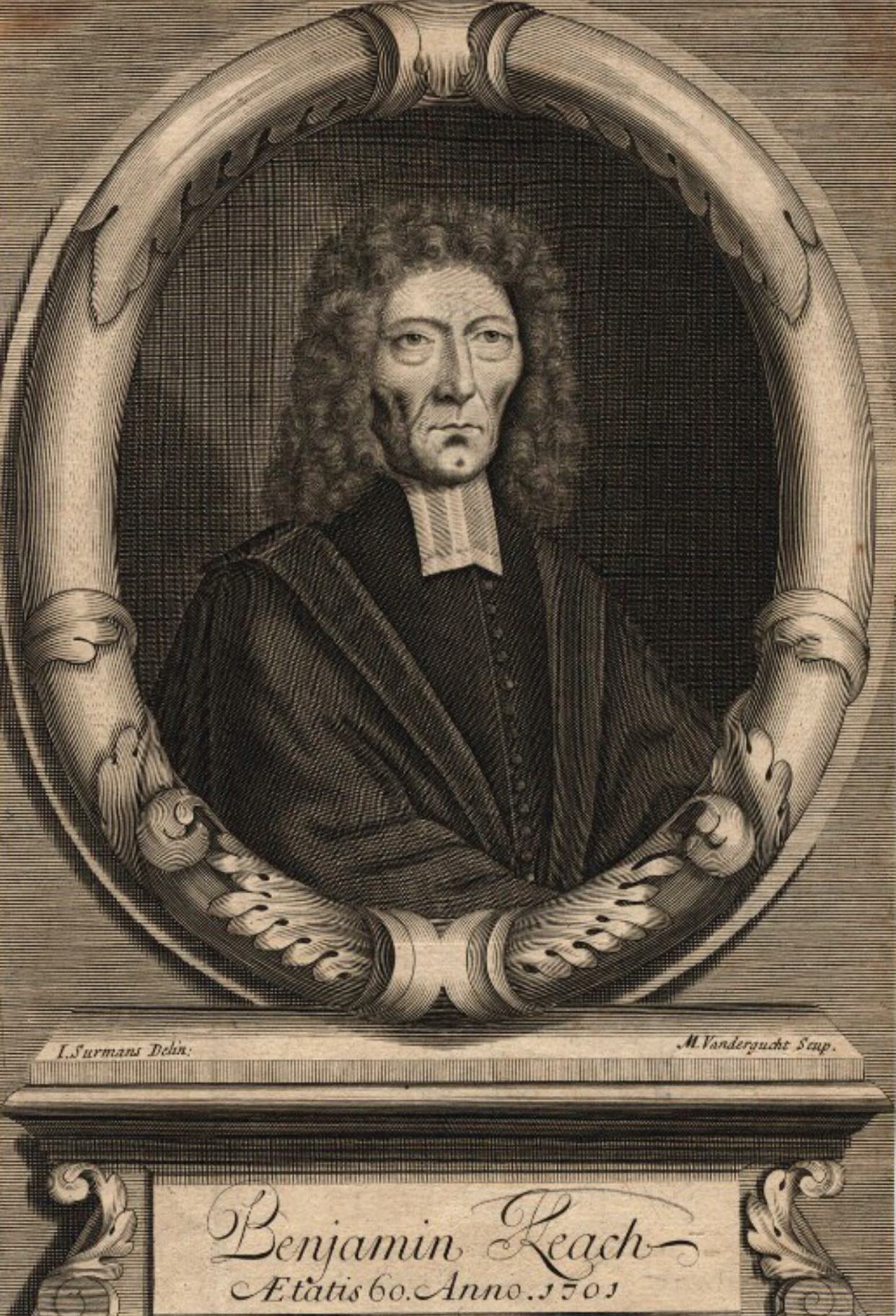
The article "Saints Compared to Heirs" by Benjamin Keach addresses the doctrine of believers in Christ as heirs of God and joint heirs with Christ, emphasizing the theological implications of this status. Keach argues that saints are not merely beneficiaries of salvation; they are elevated to the roles of kings and priests, destined for dominion and participation in Christ's inheritance. He cites Romans 8:17 to affirm that believers are heirs and Revelation 3:21 to illustrate their future reign with Christ. The practical significance of this doctrine is profound, as it reassures believers of their entitlement to eternal life and the abundant blessings that come from God, highlighting the security of their inheritance against any possibility of loss.
Key Quotes
“The Saints are made kings to God are called kings and princes.”
“God giveth himself and all he hath to believers; they have a double portion... in the world to come life everlasting.”
“The Saints cannot by force or fraud be deprived of their title to eternal life.”
“All the Saints are Heirs together... they have all one and the same Father one and the same Christ.”
What does the Bible say about saints as heirs?
The Bible teaches that saints are heirs of God and joint heirs with Christ (Romans 8:17).
Romans 8:17, Revelation 1:6
How do we know the doctrine of eternal inheritance is true?
The truth of eternal inheritance is affirmed through Scripture and the promise of God (Hebrews 6:17-18).
Hebrews 6:17-18
Why is understanding our identity as heirs important for Christians?
Understanding our identity as heirs encourages assurance and shapes our relationship with God (1 Peter 2:9).
1 Peter 2:9
SAINTS COMPARED TO HEIRS
"If children, then Heirs" &c., Ro 8:17.
"He that overcometh shall be Heir of all things," Re 21:7.
Note. The Saints of God are Heirs, Heirs of God, Heirs of all things, &c.
HEIRS.
I. The first-born had a princely power and dominion over their brethren, who bowed down before them, they were next their fathers in honour.
PARALLEL
I. The Saints are made kings to God, are called kings and princes: "A king shall reign in righteousness, and princes shall rule in judgment," Isa 32:1. They shall have dominion over the mighty of the earth, in their day. They are next to Christ in honour, and shall sit upon the throne with him, Re 3:21.
HEIRS
II. The first-born were priests in their father's family, till the Levites came in.
PARALLEL
II. The Saints are priests as well as kings to God: "He hath made us kings and priests," &c., Re 1:6. They are called an holy priesthood, to offer up a holy and acceptable sacrifice unto. God, 1Pe 2:5.
METAPHOR
III. The first-born had the inheritance; the rest had but a piece of money. And to this clay we see, that men used to make their inheritance over to the first-born; and besides the inheritance, they had a double portion of goods.
PARALLEL
III. The Saints have the eternal inheritance made over to them; the world hath but a small allowance, for all they have amounts to no more than vanity. God giveth himself, and all he hath, to believers; they have a double portion, an hundred-fold in this life, and in the world to come life everlasting.
METAPHOR
IV. An Heir sometimes stays a great while, before he come to the full possession of the inheritance; and until then he is under tutors and governors, and differeth but little from a servant.
PARALLEL
IV. The Saints patiently wait a while, being under age, before they come to the full possession of the inheritance purchased for them by Christ; and until they come to full age, they are under tutors and governors, who deal hardly with them, and they seem not to differ from servants.
METAPHOR
V. The first-born had a peculiar sort of apparel, whereby they were distinguished from others; such was Esau's goodly raiment which Rachel put upon Jacob.
PARALLEL
V. The Saints are clothed with a goodly raiment, viz., the righteousness of Christ: holiness is the Saint's livery, whereby they are distinguished from the rest of the world.
HEIR
VI. The first-born had the blessing annexed to them, and unless they were supplanted, as Esau was by Jacob, they were blest of their father, especially when their fathers were at the point of death.
PARALLEL
VI. The Saints are the blessed of the Lord; none can take either birth-right or blessing away from them; they are blessed, and shall be blessed. The Lord Jesus blessed them at his departure, and that blessing shall never depart from them.
HEIRS.
I. Among men, all a man's children are not Heirs, nor can they fully possess the same estate entirely to themselves, as if but one had it.
DISPARITY.
I. But all the Saints are Heirs together, they are all joint-heirs, and yet every one hath all to himself: they have all one and the same Father, one and the same Christ, one and the same Spirit, the same apparel, the same grace; all one faith, hope, &c., all the same promises, same attendance, viz., the holy angels; the same crown, kingdom, and eternal inheritance.
HEIRS.
II. Heirs among men have but a small inheritance. What is all this world? Luther called all the Turkish empire, but a crust God casts to a dog.
DISPARITY
II. But the Saints are Heirs of all things, Heirs of heaven and earth too, Heirs of God. And what is there more? what can a man ask, or desire to have? would he have more than all?
METAPHOR
III. An Heir among men is often deprived, by force or craft of his title, and turned out of all.
PARALLEL
III. But the Saints cannot by force or fraud be deprived of their title to eternal life. That it may be sure and firm to them, it is made over to them by the oath of God. See Light.

Comments
Your comment has been submitted and is awaiting moderation. Once approved, it will appear on this page.
Be the first to comment!