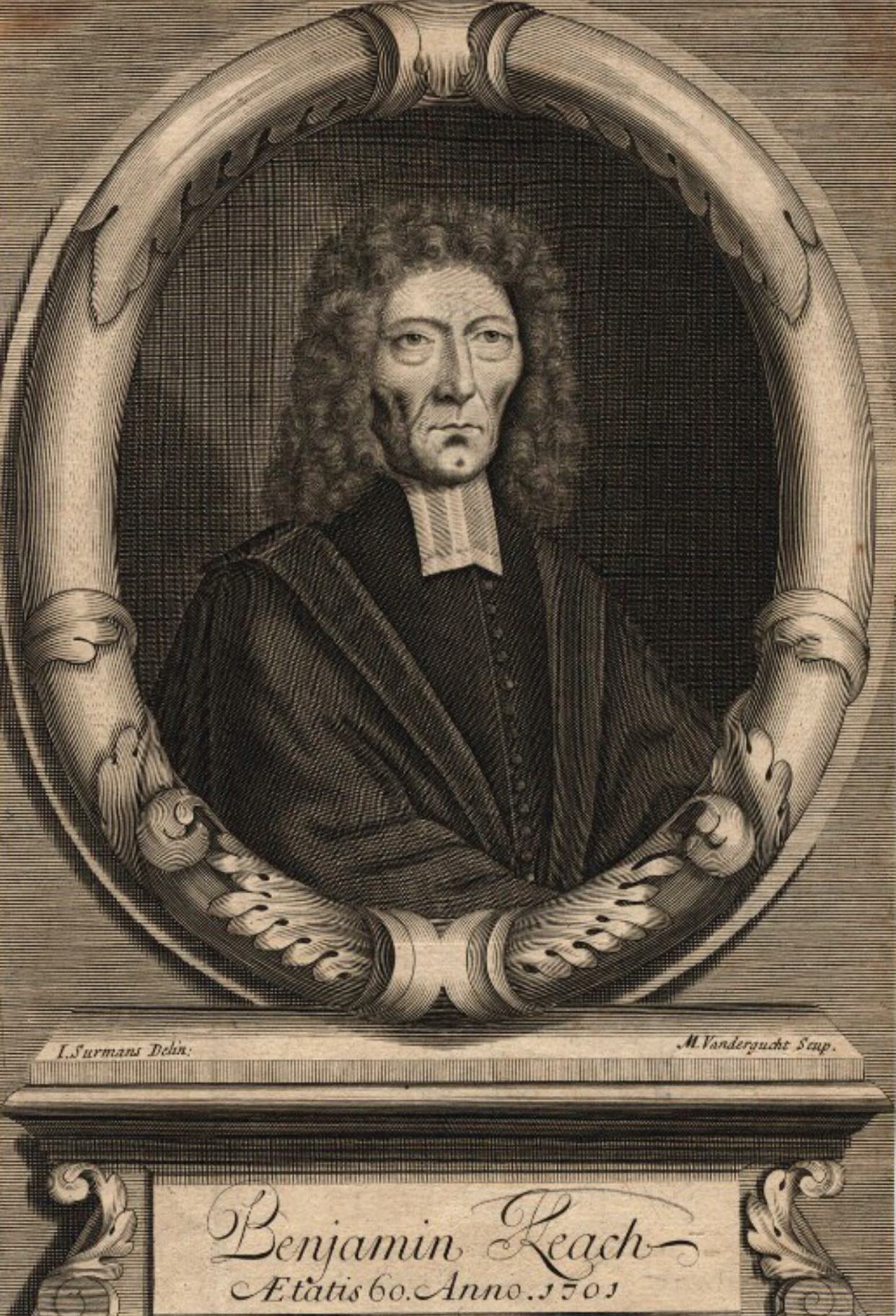
The main theological topic addressed in Benjamin Keach's article, "Dear Children," is the relationship between believers and God, portrayed through the metaphor of children. Keach argues that true children of God exhibit humility, obedience, love, and a desire for holiness, reflecting the nature and character of their heavenly Father. He examines numerous Scripture references, such as Genesis 18:27, 1 Corinthians 3:5, and Romans 8:17, to support his points about the characteristics of God's children. The practical significance of these reflections emphasizes that believers should strive to embody these attributes, thus deepening their relationship with God and the Church, while affirming their identity as heirs in God's family.
Key Quotes
“A dear Child of God is very flexible and yielding to the teachings of God.”
“So a dear Child of God is in all things obedient to God's commands.”
“Be ye followers of God as dear Children.”
“Behold what manner of love the Father hath bestowed upon us that we should be called the sons of God.”
What does the Bible say about being a child of God?
The Bible describes a child of God as humble, obedient, and loving toward their heavenly Father.
Beyond humility, a child of God expresses deep love for their Heavenly Father and the Church. This love manifests in obedience to God’s commands and a sincere desire to please Him, just as David articulated in Psalm 119:6 about respecting all commandments. This dual love for God and His Church also emphasizes the importance of community and unity among believers, marking them as true children of God according to Matthew 5:9 and Ephesians 4:3.
Genesis 18:27, 1 Corinthians 3:5, Ephesians 3:8, Psalm 119:6, Matthew 5:9, Ephesians 4:3
How do we know that God loves us as His children?
God's love is evident in how He graciously calls us His children and offers us an inheritance.
Moreover, this relationship comes with the promise of inheritance; as heirs of God and joint heirs with Christ (Romans 8:17), believers have the assurance that they belong to God’s family. This inheritance is not just physical or transient but spiritual and eternal, affirming our identity and security in Him. Such truths encourage believers to live in the light of their status as children of God, motivating them to strive for holiness and a life that pleases their Father.
1 John 3:1-2, Romans 8:17
Why is obedience to God important for Christians?
Obedience to God is essential for Christians as it reflects their love and reverence for Him.
Additionally, the examples seen in the lives of biblical figures like Zacharias and Elizabeth showcase a life marked by obedience to God’s ways (as seen in Luke 1:6). David, too, expressed his commitment to obedience, stating in Psalm 119:6 that he would not be ashamed as he respects all of God’s commandments. Obedience leads to personal sanctification and maintains our alignment with God’s will, ensuring believers live lives that reflect the character of Christ and foster community within the Church.
1 John 5:3, Luke 1:6, Psalm 119:6
What does it mean to strive for peace as a child of God?
Striving for peace as a child of God involves promoting unity and harmony within the Church.
David expressed the beauty of unity in Psalm 133:1, where he notes how good and pleasant it is for brethren to dwell together in unity. Moreover, maintaining peace requires effort and humility, as Paul admonishes in Ephesians 4:3 to strive for the unity of the Spirit in the bond of peace. A true child of God not only seeks their own peace but also contributes to fostering an environment where love, respect, and harmony are paramount, extending God's grace throughout the community of believers.
Matthew 5:9, Psalm 133:1, Ephesians 4:3
METAPHOR
I. A dear Child, one that the father esteems so, is teachable, ready to learn what he is taught; he will give his mind to it, is very flexible.
PARALLEL
I. So a dear Child of God is very flexible and yielding to the teachings of God. If God hath any thing for Abraham to do, he cries, "here Am 1." They are like holy Job, "what I know not, teach thou me."
METAPHOR
II. A dear Child is humble and meek, not proud, stubborn, or self-conceited.
PARALLEL
II. So a dear Child of God is little in his own eyes. How humbly did Abraham express himself to God! "I who am but dust and ashes," &c. Ge 18:27, and Job, "I abhor myself." David cries out, "I am a worm, and no man," Ps 22:6. And the holy apostles esteemed themselves as nothing: "Who then is Paul, and who is Apollos?" "Unto me who am the least of all saints," &c. "I am nothing," &c. 1Co 3:5; Eph 3:8.
METAPHOR
III. A dear Child greatly loves his father. Many instances may be given of this, both from scripture and history.
PARALLEL
III. So a dear Child of God dearly loves his heavenly Father, he loves him with all his soul, with all his heart, with all his strength, loves him sincerely.
METAPHOR
IV. A dear Child doth not only love his father, but also his mother. And is grieved when she is in distress.
PARALLEL
IV. So a dear Child of God doth not only love God, who is his Father, but also dearly loves the Church, who is his mother. Thus did David, that precious Child and servant of God: "If I forget thee, Jerusalem, let my right hand forget her cunning; if I do not remember thee, let my tongue cleave to the roof of my mouth; if I prefer not Jerusalem above my chief joy," Ps 137:5-6. How greatly was the prophet Jeremiah troubled for poor Zion, when he cried out, "My bowels, my bowels!" Jer 4:19. The Church lay in his heart, he laments like a poor Child, for the misery of his mother that bare him.
METAPHOR
V. A dear Child is very obedient to his parents, will do whatsoever is right, which either father or mother doth require.
PARALLEL
V. So a dear Child of God is in all things obedient to God's commands, as is recorded concerning Zacharias and Elizabeth, and many others, They endeavour to behave themselves as obedient Children in all respects, will not baulk one of God's holy precepts: "Then shall I not be ashamed," saith David, "when I have respect to all thy commandments," Ps 119:6. And as they are obedient to God their Father, so likewise to the Church their mother. As it is a horrid evil to rebel against God, so such will be left inexcuseable who slight the Church. Whatever she requires that is agreeable to God's word, must be carefully obeyed, and such as err herein, as disorderly persons, ought to be proceeded against. See Mother.
METAPHOR
VI. A dear Child in all things strives to please his father, seeking his approbation, whether at home or abroad, present or absent.
PARALLEL
VI. So a dear Child of God strives in all things like our Saviour, to please his heavenly Father; "Wherefore we labour, that whether present or absent, we may be accepted of him," 2Co 5:9. Walking in all well-pleasing," &c., Col 1:10.
METAPHOR
VII. A dear Child loves peace, and cannot endure quarrelling and discord in his father's house.
PARALLEL
VII. A dear Child of God greatly delights in and loves peace and union amongst his brethren; and he hates discord and quarrelling in the Church. "Blessed are the peace-makers, for they shall be called the children of God," Mt 5:9. "Behold," saith David, "how good and pleasant it is for brethren to dwell together in unity," Ps 133:1. "Endeavouring to keep the unity of the Spirit, in the bond of peace," Eph 4:3.
METAPHOR
VIII. A dear Child is very tender of his father's honour, and is much troubled to hear any speak against him, or any way reproach him.
PARALLEL
VIII. So a dear Child of God is sorely troubled, to hear the sacred name of God reproached and blasphemed, and his holy laws despised, "Rivers of water run down mine eyes, because men keep not thy law," Ps 119:136. How much were Moses and Joshua concerned for the honour of God's holy name! Jos 7:9.
METAPHOR
IX. A dear Child is greatly grieved, when his father is offended with him, and will endeavour to obtain his favour again.
PARALLEL
IX. So a dear Child of God is grieved, when he hath displeased his heavenly Father: "Thou hidest thy face, and I was troubled," Ps 104:29. How did David mourn for his sin, and strive to obtain the love and favour of God again: "Against thee, thee only have I sinned, and done this evil in thy sight," &c., Ps 51:4.
METAPHOR
X. A dear Child will not be at undue times out of his father's house, but take up his place there, especially when he knows his father and mother call for him, and require his presence.
PARALLEL
X. So a precious Saint of God will not be absent from the Church, or heavenly family, at any time when his presence is expected there, if it be possible, especially when God calls his people to prayer and humiliation, or when sacred ordinances are administered, or any work is to be done, which eminently tends to the glory of God, and the Church's good.
METAPHOR
XI. A dear Child desireth rather to dwell in his father's house than in any other place whatsoever.
PARALLEL
XI. So a dear Child of God had "rather be a door-keeper in the house of God, than to dwell in the tents of wickedness." "One thing have I desired of the Lord, and that will I seek after, that I may dwell in the house of the Lord all the days of my life," &c., Ps 27:4.
METAPHOR
XII. A dear Child will strive to imitate his father, and walk in his steps, in all things that are just and right. Thus Solomon was exhorted to follow the good example of his father David.
PARALLEL
XII. So a dear Saint takes care to follow God; "Be ye followers of God as dear Children," Eph 5:1. "Be ye holy, for I am holy." That is the precept, and a sincere soul labours so to be; it is his great desire to be like God and Christ as near as he can. "Be ye followers of me, as I am of Christ Jesus."
1. A saint strives to follow God and Christ in love: we are taught of God to love one another;
2. In humility. What a pattern hath God in Christ laid before us herein! "Learn of me, saith our Saviour, for I am meek and lowly in heart," &c., Mt 11:28. "Let the same mind be in you, which was also in Christ Jesus, Php 2:5-6.
3. In being merciful and kind to all. "Be ye merciful, as your Father that is in heaven is merciful, Mt 5:45,48.
4. In hating and abominating that which is evil. God loathes sin, and so doth every sincere Christian.
5. In forgiveness; they strive to be like God in this. He is ready to pardon, forgive, and forget injuries done to him, and so ought his children. "And be ye kind one to another, and tender-hearted, forgiving one another, as God for Christ's sake hath forgiven you," Eph 4:32. God forgiveth freely, universally, and for ever; so must they.
INFEBENCES.
I. Labour to follow God, as dear Children. 1. Sincerely, not in hypocrisy, not for loaves. 2. Speedily; do not defer it: I made haste, saith David, &c. 3. In whatsoever he commands you, 4. Diligently. 5.. Follow him through all difficulties and hardships,, as Caleb did, &c., and as Ruth followed Naomi. 6. Follow him humbly. 7. Follow him joyfully. 8. Follow him, when others leave him. 9. Follow him constantly, even to the end. 10. And lastly, follow none but him; forsake all those that would lead you astray. Christ's sheep will not follow strangers; they will follow God, and not Baal.
II. From hence every one may perceive, whether they are God's Children, yea or no.
III. This shows also what great dignity God hath conferred upon believers. "Behold, what manner of love the Father hath bestowed upon us, that we should be called the sons of God." 1Jo 3:1-2. If David thought it no small thing to be son-in-law to an earthly king, what an honour hath God conferred on us!
IV. Saints may from hence read their privileges. "If Children, then heirs, heirs of God, and joint heirs with Christ," Ro 8:17.

Comments
Your comment has been submitted and is awaiting moderation. Once approved, it will appear on this page.
Be the first to comment!