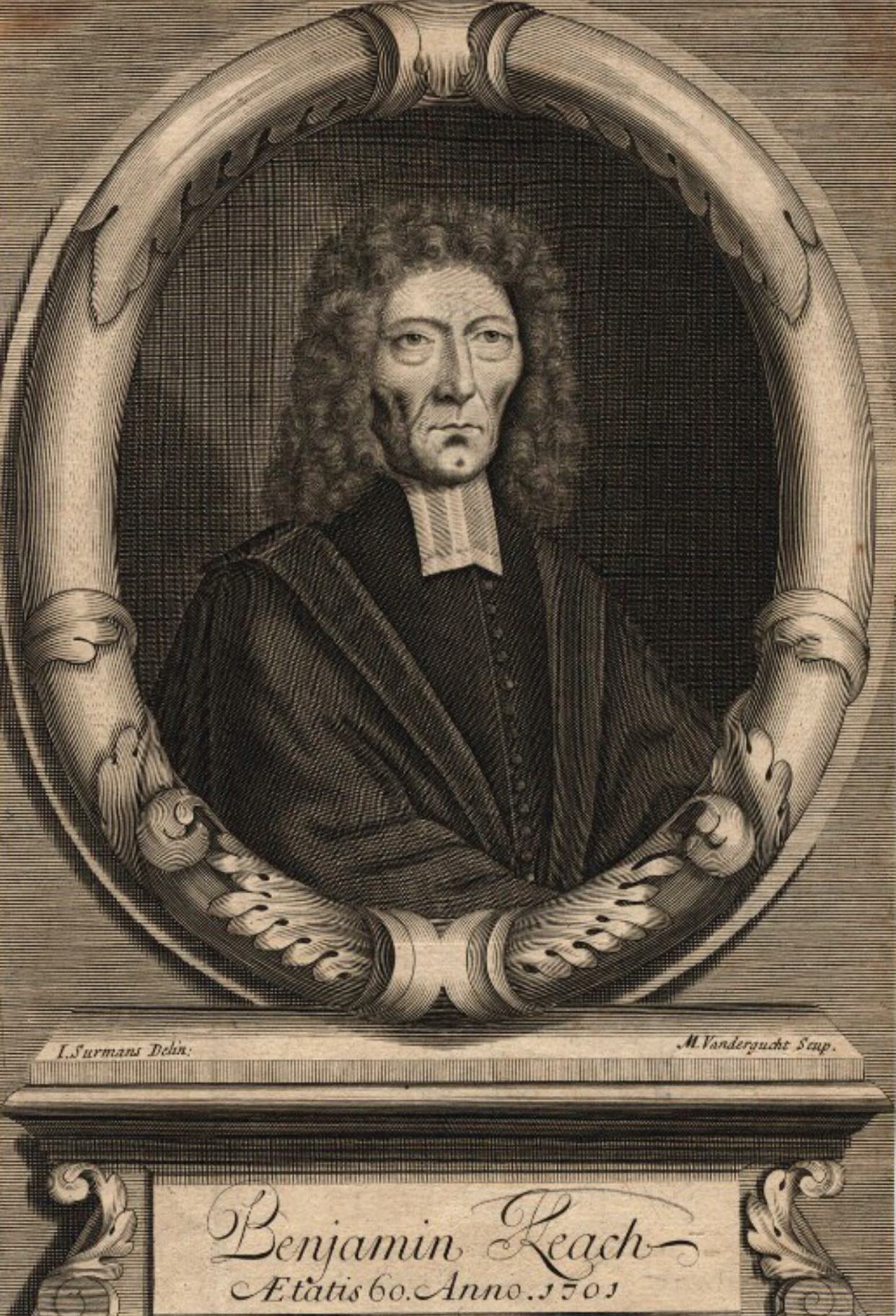
In Benjamin Keach's article "Saints Compared to Wheat," the primary theological topic is the metaphorical comparison of saints to wheat, highlighting their value, resilience, and ultimate redemption. Keach argues that just as wheat is precious, profitable, weather-resistant, and ultimately transformed at harvest, so too are the saints of God, called a "little flock" who thrive despite persecution and trials. The article references Matthew 13:30, 13:41-42, 1 Corinthians 15:37, and Luke 12:32 to illustrate that faithful believers endure hardships with humility, are nurtured by divine grace, and will one day be gathered into God's eternal kingdom. The significance of this metaphor serves to encourage believers in their spiritual journey and to affirm the distinctiveness of the righteous in a world filled with "tares," thus stressing the importance of perseverance and faithfulness amidst trials.
Key Quotes
“The Saints of God are a choice people the best of men.”
“Sincere souls will endure the sharpest trials.”
“The people of God are not so soon as they spring up in grace ripe for God's garner but they need some time before they be fit for cutting down by death.”
“The honest-hearted professor brings forth fruit with patience.”
What does the Bible say about Christians being compared to wheat?
The Bible compares Christians to wheat to illustrate their value and resilience in trials.
Matthew 13:30, Luke 12:32, John 12:24
How do we know the doctrine of perseverance is true?
The perseverance of saints is evidenced by their enduring faith amidst trials and afflictions.
Luke 12:32, Matthew 13:30, John 12:24
Why is humility important for Christians?
Humility is essential for Christians as it reflects true reliance on God and recognition of one’s own need for grace.
Job 42:6, Ephesians 3:8, Luke 18:11
What is the significance of Christians enduring trials?
Enduring trials refines Christians, revealing their true nature and preparing them for glory.
Matthew 13:30, Psalms 97:11, 1 Corinthians 15:37-44
SAINTS COMPARED TO WHEAT
"Let both grow together till harvest," &c., Mt 13:30
"But gather the Wheat into my barn" Mt 13:30.
THE Saints of God are in this parable compared to Wheat, or good seed, but the wicked to tares, and the end of the world to the harvest. Why believers are compared to Wheat will appear by what follows.
METAPHOR
I. WHEAT is a precious sort of grain, the best of grain.
PARALLEL
I. The Saints of God are a choice people, the best of men. "The righteous are more excellent than their neighbours," Pr 12:26.
METAPHOR
II. Wheat is a very profitable sort of grain, it tends to the enriching the husbandman; he accounts it his treasure.
PARALLEL
II. The Saints are a people profitable to the world many ways. (See Salt.) Nay, and God accounts them his peculiar treasure, Mt 3:17.
METAPHOR
III. Wheat will abide and live in the sharpest winter, which some other seed will not.
PARALLEL
III. So sincere souls will endure the sharpest trials. They will live in the winter time of the Church, when others fall off, wither, die away, and come to nothing.
METAPHOR
IV. Wheat is a small seed, and when it is first sown, it lies hid; in winter it seems as if it were quite dead; but when the spring comes, it sweetly revives again, and flourisheth exceedingly.
PARALLEL
IV. The godly are, in comparison of the world, a small people, called a little flock, Lu 12:32. And they lie hid as it were, scarcely seeming to be a people, whilst the winter of persecution and trouble, under the four monarchs of the world, predominate: but when the winter is past, and the spring time of the Church shall come, they shall revive and cover the earth, as Wheat doth the land where it is sown, Song 2:11. "Light is sown for the righteous, and joy for the upright in heart," Ps 97:11. The growth of saints in times of temptation doth not always so visibly appear. They are like corn sown, that lies under the clods; but when they have taken sweet root, they soon appear to revive, and sprout forth like Wheat, by means of the dew of grace, and sweet rays of the Sun of Righteousness. "They shall revive as the corn, and grow as the vine, and the scent thereof shall be as the wine of Lebanon," Ho 14:7.
METAPHOR
V. An ear of Wheat that is full of corn always hangs down its head, when that which is light and empty stands upright.
PARALLEL
V. So the Saints of God, or all sincere souls, that have much grace, are humble ones, they hang down their heads as it were, are clothed with humility, when hypocrites, or empty professors, are puffed up. Abraham calls himself but "Dust and ashes;" David, "A worm and no man;" Job "Abhors himself," as a nothing creature, Job 42:6. Paul saith, "he was the least of all Saints," Eph 3:8. When the empty hypocrite cries out, "Lord, I thank thee, I am not as other men," Lu 18:11.
METAPHOR
VI. Wheat needs weeding. Weeds many times come up with it, and hinder its growth.
PARALLEL
VI. So the Saints and people of God need weeding. Weeds of corruption often spring up, and trouble them, which did not God, the good Husbandman, root out and destroy, would quite spoil his choicest Wheat, Heb 12:15.
METAPHOR
VII. Wheat hath, it is observed, sometimes tares amongst it, which the husbandman sees good to let alone till the harvest, lest in plucking them out some of the Wheat be pulled up with them.
PARALLEL
VII. The field is the world, where the Saints of God, who are compared to Wheat, grow, (i. e.) live, and much tares grow up or live among them in every nation, city, and town, Mt 13:38. And it is the pleasure of God, that they should be let alone, or suffered to grow together in the world, that common field, though not in the church. And therefore were the people of God such as the wicked persecutor calls them, viz., tares, heretics, the off-scouring of the world; yet it is directly contrary to the mind of God, that they should be rooted up, and turned out of the earth. "Let both grow together," (saith the husbandman,) "till harvest."
METAPHOR
VIII. Wheat hath a considerable time to ripen, it must have the former and latter rain; but when it is ripe, it is severed from the tares, and gathered into the barn.
PARALLEL
VIII. So the people of God are not so soon as they spring up in grace, ripe for God's garner, but they need some time before they be fit for cutting down by death. The former and latter rain of the Spirit must fall upon them; they ripen gradually. And when the harvest comes, to wit, the end of the world, then the Saints shall be severed from the wicked, the good come from the bad, the holy from the vile, like as Wheat is severed from the tares. And those that appear pure grain, shall be gathered into God's garner, (i. e.) his blessed kingdom; and the wicked, like tares, shall be bound in bundles, and cast into hell, to be burned in unquenchable fire, Mt 13:41-42.
METAPHOR
IX. Wheat, when it is sown, dies, and rises again; it rises Wheat, and the same Wheat, though it rises more glorious than it seemed to be when sown.
PARALLEL
IX. So the Saints of God die; like good seed are sown in the earth, and shall rise again, the same body shall rise again; as every seed hath his own body, so shall every Saint in the day of the resurrection have his own body, though his body shall rise more glorious than it was before. The Apostle saith, "That which thou sowest, thou sowest not that body that shall be, because it is sown a natural body, it is raised a spiritual; it is sown in corruption, but is raised in incorruption; it is sown in dishonour, and raised in glory; it is sown in weakness, it is raised in power," 1Co 15:37,42-44.
METAPHOR
X. Wheat is threshed by the husbandman, to sever the corn from the straw and chaff.
PARALLEL
X. So God, to sever the chaff of corrupt and drossy professors, from the pure grain, viz., sincere Saints, leaves the wicked as it were to thresh his people; God's people are often under the flail of persecution.
INFERENCES.
I. This may serve to reprove the bloody persecutors of God's people, who would fain pluck up the Saints as tares; but let them take heed. If God would not have many tares plucked up, lest some of the Wheat be plucked up with them, what will become of them, who instead of plucking the wicked tares, that perhaps deserves the greatest severity, as being guilty of innocent blood, connive at such, and let them alone, having much favour for them, and set themselves wholly against God's faithful and innocent people? What unwearied endeavours have been used, to destroy and root out the godly!
II. It may be a caution to all to take heed how they persecute men for conscience sake; for who can infallibly know such as fear not God, nor belong to him, from such as are his people, and do in truth fear him? They had better let many tares, many heretics alone, than through ignorance destroy one godly and sincere person.
III. It may also be for trial. Are you Wheat or tares? Do you bring glory to God, and profit to your neighbours? Do you faithfully, like holy Job, adhere to the Lord, and cleave to him, although he should please to lay you under slaying dispensations? Do you endure patiently under the cross, abide the trial of cold winterly blasts of persecution? Wheat, you hear, will endure sharp frosts. The honest-hearted professor brings forth fruit with patience, Mt 13.
IV. Lastly: It affords comfort to the godly; for though they appear as dead and withered, or are under many seeming decays, yet they shall revive again, like corn. And although they, like seed or grain, be laid in the earth, and turn to corruption; yet they shall have a blessed resurrection at the last day, and be raised in power and glory, and in incorruption. Death doth the body of a godly man no injury. "Except a seed of corn fall to the ground, it abideth alone; but if it die, it bringeth forth much fruit," Joh 12:24.

Comments
Your comment has been submitted and is awaiting moderation. Once approved, it will appear on this page.
Be the first to comment!