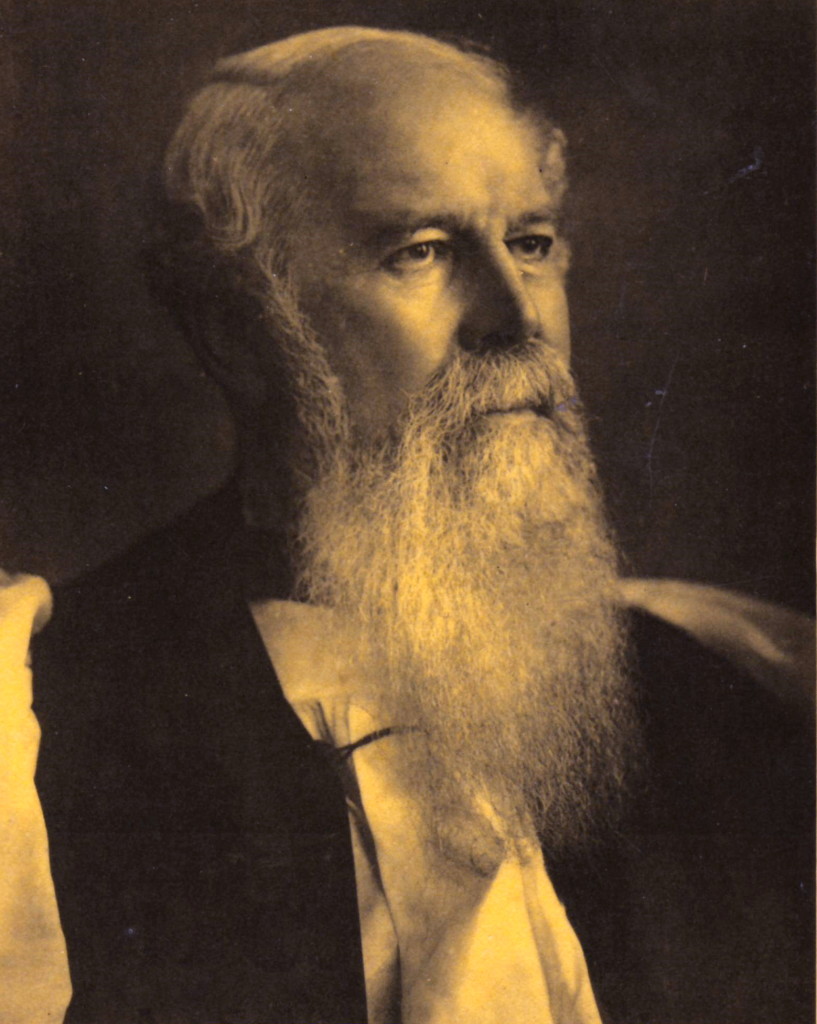
In J.C. Ryle's sermon "The Great Separation," the central theological topic is the impending division between believers ("wheat") and unbelievers ("chaff") as prophesied in Scripture, particularly drawing from Matthew 3:12 and Revelation 22. Ryle argues that humanity is ultimately categorized into only these two groups; the wheat represents those who have true faith in Christ and live according to His teachings, while the chaff denotes those devoid of saving faith and sanctification. Throughout the sermon, Ryle emphasizes the certainty of this separation, stating that although believers and unbelievers coexist now within the church, Christ will decisively separate them at His return, leading to eternal destinies of bliss for the wheat and damnation for the chaff. He views this doctrine as critically significant for personal examination, urging individuals to assess their own standing before God and the eternal implications of their choices in relation to Christ.
Key Quotes
“Whatever else you forget, remember there are only two kinds of people in the world, only two. There are wheat and there are chaff.”
“Before Christ comes, separation is impossible. It is not in man's power to make the separation.”
“There is a barn for every grain of the wheat. All will appear before God and Zion.”
“If you have committed your soul to Christ, then Christ will never allow your soul to perish.”
The Bible teaches that in the final judgment, Christ will separate believers (wheat) from unbelievers (chaff) as depicted in Matthew 3:12.
In Matthew 3:12, John the Baptist speaks of a coming separation where Christ will gather wheat into His barn and burn up the chaff with unquenchable fire. This symbolism illustrates the divine judgement that all of humanity will face, where God will discern the true believers from those who do not have saving faith. Mankind is divided into these two eternal categories, where the wheat represents those redeemed by Christ and the chaff symbolizes the unrepentant and unbelieving, destined for destruction at the end of time.
Matthew 3:12, Revelation 22
The wheat symbolizes true believers who have faith in Christ and are guided by the Holy Spirit, as stated in the sermon.
The sermon delineates wheat as all men and women who believe in Jesus Christ, are led by the Holy Spirit, and have sought refuge in His salvation. They are characterized by a deep love for the Lord and a commitment to living for Him. Such believers recognize sin as their deadliest enemy and look to Christ for forgiveness. This identification as wheat goes beyond mere external religious behavior; it signifies a genuine transformation of the heart that makes a person a child of God. In God’s eyes, believers are precious and valuable, regarded with delight by the Father, the Son, and the Holy Spirit.
Matthew 3:12
The coming separation underscores the reality of final judgment and gives assurance to believers of their eternal security in Christ.
The concept of a coming separation is crucial for Christians as it serves as a solemn reminder that there will be a day of reckoning. The sermon emphasizes that currently, the visible church contains both believers and non-believers. However, a time is coming when Christ will return to sift the church, separating the wheat from the chaff. This truth compels believers to reflect on their standing with Christ and encourages them to remain faithful, knowing that they will be gathered safely into God’s eternal presence. Furthermore, this doctrine provides comfort that nothing will be lost from Christ's redemptive work—every believer will be preserved and welcomed into His barn.
Matthew 3:12, Revelation 22
The Bible teaches that the chaff will be burned up with unquenchable fire, representing eternal punishment.
According to Matthew 3:12, the chaff, which symbolizes those without faith in Christ, will face a dire fate. The sermon describes that these individuals—those who are unrepentant and persist in their sin—will experience an eternal punishment characterized as being burned with unquenchable fire. This imagery illustrates the severity of divine judgment and the consequences of rejecting Christ. The reality of hell serves as a sobering reminder of the depth of God’s holiness and the seriousness of sin, emphasizing that apart from faith in Christ, individuals remain exposed to eternal wrath. Thus, there is a stark contrast between the eternal safety of the wheat and the destruction of the chaff.
Matthew 3:12
You can examine your heart and life to see if you have saving faith in Christ and evidence of spiritual transformation.
The sermon urges listeners to self-examine honestly and reflect on their spiritual state. Questions posed include whether one has been born again, repented of sins, and actively loves and serves Christ. The distinction between wheat and chaff is not merely about church attendance or external religious practices but is grounded in having a relationship with Jesus, marked by transformation and the work of the Holy Spirit. The lack of saving faith and sanctification is what identifies a person as chaff. Therefore, discerning where one stands before God ultimately comes down to examining one's trust in Christ and the fruit that is borne in one’s life as evidence of true faith.
Matthew 3:12
Assuming a middle class of Christians is a delusion that undermines the truth of Scripture about salvation and judgment.
The sermon denounces the notion of a middle class of Christians as a soul-ruining lie and emphasizes that the Bible specifically categorizes individuals as either wheat or chaff. This false idea suggests that there exists a comfortable and safe space for those who engage in minimal religious practice without full commitment to Christ. However, Scripture makes it clear that such a middle ground is illusory. By straddling the line between faith and carnality, one may jeopardize their eternal destinies. The sermon warns that neutrality is impossible, urging individuals not to be deceived into thinking that a casual relationship with Jesus suffices for salvation. In the end, believers must recognize the urgency of choosing to fully embrace their identity as part of Christ’s wheat.
Matthew 3:12

Comments
Your comment has been submitted and is awaiting moderation. Once approved, it will appear on this page.
Be the first to comment!