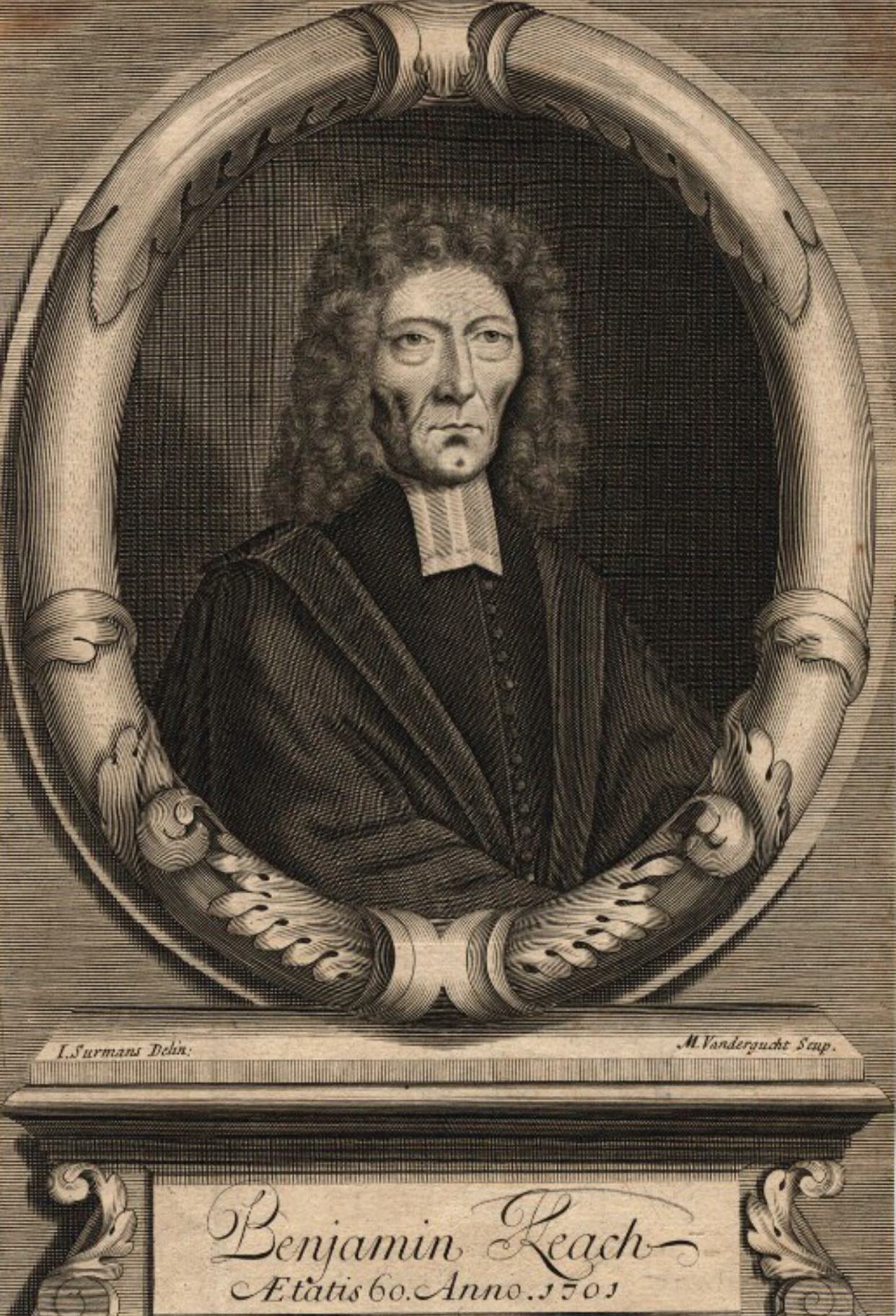
In "Saints Compared to Lambs in a Large Place," Benjamin Keach explores the theological implications of the metaphor of sheep and lambs in relation to God's people, particularly focusing on Hosea 4:16. The article argues that God's people, when straying from His fold, face dire consequences akin to a solitary lamb in a vast wilderness—vulnerable to sin and danger. Keach highlights how this state of scattering serves as both a warning and a call to value communal worship and Christian fellowship. The practical significance of this metaphor underscores the need for believers to remain within the context of the church for spiritual sustenance and safety, emphasizing that isolation can lead to spiritual danger and hardship. Key Scripture references include Psalm 23, alluding to God's provision and care for His flock, and Song of Solomon 1:7, reflecting the longing for communion with the Shepherd.
Key Quotes
“So when God scatters his people by persecution... they shall wander about bleating as it were being greatly troubled for want of that fellowship they once enjoyed.”
“A poor Christian that strays abroad or gets out of God's fold... is in great danger of being spoiled and devoured every moment.”
“It is a fearful judgment to be left to wander.”
“...prize Christian society then and account it your mercy that you are not as a Lamb in a large Place.”
What does the Bible say about the isolation of Christians?
The Bible depicts Christians straying from community as akin to a lamb alone in a wilderness, vulnerable and without support.
Song of Solomon 1:7
Why is Christian community important for believers?
Christian community provides vital support, nourishment, and protection from spiritual dangers.
Hebrews 10:24-25
How does God discipline His people according to Scripture?
God's discipline often involves allowing His people to experience the consequences of their straying, akin to a lamb scattered and alone.
Hosea 4:16, Hebrews 12:6
SAINTS COMPARED TO LAMBS IN A LARGE PLACE
"Now the Lord will feed them as a Lamb in a large Place," Ho 4:16.
EXPOSITORS differ about the meaning of these words, "Mercer and Vatablus," as Mr. Burrough observes, "would carry it thus, Laute ut Agnus, mox mactatur; as a Lamb when it hath large food, it is soon slain; so God threateneth Ephraim, that he will soon make an end of them; only he will let them prosper for awhile, and feed them largely, but it shall be for the slaughter, &c. But others rather understand, that God would bring Ephraim under such affliction, as should humble them, and make them as a Lamb: ' Feed them as a Lamb,' parce ac tenuiter; not feed as an heifer, that noted their prosperity; but feed as a Lamb, that noteth their adversity: for the food of a Lamb differeth from the food of an heifer. That which will feed a Lamb, will starve an heifer, or an ox. They have, saith God, been proud and wanton in the enjoyment of peace and plenty; but now they shall have short commons; I will bring them down, and lay them low at my feet; they shall be as a Lamb that picks up the grass in the wilderness, 'as a Lamb in a large Place:' that is, saith Mr. Burroughs, they shall be dispersed among the countries. They would not be satisfied in Canaan, which was a narrow place; and with the sheepfold of mine that was therein; and now they shall have more room, they shall go into a large Place, but it shall be into captivity.
But now fully to take in the direct sense of the text, "I will feed them as a Lamb in a large Place;" that is, as a Lamb that shall be alone, one Lamb. He speaks of a Lamb singly, because that they should be scattered one from another. They had society, and might have abode in the sweet enjoyment of it, had they not sinned their mercies away; but since they did not make good use of their peace and communion together, God threateneth to scatter them, one in one place, and another in another place; and they should be as a Lamb alone in the wilderness, succourless, helpless, shiftless, bleating up and down." Which affords us a profitable parallel.
SIMILE
I. A Lamb in a large place, that feeds in a wilderness alone, is very solitary, and, as it hath been observed, wanders about bleating, seeming greatly troubled for want of company.
PARALLEL
I. So when God scatters his people by persecution, because they have not prized nor improved that peace and plenty which he hath afforded them in their own fold, nor regarded the sweetness of Christian society and communion together, they shall wander about, bleating as it were, being greatly troubled for want of that fellowship, they once enjoyed. Thus it was with the poor Jews.
SIMILE
II. A Lamb alone in a large Place, wandering up and down in a wilderness, among wolves, lions, &c., is in great danger of being devoured every moment; when such as remain in the fold with the flock, are generally safe and very secure.
PARALLEL
II. So a poor Christian, that strays abroad, or gets out of God's fold, and is as a Lamb in a large Place, is in great danger of being spoiled and devoured every moment; when such Christians as abide in the Church, and keep close to the fellowship and communion thereof, are safe. Also Christians that are scattered, and forced by persecution from the society of the Saints, are obnoxious to many deaths and dangers.
SIMILE
III. A Lamb in a large Place or wilderness hath none to help it; who watches or takes care of such a Lamb? it hath no shepherd to look after it, none that regards it.
PARALLEL
III. So those Christians that stray abroad, or are forced to wander in a bewildered estate, have no fellowship with God's people, nor are they under the special care or charge of any of his particular ministers; none regard them: which is a sore and lamentable state.
SIMILE
IV. A Lamb in a large Place is forced to seek its own food, and provide for itself, when such as remain in the fold, or in the flock, the Shepherd takes care of them, and daily feeds them; they have no want, when the poor Lamb in the wilderness is in hard weather near starving.
PARALLEL
IV. So much Christians as stray abroad, and walk alone, not belonging to any particular Church, have little food but what they can find themselves, they have not those sweet and blessed refreshments at the Lord's table, and in the daily communion with God's people, as such have who are orderly members. This made the spouse cry out, "Tell me, thou whom my soul loveth, where thou feedest, and where thou makest thy flocks to rest at noon," &c., Song 1:7.
INFERENCES.
I. From whence we way infer, what a sore evil it is to be scattered from the flock of God. Some slight Christian society, and think the yoke of Christ is too hard and uneasy for their necks; they account it bondage, and not liberty; they do not like Christ's fold. And how just is it with God to blind the eyes of such, and leave them to wander in the wilderness, and let them feed as a Lamb in a large field, being exposed to the danger of many enemies?
II. Some men love their liberty, and they may have liberty enough; but such may be their liberty, that it may prove, as one well observes, their misery. To keep in the compass of God's commands, is the best liberty of all; as David professeth, "Then shall I have liberty, when I keep all thy commandments." Other liberty will most certainly bring us into straits, and ruin us, if we do not take heed, and return unto God. Many want elbow-room, and would fain get out of God's limits: though such may at present have peace, yet mark well their end. It is a fearful judgment to be left to wander.
III. Prize Christian society then, and account it your mercy, that you are not as a Lamb in a large Place; and improve the mercy you now enjoy, lest God bring that heavy judgment upon you, to break and scatter you, as many have been in days past, and made to seek their bread in a howling wilderness.

Comments
Your comment has been submitted and is awaiting moderation. Once approved, it will appear on this page.
Be the first to comment!