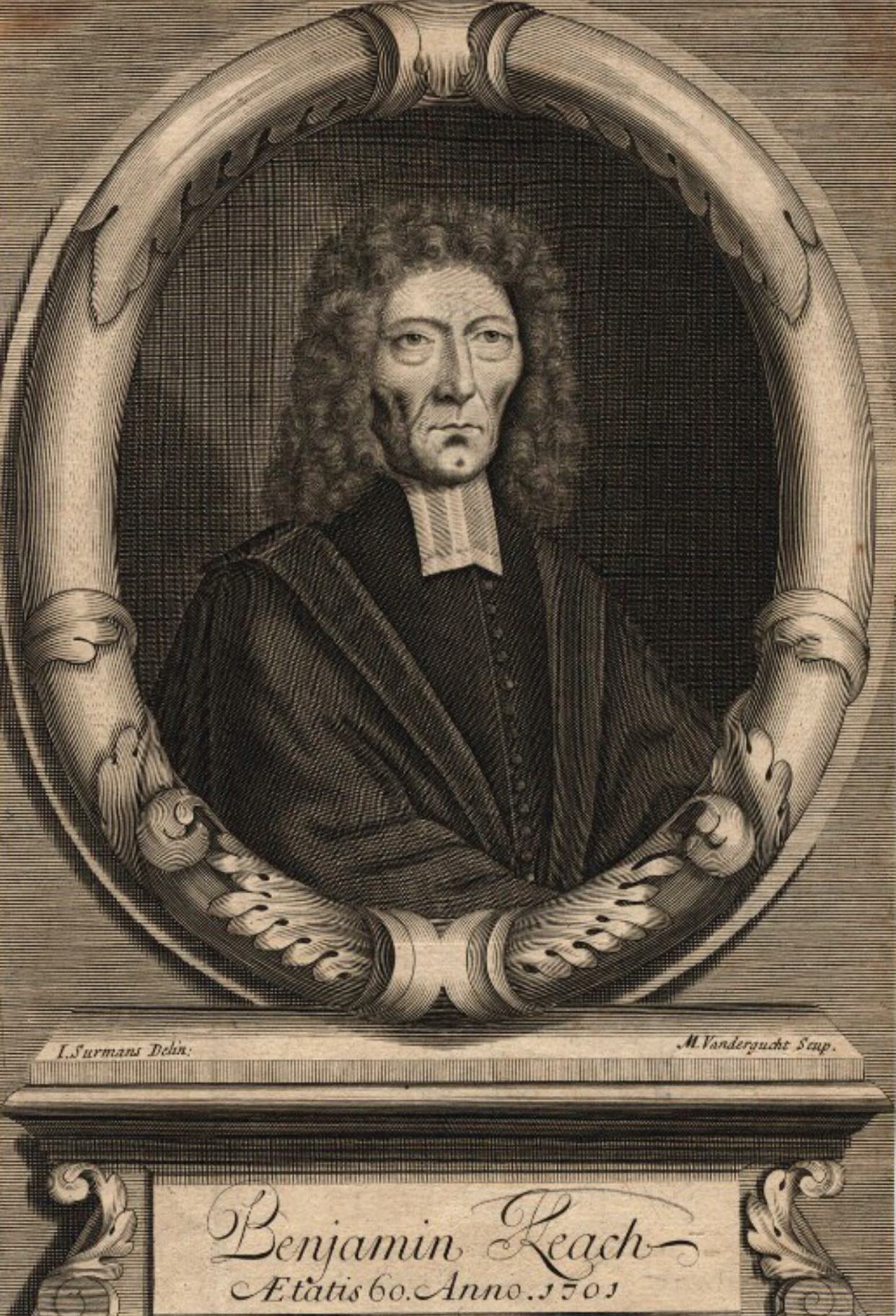
The article "Saints Compared to Stewards" by Benjamin Keach examines the doctrine of stewardship as it applies to every Christian. Keach argues that just as a steward is entrusted with the goods of a master, Christians are entrusted by God with spiritual and temporal gifts that must be used in accordance with His will. He cites Luke 16:2 and 1 Peter 4:10 to emphasize that these gifts belong to God and should be managed faithfully, not for personal gain, but for the benefit of the Church and those in need. Furthermore, the article underscores the serious nature of stewardship, asserting that believers will ultimately give an account of their management of God's gifts, aligning with the Reformed emphasis on accountability and the importance of living for God's glory. The practical implications of these truths challenge Christians to prioritize the interests of the Gospel, care for ministers, and provide for the poor.
Key Quotes
“Give an account of thy Stewardship.”
“A Steward cannot say the riches which are committed to him are his own.”
“It is a great and horrible evil in a Steward to mind his own business and concerns more than the concerns of his lord and master.”
“Every Christian ought to dispose of all his Lord's goods according to his express command laid down in the word.”
What does the Bible say about stewardship?
The Bible outlines stewardship as managing God's gifts responsibly for His glory, as seen in Luke 16:2 and 1 Peter 4:10.
Luke 16:2, 1 Peter 4:10
How do we know stewardship is true?
Stewardship is validated in Scripture, where God commands His people to manage their resources wisely for His purposes, as seen in Matthew 25:14-15.
Matthew 25:14-15
Why is accountability important in stewardship?
Accountability is crucial in stewardship, as we will give an account to Christ for how we manage His resources, as stated in Luke 16:2.
Luke 16:2
SAINTS COMPARED TO STEWARDS
"Give an account of thy Stewardship," &c., Lu 16:2.
"As good Stewards," &c., 1Pe 4:10.
Note. Every Saint is the Steward of God.
PARALLELS.
I. A Steward is a person that hath goods or monies committed to his charge: so every Christian hath many goods, called talents, committed to him, both spiritual and temporals, Mt 25:14-15.
H. A Steward cannot say, the riches which are committed to him are his own; no, he is but the Steward of them, in trust, they being the proper right of another man, or his lord's goods: so a Christian cannot say, anything he hath is his own; all he is and hath is the Lord's.
III. A Steward ought to dispose of every thing committed to his charge, according to the special command of his master, who possibly orders him to pay so much to such an one, and so much to such an one, and so much to such poor that dwell in the parish, &c. So every Christian ought to dispose of all his Lord's goods, according to his express command laid down in the word, or he is no faithful steward. So much he is required to dispose of to the ministers of the Gospel, that may tend to make their lives comfortable, and free them from the perplexing cares of this life, which greatly hinder them in their ministry. The true minister's maintenance is jure divino, of divine right: "So hath the Lord ordained, that they that preach the Gospel, should live of the Gospel," 1Co 9:14. Also they are required to give to the poor, that they may not want, &c. Their charity ought to be according to their ability, and the poor's necessity; and not only to give, but to give cheerfully, with a willing heart, &c.
IV. Stewards are required to improve their lord's money, &c. So Christians ought to improve all those spiritual gifts and graces, time, strength, wisdom, and knowledge. "Whatsoever God hath given to them, he expects they should improve it to his glory, and to the profit of their neighbours.
V. It is a great and horrible evil in a Steward, to mind his own business and concerns more than the concerns of his lord and master: so it is an utter fault, and that which may justly call in question the truth of his sincerity and Christianity, for a Christian to mind the world, and his own private interest, more than the interests and concerns of Jesus Christ. Some care not what becomes of Christ's labourers, or of the poor Saints, nor of the interest of the Gospel, so that they have all things to their heart's content. They eat the fat, and drink the sweet, and lay up great store of treasure for their own children, &c. They have, perhaps, their hundreds and thousands by them; and in the mean while many faithful ministers hard put to it to get bread. Is it not an abominable evil in a Steward, to live like a lord himself upon his master's goods, and let his master's children want bread: and also to keep back the right of his faithful and painful labourers, for whose sake he entrusted him with so much substance?
VI. A Steward must expect to be called to an account: Give an account of thy Stewardship," &c., Lu 16:2. So must every Christian expect to be called to an account by Jesus Christ concerning his Stewardship; and what will they have to say, who have embezzled much of their Lord's goods, and converted the rest to their own private use. Let all take heed, and so demean themselves, that they may have their accounts to give up with joy.

Comments
Your comment has been submitted and is awaiting moderation. Once approved, it will appear on this page.
Be the first to comment!