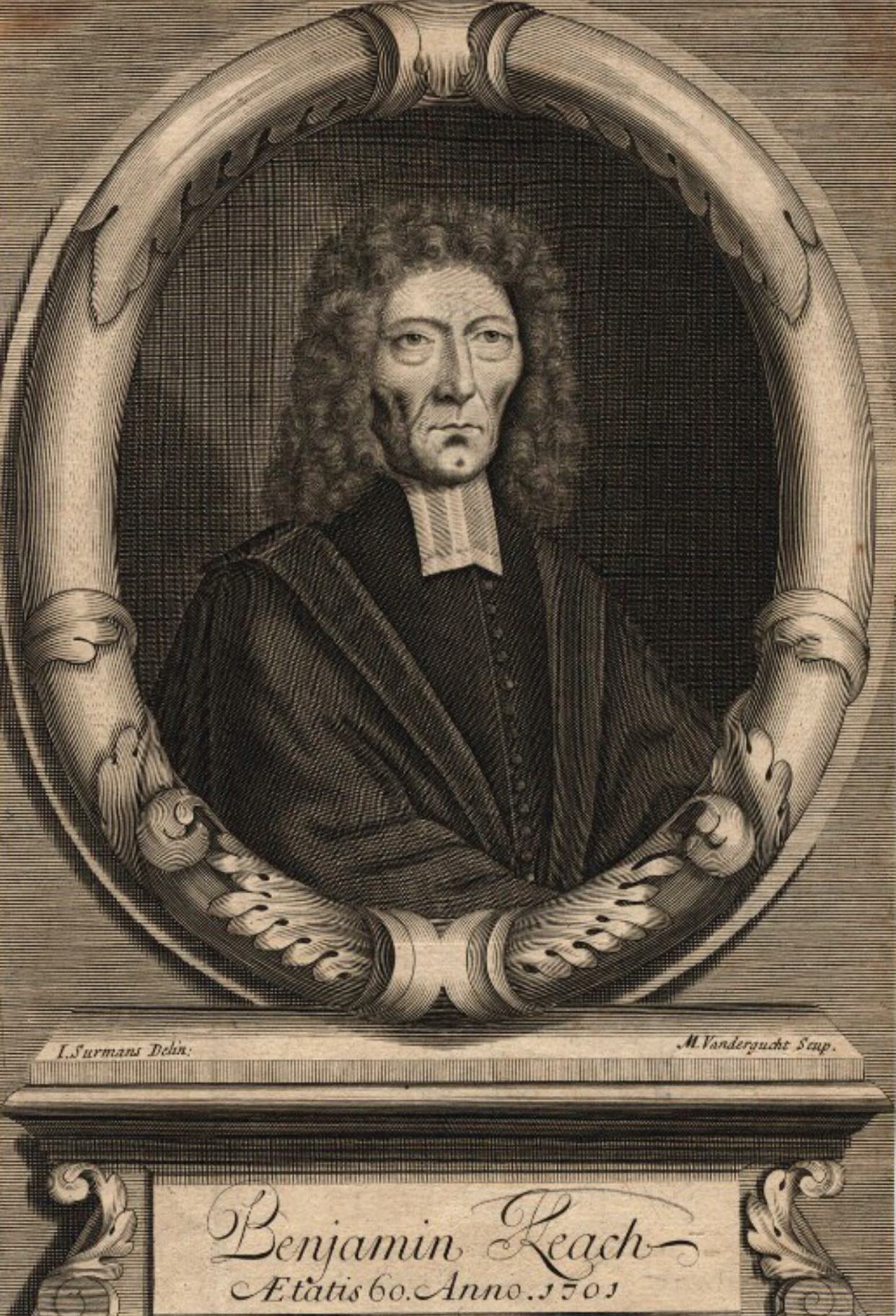
In "Wicked Men Compared to Bulls," Benjamin Keach explores the metaphorical comparison of wicked individuals to strong bulls, particularly drawing from Psalm 22:12. He argues that just as bulls are strong, cruel, and wild, so too are ungodly men who oppress and persecute the righteous, mirroring the fierce opposition faced by Christ from figures such as the high priests and scribes. Key Scripture references, including references to Bashan's bulls (Psalm 22:12 and Deuteronomy 32:14), serve to illustrate the strength and ferocity of these wicked men, who, like raging bulls, threaten the peace of God’s people. The practical significance of this metaphor highlights the reality of violence and tyranny that the faithful may face, encouraging believers to rely on God’s strength as they confront these adversities.
Key Quotes
“Strong Bulls have beset me; that is, enemies strong, fierce and cruel.”
“Wicked tyrants are often great in power and have the advantage every way to strengthen themselves.”
“Wicked Men are suffered to feed as it were in fat pastures until they grow fat and kick against the Lord.”
“This farther shows the base and cruel nature of the ungodly.”
What does the Bible say about the wicked compared to bulls?
The Bible compares the wicked to strong bulls, illustrating their cruelty and strength in opposition to God's people.
The portrayal also highlights the mercy of God in restraining such wickedness, suggesting that He limits their power for the protection of His faithful ones. It serves as a reminder that while the wicked may appear to flourish temporarily, they are ultimately under God's sovereign control. Thus, the message is clear: although they symbolize rebellion and violence, their end is sure, as God will not allow evil to go unchecked forever.
Psalm 22:12, Ezekiel 34:4, Daniel 8:11-12
Why is understanding the metaphor of bulls important for Christians?
Understanding this metaphor helps Christians comprehend the nature of wickedness and the assurance of God's protection.
Moreover, this biblical imagery instills a sense of hope and assurance. Just as it describes the dangers posed by the wicked, it also points to God's sovereign power in restraining such wickedness. Christians are encouraged to trust that God sees their suffering and has the ultimate authority over all creation, including the wicked. Through prayer and faith, they can seek God's protection and grace amidst the trials imposed by these 'bulls.' This metaphor, therefore, not only depicts evil but also highlights God's ongoing care and deliverance for His people.
Psalm 22:12, Ephesians 6:12
How do we know that the wicked will not prevail against God's people?
Scripture assures us that despite the strength of the wicked, God is sovereign and will ultimately deliver His people.
Moreover, the presence of wickedness serves to highlight God's justice and righteousness. In the end, all who oppose Him, including the wicked as depicted in the metaphor of bulls, will face judgment. The faithful are encouraged to remain steadfast, knowing that God has already secured their victory through Christ’s sacrifice. This perspective fosters hope and perseverance, pushing Christians to rely on God’s promises and to seek His guidance in times of trouble, trusting that He will protect and redeem His people in His perfect timing.
Romans 8:28-30, Psalm 22:12, Revelation 21:4
WICKED MEN COMPARED TO BULLS
"Many Bulls compassed me about, strong Bulls of Bashan" Ps 22:12.
THE Hebrews call the Bull Tor, or Taur; which the Caldee call Abir, for a strong ox; the Grecians, Tauros; the Latins, Taurus; the Italians Tauro; the French, Taureais; the Germans, ein Steir, ein Unuchersteir das Uncher, ein Mummelsteir, ein Hagen, and ein Bollen; the Illyrians, vul, and Juneez. By all which several applications it is evident, that the name Taurus in Latin is not derived from Tanouros, the stretching out of the tail, nor from Gauros, signifying proud, but from the Hebrew Tor, which signifieth great, &c.
The epithets of this beast are many, viz. wild, sharp, plower, warrier, horn-bearer, blockish, great, glistering, fierce, violent, &c.
Violent, cruel, and proud persecutors, that abuse and infest the poor and needy, are compared to Bulls, Bulls of Bashan; that is, saith Glassius, the enemies of Christ, who were strong and fierce, i.e., strong and outrageous persons, such as were the high priests, scribes, &c., that set themselves against Christ; so Ainsworth. Bashan was a fertile country, famous for excellent pasture, the beasts that fed there being very fat, strong, and great. Hence the Bulls, rams, or heifers of Bashan, are metaphorically put for fat ones, De 32:14; which is transferred to men, Ps 22:12, "Strong Bulls have beset me," &c., that is, enemies strong, fierce, and cruel. The oaks of Bashan are used in the like sense, Isa 2:13; Ec 11:2.
METAPHOR
I. A Bull is a ring-leader of the herd; for which cause, saith Gesner, Homer compared Agamemnon, the great emperor of the Grecian army, to a Bull, &c. Topsel, p. 77.
PARALLEL
I. So proud and cruel persecutors are often ringleaders of all the herd of their bloody crew, like as it were the high priests, scribes, and Pharisees, to the multitude of the wicked Jews, who conspired against our blessed Saviour, Mt 26:47.
METAPHOR
II. The Bull is a very strong creature; his strength is very great in all parts, but more especially in his head and neck.
PARALLEL
II. So wicked tyrants are often great in power, and have the advantage every way to strengthen themselves; as it is said of the little horn under the Grecian monarchy, who "Waxed exceeding great, towards the south, and towards the east, and towards the holy land," Da 8., but more especially of the fourth Beast, or Roman power, who hath, with human and diabolical power, with a high hand, and stiff neck, strove against the Saints of God for many years.
METAPHOR
III. A Bull with his horns doth often run at men, women, and children, so that the sight of them, when they come towards some persons, makes them cry out; for many have been gored, and torn to pieces by Bulls: they are indeed a cruel sort of creatures, especially when enraged, and therefore all strive to get out of their way.
PARALLEL
III. So wicked Tyrants, persecutors, and bloody enemies of God's Church, do often furiously run at all that stand in their way, not only men and women, but poor children, &c. Horn denotes power, as elsewhere hath been showed, and to push with the Horn, metaphorically signifies an exerting or putting forth of strength or power, De 33:17. The Bulls of Bashan frequently exercise that authority and power, which for a time is suffered to be in their hands, against the Saints; yea, push and gore them with their horns in a cruel manner, tearing them in pieces: and by reason of which many timorous persons being afraid of them, to avoid the danger, are ready to run away, viz. leave their native country, when they hear that furious Bulls, or cruel tyrants, are like to be let in upon them. Ps 22:12; Da 11:40.
METAPHOR
IV. Bulls are suffered to feed in rich pasture, till they are very fat; they are like some lawless sort of people, being not always restrained to one meadow or ground, as cows are; they will break into every body's field, and feed in pastures none of their own.
PARALLEL
IV. So wicked Men are suffered to feed as it were in fat pastures, until they grow fat, and kick against the Lord. They will not know their own territories, nor be content with what God hath lent them, but make incursions into their neighbor's countries; and, as if they were lawless, make all their own which they can lay their hands upon, and care not what spoil they make.
METAPHOR
V. Bulls will fight furiously with other beasts, and with one another.
PARALLEL
V. So wicked Men are very quarrelsome; they will not only fall upon the Saints, but also make war one with another, out of pride and ambition, and to accomplish their own vain-glorious and covetous designs; as we see this day, how one Popish and heathenish Bull attacks and wars with another.
METAPHOR
VI. Bulls sometimes, to prevent their doing of hurt, are shackled and penned up, who by that means, grow rather the more fierce and mad, and would do the greater mischief could they get loose.
PARALLEL
VI. So Wicked Men sometimes are by the Almighty restrained many ways from running at, and spoiling of the Lord's people, Eze 34:4; he puts shackles as it were upon their legs, and hooks into their jaws, which doth greatly enrage them; fain would they be revenged, and vent their cruel malice upon the saints, but cannot, their ways are so blocked up.
INFERENCES
I. This farther shows the base and cruel nature of the ungodly.
II. It serves to inform us, what a mercy it is they are restrained.
III. It may teach us also to cry to God to shackle and pen them up, and break their horns, viz: destroy or take away their power.

Comments
Your comment has been submitted and is awaiting moderation. Once approved, it will appear on this page.
Be the first to comment!