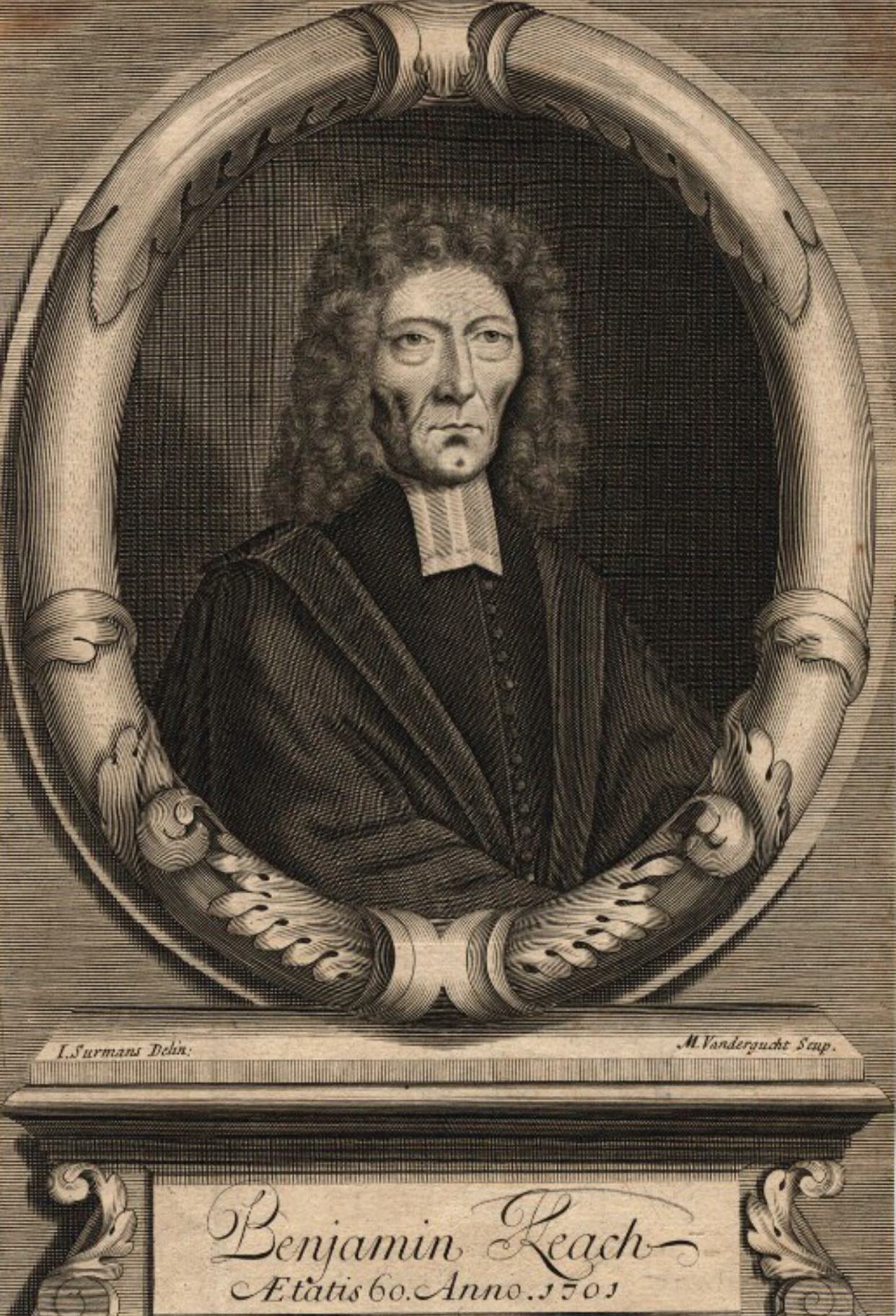
In "Ministers Compared to Shepherds," Benjamin Keach explores the theological role of ministers as shepherds of God's flock, drawing parallels between pastoral care and the shepherd's duty in Scripture. He articulates several key metaphors: a shepherd is appointed to care for the flock, feed them, keep them united, protect them, and show compassion to the weak. Keach references John 21:16, where Jesus instructs Peter to feed His sheep, and Ezekiel 34:4, highlighting the failings of Israel’s shepherds. The practical significance of this theology emphasizes the weighty responsibility of ministers to lead and nurture their congregations faithfully, steering clear of self-interest and ensuring that they provide only the nourishing doctrine that Christ has provided.
Key Quotes
“A Shepherd is chosen and appointed to take care of the flock being a man skilful in that work.”
“Ministers must abide with their flock; they must not be at a distance from them lest evil should befal them from the enemy.”
“It is a shame and great reproach to a Minister and a sign he is none of Christ's servants who chiefly regards his own base and carnal ends.”
“To prize their faithful Ministers, observe their doctrine and eye their holy and heavenly conversation.”
What does the Bible say about ministers as shepherds?
The Bible compares ministers to shepherds, highlighting their role in caring for and guiding the flock of believers.
Moreover, these metaphors remind us that a faithful minister must safeguard the unity of the church, ensuring that no member strays from the fold. They are tasked with feeding the sheep by providing sound doctrine and good examples, reflecting Christ's teachings. The depiction of ministers as tender caregivers highlights the compassion and love that they ought to show towards weaker members of the congregation, echoing Christ's own care for His church.
Ezekiel 34:9, John 21:16, Luke 2:8
How do we know ministers are called to feed the flock?
Ministers are called to feed the flock as per Jesus’ command in John 21, emphasizing the need for spiritual nourishment.
This feeding involves more than just the delivery of sermons; it encompasses equipping the church with sound doctrine, encouraging spiritual growth, and nurturing a community of faith. 1 Corinthians 9:7 reinforces this call by reminding us that just as the shepherd is entitled to the milk of the flock, so too are ministers appointed to receive support from the community they serve. This reciprocal relationship emphasizes the importance of both teaching and being supported by the congregation, ensuring that the spiritual needs of the church are met adequately.
John 21:16, 1 Corinthians 9:7
Why is the concept of ministers as shepherds important for Christians?
The concept of ministers as shepherds is crucial as it defines their role in nurturing, protecting, and guiding the church.
Additionally, this perspective fosters a culture of mutual respect and accountability between the church and its leaders. Congregations are not merely passive recipients but are called to actively engage with their ministers, prizing their faithfulness and tracking their doctrinal integrity. Thus, the shepherding role of ministers is integral to maintaining unity, promoting accountability, and ensuring that the church collectively pursues spiritual maturity and health. This understanding ultimately aligns with the biblical vision of the body of Christ functioning harmoniously under Christ as the chief Shepherd.
Ezekiel 34:9, Luke 2:8
MINISTERS COMPARED TO SHEPHERDS
"O ye Shepherds, hear the word of the Lord," Eze 34:9.
MINISTERS, in divers places of the holy scriptures of the New Testament, are compared to Shepherds.
METAPHOR
I. A Shepherd is chosen and appointed to take care of the flock, being a man skilful in that work.
PARALLEL
I. So a Minister is chosen and appointed to take care of the flock and Church of God, and of the souls of men committed to his charge.
METAPHOR
II. A Shepherd feeds his flock, leading them into good green pastures.
II. So Ministers feed the flock of Christ: "Simon, son of Jonas, lovest thou me? feed my sheep, feed my lambs," &c., Joh 21:16. Feed them with good doctrine, feed them with a good example.
METAPHOR
III. A Shepherd endeavours to keep the flock together, lest any should stray from the fold.
PARALLEL
III. So a faithful Minister strives to keep all the members of the Church, under his care, together, and will not, if he can help it, suffer any of them to go astray.
METAPHOR
IV. A Shepherd watches over his flock in the night, lest any danger, by dogs, wolves, or foxes should befal them. "And there were in the same country Shepherds abiding in the field, keeping watch over their flocks by night," &c., Lu 2:8. '
PARALLEL
IV. So Ministers must abide with their flock; they must not be at a distance from, them, lest evil should befal them from the enemy, there being many dogs, wolves, and cunning foxes abroad, seeking to destroy and spoil the sheep and lambs of Jesus Christ, I mean, subtle deceivers and persecutors.
METAPHOR
V. Shepherds are very tender of their flocks, and drive them as they can go, showing much compassion to the weak and feeble, and endeavouring to heal and strengthen the diseased.
PARALLEL
V. So Ministers should be very tender of the saints, or spiritual flock, and not impose upon them such things as they are not convinced of to be their duty; they must not drive them out of their pace; and the weak and feeble among them they ought to take compassion upon, and strive to heal the diseased. The Shepherds of Israel failing herein, greatly provoked the Owner of the sheep against them: "The diseased, saith he, ye have not strengthened, neither have ye healed that which was sick," &c., "Strengthen ye the weak hands, and confirm the feeble knees," Eze 34:4.
METAPHOR
VI. Shepherds sometimes keep sheep that are none of their own.
PARALLEL
VI. So Ministers keep Christ's sheep: "Feed my sheep." They are Christ's by choice, by gift, by purchase, by conquest, &c.
METAPHOR
VII. Shepherds ought to feed of the milk of that flock they feed.
PARALLEL
VII. So Ministers ought to be fed by the flock or Church they feed: "Who feedeth a flock, and eateth not the milk of the flock," &c., 1Co 9:7.
METAPHOR
VIII. It is a shame to a Shepherd to regard the fleece more than the flock; it may be said of some Shepherds, if they are fed, and have the fleece, let what will befal the sheep, they matter not.
PARALLEL
VIII. It is a shame and great reproach to a Minister, and a sign he is none of Christ's servants, who chiefly regards his own base and carnal ends; if he has but the fleece, and be well fed, let what will become of the Church, or souls of those under his charge; he seeks not them, but theirs.
INFERENCES.
I. Hence Ministers may be greatly enceuraged to a faithful and careful discharge of their trust; for they that serve the Lord Jesus, whose the sheep are, and who will reward them in due time.
II. It may also caution them to be very careful, that they feed Christ's flock with no other food than what is of Christ's providing.
III. It may inform all the flocks and sheep of Christ, over whom the Holy Ghost hath appointed Shepherds or overseers, (1.) To prize their faithful Ministers, observe their doctrine, and eye their holy and heavenly conversation. (2.) To walk as sheep, (a.) To keep close to their fold.

Comments
Your comment has been submitted and is awaiting moderation. Once approved, it will appear on this page.
Be the first to comment!