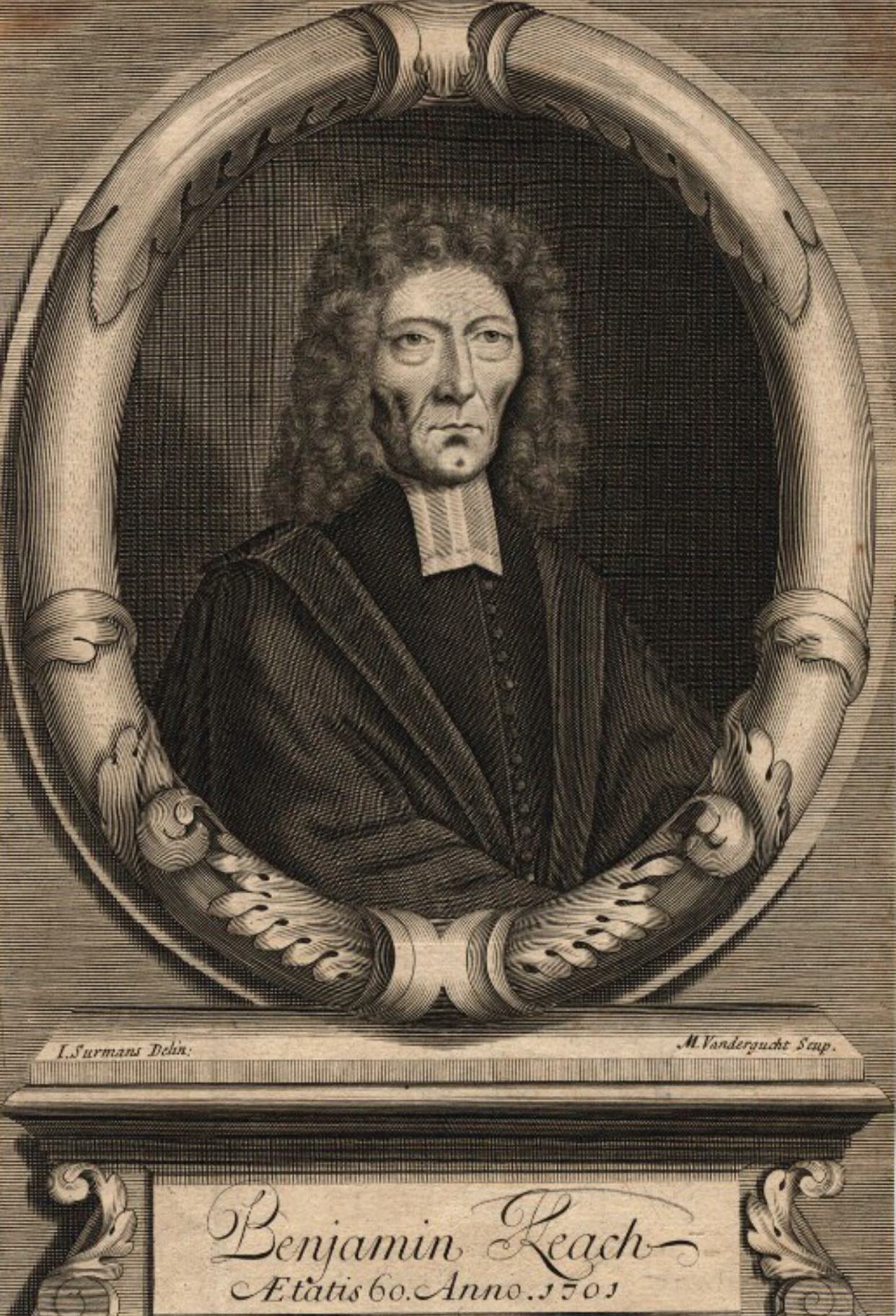
Benjamin Keach's article "Sin a Thief" explores the theological concept of sin, likening it to a thief that robs humanity of its spiritual inheritance. Keach argues that through sin, originating with Adam’s disobedience, humanity has lost its original righteousness and communion with God. Key scriptural references, including Romans 7:11 and Hebrews 3:13, reinforce the idea that sin and Satan work in secrecy to deprive individuals of divine blessings. The practical implications of this metaphor manifest in the urgent need for believers to remain vigilant against sin, understanding its deceitful nature and the necessity of relying on Christ's redemptive work for salvation and restoration. Keach concludes by calling upon believers to guard their hearts and minds against sin's enticements, recognizing that it is not merely a transgression but an adversary seeking to destroy.
Key Quotes
“Sin and Satan strive unjustly to take away or deprive the sons of men of their undoubted right to divine things.”
“If Sin be a Thief a bloody and treacherous Thief and robber, what folly are these men and women guilty of who are so ready and willing at every turn to entertain it as a guest in their houses?”
“The bond of ignorance, the bond of unbelief, and the bond of a hard heart are the cruel shackles with which the spiritual Thieves bind sinners.”
“Sin is composed of nought but subtle wiles. It fawns and flatters and betrays by smiles.”
What does the Bible say about sin as a thief?
The Bible compares sin and Satan to thieves who rob humanity of their spiritual treasures, such as peace, communion with God, and eternal life.
Romans 7:11, Isaiah 61:1
Why is understanding sin as a thief important for Christians?
Recognizing sin as a thief highlights its destructive nature and the necessity of Christ's redemption.
Ephesians 4:22, Isaiah 61:1
How do we know that sin is a thief according to the Bible?
The Bible reveals sin as a thief through metaphors and teachings that describe its nature and effects.
Luke 10:30, Matthew 16:26
SIN A THIEF
"And Jesus answered and said, a certain man went down from Jerusalem to Jericho, and fell among Thieves, which stripped him of his raiment, and wounded him, leaving him half dead" &c., Lu 10:30.
THIS is generally taken for a parable, though it is not so called, and before I run the parallel concerning Sin and a Thief, I shall very briefly open the whole parable, according to my present understanding, and commit it to better judgments.
1. By this certain man, I understand the first Adam.
2. By Jerusalem, that happy state, and place of peace, and rest, which he enjoyed before his fall.
3. By his going from Jerusalem to Jericho, his departing from God, in obeying the serpent.
4. By Thieves, Sin, and Satan, &c. These stripped him of his raiment, viz., his first righteousness, &c., and spiritually wounded him, leaving him half dead, i.e., though he was alive in his body, he was dead in his soul: "In the day thou eatest thereof thou shalt surely die."
5. By the priest and Levite who had no compassion on him, may be meant the law and Levitical priesthood.
6. By the Samaritan, Jesus Christ.
7. By pouring in wine, the blood of Jesus, that precious fruit of the true Vine; by oil, the Holy Spirit, which those receive who partake of the virtue of Christ's blood, called the oil of gladness.
8. By setting him on his beast, may be intended the doctrine of the Gospel; for that, a doctrine, metaphorically, is said to carry the soul, as a beast does the body; "Be not carried about with divers and strange doctrines," &c., Heb 13:9.
9. By the inn, may be meant the Church of God, for thither the true doctrine of Christ carries believers.
10. By the host, the minister or pastor of the Church.
11. By the two pence given to the host to take care of the poor wounded person, may be meant the gifts and graces of the Holy Spirit; or, as others, the Old and New Testament; but I rather conclude the former.
12. The Samaritan going away, may signify Christ's ascension into heaven, who besides all the divine gifts, graces, and comforts of the Spirit, he bestows upon his faithful ministers here, and to capacitate and fit them to do their work and office, he will when he comes again give them eternal life.
Observ. Sin and the devil are, and may fitly be compared to Thieves and Robbers. If this may not safely be inferred from hence; yet from divers other texts of Scripture it may naturally be deduced, &c., see Ro 7:11; 2Co 11:1-2; Eph 4:22; Heb 3:13.
In the opening of this, we shall first show what Sin and the devil robs men of. 2. Show what kind of Thieves and robbers Sin and the devil are.
METAPHOR
I. A Thief, is one, or more, that in a secret and felonious manner takes away that which is another man's, whether it be goods, money, &c., and thereby oft-times undo, and utterly ruin their neighbours, depriving them of all those good things they had in possession, or the promise of enjoying, &c.
PARALLEL
I. SIN and Satan strive unjustly to take away, or deprive the sons of men, of their undoubted right to divine things. Adam was invested with a very great estate, he had great abundance of all good things in his possession, before the fall, viz., union, and communion with God, perfect righteousness, &c. He was the heir of the world. Eden in an especial manner, with all the riches, glory, and delights thereof, were his, &c. Nothing was denied him, saving the eating of the tree of knowledge of good and evil: but by sin and the devil he was robbed and deceived of all, and brought to utter beggary: and since, God hath been pleased in a gracious manner through the Lord Jesus Christ, to invest believers with much spiritual riches, and righteousness; again these enemies strive to rob and deceive them of all the second time; but to speak more particularly, the things which they endeavour to deprive the sons and daughters of, are these:
First, Of their precious time, by telling them that it is too soon, too early to mind the concern of their souls; like as those in Haggai, strove to deceive the people, "The time is not come," &c. 1. Sin and Satan persuade men, that time is not so swift nor uncertain, but that they shall have time and days enough hereafter, whereas on a sudden, time's hour-glass is out, and they are cut down in a moment. 2. By stifling the senses of the poor sinners, insomuch that they cannot judge of their time; they are so taken with other things, sensual things, that they know not at what time of the day it is, they think it is a long while to night, when alas their sun is almost set.
3. By hiding from men the great perils and dangers of the times they live in, they are so blinded by these thieves, that they see not into what a pit they are falling.
4. By persuading them, that a great deal of work may be done in a very short time; that the work of repentance may be done upon a sick-bed, or when old age comes. 5. And then at another while, when they have spent much of their days in pleasure and vanity, this enemy persuades them it is now too late, and the time of their visitation is past, &c.
Secondly, These Thieves strive to rob men of the opportunity of time, I mean those precious sermons, seasons of grace, and holy sabbaths, God is pleased to afford them; by secret craft, these enemies blind the eyes of men after such a manner, that they prefer their worldly advantages and profit, in their shows and callings, above the riches and glorious blessing of the Word and ordinances of God, they prefer earth before heaven, gold above grace, the good of the body above the good of the soul. If the enemy cannot keep men from attending upon the Word, then he endeavours to fill their minds with other things, causing them to be negligent in hearing of the Word preached, that it profits them nothing; or if they should hear with attention, yet this adversary causes them to rest satisfied with a bare hearing, and thereby deceive their souls.
Thirdly, Sin and Satan rob, or deprive men of union, and communion with God, and of the true grace of God, by which this union and communion with God, and Christ is attained; persuading them common grace, is saving grace, and legal conversion is evangelical conversion, and outward reformation true regeneration, &c.
Fourthly, Sin and Satan rob men of peace, not only of peace with God, but also of the true peace of conscience.
Fifthly, They strive to rob men of their precious and immortal souls.
Sixthly, They rob, and endeavour to rob and deceive men of the crown of life.
Lastly, In a word, these enemies strive to rob and cheat men and women of all the saving benefit of Christ crucified, endeavouring to make his blessed death wholly ineffectual to their souls.
METAPHOR
II. Thieves many times take and lead poor travellers out of the king's highway, into some by-place, and then bind them hand and foot, as well as take away their treasure.
PARALLEL
II. So Sin and Satan, lead sinners out of the true way of God, into by and untrodden paths of Sin and idolatry, and in a barbarous manner bind them with cruel bonds: hence Christ is said to deliver them that were bound, Isa 61:1. The apostle Paul speaking to Simon the sorcerer, said, "I perceive thou art in the gall of bitterness, and in the bond of iniquity," Ac 8:23. There are three bonds that these spiritual Thieves bind sinners with; (1.) The bond of ignorance, (2.) The bond of unbelief (3.) The bond of a hard heart.
METAPHOR
III. Thieves do not only bind such that they rob, but many times murder them; they do not only steal, but kill also, and that in a barbarous manner.
There are and have been, some great and notorious thieves: would you not look upon him to be a grand Thief, that robs and nay, a whole kingdom.
PARALLEL
III. So Sin and Satan, do not only rob men of all their heavenly treasure, but also kill and murder their souls; Sin kills spiritually, and Sin kills eternally; "Sin, taking occasion by the commandment, deceived me, and by it slew me," Ro 7:11.
Sin has deceived and robbed the whole world at once. When our first parents were beguiled, all mankind were beguiled, and what man that ever lived hath not actually been robbed by this Thief? The best of men, have more or less been deceived by him.
1. Sin a great Thief, if we consider the eminency of those it hath robbed.
(1.) Sin deceived the angels that fell, who were most glorious creatures in their first estate.
(2.) Sin robbed and deceived Adam, who was so highly honoured and dignified by the Almighty, &c.
2. Sin is a bold Thief; which appears, in that it will adventure to steal and deceive at that very time when it is arraigned, and its abominable cheats laid open by the ministers of the Gospel.
3. Sin is an old Thief; no sooner was the world created, but presently we read of this robber, and how he cheated our first parents; how many ages, how long a time hath this Thief reigned in his wickedness!
4. Sin is a subtle Thief, he robs and steals in the day-time, as well as in the night, and yet it is hard to find him out; he has many secret corners to hide and lurk in, nay he hath got the art to change his name when he is taken, and charged with this and that abomination. (1.) If you search for him by the name of pride, he calls himself by the name of comeliness and decency. (2.) If you search for him under the name of covetousness, he calls his name industry, thriftiness, and good husbandry; nay he is grown so crafty, that some think it is impossible to find him out: under the last appellation, he doth not enly change his name, but also prevails cunningly upon men, according as he finds their natural inclination and disposition; some he deceives by the pleasures of the world, some by the profits and riches of the world, and some he puffs up with vain-glory, and the honours of the world. (3.) Sin deceives by pretending kindness and fellowship to the children of men: Sin and Satan promise a future time, and days to repent: they promise heaven to the vilest sinner, promise life, whilst they thrust the knife into the very throat.
Sin is composed of nought but subtle wiles,
It fawns and flatters, and betrays by smiles;
'Tis like the panther, or the crocodile,
It seems to love, and promises no wile,
It hides its sting, seems harmless as the dove;
It hugs the soul, and hates when't vows most love.
It plays the tyrant most by gilded pills,
It secretly ensnares the soul it kills
Sins' promises they all deceitful be,
Does promise wealth, but pay us poverty;
Does promise honour, but doth pay us shame;
And quite bereaves a mail of his good name:
Does promise pleasure, but doth pay us sorrow;
Does promise life to day, pays death to-morrow.
No Thief so vile, nor treacherous as Sin,
Whom fools do hug, and take much pleasure in.
5. That Sin is a crafty Thief and robber, doth appear further, if we consider what fools and mere babes, it makes of worldly-wise men.
(1.) It deceives them of treasure of an inestimable value, for mere toys and trifles, it cheats them of most blessed pearls, above sorry pebbles; they like idiots take brass counters, before guineas and yellow gold.
(2.) It makes them believe strange things, contrary to reason; as first, that though they sow tares, yet they shall reap wheat; nay, though they sow not at all, yet they shall have a great crop at harvest; furthermore, that that work may be done when they are old, and ready to drop into the grave, which is so hard and difficult, that all the days of their life, and the greatest of their strength is too little to accomplish; and that it is time enough to sow their seed, when they should, with others, be a gathering in their harvest. Lastly, It makes such fools of men, as to consent to set the knife to their own breast, and be willing to let out their own heart's blood.
METAPHOR
IV. Bloody Thieves and murderers, are a great terror to honest men; and they will avoid them if possible, and provide themselves with suitable weapons to withstand and vanquish them.
PARALLEL
IV. Sin is such a bloody Thief and murderer, that all godly men dread it, and endeavour to avoid it, as much as possibly they can; and not only so, but also take unto themselves the whole armour of God, that so they may be able to subdue and overcome it, Eph 6.
INFERENCES.
I. If Sin be a Thief, a bloody and treacherous Thief and robber, what folly are these men and women guilty of, who are so ready and willing, at every turn, to entertain it as a guest in their houses? Nay, and shall lie in the chiefest room of their hearts?
II. It shows the folly of these men also, who hide their Sin, and desire nothing more than to have their beloved lusts spared? Who would hide, and plead for a cursed murderer, or suffer a bloody and venomous serpent to lie in their bosoms?
III. It shows the folly of such that play and make a sport at Sin. Fools make a mock at Sin.
IV. Take heed you are not beguiled and robbed by it.
V. When you are hard put to it, call for help, cry out, Thieves, Thieves! pray for the help of the Spirit.
VI. Be sure watch against it; you are ready to have a watchful eye over a Thief, nay, over one who is but suspected so to be.
VII. Keep the door shut against Sin. And,
Lastly, Be not so foolish as to believe Sin and Satan's promises.
Tropologia by Benjamin Keach
266 SIN A DEBT
SIN A DEBT
"Forgive us our Debts," Mt 6:12.
SIN is called a Debt, ofeilhmata, Debita, in these words, Sins and Debts are used promiscuously, as Lu 11:4, compared with this in Mt 6:12; Lu 13:4. Luke was learned in the Greek, and wrote amartiav, Sins; whereas Matthew hath ofeilhmata, Debts. Canin in loc. N. T. page 86, 87.
Now when Sins are called Debts, or said to be forgiven, it is a metaphor from pecuniary Debts, as the Debtor was said luere when he paid his money; and it is generally used of any that are obnoxious to punishment; so the Grecians say ofeilein dikhn, and the Latins poenas debere; so the Hebrew word XXXX, is used both for Debts and guilt, Da 1:10; Eze 18:7, as also for Sin, Ex 32:33. And enoxov, which is applied to a sinner, Jas 2:20, is also frequently used of punishment, as Mt 5:21-22. In Sin there is the obliquity and dissonancy from the law of God, and this is not called a Debt, for we do not owe this to God, but the contrary, obedience, and holiness; in Sin there is guilt and obligation unto eternal punishment, and this is called a Debt, &c.
METAPHOR
I. DEBTS are variously taken, and may be contracted divers manner of ways. (1.) A man may rob his neighbour of his good name, defame and wickedly wrong him that way, and thereby make himself guilty, and become a sinner against him, and is as much bound to make him satisfaction, as if he had been his Debtor, by getting away much of his goods, &c.
PARALLEL
I. So man by Sin, hath taken away or robbed God of his glory; Adam gave more credit and rather hearkened to the devil, than to God, and what a reproach was this, as I may so say, to his Maker! Satan shall be believed when God shall not: when a man will not believe, trust, nor give credit to what his neighbour saith, though never so just and upright; what a reproach, and contempt, doth he cast upon him? So what greater wrong could man do to God, the most just and holy One of heaven and earth, as not to regard his word, believe, nor give credit to him; but rather side with, and yield to his cruel enemy, that studied revenge, and to bring him into reproach. And thus man became a Sinner, and made himself guilty, being a Debtor to God, and bound to make satisfaction, or suffer for Sin, if this wrong cannot be made up, or the Debt paid.
METAPHOR
II. Man broke a holy and righteous law, and thereby make himself notoriously guilty, and obnoxious to the penalty annexed; and guilt that lies upon him, is commonly called a Debt, he is a Debtor to the law, as well as a criminal.
PARALLEL
II. Sinners have broken the holy and righteous law of God, and by this means are become miserably guilty, and palpable Debtors, both to the law, and justice; the law is broken, and justice requireth satisfaction; the penalty is death. A heavy Debt, such a Debt is Sin: he hath violated a just law, and how will he make a compensation?
METAPHOR
III. Some Debts, in a common acceptation, are a great sum, many pounds, thousands of pounds.
PARALLEL
III. Sin is a very great Debt, every ungodly man may be said to owe many thousands, though never so rich and mighty in the account of men. So Mt 18:24, where our sins are not only compared to a debt, but to a Debt of a vast sum, ten thousand talents, which according to computation amounts to £1,500,000, and according to others, £1,875,000.
METAPHOR
IV. Some Debts are so great in value, and the debtors so poor, that they are not able to pay them.
PARALLEL
IV. Sin is so great a Debt, that a man of himself is not able to make satisfaction to the law, and justice of God for it: he owes ten thousand talents, and hath nothing to pay; so our Saviour himself plainly intimates, Mt 18:24.
METAPHOR
V. A Debt exposeth a man ofttimes to an arrest, and fills his mind full of trouble; especially, if it be an action upon execution, that admits of no bail.
PARALLEL
V. Sin exposeth a man to an arrest, by death, a serjeant, that will, when he hath received his warrant, take no bail, and this fills wicked men, especially, full of fears; "Who through fear of death, are said, to be all their lifetime subject to bondage," Heb 2:15.
METAPHOR
VI. A Debt doth not only expose a man to the danger of an arrest, but, in case he cannot pay the Debt, or procure bail, to a prison also.
PARALLEL
VI. So Sin exposeth a man, not only to an arrest, by death, but also to the prison of eternal darkness, out of which there is no redemption; "Verily, verily, I say unto you, he shall not come out from thence, until he hath paid the utmost farthing," Mt 5:26.
METAPHOR
VII. Some men's Debts have been paid by the hands of others, who out of mere compassion, have undertaken to satisfy for all they have owed, and thereby have kept the poor debtors from perishing.
PARALLEL
VII. So this great Debt, viz., Jesus Christ, the sinner's friend out of infinite bowels, by one single payment on the cross, or by his active and passive obedience, hath satisfied for, or made a full compensation to the law, and Justice of God, in the behalf of sinners; that so he might thereby deliver them from eternal ruin. See Surety.
METAPHOR
I. A Debt among men, only exposeth the body, or bodies of men to external danger, sufferings, or sorrow.
DISPARITY
I. BUT Sin, this spiritual Debt, exposeth not the body only, but the soul; it brings not the soul, by guilt, to sorrow and misery here; but both the soul and body to sufferings eternally hereafter.
METAPHOR
II. Debts among men, are oft-times forgiven, without payment or satisfaction made for them, either by the Debtor, or his surety.
PARALLEL
II. God doth not forgive sin, this spiritual Debt, without a full payment, or plenary satisfaction made for it by our Surety; it consisteth not with his justice, honour, nor with the nature and purity of his law, considering the nature of Sin itself, so to do: and therefore, what man is not able to do upon this account, Jesus Christ his blessed Surety hath done for him.
First; to make this appear, or further to manifest the truth of it, it will not be amiss to consider the nature of God's threatenings. I mean, legal threatenings, which several divines have well distinguished from Evangelical. Gospel, or Evangelical threatenings, are those fatherly chastisements, which God denounceth, to keep us within the bounds of child-like obedience; and therefore, God hath not only signified, but the nature of the affair requireth, that they should be executed only in case of need, 1Pe 1:6.
But legal threatenings, denounce unmixed and unlayed curse and wrath. These two widely differ, not only in their nature, but end. In the first, suppose, that the business of the threatenings be done to God's hand, without the execution of them; it clearly follows, that the obligation of the believer to them, as they have respect to such an end, dissolves and ceaseth; that which is God's intent by them, being obtained without them, the execution of the threatenings, without the least derogation from the truth of God, or impeachment of his other properties, may be suspended.
But legal threatenings being of another nature, and having another end; namely, the vindication of God's holiness and justice upon prisoners and rebels, they are no wise dissolvable, but must of necessity be inflicted, that the perfections and government of God maybe vindicated, and sin may be revenged. All sin is contempt of God's authority and government, and casts dirt upon his glory; and punishment is the vindicating of God's honour, in revenge of evil committed.
Let this be noted, that in case of such a proportioned satisfaction, by which the honour and equity of his laws is vindicated, his justice, holiness, and hatred of sin demonstrated, the ends of government attained; he may relax and dispense with the threatening, as to the party offending, which is the case here: for by executing the threatenings upon Christ, and receiving a valuable consideration of satisfaction from him, he hath given as eminent demonstration of his righteousness, purity, and hatred of Sin, and as fully vindicated his law from contempt, as if the offenders themselves had suffered; and therefore, by an admirable mixture of grace with justice, hath released us. These things being premised, I re-assume, saith he, the argument, namely, that the truth of God's threatenings, would not allow him to pardon Sin, and save sinners, but upon the consideration of a satisfaction.
First; God having denounced death, and the curse against Sin, Ge 2:17; De 27:26, the veracity and faithfulness of his nature obliged him to see it inflicted: never any entertained a notion of God, but they included in it that he spake truth. Could ever any threatening of God, be of awe upon the conscience of a sinner, should the first and great threatening be made so easily void? Should it be granted, that notwithstanding God's solemn denunciation of wrath, in case of Sin, that yet he hath taken the offender into favour, and pardoned the offence without any satisfaction, or consideration at all? what would creatures imagine, but that God either intended his threatenings for mere scare-crows, or that he were subject to mutability; which apprehension being once received, what boldness would men assume in Sin? believing that the comminations of the Gospel, would be no more executed than those of the law: "But let God be true, and every man a liar."
Secondly; To suppose that God hath abrogated his threatening, is at once to overthrow the whole Scripture; for that expressly tells us, that "not one jot of the law was to perish," Mt 5:18. "That every disobedience received a just recompence of reward," Heb 2:2; 9:22-23. "That without blood there was to be no remission."
Thirdly; If the threatening annexed to the law be released, it is either by virtue of the law itself, or by virtue of the Gospel. It is not by virtue of the law; for that was wholly inexorable, requiring either perfect and constant obedience, or debouncing unmixed and unallayed wrath, Ga 3:10. Nor is it released by the Gospel; this the Holy Ghost clearly informs us, Ro 3:31, "Do we then make void the law through faith? God forbid: yea, we establish the law." Beza's paraphrase here is very good: Christi satisfactio quid aliud quam legis minas ostendit minime irritas esse, quam illas luere Christum oportuerit? O Christi justitia, quid aliud est quam legis præstatio? See also Mt 5:17-18, "Think not," saith Christ, "That I am come to destroy the law, or the prophets; I am not come to destroy, but to fulfil; for verily I say unto you, till heaven and earth pass away, one jot, or one tittle shall in no wise pass from the law, till all be fulfilled." As all the predictions of the prophets were fulfilled by him, and in him; so was the whole law in his keeping the precepts of it and teaching others to do the like, and in his bearing the penalty of it, and fulfilling the types of it. The Gospel is so far from repealing the penalty of it, Heb 9:15-16, "There could have been no testament, but in and through the death of the testator." There could have been no such thing as a Gospel, or a tender of glad tidings and mercy to us, but through Christ's undertaking, as our Surety, to bear the curse of the law, Ga 3:13. And so much for the argument from the truth of God's threatenings.
The sum of what we say and believe about this great truth, is this:
1. That by the sin of our first parents, all men are brought into a state of sin, and apostacy from God, and of an enmity to him, Ge 6:5; Ps 51:5; Ro 3:23, and Ro 7:7; Eph 4:18; Col 2:13.
2. That in this state all men naturally continue, sinning against God, nor of themselves can do otherwise, Ro 3:10-12.
3. That the justice and holiness of God, as he is the supreme Governor and Judge of all the world, requires that sin be punished, Ex 34:7; Jos 24:19, Psalms 5:4-6 &c.
4. That God hath also engaged his veracity and faithfulness in the sanction of the law, not to leave sin unpunished, Ge 2:17; De 27:26. "Cursed be he that confirmeth not all the words of this law, to do them." In this state and condition all mankind, had they been left without divine help and aid, must have perished for ever.
5. That God, out of his infinite grace and goodness, sent his Son, the Lord Jesus Christ to deliver them.
6. That this love was the same in Father and Son: the Father could not be more gracious and kind than the Son, nor the Son in bowels exceed the Father; but both alike loving, gracious, and compassionate.
7. That the way in general whereby the Son of God, being incarnate, was to save lost sinners, was, by a substitution of himself, according to the decree and appointment of God, in the sinner's room; according to 2Co 5:21, "He hath made him to be sin for us, who knew no sin, that we might be made the righteousness of God in him." Compared with Ga 3:17; Ro 5:7-8; 8:3; 1Pe 2:24; 3:18.
1. That Christ, in saving sinners, hath, (1.) Offered himself a sacrifice to God, to make atonement for sins, Isa 53:10; Eph 3:2; Heb 2:17; 9:11-14. (2.) That he redeemed us, by paying a price, a ransom for our redemption, Mr 10:45; 1Co 6:20; 1Ti 2:6; 1Pe 1:18. (3.) That he bore our sins, that is, the punishment due for them, Isa 53:5; 1Pe 2:24. (4.) That he answered the law, and the penalty thereof, Ro 8:3; Ga 3:13 and Ga 4:4-5 (5.) That he died for sin and sinners, to expiate the one, and in the stead of the other, Ro 4:25; 5:10 (6.) and that God, upon Christ's voluntary susception of his office, as Mediator, and condescension to the work, did so lay our sins, in and by the sentence of the law, upon him, that he made full satisfaction for whatsoever legally could be charged upon them for whom he thus suffered. (7.) And all this, that the justice of God being satisfied, and the law fulfilled, mankind might be freed from the wrath to come, Ro 3:25.
METAPHOR
III. Among Men, that debt that is paid, or full compensation made for it, either by the debtor, or his surety, cannot be said to be forgiven.
PARALLEL
III. But that remission of sins is wholly through the free love and grace of God, is evident; yet not without respect had to the atonement or propitiation, through faith in Christ's blood. "For without shedding of blood, there is no remission." We have redemption through his blood, even the remission of sins," Eph 1:7. "As God for Christ's sake hath forgiven you," Eph 4:32. "God hath set him forth to be a propitiation, through faith in his blood, to declare his righteousness, for the remission of sins," Ro 3:25. It is absolutely free, in respect of all immediate transactions between God and sinners, free on the part of God.
1. In the eternal purpose of it, when he might justly have suffered all men to have perished under the guilt of their sins.
2. Free in the means that he used to effect it. (1.) In the sending of his own Son. (2.) In laying the punishment of our sins upon him. (3.) In his covenant with him, that it should be accepted on our behalf. (4.) In his free tender and proposals of it by the Gospel, without money, and without price. (5.) In the actual forgiveness and pardon of them.
Secondly; it is free on the part of the persons that are forgiven, in that. (1.) It is given and granted to them, without any satisfaction by them, or a surety of their procurement, they being not able to find any. (2.) Without any merit to purchase or procure it. (3.) Without any penal satisfactory suffering here or hereafter. (4.) Without any expectation of a future recompense, or being once pardoned, they should make or give any satisfaction for what they had done before. And as none of those things would, so nothing else can impeach the freedom of pardon and forgiveness. Whether then we respect the pardoner, or the pardoned, pardon is every way free, namely, on the part of God who forgives, and on the part of Sinners that are forgiven.
If God hath now, besides all this, provided himself a Lamb for a sacrifice; if he hath, in infinite wisdom and grace, found out a way thus freely to forgive us our Debts, to the praise and glory of his own holiness, righteousness, and severity against Sin, as well as to the magnifying of his grace, goodness, and rich bounty, which he immediately exerciseth in the pardon of Sin: are any men's eyes evil, because he is good? Will they not be contented to be pardoned, unless they may have it at the rate of spoiling or robbing God of his holiness, truth, righteousness, and faithfulness. Dr. Owen.
Object. But doth not this doctrine set forth God to be severe to his own Son, to substitute him in the Sinner's room, to bear his wrath, and suffer for their Sins?
Answ. God laid nothing upon his blessed Son, but what Christ offered himself freely to undergo for man's sake; and had it not every way consisted with his own glory, thus to deliver up the Lord Jesus, to satisfy both law and justice, doubtless he would never have sent him into the world. And if it had been only to make Christ a pattern of humility, and of patience under suffering, that God laid these things upon him which he endured, it might have left some room for men so to speak, in that others might, as indeed many of the godly have been made examples upon that account.
Object. If God cannot pardon Sin without satisfaction, he is more weak and imperfect than man.
1. God cannot do many things that man can do; not that he is more imperfect than they, but he cannot do them upon the account of his perfection: he cannot lie, he cannot change, cannot deny, himself, which men can, and do daily.
2. To pardon Sin without satisfaction, in him who is so absolutely holy, righteous, true and faithful, the absolute, necessary, supreme Governor of all Sinners, the Author of the law, and function of it, wherein punishment is threatened and declared, is to deny himself, and to do what one infinitely perfect cannot do.
3. Why doth not God pardon Sins freely, without requiring faith, repentance, and obedience in them that are pardoned? yea, as the conditions on which they May be pardoned: for seeing he is so infinitely good and gracious, cannot he pardon men, without prescribing such terms and conditions unto them, as he knows that men, and that incomparable the greatest number of them, will never come up unto, and so must of necessity perish of ever? Yea, but our adversaries say, this cannot be, neither doth this impeach the freedom of pardon: for it is certain, that God doth prescribe these things, and yet he pardoneth freely; and it would altogether unbecome the holy God, to pardon Sinners that continue impenitent, and so live and die. But doth not the Socinian see, that he hath hereby given away his cause which he contendeth for; if a prescription of sundry things to the Sinner himself without which he shall not be pardoned, doth not at all impeach, as they say, the freedom of pardon, hut God may be said freely to pardon Sin notwithstanding it; how shall the receiving of satisfaction by another, nothing at all being required of the sinner, have the least appearance of any such thing? If the freedom of forgiveness consists in such a boundless notion as these men imagine, it is certain that the prescribing faith and repentance unto sinners antecedently to their participation of it is much more evidently contrary unto it, than the receiving satisfaction from another, who is not to be pardoned, can to any appear to be. Secondly. If it be contrary to the holiness of God, to pardon any, without requiring faith, repentance, and obedience in them, as it is indeed; let not these persons be offended, if we believe him, when he so frequently declares it, that it was so, to remit sin, without the fulfilling his law, and satisfying of his justice. Dr Owen.
METAPHOR
IV. Oft-times, nay, most commonly, men, as soon as some Debts are paid, or satisfaction made by the Debtor, or his surety, the Debtor may demand a discharge or acquittance immediately from the said Debts, &c.
PARALLEL
IV. But it is not so here, in reference to this Debt; for though Christ, as our Surety, hath made a full compensation to the law and justice of God, yet Sinners are not immediately acquitted; neither doth it follow, saith the doctor, that on the supposition and satisfaction, pleaded for the freedom, pardon, and acquitment of persons originally guilty, and liable to punishment, must immediately, and ipso facto ensue, it is not of the nature of every solution or satisfaction, that deliverance must ipso facto follow. And the reason of it 'is, because this satisfaction by succedaneous substitution of one to undergo punishment for another, must be founded in a voluntary compact and agreement; for there is required unto it a relaxation of the law, though not as unto punishment to be inflicted, yet as unto the person to be punished. And it is otherwise in personal guilt, than in pecuniary debts: in these, the Debt itself is fully intended, and the person obliged with reference thereunto; in the other, the person is firstly and principally under the obligation. And therefore when the pecuniary Debt is paid, by whomsoever it be paid, the obligation of the person himself unto payment ceaseth ipso facto: but in things criminal, the guilty person himself being firstly, immediately, and intentionally under the obligation unto punishment, when there is introduced by compact a vicarious solution, in substitution of another to suffer, though he suffer the same absolutely, which the person should have done for whom he suffers; yet because of the acceptation of his person to suffer, which might have been refused, and could not be admitted without some relaxation of the law, deliverance of the guilty person cannot answer ipso facto, but by the intervention of the terms fixed in the covenant or agreement, for an admittance of the substitution.
It appears from what hath been said, that in this matter of Sin being called a Debt, and of satisfaction, Sin is not to be considered as such a Debt, and God a Creditor, and the law as an obligation to the payment of that Debt, as some men seem to run it: but Sin is a transgression of the law, and thereby obnoxious and liable to the punishment constituted in it, and by it answerable unto the justice and holiness of another; and God, as the infinitely holy and righteous Author of that law, and supreme Governor of all mankind, according to the sanction and tenor of it. "The substitution of Christ was merely voluntary on the part of God, and of himself, undertaking to be sponser, to answer for the Sins of men, by undergoing the punishment due unto them. That to this end there was a relaxation of the law, as to the persons that were to suffer, though not as to what was to be suffered: without the former, the substitution mentioned could not have been admitted: and on supposition of the latter, the sufferings of Christ could not have had the nature of punishment, properly so called: for punishment relates to the justice and righteousness in government of him that inflicts it; and this the justice of God doth not but by law. Nor could the law be any way satisfied or fulfilled by the suffering of Christ, if antecedently thereunto, its obligation, or power of obligation unto the penalty constituted in its sanction unto Sin, was relaxed, dissolved, or dispensed withal. Nor was it agreeable to justice, nor would the nature of the things themselves admit of it, that another punishment should be inflicted on Christ, thau what we had deserved; nor could our Sin be the impulsive cause of his death, nor could we have had any benefit thereby." Dr. Owen. See Surety.
INFERENCES.
1. THIS shows what the nature of Sin is, together with the woeful and miserable condition of man thereby. How few know, or are sensible, how far they are in Debt, and what fearful danger they are in hereby every moment.
II. It may raise our hearts to admire the grace and goodness of God in sending Christ to satisfy for our sins.
III. Let us also from hence be stirred up to cry for pardon and forgiveness of our Sins: "Forgive us our Debts."
Quest. What is it we desire of God in this petition?
Answ. 1. We pray, that God would not require or exact payment and satisfaction for our Sins of us; for if he should pass by millions of Sins, and set down but one hundred, nay, come so low as to charge but ten, nay, forgive us all save only one, that one would sink us down to the lowest hell. Should God require us to make satisfaction but for one evil thought, we should be utterly undone.
2. We pray, saith Mr. Burges, that God would lay our Sins upon Christ, or accept of satisfaction in and through him; for seeing, saith he, God hath declared his will, that man shall die for sin; if we should pray, that he would absolutely forgive our Sins, it would be to pray that he might be unjust. Therefore in this prayer thus we may argue, O Lord, we call not upon thee to repeal any threatening, to nullify thy Word, to become unjust: but thy wisdom hath so found out a way, that we may be pardoned, and thou satisfied, &c.
3. We pray, that through Christ's atonement, or the propitiation of his blood, our daily Sins and infirmities may be forgiven us, and we kept in a state of justification; for if our former Sins should be forgiven, and not our present and future, our case would be desperate; for Sin, like Sampson's hair, though cut, it will grow again. And as we Sin daily, so we ought to pray for pardon, through Christ's mediation; for Sin is not actually forgiven, before committed, nor before we have the true sense and sorrow of it upon our hearts. Where God gives remission, he gives a broken heart, Ac 5:31.
4. We pray, that God would account or impute Christ's righteousness unto us for pardon.
5. We pray for the sense and feeling of the grace and blessing of pardon in our own souls; for it is one thing to be pardoned, and another thing to know, or have the feeling sense of it in ourselves. We are in this case, saith an eminent person, like some heir or prince, that hath many temporal dignities, but by reason of his infancy doth not understand it. We pray principally, 1. For the real exhibition of pardon; and, 2. For the declaration and manifestation of it in our consciences. Some say, that God, from all eternity, hath pardoned Sins past, present, and to come; and that when we believe or repent, our Sins are pardoned declaratively only to our consciences! but now, I say, we pray not only for assurance and manifestation of pardon, but for pardon itself. The reasons are:
(1.) We might by the same rule interpret all the other petitions, in regard of declaration only, and not of exhibition. When we pray for sanctification and glorification, in that petition, "thy kingdom come," it might be as well said, that we are sanctified and glorified from all eternity; and therefore, when we are saved and glorified in heaven, this is but to our sense and feeling. And thus men make the decrees of God to be from eternity, with the execution of them in time, How ridiculous would rt be to expound that petition, "Give us this day our daily bread," thus! viz., not that God should give us our daily bread, but make us to see and feel that he hath given it to us.
(2.) A second is from the nature of forgiveness itself; when Sin is pardoned, it is said to be blotted out; now can any think, that blotting out is only in a man's own conscience and feeling? It is more immediately out of God's book, it being a metaphor taken from blotting or crossing Debts out of a book of accounts, &c., and not only the guilt that lies upon our hearts; therefore these are very separable the one from the other. A man may feel no weight or burden of Sin upon him, and yet it stands in red characters in God's book: and on the contrary, a Sin maybe blotted out there, yet be very heavy and terrible in a man's feeling and apprehension. So Sin pardoned is said to be covered or hid, not in respect of us, as if it were taken from our sight, but from God's sight; and he is said to cast our sins behind his back.
(3.) This explication, as the whole sense of the petition, would overthrow all other scriptures, which make no pardon of sin to be, but where the subject hath such qualifications as this in the text, viz., forgiving others, &c.
(4.) This which these men say, would make no difference between Sins repented of, and Sins not repented. Where do we read, that God doth, like the Pope, antedate his pardon, before the Sin be committed, or repented of? Burges.
6. We pray, that as God doth forgive Sin, so also he would release the punishment, and take away the wrath that doth belong to it. It is but a mockery which Papists make about pardon, as if indeed God did pardon the Sin, but not the punishment; that abides still, and we must work out a release from that by our ownselves. It is true, God, though he doth pardon Sin, yet he may grievously afflict; but these are only fatherly chastisements, and not judical punishments. But in this prayer we desire, as the Sin is removed, so also whatsoever troubles, afflictions, or chastisements do remain, they likewise may be taken away; that as the gulf of hell is removed, so every cloud also may be dispelled.
7. We pray not only for pardon, but also for the gracious concomitants and effe cts of it, which are peace with God, and joy in the Holy Ghost, &c., Ro 1:5.
From the whole we may infer,
I. That man is a guilty Sinner, nay, that believers are not without Sin, as they are in themselves; man, as considered in his fallen state, is accused and charged by the law, and must plead; and he cannot plead, not guilty, being under the impeachment of his own conscience, Ille noscens se damnat quo peccat die. This might have been the plea of Adam before his fall, but none else, 1Ki 8:46, "There is no man that sinneth not," Ec 7:20; 1Jo 1:8. Our plea then must be, guilty; and in this, case we must plead mercy for the sake of mercy, or mercy for the sake of Christ, or upon the account of the satisfaction he hath made.
II. There is no pleading mercy, for the sake of mercy, for, as one well observes, that were not to plead, but to beg; nor were it at all to be justified, but merely pardoned; it were to be dealt with alone upon the score of grace, and not at all upon the score of righteousness, whereas justification is an act of justice rather than mercy: though it is true, in the salvation of sinners, both grace and justice, as hath been showed, meet together; we are both pardoned and justified. God is, saith one, as merciful as we can desire, and yet as righteous as himself can desire; there is the freest grace, and the fullest justice. As God pardons Sin, he displays his mercy; as he justifies us from Sin, he manifests his righteousness.
Pardon is free to us, but it cost Christ dear; there is a mystery in the remission of Sin; it is not forgiven without atonement, satisfaction, and reconciliation made for it by Jesus Christ. Which appears.
1. In that those who are pardoned, are said to be justified through him, Ac 13:39.
2. Because Christ is said to bear our Sins, or the punishment of them, 1Pe 2:24; Isa 53:4-6. He died in our stead, for that is the meaning of his bearing our Sin, as might be largely showed from the Old Testament, where we read of persons that God said should bear their own Sins.
3. Because the scripture saith, "Without shedding of blood there is no remission," Heb 9:22. And that it is through that one offering of Jesus Christ, that we are both pardoned and accepted, "Redemption, and forgiveness of Sin, is through his blood," Ro 3:25.
4. Because Christ is said to reconcile us, and pacify the wrath of God for our Sins, 2Co 5:19-20; Ro 5:8.
5. Because Christ is said to be bought with a price; "Christ gave himself a ransom for many," 1Co 6:20; 1Pe 1:18; Mt 20:28.
6. Because he is said to be made unto us, "Wisdom and righteousness," &c. called, "The Lord, our righteousness." Our justification consisted in the non-imputation of Sin, and the imputation of his righteousness, that so salvation might be wholly of grace, and all boasting excluded.

Comments
Your comment has been submitted and is awaiting moderation. Once approved, it will appear on this page.
Be the first to comment!