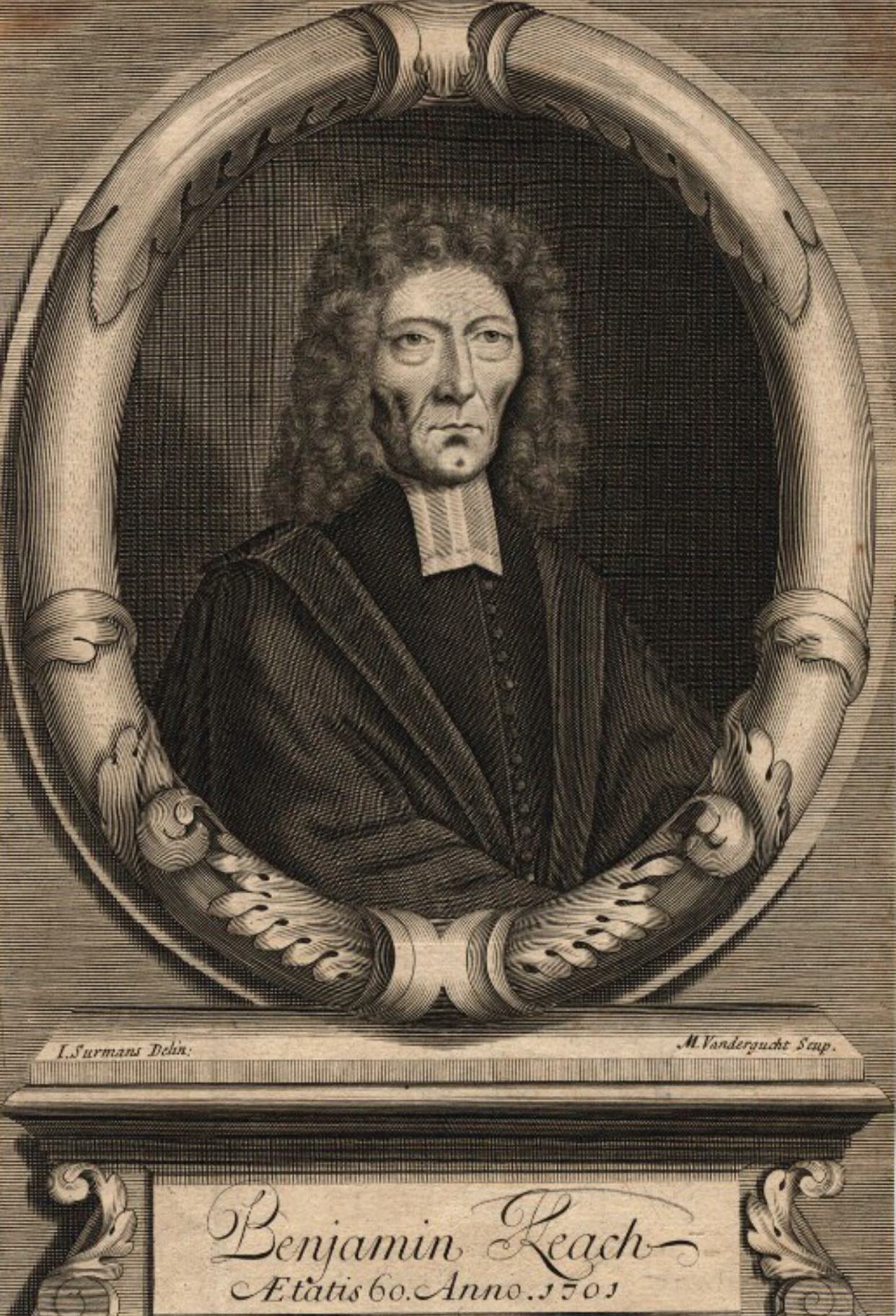
In "The Devil a Serpent," Benjamin Keach explores the biblical metaphor of the devil as a serpent, particularly focusing on the narratives from Genesis and Revelation. He emphasizes the subtleness and deadly nature of the serpent, drawing parallels between its venomous characteristics and the destructive power of sin induced by the devil. Key Scripture references include 2 Corinthians 11:3, which illustrates how the serpent beguiled Eve, and Revelation 12:9, which identifies the devil as the ancient serpent. These passages underpin Keach's argument that sin, likened to the poison of the serpent, corrupts humanity and all of creation. The theological significance of Keach's work is a call for vigilance against sin and an affirmation of Christ as the ultimate victor over evil.
Key Quotes
“As the Serpent beguiled Eve through his subtlety, so the devil seeks to deceive mankind.”
“The venom or poison of the old Serpent, viz. sin, is very deadly and of an infectious nature.”
“There is an irreconcileable enmity between the Serpent and the woman, and between his seed and her seed.”
“If a Christian face him with a single eye... it will resist him and make him fly.”
What does the Bible say about the Devil?
The Bible describes the Devil as a cunning being, often symbolized as a serpent, who deceives and leads humanity into sin.
2 Corinthians 11:3, Revelation 12:9, Genesis 3:14
How do we know the doctrine of original sin is true?
The doctrine of original sin is supported by scripture, which shows that sin entered the world through Adam, affecting all of creation.
Genesis 3:11, Romans 5:12
Why is vigilance against sin important for Christians?
Being vigilant against sin is crucial for Christians to resist the Devil and avoid spiritual harm.
1 Peter 5:8
THE DEVIL A SERPENT
"But I fear lest by any means, as the Serpent beguiled Eve through his subtlety, &c. 2Co 11:3.
"The old Serpent the Devil," &c., Re 12:9.
SERPENTS are venomous beasts, that creep upon the ground, or go as it were upon their bellies, which, as it appears from Ge 3:14, was laid upon them at first as a just judgment of God: "Upon thy belly shalt thou go;" meaning, saith Ainsworth, in great pain, &c. This creature the Devil made use of to deceive Eve; the Devil spake in or by the Serpent, i.e., opened the Serpent's mouth; for we are not to conclude that that Serpent was the Devil, because the text saith positively, it was a beast of the field, who, as some conceive, it is said to be more subtle than any other beast, by means of Satan's influences; yet all agree, that naturally the serpent, or some Serpents are very crafty and subtle. Aristotle and Galen define a Serpent to be Animal sanguineum, pedibus orbatum, et oviparum; that is, a bloody beast, without feet, laying eggs.
There are divers sorts of Serpents; we read of the adder, asp, dart, dragon, cockatrice, &c. Some affirm, that the cockatrice or basilisk hath wings, from Isa 14:29, "Out of the Serpent's root shall come a cockatrice, and his fruit shall be a flying Serpent." The basilisk is esteemed the king of Serpents, partly for the great strength of his poison, and partly for his stately pace, and magnanimous mind; for he goes upright with his head, near a half a yard in length.
PARALLELS.
I. SERPENTS are a venomous sort of creatures, especially the cockatrice: for his poison. Naturalists affirm, infecteth the air, and the air so infected killeth all living creatures, aud all green things, fruits and plants of the earth; it burneth up the grass whereupon it goeth, or creepeth; and the very fowls of the air fall down dead, when they come near his den or lodging: so the venom or poison of the old Serpent, viz., sin, is very deadly, and of an infectious nature, as hath been largely shewed. What creature hath not been hurt and corrupted, more or less, by this poison? It hath disordered the whole creation; the very ground is cursed, and bringeth forth thorns and thistles hereby, Ge 3:
II. Amongst all living creatures, there is none that perisheth sooner than doth a man, by the poison of a cockatrice, for with his sight he killeth him, the beams of his eyes do corrupt the spirit of a man; nay, saith my author, he kills other Serpents by his sight, such is the venom of his poison: so no creature hath suffered, or received such hurt, as mankind, hath by the poison of the old dragon. Though the sin of man, which is the venom of this serpent, hath been a plague to all creatures, yet man receives the greatest ruin by it, it destroys him eternally. Wicked men, who are compared to Serpents, are destroyed by this old Serpent.
III. A Serpent is a very subtle beast; "Be ye wise as Serpents," &c. The Devil being compared to a Serpent, it principally denotes his subtlety, who hath a thousand ways to destroy and undo the children of men.
IV. Serpents are most envious, implacable, and furious beasts; they are immitissimum animalium genus, a most ungentle and barbarous kind of creatures, saith Mr. Pliny, as appears by the rage of a little snake, one of the least of the Serpent's kind: for when he perceives he is hurt or wounded, he never ceaseth casting out his poison, until he hath done harm, or died of madness. In this he is the very image of the devil, who is go outrageous, and filled with envy to mankind, that he cares not what mischief he doth, though it greatly heightens his own punishment in the end. There is an irreconcileable enmity between the Serpent and the woman, and between his seed and her seed. A man naturally, by a kind of secret instinct, abhorreth the sight of a Serpent; and so doth the Serpent the sight of a man.
V. There is a certain sort of Serpents, that if a man look stedfastly upon them with one eye, with a single eye, they will run away from him: such a Serpent is Satan; for if a Christian face him with a single eye, that is, look upon him with an eye of faith, it will resist him, and make him fly.
INFERENCES.
I. From the whole we may perceive, what the nature of sin is: these evil angels were glorious creatures at first, before they fell; but behold, what vile, cursed creatures and monsters their departing from God, and rebellion against him, hath made them!
II. It may teach all men to beware of the Devil, to watch against him, to avoid sin, and the venom of sin, as they would a Serpent.
III. It may be of use to stir up the godly to diligence and watchfulness, &c. "Be sober, be vigilant," &c.
IV. It may teach us to bless and praise God for Christ, in whom, through faith, we get the victory over this terrible and crafty enemy.

Comments
Your comment has been submitted and is awaiting moderation. Once approved, it will appear on this page.
Be the first to comment!