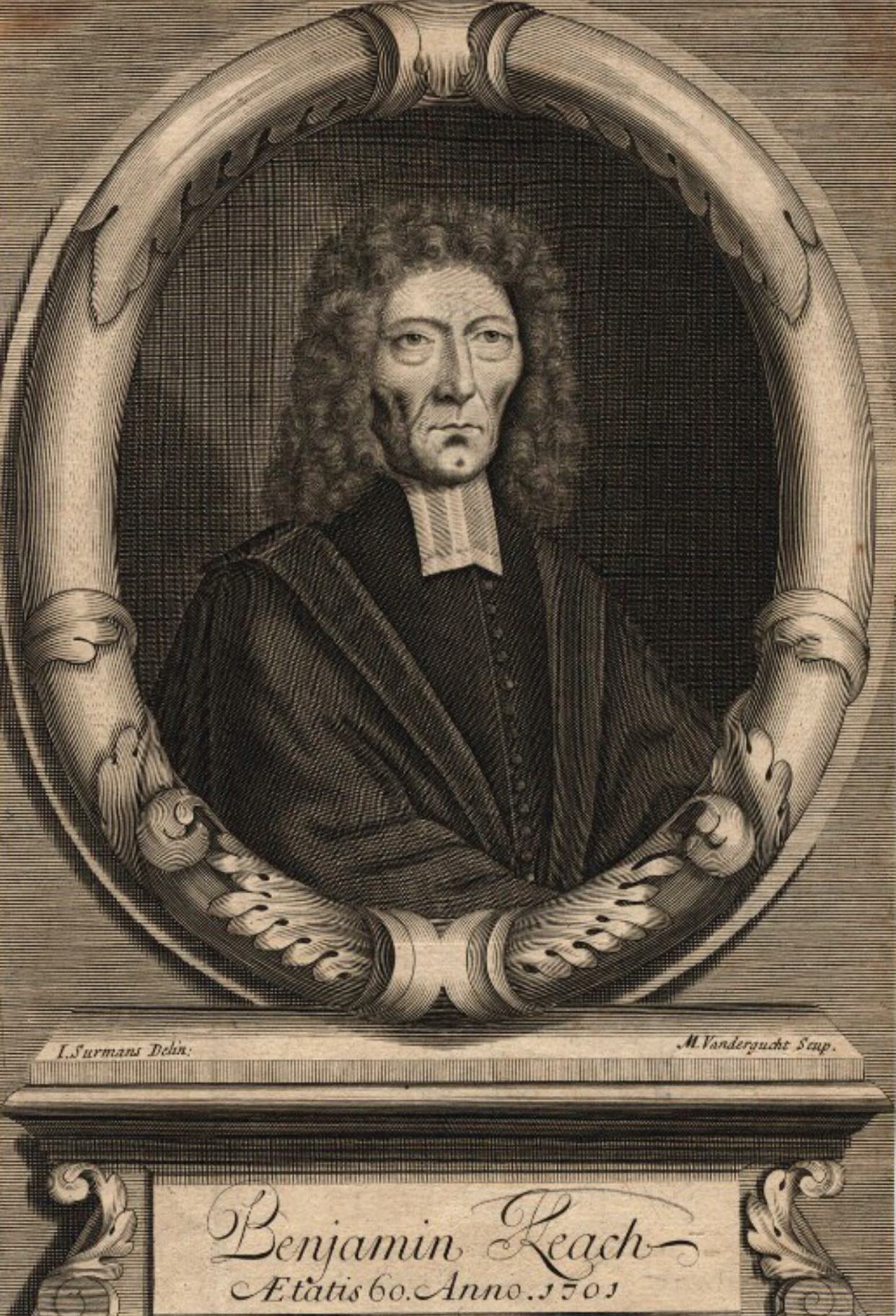
The article "The Life of Man Compared to a Flower" by Benjamin Keach explores the theological imagery of human life in relation to the fragility and transitory nature of flowers, as exemplified in Job 14:2. Keach emphasizes that like a flower, human life is marked by brevity and inevitability of death, asserting that we are born into a dying state. The author identifies various forms of death, both natural and violent, as the means through which God "cuts down" the flower of life. He reinforces this point with Scriptural references, particularly highlighting Psalm 103:15-16, which depicts the fleeting nature of human existence, thereby underscoring the sovereign wisdom of God in the timing of death. The practical significance of this comparison lies in its reminder of life’s fragility, prompting believers to reflect on their mortality and the fleeting nature of earthly existence in light of eternal truths.
Key Quotes
“He cometh up like a Flower and is cut down.” — Job 14:2
“We are born to die and we die as soon as we are born.”
“The owner of Flowers knows the best time to crop them; so God knows the best time to crop off or take away any of his choice Flowers.”
“As for Man, his days are as grass; as a Flower of the field, so he flourisheth.” — Psalm 103:15-16
What does the Bible say about the brevity of life?
The Bible compares life to a flower that blooms and quickly fades, emphasizing its transience.
Moreover, as the Psalmist observes in Psalm 103:15-16, 'As for man, his days are like grass; as a flower of the field, so he flourishes. For the wind passes over it, and it is gone, and its place remembers it no more.' This poetic imagery serves to remind us of the temporal nature of our lives and encourages us to reflect on how we spend our days, knowing that they are but momentary before the eternal God who holds our days in His hand.
Job 14:2, Psalm 103:15-16
How do we know that death is inevitable for everyone?
Scripture consistently teaches that death is certain for all humanity due to sin.
In addition, Ecclesiastes 3:2 reminds us, 'There is a time to be born and a time to die.' This acknowledgment of death’s certainty reinforces the belief that every individual will face this reality. Furthermore, the imagery of life being compared to a flower emphasizes the brevity of our existence. Just as flowers bloom and wither quickly, so too do our lives come to an end, underscoring the profound truth that death is an inevitable part of our human experience.
Romans 5:12, Ecclesiastes 3:2
Why is understanding the transient nature of life important for Christians?
Recognizing life's brevity leads Christians to prioritize eternal values over earthly pursuits.
Moreover, recognizing the fleeting nature of life inspires a sense of urgency in sharing the Gospel and serving others, acknowledging that our time is limited. It also deepens our appreciation for God's grace, as every day we are granted is a gift. Thus, an awareness of life's brevity instills a longing for the eternal joy promised in Christ, urging us to live as faithful stewards of His calling amidst life's ephemeral beauty.
Colossians 3:2
THE LIFE OF MAN COMPARED TO A FLOWER
"He cometh up like a Flower, and is cut down"&c., Job 14:2.
MAN is compared to a fading Flower. There are many rarities and excellences in a Flower. 1. Sweetness, to please our smell. 2. Beauty and variety of colour to affect the eye. 3. Softness, affecting the touch, &c. But Job speaks not a word of any of these properties, he speaks not of a flourishing but withering Flower; not of its springing up, but of its cutting down, or of its springing up, only in relation to cutting down.
PARALLELS.
I.. A Flower comes up in the spring, and seems very beautiful, but its standing is very short, as you may observe in the cowslip and divers other Flowers. So Man comes up, but his abiding here is short; his standing is so small, that it is not so much as mentioned. We are born to die, and we die as soon as we are born; i.e. we are in a dying state.
II. A Flower is oft-times cut down or cropped off in its budding. So is Man; he comes up like a Flower, and is cut down; he is cut down by death; death is the scythe which cuts down this Flower.
1. Natural death. (1.) By sickness. (2.) By age.
2. Violent death. (1.) Casual, when a Man is slain by accident. (2.) Cruel, when a Man is slain by murderers. (3.) Legal, when a Man is slain or cut off by the magistrate.
III. A Flower, if it be not cut or cropped off, yet it soon withers away and is gone. The very sun, the wind, and air consume its beauty. The naturalists tell us of a plant, called ephemeron, because it lasts but one day; as also of a worm, called hemerobion, because it lives but one day. Such a plant and worm is Man. The heathen poet gives his wonder and observation of the rose, that it grows old even in the very budding. The seventy read these words of Job in the same tenor, he decays like a budding Flower; as if death, saith Caryl, did rise early, and watch for this budding Flower to cut it down.. And though some of these Flowers stand till they wither, as Solomon in his allegory showeth; that is, till grey hairs. Yet all the time of their standing they have been falling, Ec 12:5; so that we may well say with the Psalmist, "As for Man, his days are as grass; as a Flower of the field so he flourisheth; for the wind passeth over it, and it is gone, and the place thereof shall know it no more,"Ps 103:15-16.
IV. The owner of Flowers knows the best time to crop them, &c. So God knows the best time to crop off or take away by death any of his choice Flowers. See Man compared to a Flower.

Comments
Your comment has been submitted and is awaiting moderation. Once approved, it will appear on this page.
Be the first to comment!