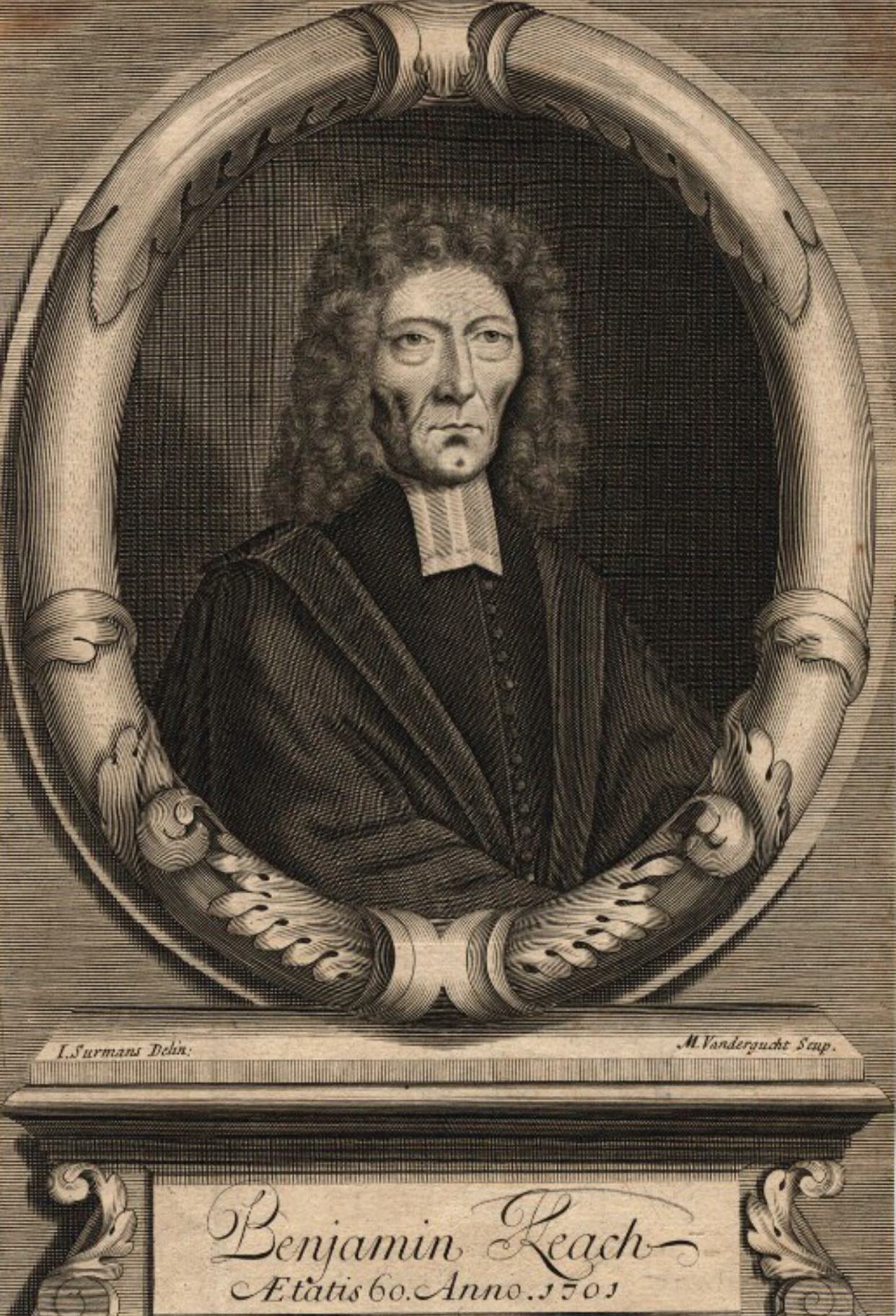
The article "The Life of Man Compared to a Shadow" by Benjamin Keach examines the transitory nature of human life in relation to various scriptural references. Keach argues that life is fleeting, ephemeral, and ultimately insubstantial, likening it to a shadow, vapor, or flower that quickly fades. He draws upon biblical passages such as Job 14:2, James 4:14, and Psalms 39:5 to illustrate life’s brevity and uncertainty, emphasizing the stark contrast between the eternal nature of God and the temporal existence of humans. The practical significance of this doctrine encourages believers to make the most of their limited time on earth, striving for spiritual growth and readiness for eternal life, rather than being consumed by earthly pursuits.
Key Quotes
“The Life of Man is short in comparison of those who lived before the flood, some then lived near a thousand years.”
“Man that is born of a woman is of few days &c He comes up like a Flower and is cut down; he flieth as a Shadow and continueth not.”
“Now is the accepted time, now is the day of salvation.”
“If our days here are few, let us get a well-grounded hope of living in heaven; for they never die who live in that kingdom.”
What does the Bible say about the brevity of life?
The Bible compares life to a shadow and a vapor, emphasizing its fleeting nature.
Job 14:2, James 4:14
Why is it important for Christians to understand their life is like a shadow?
Understanding life as a shadow reminds Christians to make the most of their time on earth.
Psalm 102:11, Matthew 6:33
How do we know that life is uncertain according to the Bible?
The Bible teaches that life is uncertain by comparing it to a shadow that can instantly vanish.
1 Chronicles 29:15
Why should Christians redeem the time given to them?
Christians should redeem their time to make the most of their short and uncertain lives.
Ephesians 5:15-16
THE LIFE OF MAN COMPARED TO A SHADOW
"He fleeth also as a Shadow, and continueth not" Job 14:2.
"For what is your Life; it is even a vapour, that appeareth for a little time, and then vanisheth away" Jas 4:14.
THE learned observe three sorts of Shadows. 1. Natural. 2. Civil. 3. Spiritual.
1. A natural Shadow is a dark light, caused by the coming of some thick body between us and the sun. This is a Shadow in a proper and strict acceptation.
2. By civil Shadow we understand protection, defence or safety, Isa 45:25.
3. Spiritual Shadow is taken for a dark and imperfect representation of divine things. So all the ceremonies of the law of Moses are called Shadows.
The whole Life of Man is but as a Shadow. "My days are like a Shadow that declineth," Col 2:17; Heb 8:5, and Heb 10:9; Ps 102:11.
PARALLELS.
I. A Shadow is next to nothing; what is there in a natural Shadow? So what is the Life of Man? he rather seems to live, than lives. A Shadow you know is opposed to a substance.
II. A Shadow is a very uncertain thing. So is the Life of Man. The Shadow, a Man may be under now, may, before, he is aware, be gone. A Shadow is as fleeting and uncertain a thing, as any thing in the world. "Our days on earth are as the Shadow," 1Ch 29:15. How is it there is no abiding, no certainty of our Lives?
III. A Shadow is very swift in motion; what flies more swiftly than a Shadow? as common experience shows. So the Life of Man is gone in a moment, like lightning; a dream, a bubble, the flower of the field, or a flying Shadow. Our days on earth are as a Shadow; that is, they fly swiftly away like as a Shadow, and there is no abiding. Avapour is much of the nature of a Shadow.
INFERENCES.
First, from all these similitudes we may infer, that the Life of Man is very short, Ms days swiftly pass away.
"Man that is born of a woman is of few days, &c. He comes up like a Flower, and is cut down; he flieth as a Shadow, and continueth not. His Life is like wind, like a cloud or vapour,"&c. All swift and fleeting things.
"Behold thou hast made my days as an Hand-breadth," Ps 39:5. The largest extent of the breadth of an hand is but a span; the lesser extent only four fingers. To which the measure of Man's Life is compared.
I. Man's Life is short in comparison of those who lived before the flood; some then lived near a thousand years.
II. Much shorter when compared with the Life of God, who is from everlasting, without beginning and without ending.
Secondly, This may stir us all up, or be a great motive to us to improve and redeem our time. "This, I say, brethren, the time is short."
I. Be persuaded your days are few. It is easy to say it, but hard to believe it, and live in the sense of it. The child hopes to be a Man; a Man hopes to be an old Man; and he that is very old hopes to live yet many days.
II. Be persuaded thy days are uncertain; when thou liest down, thou knowest not whether thou shalt rise any more or no; when thou goest out, thou knowest not whether thou shalt return any more or no. What a small thing may take away thy Life!
III. Learn from hence to get a true measure of your days. David desired a measure of his days, that he might know how frail he was. Some do not measure their days by the King's standard; they measure their days by the Life of their progenitors. My father and my grand-father, saith one, lived so long, and why may not I live as long as they did? Others measure their days by their present health and strength: Others by the sound and healthy constitution of their bodies. Now these things are not a fit nor lawful measure of your days, but rather those things of which you have heard, viz., the weaver's shuttle, the morning dew, the flower of the field, the early cloud, the shadow and vapour that flieth away.
IV. This may reprove and show the folly of many wicked Men, who like the rich Man in the Gospel, say in their hearts, "We have goods laid up for many years, take your ease, eat, drink, and be merry,"&c., Lu 11:19. "Their inward thought is, that their houses shall continue for ever, and their dwelling-places to all generations." Ps 49:11.
V. It may tend to strengthen the Godly under afflictions. Let them strive to bear up with patience. All their days are but few, and therefore the days of sorrow cannot be many.
VI. It may stir up all to labour to take hold of eternal life. If our days here are few, let us get a well-grounded hope of living in heaven; for they never die, who live in that kingdom.
VII. Let us also endeavour to improve the opportunity of time; I mean those gracious advantages God is pleased to afford us for the everlasting good and well-being of our souls when time and days shall be no more. Men of the world take great care to improve all opportunities to enrich themselves, or increase their outward substance. They will not lose their market-time, nor change-time, nor fair-time. They will be sure to come early enough, and every way to bestir themselves with wisdom and diligence: And shall not we be as wise and as diligent for the enriching our souls? Shall we slight seasons, sabbaths, sermons, convictions, &c. Let all remember, "now is the accepted time; now is the day of salvation," 2Co 6:2. Now, whilst it is called to-day, or never; now sinners may get an interest in Christ, union with God, the gifts and graces of the Spirit; now they may obtain pardon of sin, and peace of conscience; now there is a prize put into their hands; they may be made for ever, if they look wisely about them, now they may be made heirs of God, heirs of a kingdom, heirs of a crown, of a crown of life, of a crown of glory, of a crown that fadeth not away. But if they lose the present opportunity, they may never have the like again. Time is, but in a very short space, it may be said, time was, nay, time is past. Will it not be sad to hear God tell thee, and conscience tell thee, on thy death-bed, now time is past, it is too late now, these things shall be denied you now, you must perish for ever, and be damned in your sins.

Comments
Your comment has been submitted and is awaiting moderation. Once approved, it will appear on this page.
Be the first to comment!