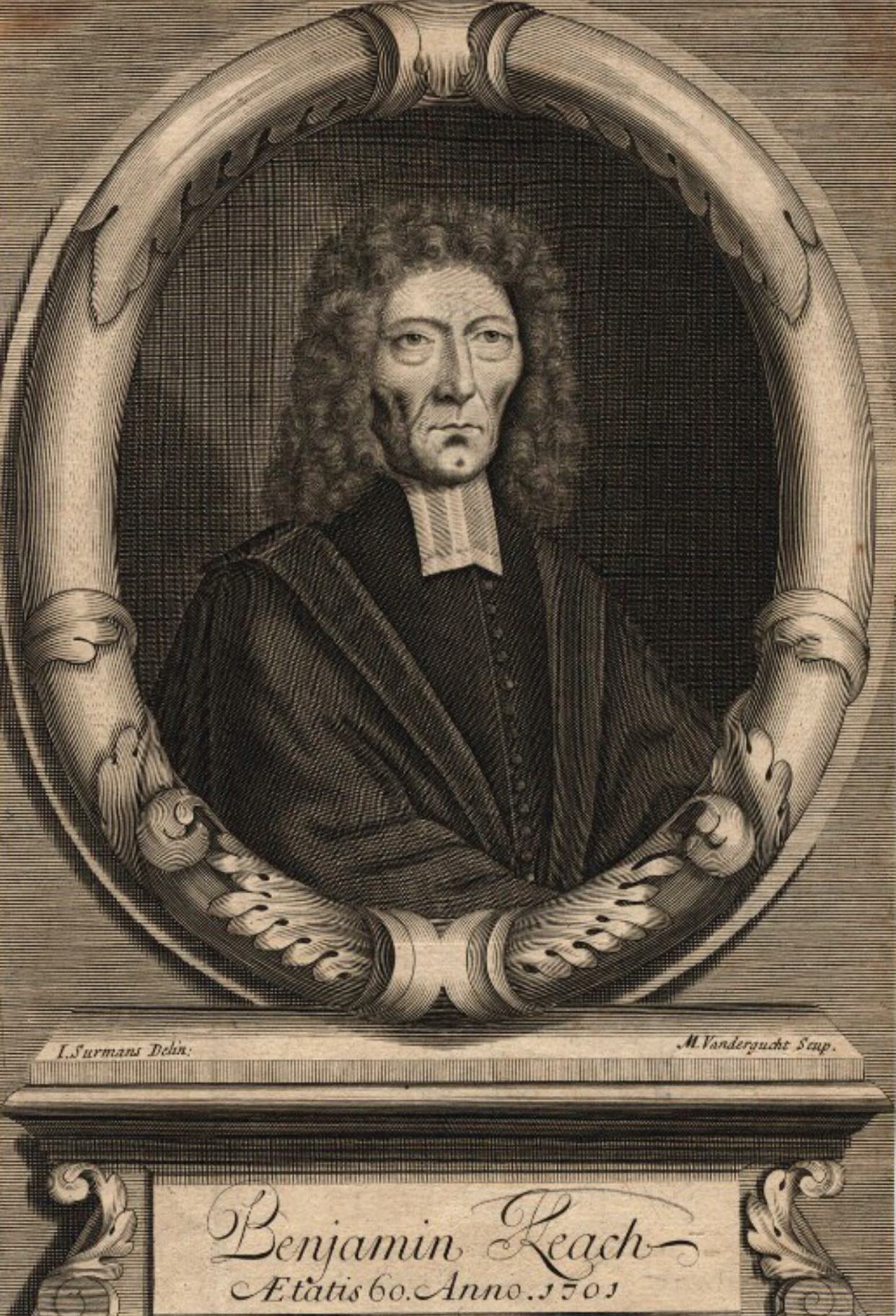
The article "The Judgment-Day Compared to an Assize" by Benjamin Keach examines the theological implications of the final judgment, likening it to a judicial proceeding, or assize, to elucidate the nature of Christ's role as the ultimate Judge. Keach argues that Jesus Christ, appointed by the Father, will preside over this judgment with authority and clarity, as indicated in John 5:22, where the Father grants all judgment to the Son. He draws parallels between a human judge and Christ by discussing the sounding of trumpets (1 Corinthians 15:52), the standard of judgment based on divine law (including the law of Moses and the Gospel), and the participation of saints in this process (Revelation 3:21). The significance of this doctrine emphasizes the seriousness of judgment day, reinforcing Reformed doctrines on divine justice and the eternal consequences of sin, thus urging believers to live in light of this impending reality.
Key Quotes
“Jesus Christ is appointed to be the Judge of quick and dead by the Father King of heaven and earth.”
“The trumpet shall sound and the dead shall be raised incorruptible.”
“Every man's conscience sbould be more than ten thousand witnesses against him and all mouths shall be stopped.”
“Christ will at the last day after the sentence of condemnation order the execution of the wicked and appoint them the place where and the time how long they shall suffer.”
What does the Bible say about the Judgment Day?
The Bible describes the Judgment Day as a time when all will appear before the judgment seat of Christ, where He will judge the living and the dead.
2 Corinthians 5:10, Revelation 20:11
How do we know Jesus will judge the living and the dead?
Jesus is appointed by the Father to be the judge of all, as stated in John 5:22.
John 5:22
Why is understanding the Judgment Day important for Christians?
Understanding the Judgment Day reinforces the seriousness of sin and the importance of living according to God’s laws.
Romans 2:14-16
THE JUDGMENT-DAY COMPARED TO AN ASSIZE
"For we must all appear before the Judgment-seat of Christ" 2Co 5:10.
"And I saw a great while throne, and him that sat on it" &c., Re 20:11.
AFTER the resurrection comes the Judgment, the eternal Judgment.
NOTE,---The Judgment-day may fitly be compared to an Assize, or general gaol -delivery.
PARALLELS.
I. There is a judge appointed by the king, or supreme power of the nation or kingdom, where an Assize is to be held, who receives his commission and acts by the authority thereof. Jesus Christ is appointed to be the Judge of quick and dead, by the Father, King of heaven and earth. "The Father judgeth no man, but hath committed all power to the Son," Joh 5:22.
II. The judge likely comes to the bench or judgment-seat with the sound of trumpets: Christ will come to the Judgment-seat with the sound of a trumpet. "The trumpet shall sound, and the dead shall be raised incorruptible," 1Co 15:52.
III. There is a known law or laws in a kingdom, by which the judge heareth and determines all causes. So there is a known law or laws, by which Jesus Christ will judge and determine all causes in the great day, viz., the law of Moses, the law of nature, and the law of Christ, called the book of the Gospel. "The Books shall be opened," Re 20:12.
IV. The judge hath many honourable persons that sit on the bench with him. So Jesus Christ will have all the Saints sit with him on the throne of judgment, who shall assent and consent to whatsoever he shall do in that day. Hence it is said, the saints shall judge the world. "He that overcometh will I grant to sit with me on my throne: even as I also overcame and am sat down with my Father in his throne," Re 3:21.
V. A Judge at Assizes, after he hath read his commission and given his charge, calls for the prisoners. So Jesus Christ will orderly proceed, and call before him all nations, all the ungodly that ever lived on the earth, shall be arraigned by him, being brought before his judgment-seat.
VI. A judge having arraigned the prisoner, calls in the witnesses, and then suffers every man to speak what he hath to say for himself. So Jesus Christ will call in witnesses, and indeed every man's conscience sbould be more than ten thousand witnesses against him; and all mouths shall be stopped, and every ungodly man shall be found guilty before Christ, Ro 2:14-16.
VII. A judge, after he hath found men guilty, and cast them for their lives, passeth the sentence. So Jesus Christ will at the last day, after the sentence of condemnation, order the execution of the wicked, and appoint them the place where, and the time how long they shall suffer; the place will be hell, the time will be for ever and ever. See Christ the Judge of all.
VIII. A judge, after the sentence is past, orders the manner, time, and place of execution: so Jesus Christ will at the last day, after the Sentence of condemnation, order the execution of the wicked, and appoint them the place where, and the time how long they shall suffer: the place will be hell, the time will be for ever and ever. See Christ the Judge of all.

Comments
Your comment has been submitted and is awaiting moderation. Once approved, it will appear on this page.
Be the first to comment!