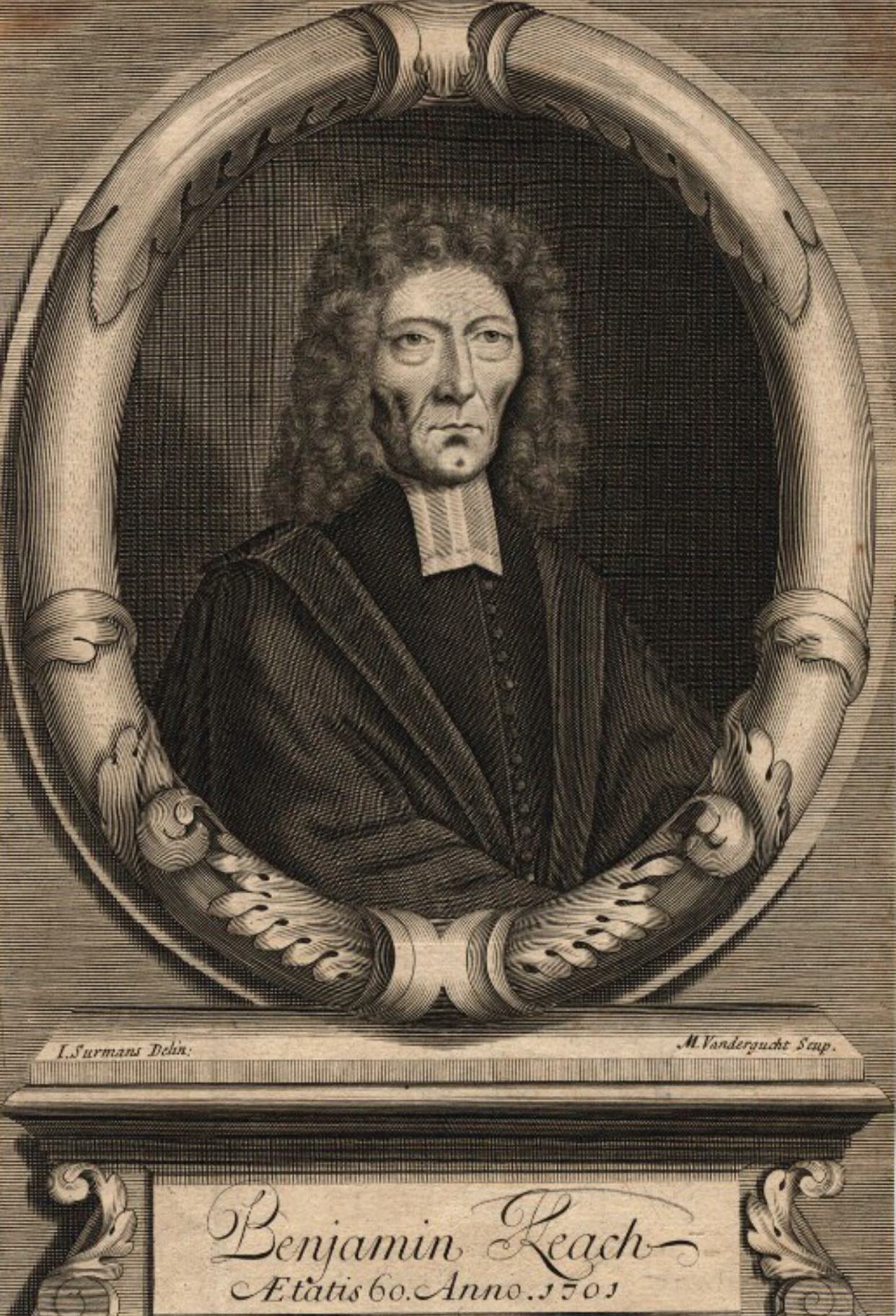
The article "The Celestial Paradise" by Benjamin Keach examines the theological concept of Paradise in both an earthly and a heavenly sense, contrasting the Garden of Eden with the eternal state of believers in heaven. Keach outlines several parallels between the two states, highlighting how earthly Paradise was created as a place of pleasure, joy, and communion with God, mirroring the much greater and perfect joy of the Celestial Paradise. He references several Scripture passages including Luke 23:43, 2 Corinthians 12:2, and Revelation 2:7, which collectively affirm the biblical depiction of heaven as a place where believers will experience fullness of joy, freedom from sin, and eternal communion with God. The article underscores the Reformed theological position on the eternal security and the transformative glory awaiting the saints, emphasizing that unlike Adam, who fell from the earthly Paradise, believers in Christ will remain in the heavenly Paradise forever.
Key Quotes
“Paradise was a place of pleasure...So heaven is a place of pleasure.”
“In heaven the godly are delivered from every mixture of evil, God shall wipe away all tears from their eyes.”
“The saints shall be perfect in knowledge; they shall know as they are known.”
“Those who are accounted worthy to obtain this heavenly paradise shall never lose it nor be turned out of it.”
What does the Bible say about Paradise?
The Bible describes Paradise both as the earthly garden of Eden and as the heavenly place of glory.
Luke 23:43, 2 Corinthians 12:2, Revelation 2:7
How do we know Heaven is a place of joy?
Heaven is described in Scripture as a place of fullness of joy and eternal pleasures.
Psalm 16:11, Revelation 21:4
Why is the tree of life significant in Paradise?
The tree of life represents eternal life and fellowship with Christ in Paradise.
Revelation 2:7
What is the difference between the earthly Paradise and the celestial Paradise?
Earthly Paradise was temporary and tainted by sin, whereas celestial Paradise is eternal and free from evil.
Genesis 2:19, Revelation 21:4
THE CELESTIAL PARADISE
"Verily I say unto thee, this day thou shalt be with me in Paradise," Lu 23:43.
"He was taken up into Paradise" 2Co 12:2.
"To him that overcometh, will I give to eat of the tree of life, which is in the midst of the Paradise of God," &c., Re 2:7.
PARADISE is taken in the holy Scripture in a two-fold sense.
1. For the garden of Eden; this is earthly Paradise.
2. For Heaven, the seat or place of glory; this is Celestial Paradise.
Now the earthly Paradise being a figure of Heaven, I shall in the opening of this run the parallel principally with respect to the garden of Eden, and the state of Adam in innocency.
PARALLELS.
I. Paradise, or the garden of Eden, was a place of pleasure. So Heaven is a place of pleasure.
II. Paradise was a place created of God, and appointed for man, whilst he stood in the state of innocency. So heaven is created of God, and appointed for all those who obtain, through Christ, perfect righteousness, their primitive glory and innocency.
III. Adam in paradise, had all delight, joy, and pleasure his heart could desire, he wanted nothing to make his life sweet and pleasant to him: so the saints in Heaven, have the fullest joy, pleasure, and satisfaction imaginable; there is nothing wanting they can desire to please and delight them. "Thou wilt show me the path of life; in thy presence is fulness of joy, and at thy right-hand pleasures for evermore," Ps 16:11; 36:8. They drink of the rivers of God's pleasures. A river abounds with water; so doth heaven, like Paradise, with divine and sacred pleasures.
IV. Adam in paradise knew no sorrow, he had joy without sadness, strength without "weakness, health without sickness, light without darkness, life without death; for death had nothing to do with him whilst he stood in his innocency: so in heaven the godly are delivered from every mixture of evil, "God shall wipe away all tears from their eyes, and there shall be no death, neither sorrow, nor crying, neither shall there be any more pain, for the former things are past away," Re 21:4. Here is joy without sadness, strength without weakness, health without sickness, light without darkness, life without death.
V. Adam in Paradise, before tempted by the devil, knew no sin; he was free, absolutely, free from the least stain, he had not so much as an evil thought, he was created in the image of God, being perfectly righteous: so in heaven the saints shall be free from sin, perfectly free, not only free from the guilt, filth, power, and punishment of it, but also from the act of it; they shall not be troubled with one evil thought more, they are without fault before the throne of God and the Lamb.
VI. Adam in Paradise enjoyed the sweet and blessed presence of God, he conversed, and had glorious acquaintance and communion with him; God and man lived then in perfect peace and friendship, there was no breach, because no sin, and so God's face was not hid from him: so in heaven, all the godly enjoy the sweet and soul-ravishing presence of God, and of Jesus Christ; "Where I am, there shall my servant be," Joh 12:26. "And if I go and prepare a place for you, I will come again, and receive you to myself, that where I am ye may be also," Joh 14:3. "So shall we ever be with the Lord," 1Th 4:17. Saints there have the fruition of God and of Christ, "for we shall see him as he is," 1Jo 3:2; and this is the highest glory man can be raised to, we shall not only see God and the Lamb, but be filled with the joy and delight of God and Jesus Christ. Heaven from hence is called the joy of the Lord, if the perfect enjoyment and participation of the glorious Trinity, or fulness of it, so far as it is capable of communication, can delight and fill the soul with joy and happiness, the godly in heaven shall have it; God's face will never be hid from his children any more, there will be no more a breach between the soul and its Saviour.
VII. Adam in Paradise had the tree of life, and liberty, before he sinned, to eat of the tree of life: so in this Paradise of God, we read of the tree of life, which, as some understand, is Jesus Christ; "And to him that overcometh, will I give to eat of the tree of life, which is in the midst of the Paradise of God," Re 2:7, which doubtless signifies the glorious participation of the life, fulness, and transcendent sweetness of the Lord Jesus, and of the continuance of the life of the saints, in its full strength, vigour, and glory to eternity.
VIII. Adam, in Paradise had great knowledge, both of God, and the nature of all creatures; God brought all the creatures to Adam, to see what he would call them, and whatsoever Adam called each living soul, that was the name thereof, Ge 2:19. The naming of the creatures, saith Aiusworth, was a sign of sovereignty; it also manifested Adam's wisdom, in naming things presently, according to their natures: as the Hebrew names, by which he called them, do declare: so the saints in heaven shall be perfect in knowledge, they shall know as they are known, they shall know all the patriarchs, prophets, apostles, and all the saints that ever lived, by name, which we may gather by that knowledge, Peter, James, and John, had of Moses and Elias, in the transfiguration of Christ in the mount, which was a figure in heaven.
DISPARITY.
I. ADAM'S pleasure and delight in Paradise was much of it earthly: but the saints pleasure and delight in the Celestial Paradise will be heavenly.
II. Adam in Paradise was troubled with a tempting devil: but the saints in the Celestial Paradise shall not be troubled any more with a tempting devil, for he shall be shut up in chains of eternal darkness, to be tormented for ever.
III. Adam soon lost his earthly Paradise, by sin, and was turned out of all: but those who are accounted worthy to obtain this heavenly paradise, shall never lose it, nor be turned out of it, but continue in it for ever and ever, even to the days of eternity.

Comments
Your comment has been submitted and is awaiting moderation. Once approved, it will appear on this page.
Be the first to comment!