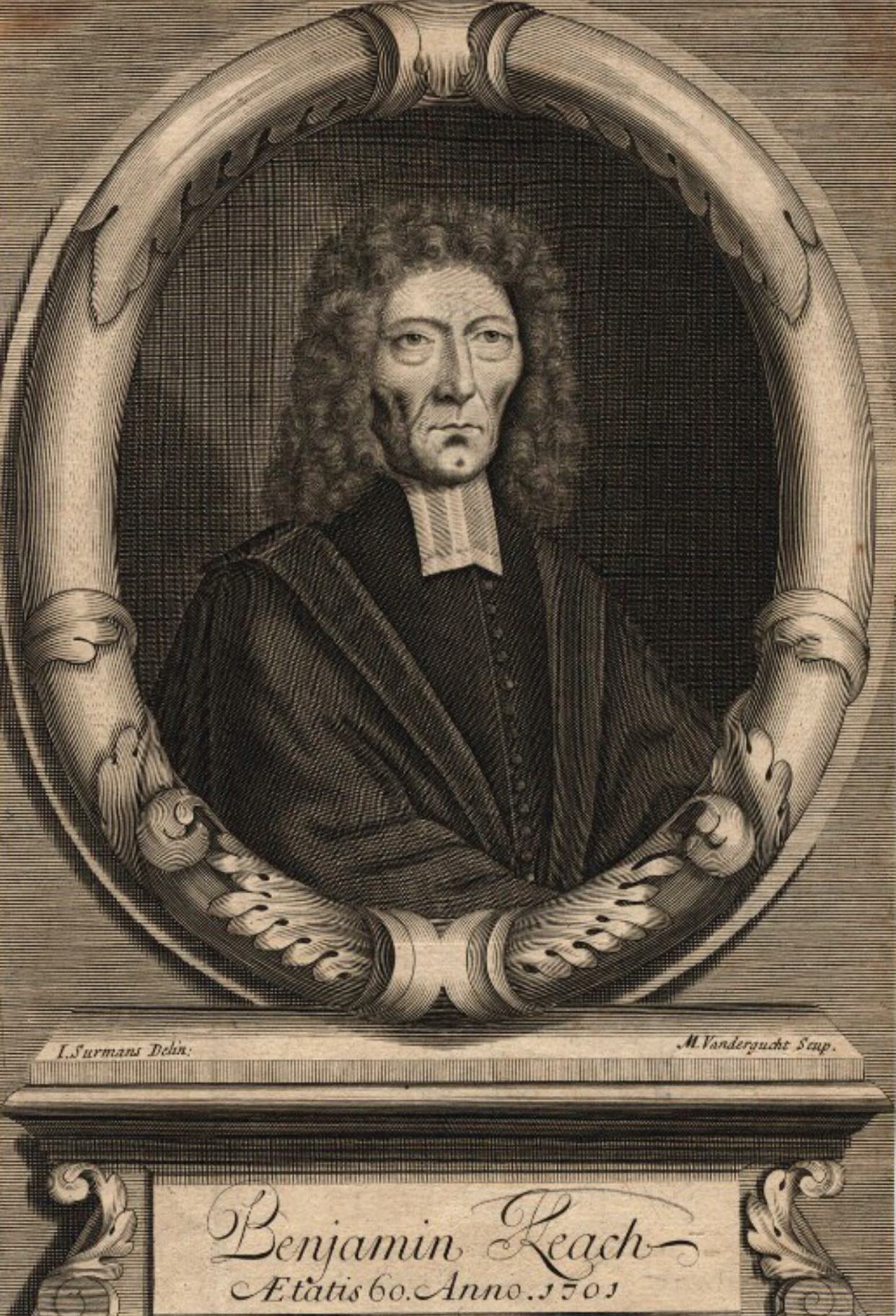
The article "Hell a Furnace of Fire; the Place of the Damned" by Benjamin Keach explores the doctrine of hell as a place of eternal punishment for the ungodly, employing the imagery of a furnace of fire to illustrate its torment. Keach argues that the sufferings experienced in hell are unparalleled in intensity, surpassing any earthly pain or suffering, and that the eternal nature of these torments sets hell apart from temporary earthly punishments. He references Scripture, particularly Matthew 13:42 and Revelation 21:8, as foundational texts that depict hell's fire and unending suffering, emphasizing the hopelessness of the damned. The significance of this doctrine underscores the grave consequences of living a life of unrepentant sin, reinforcing the necessity of faith in Christ for salvation within a Reformed understanding of sin and grace.
Key Quotes
“Hell is a place of torment prepared for all wicked and ungodly men who live and die in their sins.”
“The torment of a Fiery Furnace can reach but the outward man; it cannot destroy the soul, but the torments of Hell reach to the very soul...”
“Therefore, called everlasting Fire now to add eternity to extremity and then you will perceive Hell to be Hell indeed.”
“O what an alarm may those two Scriptures among many sound in the ears of wicked and ungodly men...”
What does the Bible say about hell?
The Bible describes hell as a place of torment, likening it to a furnace of fire where the wicked suffer eternally.
Matthew 13:42, Revelation 21:8
How do we know that hell is real?
The reality of hell is affirmed by Scripture, with Jesus frequently speaking of it as a place of eternal punishment.
Matthew 25:41, Luke 16:23
Why is understanding hell important for Christians?
Understanding hell helps Christians grasp the severity of sin and the importance of God's grace and redemption.
1 Corinthians 6:9-10
HELL A FURNACE OF FIRE; THE PLACE OF THE DAMNED
"And shall cast them into a Furnace of Fire, there shall be wailing and gnashing of teeth," Mt 13:42.
WE are now drawing towards a conclusion; it remains only, that we speak something concerning Hell, which is the Place prepared for the Damned, the torment of whom is set forth by Fire, by a Furnace of Fire, and by utter darkness. It hath been a long and ancient controversy, whether Fire here is to be taken properly or figuratively? I shall not undertake to determine, whether it be real Fire or not: doubtless the torment of the wicked will be worse than it is to be cast into any Furnace of elementary Fire. The schoolmen affirm, that the least torture in Hell, exceeds the greatest that can be devised by all the men on earth; even as the least joy of heaven, surpasseth the greatest comforts of this world, &c. There is scarce any pain here on earth, but there is some hope of ease, mitigation, or intermission; but in Hell, their torments are easeless, remediless, and they themselves left hopeless, helpless, and pityless. However, we will run a parallel between a Furnace of Fire, and the Place of the Damned; for in some things there is a fit resemblance.
PARALLELS.
I. A Furnace of Fire, hath been prepared as a Place of torment; the king of Babylon caused a Furnace to be heated exceeding hot, and that whosoever would not bow down to his golden image should be cast into it: Hell is a place of torment prepared for all wicked and ungodly men, who live and die in their sins, Re 21:8.
II. A Furnace of Fire that is heated exceeding hot, is very terrible and amazing to him, who for his wicked deeds is told he must be cast therein: so Hell is a very terrible and amazing thing to think upon; how lamentable is the thought of it to a guilty sinner, that is awakened, that sees no remedy, but thither he must go!
III. What torment can he greater than to be cast, into a burning Fiery Furnace? so what torments can be greater than the torments of Hell?
DISPARITY.
I. A Fiery Furnace though terrible and painful, yet it puts an end to the lives of those that are thrown into it, and the hotter it is, the sooner it dispatcheth them out of their pain; but the torments of Hell put no end to the tortured, neither can the Damned die, but have an ever-dying life, and an everlasting death: it is a death which hath no death, "The worm dieth not."
II. The torment of a Fiery Furnace can reach but the outward man, it cannot destroy the soul: but the torments of Hell reach to the very soul, called the perdition or destruction of ungodly men, both of soul and body.
III. The hottest Furnace in the world may abate its heat for want of fuel, and at length he wholly extinguished; however its terrors and pains are but short and momentary: but the tormenting Fire of Hell never abates its heat, nor ever goeth out, therefore called everlasting Fire; now to add eternity to extremity, and then you will perceive Hell to be Hell indeed.
IV. Other Fire may be quenched: but the Fire of God's wrath, or Hell Fire, shall never be quenched, ut supra.
INFERENCES.
THAT as there is no greater cause of magnifying Christ, than for redemption-mercy, and so of joy unspeakable, and full of glory: so there is no greater cause of sorrow, and intolerable misery, than to live and die in sin, and so to be cast both body and soul into Hell Fire. O! what an alarm may those two Scriptures among many sound in the ears of wicked and ungodly men, "Be not deceived, neither fornicators, nor idolaters, nor adulterers, not effeminate, nor abusers of themselves with mankind, nor thieves, nor covetous, nor drunkards, nor rafters, nor extortioners, shall inherit the kingdom of God," 1Co 6:9-10. But whither then must they go? See Re 21:8. "But the fearful, and unbelieving, and the abominable, and murderers, and whoremongers, and sorcerers, and idolaters, and all liars, shall have their part in the lake which burneth with Fire and brimstone, which is the second death."

Comments
Your comment has been submitted and is awaiting moderation. Once approved, it will appear on this page.
Be the first to comment!