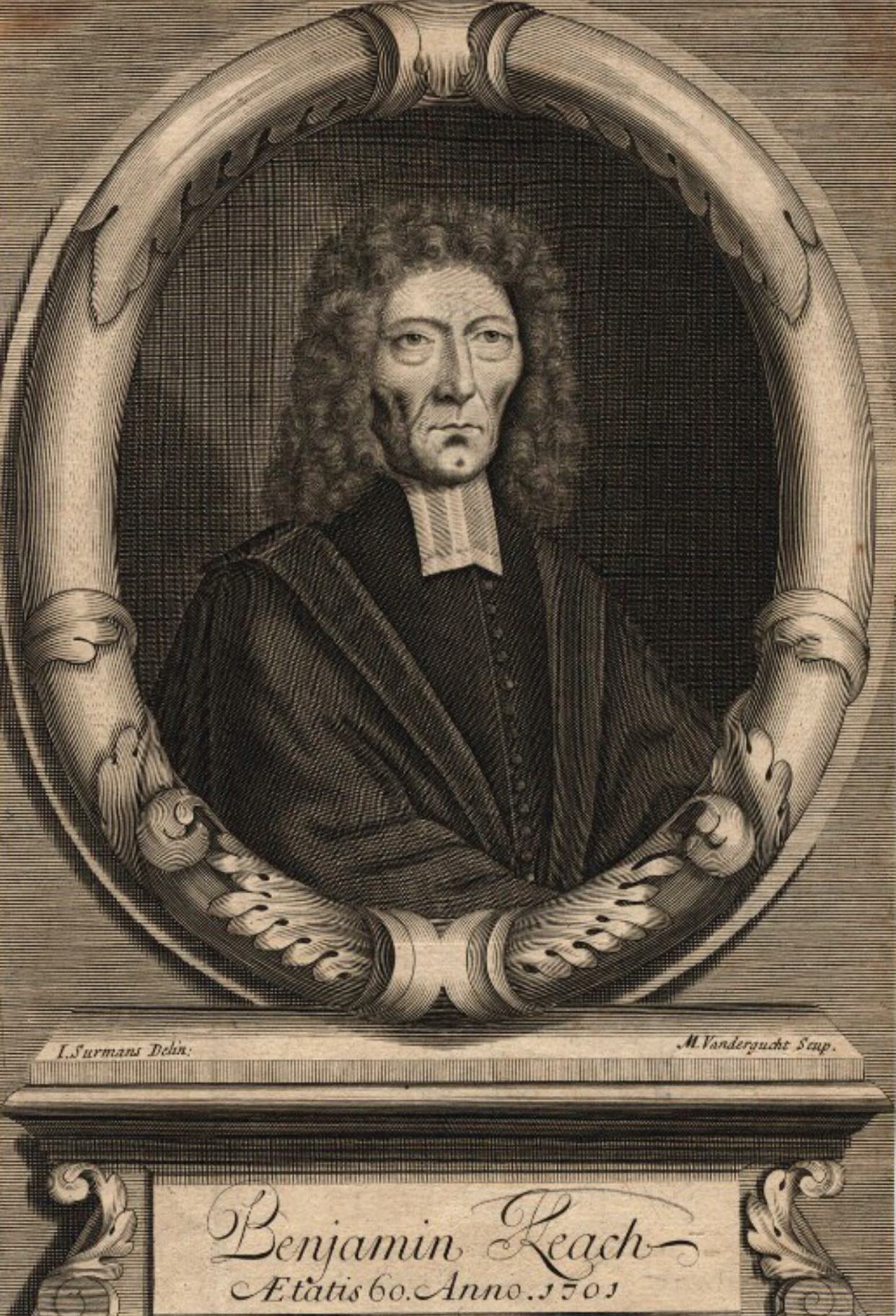
The article by Benjamin Keach focuses on the theological significance of the Tabernacle as a type of Christ and the Church. Keach argues that the Tabernacle's structure and purpose point to Christ's human nature and ongoing relationship with His people, emphasizing that God meets humanity through Christ. Key Scripture references such as John 1:14 (regarding the Word dwelling among us) and Exodus 25:40 (concerning the faithful adherence to God's design) support the assertion that the Tabernacle foreshadows both Christ and His body, the Church. Practically, Keach highlights that true access to God and spiritual communion requires holiness and faith, as believers navigate their wilderness journey while maintaining a commitment to worship and doctrine aligned with Scripture.
Key Quotes
“The Tabernacle in some respects according to the learned was a Type of Christ's human nature.”
“It is in and through him we come to know or have the true revelation of his will and enjoy his gracious presence.”
“The entry to the holiest of all was by the holy place and to the holy place was by the outer court.”
“The Tabernacle and all the instruments thereof ... must be made according to the pattern showed in the mount.”
What does the Bible say about the Tabernacle?
The Tabernacle symbolizes Christ's human nature and the place where God meets His people.
John 1:14, Exodus 25:40
How do we know the Tabernacle represents the Church?
The Tabernacle signifies the Church, being a dwelling place for God and illustrating the fellowship of believers.
Exodus 25:8, Hebrews 10:19-22
Why is the Tabernacle important for Christians?
The Tabernacle reveals the nature of Christ and the way to access God's presence.
John 10:7, Exodus 25:40, Hebrews 9:24
THE Tabernacle in some respects, according to the learned, was a Type of Christ's human nature.
(1.) It was exceeding glorious within, all the inward parts thereof were overlaid with pure gold. This might signify how the human nature of the Son of God was covered with the Deity; that being the true tabernacle that God hath pitched, and not man. St. John saith, the word dwelt, or tabernacled amongst us, speaking of his being in our flesh, or taking upon him our nature, it being conceived by the Holy Ghost, and not erected by man.
(2.) The Tabernacle was the place where God met with his people; now God meets with his people in Christ, it is in and through him, we come to know or have the true revelation of his will, and enjoy his gracious presence, &c. Those who would be accepted with God, and worship him aright, must wait at the door of this spiritual Tabernacle.
Others understand by the Tabernacle, the Church, or mystical body of Christ, wherein God graciously dwells, and hath promised also to meet his people.
1. It was moveable, signifying the 'troublesome state of God's people whilst they pass through the wilderness of this world.
2. The Tabernacle had three places. 1. The outward court, where stood the brazen altar. 2. The holy place. 3. The holiest of all. In the first, it typifies forth the visible or outward form of the Church, in respect of the external exercise of religion and worship, hither the common people may come. The second typified out the spiritual state, or more close and holy fellowship of the Church, which none have admittance into, but sincere and sanctified persons, who feed upon the spiritual and true shew-bread, Jesus Christ. The third typified heaven itself, or the Church of God triumphant, where Christ is set down in glory, at his Father's right-hand, to intercede for us.
3. The entry to the holiest of all, was by the holy place, and to the holy place, was by the outer court, &c. So our entry into heaven, is by being members of the visible Church, through faith, and a good conscience. He that would enter into the holiest of all, must first be holy; and he that would come into a state of true holiness, and communion with God and his people, must learn to know where the candlestick and true shew-bread stands, which is the invisible Church.
4. You read of the fixed pillars of the holy place; they might signify the holy apostles of Jesus Christ, and his faithful ministers, who help to support the spiritual structure, the Church, as pillars do support a house, &c.
5. The divers ornaments and instruments thereof, might signify the diversity of spiritual gifts and graces in the Gospel-Church; the Tabernacle was exceeding glorious within, and all the inward parts thereof were overlaid with pure gold: so inwardly, the Church of God is very beautiful, the king's daughter is all glorious within, Ex 35., Ps 45.
6. The several coverings thereof, typified the Lord's sure and safe protection of his Church, by his own immediate power and gracious ministrations of angels.
7. Gold within, and skies without; might signify, though the Church is glorious within, yet outwardly, to the sight and view of carnal men, she hath no beauty, but is looked upon as contemptible.
8. The Tabernacle and all the instruments thereof; yea, the very ash-pans, and snuffers of the candlestick, must be made according to the pattern showed in the mount; which figured forth, that the Church of God, and all the exercise of worship that is therein, whether doctrine or discipline, must be exactly according to the express written word; nothing must be added to, nor diminished from, no alterations one way or other must be made, Ex 25:40.
8. The voluntary oblation of the people to build the tabernacle, signifies how willing Christians should be to contribute of their outward substance to uphold God's Church, and the public worship thereof.
10. The glorious door of the tabernacle, might be a figure of Christ, who saith, "I am the door,"Joh 10:7; it is by him we enter into the kingdom of grace and glory.

Comments
Your comment has been submitted and is awaiting moderation. Once approved, it will appear on this page.
Be the first to comment!