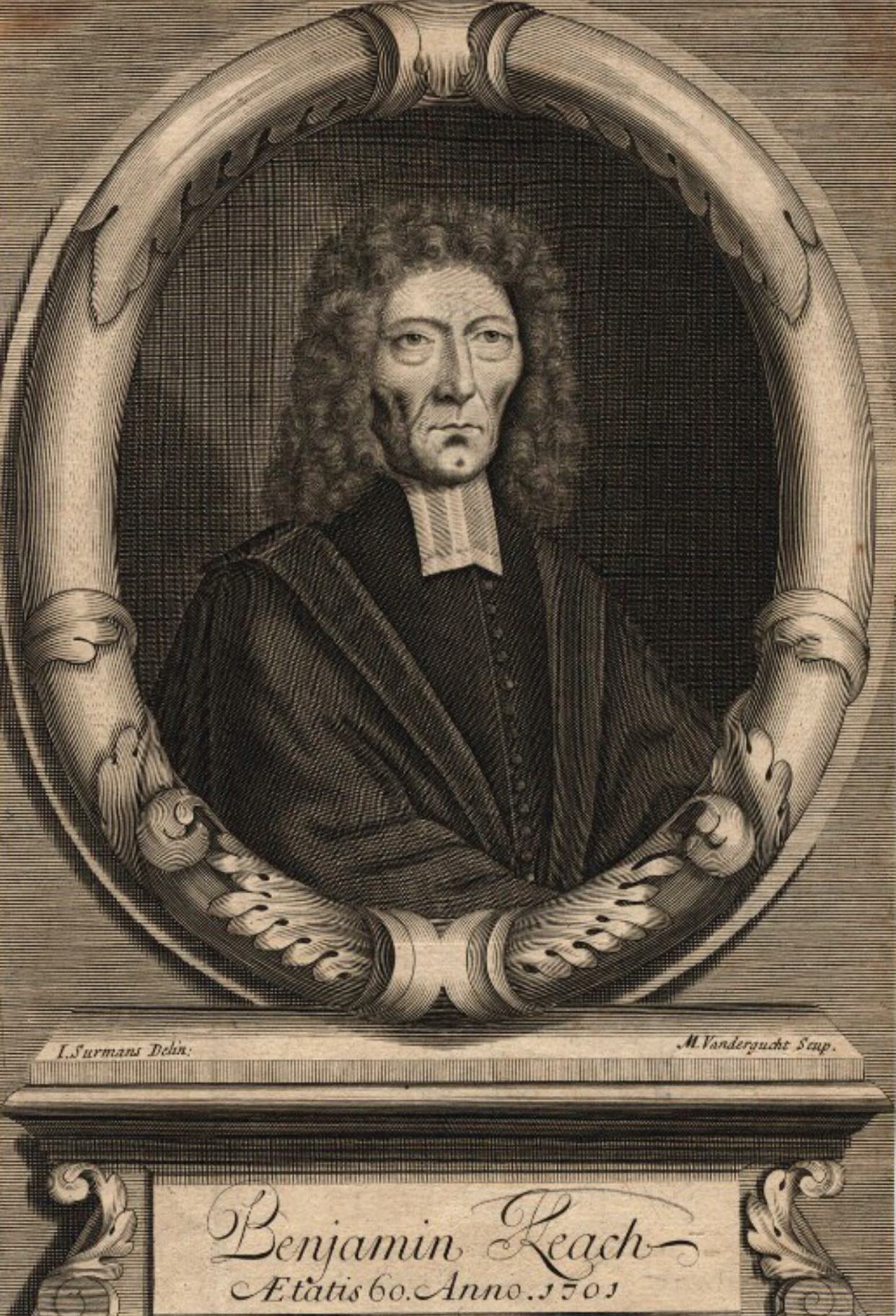
The article "The Altar of Perfume a Type of Christ" by Benjamin Keach expounds on the theological implications of the altar of incense as representing Christ in His dual natures and His role as Mediator. Key arguments emphasize that the altar, crafted from incorruptible wood and overlaid with gold, symbolizes Christ's divine glory and human humility, with references to Exodus 30:1-10 emphasizing its significance. Keach discusses the theological importance of incense in prayer, suggesting that true prayers must be offered in Christ's name and prepared with sincere intentions, supported by Scripture from Revelation 8:3-5, Psalm 51, and Romans 8:26. The doctrinal significance lies in understanding that all prayers must be directed towards God with a humble heart, and no strange incense—i.e., prayers deviating from God’s will—should be offered, underlining the exclusivity of Christ's mediation in the believers' prayer life.
Key Quotes
“The Altar signified Christ in both his natures his Deity yielding glory to his humanity and now crowned with glory and majesty at God's right hand.”
“All our prayers and services must be performed in Christ's name or offered up upon the golden Altar of his mediation.”
“The incense was to be perpetually before the Lord which signified not only the continual exercise of prayer which daily we should use but also the perpetual intercession of our Saviour in the heavens for us.”
“No strange incense was to be offered upon this Altar... we must offer up no strange prayer no prayer to saints nor angels.”
What does the Bible say about the role of Christ as our High Priest?
The Bible teaches that Christ serves as our High Priest, mediating between God and humanity.
Hebrews 7:25, Revelation 8:3-5
How do we know that prayers must be offered in Christ's name?
Prayers must be offered in Christ's name as shown in Revelation 8:3-5, which cites the golden altar of incense.
Revelation 8:3-5, Exodus 30:1-10
Why is the incense altar significant for Christian prayer?
The incense altar signifies the necessity of Christ's mediation in our prayers, reflecting their holiness and acceptance.
Psalm 51, Revelation 8:3-5, Hebrews 7:25
Ex 30:1-10.
I. THE Altar was made of shittim, Greek, incorruptible wood, or wood that never rots, overlaid with gold, and having a crown about it, as had the ark: this Altar signified Christ in both his natures, his Deity yielding glory to his humanity, and now crowned with glory and majesty at God's right hand, where he abides for ever incorruptible, &c.
II. The Altar had horns on the four corners thereof; overlaid with gold, which were not only for ornament, but to keep things from falling off the Altar, for the horns were upwards, Eze 43:15; Heb 9:4. And horns usually signify power and might; these four horns, saith the learned Ainsworth, signified the power and glory of Christ's Priesthood, for the salvation of his Church, gathered from the four corners of the earth.
III. The incense was only to be offered upon this altar; to show that all our prayers and services must be performed in Christ's name, or offered up upon the golden Altar of his mediation, Re 8:3-5.
IV. The incense was to he first beaten, made fit, and well prepared, before it was to be put on the Altar; noting how our prayers, which are compared to incense, ought to proceed from an humble, contrite and broken spirit, which we offer up in the name of Jesus Christ, Ps 41:2 and Ps 51.
V. The incense was kindled by fire upon the altar: so must our prayers be holy and fervent: we must pray with much zeal, or to be set on fire by the Spirit and powerful: heat and operation thereof, if we would have them accepted upon the golden Altar, &c.
VI. The incense was offered up by the priest: so are the prayers of all the saints made acceptable to the Father, through the oblation and intercession of our High-Priest, Re 8:3-5.
VII. No strange incense was to be offered upon this Altar. This figured, the prayers of the saints must be according to, the will of God, by his Spirit, and in faith, not in a vain or formal manner, after the tradition of men: we must not intermix them with any superstitious and idolatrous devices, or human inventions, we must offer up no strange prayer, no prayer to saints nor angels, Mt 21:22; 1Jo 5:14; Ro 8:26.
VIII. The perfume was to be perpetually before the Lord; which signified not only the continual exercise of prayer, which daily we should use, but also the perpetual intercession of our Saviour, in the heavens, for us, Heb 7:25.
IX. The High-priest only made this perfume, and it might not he applied to any other use, than to burn before the Lord; teaching us that Christ only gives direction how we should pray, and that we should in prayer only design the glory of God.
X. After the clearing of the lamps of the Candlestick, evening and morning, then the incense was burnt, showing that all our prayers and duties must be according to the directions of God's word and Spirit.
XI. The incense was made of divers spices: so must the prayers of the godly be seasoned with divers graces, viz., true repentance, lively faith, and unfeigned love, Ps 51.
XII. The incense was offered up in the holy place, without the vail of the holiest, near to the testimony before the mercy-seat: so we must always have an eye to Christ in our prayers, who is the true Mercy-seat, we must come to God by him, &c.
XIII. Once a year the Altar was sprinkled with the blood of the expiatory sacrifice; signifying how Christ is, by shedding of his blood, consecrated our blessed Mediator, and that no prayer is acceptable to God, but through faith, in the blood of Christ.

Comments
Your comment has been submitted and is awaiting moderation. Once approved, it will appear on this page.
Be the first to comment!