Hebrews 12:4 Ye have not yet resisted unto blood, striving against sin. 5And ye have forgotten the exhortation which speaketh unto you as unto children, My son, despise not thou the chastening of the Lord, nor faint when thou art rebuked of him: 6For whom the Lord loveth he chasteneth, and scourgeth every son whom he receiveth. 7If ye endure chastening, God dealeth with you as with sons; for what son is he whom the father chasteneth not? 8But if ye be without chastisement, whereof all are partakers, then are ye bastards, and not sons.
Sermon Transcript
Auto-generated transcript • May contain errors
100%
Looking at this passage in Hebrews
chapter 12 that Michael read for us, and I've titled my message
today, Beset by Sin, taken from the first verse of Hebrews chapter
12, about a sin that so easily besets us. And that's the title
of my message, Beset by Sin. You know, contrary to the popular
message in false religion today, life is not a bed of roses to
those who profess Christ as their Savior. The satanic doctrine
of health, wealth, and prosperity to those that follow that Christ
is in direct opposition to the reality of life in the true Christ. The promise of this counterfeit
gospel to bless and prosper the faithful denies God's testimony
in 2 Timothy 2 that all who will live godly in Christ Jesus shall
suffer persecution. To such heresy, the lyricist's
words, I beg your pardon, I never promised you a rose garden aptly
fits. God warns us in his scriptures
of a different end and result for Adam's disobedience in the
garden. Certainly not a rose garden.
Look at God's judgment in Genesis 3. This is just one of many pronouncements
of judgment upon sin. I will greatly multiply thy sorrow
and thy conception. In sorrow shalt thou bring forth
children, and thy desire shall be to thy husband, and he shall
rule over thee. And unto Adam he said, Because
thou hast hearkened unto the voice of thy wife, and hast eaten
of the tree of which I commanded thee, saying, Thou shalt not
eat of it, cursed is the ground for thy sake. In sorrow shalt
thou eat of it all the days of thy life. Thorns also, and thistles
shall it bring forth to thee. and thou shalt eat the herb of
the field. In the sweat of thy face shalt thou eat bread, till
thou return unto the ground. For out of it thou wast taken,
for dust thou art, and unto dust shalt thou return." So much for
prosperity. We have but to look to God's
testimony to refute this message of health and wealth. A good
example is the chapter before us in Hebrews 11. We won't read
it, but it's a familiar passage of scripture. It's called the
Hall of Fame of Faith of some of God's choicest people. And
here we have testimony from God again that some of his choicest
saints suffered greatly, even unto death, for their stand in
the truth of the gospel. The Apostle Paul, according to
2 Corinthians 12, was given a thorn in the flesh. the messenger of
Satan to buffet him lest he should be exalted above measure. We
know the story of Job, who suffered much affliction at the hands
of Satan by God's permission. And God warns us through the
Apostle in 1 Peter 5.8 to be sober, be vigilant, because your
adversary the devil as a roaring lion walketh about, seeking whom
he may devour. And the adversary will devour
many. but a remnant shall escape. To
this remnant, life is anything but a bed of roses, and they
struggle daily with this sin that does so easily beset us.
So I want us to consider three aspects of this sin this morning,
the sin that does so easily beset us. Number one, it is common
to the children of God. Secondly, it is contrary to the
Christ of God. And thirdly, its consequences
is chastisement from God. So let's spend a few moments
looking at these three things this morning. First of all, this
sin that so easily besets us is common to the children of
God. He says in chapter 12, verse
1, Wherefore, seeing we are accomplished about with so great a cloud of
witnesses, let us lay aside every weight and the sin which doth
so easily beset us. Sin is universal. We all know
that. All the sons of Adam are guilty
by amputation and by participation. All who have sinned and come
short of the glory of God exclude no one. Sin is the one common
denominator of all men, whether rich or poor, weak or strong,
bond or free, male or female. All are guilty of this sin. The sins of some are more heinous
than others. Some sins are of omission. Some
are of commission. Some are accidental. But most
are intentional. Most of the time we plan our
sin, and we do it knowing what we're doing. Look what James
said about sin. In James 1, verse 13, he said,
Let no man say, when he is tempted, I am tempted of God. For God
cannot be tempted with evil, neither tempteth he any man.
But every man is tempted when he is drawn away of his own lust
and enticed. Then, when sin hath conceived,
it bringeth forth sin, and sin, when it is finished, bringeth
forth death." This aptly describes our Father Adam and all his posterity. God did not tempt Adam in the
garden. He was drawn away of his own
lust. His desire was to be as God. And when this lust conceived,
it brought forth sin, and the wages of sin is death. This sin
is the root, the foundational sin, the foundation of all sin. It is that sin of Romans 5.20
where Paul wrote to the church at Rome, Moreover the law entered,
that sin might abound. The law of God was given to reveal
the wages of sin as that of a tsunami, overflowing, uncontrollable,
raging forth condemnation and judgment upon all, and bringing
death and destruction upon all in its path, irrespective of
their persons. In other words, the law of God
reaches past the act of sin to the heart of the sinner and to
his motive. In other words, if we think an
evil thought, it is just as sinful as the actual committing of that
sin. This sin is denying God's standard
of judgment and setting our own standard. It is denying God's
testimony that all of salvation, from election in eternity past
to final glory in heaven, is in and by the blood of the Lord
Jesus Christ. This sin denies the unchangeable
standing of justification to those who are in Christ based
solely on his righteousness imputed without worse. God's claim of
being a just God and a Savior is countered with the lie that
God is unjust and that he really can't save anybody unless they
let him without their assistance. This denies God's faithfulness
to his promise to save all he gave to and for whom Christ died. It makes Christ to be an imposter,
really the biggest imposter that ever lived. Because he didn't
really save anyone. He merely made them savable if
they meet some condition. In other words, to them, his
title is not Lord and Savior. It's Co-Lord and Co-Savior. This is the universal sin, loved
and practiced by all who are in a state of nature. The devil
made me do it will not excuse this sin. Confession and repentance
will not remove the guilt of this sin. Tears of remorse won't
do it. It needs expiating, in other
words, putting away. It needs absolution. It needs
to be remitted. Well, the good news is this,
that this sin has been put away. It has been remitted by the obedience
of Christ under the law of God and his suffering under death
on the cross. Sin's guilt and condemning power has been exacted
from the sinner to his substitute, the Lord Jesus Christ. Christ
so successfully put away his sins, God justly justifies him
based on a perfect satisfaction to law and justice. No longer
is sin charged to his account. He stands holy and righteous
in God's sight, and no one, according to Romans 8.33, can lay anything
to the charge of God's elect. Why? Because God justifies it. That's why. This work of redemption
by Christ on the cross ensures that in each successive generation,
every sinner for whom Christ wrought this marvelous work shall
be made to see, believe, and repent of the sin of which all
are guilty by nature. Another marvel of this work,
aside from the fact that God justifies the ungodly, is the
that those whom God delivers in regeneration and conversion
can never go back to this sin. They cannot commit this sin.
Listen to what the writer of Hebrews said in Hebrews chapter
6. For it is impossible for those
who were once enlightened, and have tasted of the heavenly gift,
and were made partakers of the Holy Ghost, and have tasted of
the good word of God and the powers of the world to come,
if they shall fall away again. to renew them again under repentance,
seeing they crucify to themselves the Son of God afresh, and put
him to an open shame." What Paul is saying is, it's impossible
for God's elect, once delivered, once regenerated and converted,
to commit this sin again. 1 John 3 addresses the same issue
here. In 1 John 3, the writer declares
that the sinner who has experienced this transformation by the Holy
Spirit under the gospel because he is born of God. Well, we know
that we sin every day. So what's he talking about? Cannot
sin. Well, it's a specific sin. Jesus
said this in John chapter 8 and verse 34. Whoever commits sin
is the servant of sin. There's a definite article in
front of the word sin here. Whoever commits the sin is the
servant of the sin. He's talking about a specific
sin here. And Paul declares in Romans 6,
verse 17, freedom from this sin. He says, But God be thanked that
you were servants of the sin, a specific sin, but you have
obeyed from the heart that form of doctrine which had delivered
you. Being then made free from the sin, you become the servants
of righteousness. I believe God's testimony here
is this, simply, that when he reveals through your mind and
heart, Christ worked for you on the cross. and delivers you
to that righteousness and away from works religion, his seed,
his seed being that convert, the elect of God, remaineth in
him and he cannot sin because he is born of God. In other words,
the sin that we shared in common with all sinners, we share no
more. The sin of going about, that
Paul talks about in Romans 10, 1-4, of seeking to establish
a righteousness of our own. of God's righteousness. This
sin we shared in common with all sinners has been nailed to
his cross, Colossians 2, verse 14, and we are in the hands of
him who is able to keep us from falling and present us faultless
before the presence of his glory with exceeding joy, Jude 1, verse
24. The sin we shared in common with
all sinners we share no more. Though we sin daily, we cannot
commit this sin. God cannot and will not lose
us to this sin any more than we could become unborn again.
If so, there would be no more offering for sin. Christ would
have to be crucified again, and we know that can't be. God cannot
and will not lose us to this sin any more than we could become
unborn. So, this is a sin common to all. so easily besets us. It is common
only to the saints, and it is constant in all saints. And I
believe this sin has two faces. I think this will help us to
identify what this sin is. If we are going to fight against
it and overcome it, we need to know what this sin that so easily
besets us is. First of all, I think it is outward
opposition. In other words, it's the constant
and consistent barrage of opposition by the enemies of the gospel
of Christ. In the Greek, the word besets
means to skillfully surround. It is the constant maneuvering
of Satan's forces against the church of God to thwart and oppose
every effort to promote God's gospel in the world. And only
the saints of God are afflicted with this opposition. And it begins, first of all,
with our family, with our friends and our business associates.
So, first of all, it is outward opposition. But it's more than
that. It is inward contradictions.
Simply put, it's unbelief. This sin contradicts what we
are and what we believe. And we need to be specific here.
The Regenerative Center is not in unbelief. But unbelief is
in all of us, even the Regenerative Center. The regenerate sinner
is not in unbelief, but belief is in him. He has been made to
see and embrace Christ and his righteousness as the whole of
his salvation. Without any contribution from
this person, he has repented of every thinking that anything
that Christ worked for him would recommend him to God, and God
has taught him and sealed him in that truth. The Holy Spirit
of God has been given to him as the earnest of his inheritance.
Ephesians chapter 1 and verse 13. And this earnest, once given,
cannot be rescinded. And yet, the sin that doth so
easily beset him is ever with us. Specifically, I think this
sin is simply remaining sin. It is our failure to rest in
Christ completely and continually. This remaining sin permeates
and pollutes everything we think, touch, or do. It is that old
man Paul spoke of in Ephesians chapter 4 in verse 22. He said, put off that you put
off concern in the form of conversation with the old man which is corrupt
according to the deceitful lust. Notice he said put off, not put
away. We can't put away that old man.
He's ever with us as long as we're in this life. That old
man is with us, but we can't put him off. The deceitful lust,
this putting off is the spiritual warfare we wage daily as justified
sinners. The deceitful lust are those
natural desires to be accepted with God based on our character
and conduct, based on our law keeping. Well, what will counter
this sin? How can we fight this sin? Well, Paul gives us several ways
here. in Hebrews chapter 1 and verse 2. First of all, by a consciousness
of the company we keep. He says, Wherefore, seeing we
also are accomplished with so great a cloud of witnesses, those
names mentioned in Hebrews 11 are only a microcosm of the number
no man can number of those who died in the faith. Hebrews 11
verse 13. So we're in good company if we're
in this company. And we're there because we hold
fast to confidence and rejoicing on the hope firm until the end,
Hebrews 3.6. Holding fast is the evidence
of salvation, not the cause, not the ground of our salvation.
So we have a consciousness of the company we keep. We're foreseeing
we're compassed about with so great a cloud of witness. Secondly,
a casting aside of encumbrances. Based on our union with that
great cloud of witnesses, let us lay aside every weight, cast
aside those encumbrances that would oppose Christ. What are
these weights? What are these every weight that
so easily besets us? I believe that they are doubts,
fears, pride, prejudices, which are fed by ignorance and indifference. which are fed by our failure
to make use of the means God has given us for growth in grace
and knowledge, and it causes us, Hebrews 12, verse 3, to be
wearied and to faint in our minds. These are the weights, I think,
that hinder our performance in the grace of God. Cast aside
the encumbrances. Thirdly, by consideration of
Christ. He says, look in unto Jesus,
the author and finisher of our faith. Christ is the source,
He is the subject, and He is the supply of our faith. It originates
with Him and ends with Him. It proceeds from Him and it returns
to Him. He wrote the book on faith and
He is the subject of the book. And we'll consider Him more in
just a moment. But a consideration of Christ will cause us to withstand
the sin that does so easily beset us. a call to remembrance. In other words, don't forget
to remember. Look at Hebrews chapter 10 in verse 32. Here Paul says, But call to remembrance
the former days, in which, after you were illuminated, you endured
a great fight of afflictions, partly while you were made a
gazing-stock both of reproaches and afflictions, and partly while
you became companions of them that were so used For you had
compassion of me and my bonds, and took joyfully of the spoiling
of your goods, knowing in yourselves that you have in heaven a better
and enduring substance. Cast not away, therefore, your
confidence, which hath great recompense of reward. For you
have neither patience, that after you have done the will of God
you might receive the promise." Remember, he says. Remember your...
How good is your memory? Remember when God quickened you
from the dead and gave you life in the gospel? Remember your
zeal to communicate your newfound faith to family and friends?
Remember the confidence you had that they, like you, would believe
this truth when you told them about it? Remember their rejection? Remember the awful disappointment
you felt at that rejection? Why would God command us to recall
these things? Well, James chapter 1 verse 3
gives us an answer to that. He says, Knowing this, that the
trying of your faith worketh patience. These trials are the
will of God and are the necessary evidence that our union with
Christ is real and our receiving of the promise of eternal life
is certain, is sure to come. Remember your determination to
stand even against family rejections. Well, let me ask you this, is
that determination as constant now as it was then? Do you sometimes
compromise for the sake of peace? Are you guilty of losing your
first love? Remember what Christ wrote to
the church at Laodicea in Revelation 7, I have somewhat against you,
you've lost your first love. We are prone to do that, I'm
afraid. We must all admit to our own shame, the guilt of remaining
sin. We are all guilty of this. But
we need to remember this in our afflictions. Remember that no
one was opposed, as was Christ. In John 1, verse 11, it says
this, He came unto His own, and His own received Him not. His
own nation, Israel, rejected Him. His own family, His brothers
and sisters, rejected Him. He came unto His own, and His
own received Him not. And His words to us in John 15,
20 is this, If they persecuted me, they will persecute you.
If they have kept my sin, they will keep yours also. So this
chastening of the Lord is a necessary means to our spiritual growth,
designed to keep us doing one thing, looking to Jesus. When
chastening comes, which it does, and it is grievous, all too often
we focus on our present suffering and fail to look to Jesus. who
alone is our salvation. This remaining sin should run
us to Christ, but sadly for most it causes us to look to self
and say, why me? Why am I suffering? This chastening
in us is an indication that God is not yet through with us. It
is an evidence of our sonship with him. Hebrews 12, verse 6
says this, For whom the Lord loveth, he chasteneth. and scourgeth
every son whom he receiveth." So until we are finally glorified,
we will be plagued with doubts and fears. These are not signs
of humility, but sins that should be confessed. This is that one
sin which doth so easily beset us, and it is common to all the
children of God. Secondly, it is contrary to the
Christ of God. Look at verse 3 of Hebrews chapter
him that endured such contradiction. In other words, look at him,
look at Jesus, look at the Holy One, the Lord of Glory, the only
holy, harmless, undefiled One who ever lived. This One who
is without sin, suffered at the hands of sinners as no man ever
suffered. He is the only man who ever lived
who didn't get what he deserved in order that some might get
what we didn't deserve. So consider him. who endured
such contradiction of sinners. The Greek word here for contradiction
is opposed. In other words, what he is saying
is that no one stood with Christ in his opposition to Satan's
forces. In Isaiah chapter 63, verse 3,
Christ said, I have trodden the winepress alone, and of the people
there was none with me. Even his disciples forsook him
and fled. All of us are guilty of the blood
of Christ. Peter, preaching on the day of
Pentecost, said this in Acts 2, verse 23. Him being delivered
by the determinate counsel and full knowledge of God, you, and
I emphasize you, you have taken and by wicked hands have crucified.
And then look at Acts 2, verse 37. Many of the you that he spoke
of in 223, later repented and believed. You know what they
said, men and brethren, what shall we do? Even the elect of
God rejected and murdered the Lord of glory, and yet he still
loves us. So why, he says, for the joy
that was set before him. Set before means to be foremost
in front of Christ. Christ's passion in life was
threefold. First of all, to honor the perfection
of the Father's redemptive character as a just God and a Savior. In
John chapter 17, Jesus said, praying to the Father, said,
I have glorified thee on the earth. Look at what Christ said
in Psalm 16 and verse 8 through 11. Christ speaking here says,
I have set the Lord always before me. Because he is at my right
hand, I shall not be moved. Therefore, my heart is glad and
my glory rejoices. My flesh also shall rest in hope,
for thou wilt not leave my soul in hell, neither wilt thou suffer
thine Holy One to see corruption. Thou wilt show me the path of
life. In thy presence is fullness of joy. At thy right hand there
are pleasures. forevermore. His passion in life
was to honor the perfection of his father. Secondly, to execute
his mediatorial offices. He said, I finished the work
you gave me to do in John 17, verse 4. That work that he finished
is threefold. In his office as priest, he offered
to God the one sacrifice for sin. In verse 2 of Hebrews, he
said he endured the cross. Looking unto Jesus, the author
and finisher of our faith, who for the joy that was set before
him endured the cross. Christ successfully endured the
cross. He didn't succumb to it. He overcame
it. Look at John 10, verse 18. He
said, No man takes my life. I lay it down of myself. I have
power to lay it down, and I have power to take it up again. His
life and his death on the cross made satisfaction to the law's
claims and demands against every sinner for whom he died. His
power to take his life up again lay in the fact that he satisfied
law and justice and established the only righteousness which
demands life. He endured the cross in his office
as priest. In his office as prophet, verse
2 says he despised the shame, Hebrews 12 and verse 2. He endured
the cross, and he despised the shame. The Hebrew word despised
is the word that means to disdain or think little of. In other
words, Christ was so set on establishing that righteousness, his thoughts
were more on succeeding and less on suffering. The Apostle Paul
expressed it this way from a human standpoint in Romans 8, verse
18, where he said, that the sufferings of this present time are not
worthy to be compared with the glory which shall be revealed
in us. Christ endured the cross and
despised the shame in his office as prophet and priest, and then
in his office as king he is set down at the right hand of the
throne of God. In Hebrews 2, he is set down at the right hand
of the throne of God. Seating denotes a work completed. At the right hand of God denotes
the seat of authority he earned by his perfect work of redemption
in his kingly office. Now he rules and reigns, ensuring
every sinner for whom he made satisfaction and every sinner
for whom he established and imputed righteousness is made partakers
of it. So in his mediatorial lordship,
he glorified the Father, he executed the offices of prophet, priest,
and king, and thirdly, he glorified himself in the saints. John 1710
said this. Jesus prayed unto the Father,
and he said, All mine are thine, and thine are mine, and I am
glorified in them. And Jude 1.24 says this, Now
unto him, Christ, who is able to keep you from falling, and
to present you faultless before the presence of his glory with
exceeding joy, to the only wise God our Savior be glory, majesty,
dominion, and power, both now and forever. Christ's exceeding
joy was this. to present his elect unto the
Father. Well, have you considered him?
We admonish you to consider him. This sin that so easily besets
us is contradictory to him. Luke 9.51 says that he steadfastly
set his face to go to Jerusalem when the time was come that he
should be offered up. We cowardly compromise and offer
him so little in love and gratitude. when it comes time for us to
serve Him. Aren't you glad salvation is
by grace, conditioned on Him and not on your love and gratitude?
Well, have you considered Christ? We do so by laying aside every
weight. The sin that does so easily beset
us is common to the children of God. It is contrary to the
Christ of God. And last of all, its consequences
is chastisement from God. Chastisement for the child of
God is as natural and as necessary as the receiving of grace. Both
are inseparable to the believer. Where you find grace, you find
chastisement. No father who loves his child
fails to chasten that child. Chastisement is an act of grace. Without it, the child fails to
mature in the graces of life. Without spiritual chastisement,
we fail to mature in the graces of eternal life. We need to remember
that chastisement is not punishment, but correction. Listen to what
Solomon wrote in Proverbs 3. My son, despise not the chastening
of the Lord, neither be weary of his correction. For whom the
Lord loveth, he correcteth, even as a father the son in whom he
delighted. In this passage in Hebrews 12,
verses 5-11, we see several truths concerning this chastening. Look
at verse 5. And you have forgotten the exhortation
which speaketh unto you as unto children, My son, despise not
the chastening of the Lord, nor faint when thou art rebuked of
him. Chastisement is prophetic. What do I mean by that? It's
not new to you and me. All God's saints experience chastisement. Paul is quoting here from the
book of Job. Job chapter 5 and verse 17. Since
the oldest book of the Bible addresses chastisement, it must
be as old as man himself. And listen to what Job says.
Behold, happy is the man whom God corrected. Therefore despise
not thou the chastening of the Almighty, for he maketh sore,
and he bindeth up. He woundeth, and his hands make
whole. And if anybody ought to know
that, Job should. You remember the story of Job's
experience. So chastisement is prophetic.
Chastisement, secondly, is personal. Look at verse 6. For whom the
Lord loveth, he chasteneth, and discourages every son, he receiveth. Every son received by God experiences
chastening. None are excluded. Thirdly, chastisement
is proof. Look at verse 7 and 8. If you
endure chastening, God dealeth with you as with sons. For what
son is he whom the Father chasteneth not? But if ye be without chastisement,
whereof all are partakers, then are ye bastards, and not sons."
No illegitimate person is chastened by the Lord. He's only judged.
They're cursed when they sit down. They're cursed when they
get up. But God chastens His children. But not so with the
non-elect. Then look at verse 9 and 10.
Chastisement is not only personal, it is only proof, it is profitable. Look at what he says in verse
9 and 10. Furthermore, we have fathers of our flesh, who corrected
us, and we gave them reverence. Shall we not much more rather
be in subjection unto the Father of spirits, and live? For they
verily for a few days chastened us after their only pleasure,
but he for our profits. So it is profitable that we might
be partakers of his holiness. Chastisement is painful. Look
at verse 11. Now, no chastening for the present
seems to be joyous, but grievous. To those exercised by it, chastening
is not a pleasant thing, but it's a necessary thing. And last
of all, chastisement is productive. Afterward, it yields the peaceable
fruit of righteousness. The righteousness he's talking
about here is not the perfect satisfaction pursuant to law
and justice. is the fruit of righteousness.
Christ's righteousness imputed comes with it, peace, to the
heart of those chastened. Bearing this fruit of peace is
not the cause of our salvation, but the evidence of our unchangeable
standing with God based on our oneness with him and sure for
final glory. So chastisement is designed to
keep us looking to Jesus for all of our salvation. And a good
illustration of this is Peter. when he walked on the water.
You remember the story in Matthew chapter 14. The disciples were
in the boat that night and they saw Jesus walking on the water
and Peter called out to him and said, Lord, can I walk to you?
And Christ said, yeah, come on. And Peter stepped out into the
water and began to walk on the water. But when he saw the waves
boisterous, he became afraid and he cried out, Lord, save
me. In other words, as long as he looked to Jesus, he did all
right. But when he looked to self, which
is what we all do when we're not looking to Jesus, we fail. And then he did whatever justified
sinner did. He cried, Lord, save me. Save
me from the sin that does so easily beset me. I hope this
is your prayer today. Knowing what Christ has done
for us, considering him and all he's done for us, this should
be our prayer today.
About Winston Pannell
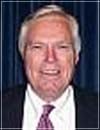
Winston Pannell was born in 1937 in rural Alabama. At the age of fifteen he became interested in religion and was baptized in the Armenian faith, as was Patricia, his wife to be and subsequently their three daughters. In 1985 the Lord confronted him with the true gospel and brought him to faith in God and true repentance from dead works and idolatry. It has been his passion to learn more of a Just God and Savior and his propitiatory work on behalf of his people given him by the Father in the Everlasting Covenant of Grace. The pulpit of Eager Avenue Grace Church in Albany Georgia has afforded him the opportunity to deliver this gospel of God’s free and sovereign grace in Christ, based on his righteousness imputed and received by faith as the whole of the sinner’s salvation. His desire is to deliver this gospel to the hearing of as many as the Lord shall save.
Pristine Grace functions as a digital library of preaching and teaching from many different men and ministries. I maintain a broad collection for research, study, and listening, and the presence of any preacher or message here should not be taken as a blanket endorsement of every doctrinal position expressed.
I publish my own convictions openly and without hesitation throughout this site and in my own preaching and writing. This archive is not a denominational clearinghouse. My aim in maintaining it is to preserve historic and contemporary preaching, encourage careful study, and above all direct readers and listeners to the person and work of Christ.
Brandan Kraft
Pristine Grace Research Assistant
Pristine Grace Research Assistant
Ask me about articles, sermons, or theology from our library. I can also help you navigate the site.
Bible Verse Lookup
Loading today's devotional...
Unable to load devotional.
Select a devotional to begin reading.
Bible Reading Plans
Choose from multiple reading plans, track your daily progress, and receive reminders to stay on track — all with a free account.
Multiple plan options Daily progress tracking Email reminders
Comments
Your comment has been submitted and is awaiting moderation. Once approved, it will appear on this page.
Be the first to comment!