Bootstrap
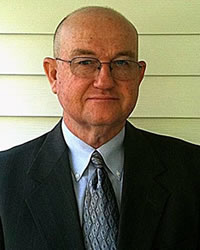
Gary Shepard

Have Thine Own Way Lord

Philippians 4:8-13
Gary Shepard March, 12 2017 Audio
0 Comments
Gary Shepard
Gary Shepard March, 12 2017

Sermon Transcript

Auto-generated transcript • May contain errors

100%
Turn in your Bibles to Philippians
chapter 4. I couldn't really think of a title for this message. And the title I gave David to
put on the label of the CDs, I think I'll change it, based on the song that we just
sang. Have Thine Own Way, Lord. Have Thine Own Way, Lord. Paul writes in Philippians 4, but I rejoiced in the Lord greatly,
verse 10, that now at the last your care of me hath flourished
again wherein you were all so careful, but you lacked opportunity. Not that I speak in respect of
want, for I have learned in whatsoever
state I am therewith to be content. Before this service, we received news that one of
the dear ladies in this congregation, her family will gather in just
a little while to make the decision as to take all the sustaining
equipment off of her sister and let her die. It seems like that this has been
a long period of time with these kind of things. A lot has happened to us as a
congregation. A lot has happened to me personally
over the last year. And things just continue to happen. And we know, and I know, some
things by experience that I once knew just in my head. I found out that when the Lord
says, for my thoughts are not your thoughts, Neither are your
ways my ways, saith the Lord. I found out and finding out that
that is true. He doesn't do things the way
we want him to. He doesn't do things the way
that we think he ought to. And the man who wrote these words
that we've read was in prison when he wrote them. He was in prison for telling
men the truth about God. He was in prison for preaching
the gospel. That just doesn't seem right,
does it? Here he is, faithful, honoring
God, telling people the truth, and gets put in prison for it. But even this time of his imprisonment,
this this time that was undoubtedly hard. He speaks of being content. He speaks of being content. And his contentment has to do with both what he has, but more especially in his situation. He's in prison, but he's content. And the word content here has
to do with sufficiency. I have sufficiency. And this is the great difference
between the people of Christ and the people of this world. We have sufficiency. Just like when Esau and Jacob
met after having been separated so long. And Esau says, I have
enough. And then Jacob says, I have enough. But there are two words used,
one by Esau, one by Jacob, one means I have plenty. The one by Jacob means I have
the whole. I have enough. And Paul says concerning this
contentment, this having sufficiency, he says, I have learned. This is not a natural thing. It's not our nature to be content. We're like the horse leech that
cries, give me, give me, give me. I never have enough. And he had not learned it under
religion. He'd not learned it at the feet
of a man who was a great teacher, he sat under, named Gamaliel. He'd not learned it in the Jews'
religion. He'd not learned it under the
law. He was taught of God. He was taught by the Spirit of
God. And he was taught by the Word
of God. And here I believe it means especially
he was taught by the providence of God. By what God worked in
his life, in his experience. And when God teaches us using
all of these things, using trial, using tribulation, using the
word, using his spirit, using all of the experiences of our
life, we begin to know some things. we begin to realize some things. I'm not saying that we know them
like we ought to know them, and maybe even not like we will one
day know them, but we begin to, by these experiences, know and
be sure of some things. Number one, we begin to know that all things
are of God. Everything that happens, whether
we view it as good or evil or bad, no matter what it is, all things are of God. Turn over to Ephesians, chapter
1. And this is often the way it
is. As the prophets and as the apostles
wrote those various things, they keep reminding us of this. Here in verse 11 of Ephesians
1, he's speaking of Christ and the inheritance we have in him,
and he says, in whom also we have obtained an inheritance
being predestinated according to the purpose of him that works
all things after the counsel of his own will. He works all things after the
counsel of his own will. And he does so in acts of predestination. That's what it says here. He
foreordains, he marks off ahead of time. He has marked off for
all eternity, all things, especially as they pertain to his people. We read in Daniel 4, I've quoted
this verse so many times, where Daniel records the words of Nebuchadnezzar,
and all the inhabitants of the earth are reputed as nothing. And he does according to his
will in the army of heaven and among the inhabitants of the
earth, and none can stay his hand or say unto him, what doest
thou? If it happens, God ordained it. Nothing takes him by surprise. And He has no contingency plans
because He works all things after the counsel of His perfect will. And none can stop Him. In His holiness, and in His goodness,
and in His grace, He, according to Job, is in one mind and who
can turn him and what his soul desires, that doeth he. May not be what
I desire, may not be what the majority of people desire, but
whatever God desires. He doesn't want to and can't.
He doesn't try to and fail. Whatever He does, whatever is,
He desired to do it. He desired to do it. The psalmist
said it like this. I read this to you recently.
But our God is in the heavens and He hath done whatsoever He
hath pleased. We're learning, slowly learning
that all things are of God. When Eli faced the news that
his two sons had been killed in battle, He humbled himself
and he bowed even though he himself was a failure. He bowed to the
sovereign will of God. He said, it is the Lord, let
him do what seemeth him good. David, when he was riding out
of the city, having to leave, And a man rose up in the midst
of him leaving, and he began to curse David, and he began
to say awful things about David. And David's response to the man
who sought to kill this man, he said, don't kill him. Don't
kill him. The Lord hath bidden him to curse
David. Whatever it is that people say
about us, whatever they imagine about us, whatever they connive
against us, whatever it is, whatever enemy raises his head, whatever
opposition it is, he says, the Lord hath bidden him to curse
David. Turn over to the book of Job. in the book of Job. In the chapter
2, we read in Satan's trying to destroy Job and Satan trying
to have his way with Job and trying to do all these things
and make Job deny the Lord. Look at what it says in verse
5. God says to him, But put forth
thine hand now, and touch his bone, and touch his flesh, and
he will curse thee to thy face." That's what the devil said. Now
look at what God says. And the Lord said unto Satan,
Behold, he is in thine hand, but save his life. So went Satan
forth from the presence of the Lord, and smote Job with boils,
sore boils, from the sole of his foot unto his crown. And
he took himself a potsherd to scrape himself withal, and he
sat down among the ashes. Then his wife, then said his
wife unto him, Surely she'll encourage him.
Surely she'll just tell him to hold on, Job. Then his wife said
unto him, dost thou still retain thine integrity? Curse God and
die. He's at a low point. Sure could
use some encouragement, but he doesn't get a bit. But he said unto her, Thou speakest
as one of the foolish women speaketh. What, shall we receive good at
the hand of God, and shall we not receive evil? In all this did not Job sin with
his lips." All that happened to him. all that he lost. He said the Lord gives and the
Lord has taken away. Blessed be the name of the Lord. David, on another occasion, In
Psalm 39, he says, I was dumb. I did not respond. I was silent. I was dumb. I opened not my mouth
because thou didst it. You did it. Whatever the second
cause was, or the third cause, or the fourth cause, we trace
everything back to the One who is ultimately the first cause
of all things. It's the Lord. We know all things
are the Lord, because Thou didst this. God in His infinite wisdom and His sovereign power is the first cause of it all. It's His counsel. And we have
to be constantly retaught this. We have to be constantly aware
of this. We have to be constantly acknowledging
that is our God. Our God is in the heavens and
he hath done whatsoever he hath pleased. And he always acts in everlasting love and grace
to his people. We know that by faith. We don't
know that by feeling. Feelings often are contrary to
that. Experience, as it greets the
eye, is always contrary to that. We know this by the Word of God. We know this by faith in God. We're learning all the time,
more and more, that all things are of God. And if a person can't take some
consolation in that, they don't know our God. They don't know
all He is. And not only that, but we're
always learning something else too. We're always learning, I
hope we're learning, that all of these things are for our good. How do we know that? In the midst of the heartache,
in the midst of the pain, in the midst of the sorrow, in the
midst of all that goes on to disappoint us and whatever may
befall us, we know we're learning and we know by faith that it's
working for our good. Turn over to Romans 8, 28. How
many times did we quote this verse? Paul says, and we know that all
things work together for good to them that love God, to them
who are the called according to his purpose. Now, how did Paul know that? Because the Spirit of God moved
him to write this. And he was not writing this just
for himself. He was writing it for all the
people of God that would follow, for all them that love God, for
all them who are the called according to His purpose. We know. that all things, does that really mean all things? It's easy sometimes to say and
to say, oh, I know it worked together for good for me in this,
but how about in things like this morning? when our sister would watch and
see her sister fade away. That she loved. How was it a year ago, almost,
when my wife, they said, we've done everything we can for her. And I surely by human feeling,
by human nature, by what I wanted and desired, I could not see
how that would work for good. But that's what God said. We
know We know because he can't lie.
We know because he does all things right. We know because he's of
a superior mind to ours. And we know because he said,
we know that all things work together. My mother-in-law used to make
patchwork quilts, made some beautiful pieces. And when you looked at
the back of one of those quilts before she quilted that top,
when you looked at the back of it, all those pieces sewed together,
they looked awful ragged and disjointed and everything like
that. But when you turned it on the
front, it was beautiful. Because all
those pieces work together. They form the whole. And that's the way God works
things. We don't consider anything isolated
from the whole. We don't consider anything that
happens apart from it being His work. We don't consider anything
disjointed from the whole. They work together. He works
them together for good. And I found out something else. Only God knows what's good. Only God knows what's good. We might say we know what's good,
and what's bad, but we don't know any such thing. We know
good if God does it. He knows what's good, and He
knows what's good for us. And we're just learning that.
We're just over and over and over. We're learning that all
things are of God, and he works all these things for our good. We look back in 20-20 hindsight
sometimes and get a glimpse of that. But we look and we believe
by faith. Paul, writing to the Corinthians,
he says, for all things are for your sakes. Everything that's going on in
this world right now, everything that God is doing in every work,
every life, every affliction, every trial, everything that's
going on in politics and government doesn't matter what it is. It
is for the good of his people. And we just say, well, I don't
see how that... Well, you're right, you don't. For all things are for your sakes,
that the abundant grace might through the thanksgiving of many
redound to the glory of God, for which cause we think not. But though our outward man perish,
yet the inward man is renewed day by day, for our affliction
is light, which is but for a moment worketh in us a far more exceeding
and eternal weight of glory. We're getting weaned from this
world. with every passing day. I feel
it. This world loses its luster and
eternal glory gets a greater shine and brightness with every
passing day. Sin becomes more awful to us. Grace becomes more special to
us. We know them, but we're learning
them. And also this, we know and are
learning that all things work for God's glory. He said so clearly,
I will not share my glory with another. You're just not going to get
any credit. It's not going to be done in
such a way that you can get any honor or glory in it whatsoever. He said, I am determined to stain
the pride of man. So if you've got any thoughts
about getting a little bit of glory for yourself, Everything will redound to the
glory of God, but especially everything that pertains to God's
elect. You're getting too proud for
yourself? He'll remind you that the only way you can be saved
is by grace. You get to strutting a little
bit, feeling good about yourself, He'll let you fall. So you remember
that the only way you're saved is by God's grace and therefore
His glory. That's what grace does. It assures
that God gets all the glory. That's what salvation in Christ
does. It assures that he gets all the
glory. Salvation is of the Lord and
we're going to find it out. Paul said, for all the promises
of God. In Him are ye, and in Him, Amen,
unto the glory of God by us. He's going to prove the promise
is true. You're not. I'm not. The fact that we act
the way we do and strive to do the way we do is just proven
that it is all in the promises of God, which are yea and amen
in Christ. Let me read you something out
of Psalm 76. Psalm 76 and verse 10. Surely, the wrath of man," the
wrath of man? Well, that's sure a whole lot
of something. That's sure a big volume of stuff,
the wrath of man. Surely, he says, though, the
wrath of man, shall praise thee. Everything's going to praise
God. Everything's going to work to the glory of God. The worst
wrath of man, the least wrath of man, and everything in between,
all of man's sin, all of man's disobedience, doesn't matter
what it is, it is in some way going to work to the glory of
God. If it didn't, he wouldn't permit
it, which is what he says, the remainder of wrath shall thou
restrain. You say, why does God let this
happen and that happen? Oh, this is somehow going to
praise him. Paul says in Romans 11, for of
him and through him and to him are all things to whom be glory
forever. Amen. So be it. Everything. He says to the Ephesians, that
in the ages to come he might show the exceeding riches of
his grace in his kindness toward us through Christ Jesus. You don't know how good God has
been to you in Christ Jesus. You just maybe know just a little
bit. Maybe we've learned just a little
bit of the goodness of God to us in Christ Jesus, who bore
our sins, who put them away, and who made an end of sin. We
just are getting little tidbits of it, but we're learning more
and more, and one day we'll find out just how much. And we will give
God Glory, glory. He said this to the Thessalonians,
when he shall come to be glorified in his saints and to be admired
in all them that believe because our testimony among you was believed
in that day. God's going to be glorified in
the fact that you believe the gospel. You believe the testimony
of Paul. You believe the testimony of
the apostles, which is the testimony of God. Perhaps one of the greatest ways
in which God is glorified presently is he is glorified when he enables
us to believe. Because there are things in this
book Hard sayings, some said they
were. Things hard to be understood, some said they were. But only a fool or somebody that's
the objects of God's grace will believe it. And he gets glorified. When all the world says different,
When kindred, when loved ones say different, believe different,
we're going to believe the truth, how that ought to glorify God.
He's the only one that can enable us. And there's one more thing that
we're finding out, we're learning, we know it, but we're We're just
learning it more and more and more. Look over Colossians. Colossians 3, verse 11. He said there are a lot of things
that don't matter, distinctions that are natural, that do not
matter with grace. In Christ, there is neither Greek
nor Jew, nor circumcision nor uncircumcision, barbarian, Scythian,
bond or free. But Christ is all and in all. I say I know Christ is all. But every day that passes, every
experience, every trial, everything in this book that I learned assures
me more and more that that is the truth. Christ is all. Or as Jacob would say, he's the
whole. I have enough if I have Christ,
because I have everything. You stop and think about this. If we have Christ, We do have
everything. Everything. Everything that is
good, everything that is valuable, everything that is eternal. Now Paul here, he speaks of a
state that he's in. I've learned that whatever state
I'm in, what state was Paul in? What standing did he have before
God? He was in an eternal state of
justification. That is, God viewed him and he
views all his people as righteous. He's as accepted us in Christ. As he is, so are we in this world. In this world. right now, in
the worst of our experiences, in the worst of our sins, as
He is, so are we in this world right now. We have it all, because all of our sins have
been put away by the bloodshedding of our Lord Jesus Christ. He has satisfied every claim
of offended justice. In Him we have all the fullness
of the Godhead bodily. We have all the God there is. All that God has to give in grace. All the inheritance in Him who
is the heir. All spiritual blessings. All and the only righteousness. All salvation. All eternal life. He freely gives us all things. Can't nobody come to us. and
say, but there's more. That's a favored deception. Yes,
we believe that Christ is everything, but there's more. Wait just a
minute. More than everything? Added to
a finished work? Better than a perfect righteousness? It's sad to say the only way
we can learn this is in the school of affliction,
the school of tribulation, the school of persecution, because
it seems like those things are what drive us to the Word, aren't
they? That's what runs us back to Christ. That is like the sheep dogs that
He turns loose and He gathers us back to Christ. Then we find
out, we focus again, we remember that in Him we have everything,
out of Him we don't have anything. We find Him faithful, that promised. to never leave us, forsake us,
to protect and provide for us, to give us the kingdom, and to
one day receive us into His presence. Because we're all Jacobs. We're all connivers, all sinners. But like Him, we're all Israels.
He counts us in Christ's princes to God. And we have more because we have all. We have all. I sometimes say I wish we weren't
the way we are. But in God's wisdom, we're the
way we are. So we have to go back to school.
Back to school. We have to be reminded. We have
to be retaught. Somebody said the best way to
teach is by repetition. It sure takes a lot for us. Have thine own way, Lord. Have
thine own way. You're the potter. I'm the clay. Mold me, make me after your will. Whether or not I'm muted and
still or not. Hope I am. But have thine own
way. Our Father, we thank you. We know there are ways. They're
not your ways. But we pray for faith to remember these things, to
bow to your will, to acknowledge it as good, and to give you all
glory. Have your way. For it is the right way, the
good way, the gracious way, and it is in Christ Jesus. We pray and we thank you for
all we have in Him. Amen.
Gary Shepard
About Gary Shepard
Gary Shepard is teacher and pastor of Sovereign Grace Baptist Church in Jacksonville, North Carolina.

Comments

0 / 2000 characters
Comments are moderated before appearing.

Be the first to comment!

Joshua

Joshua

Shall we play a game? Ask me about articles, sermons, or theology from our library. I can also help you navigate the site.